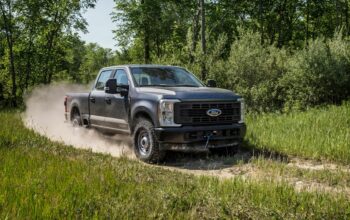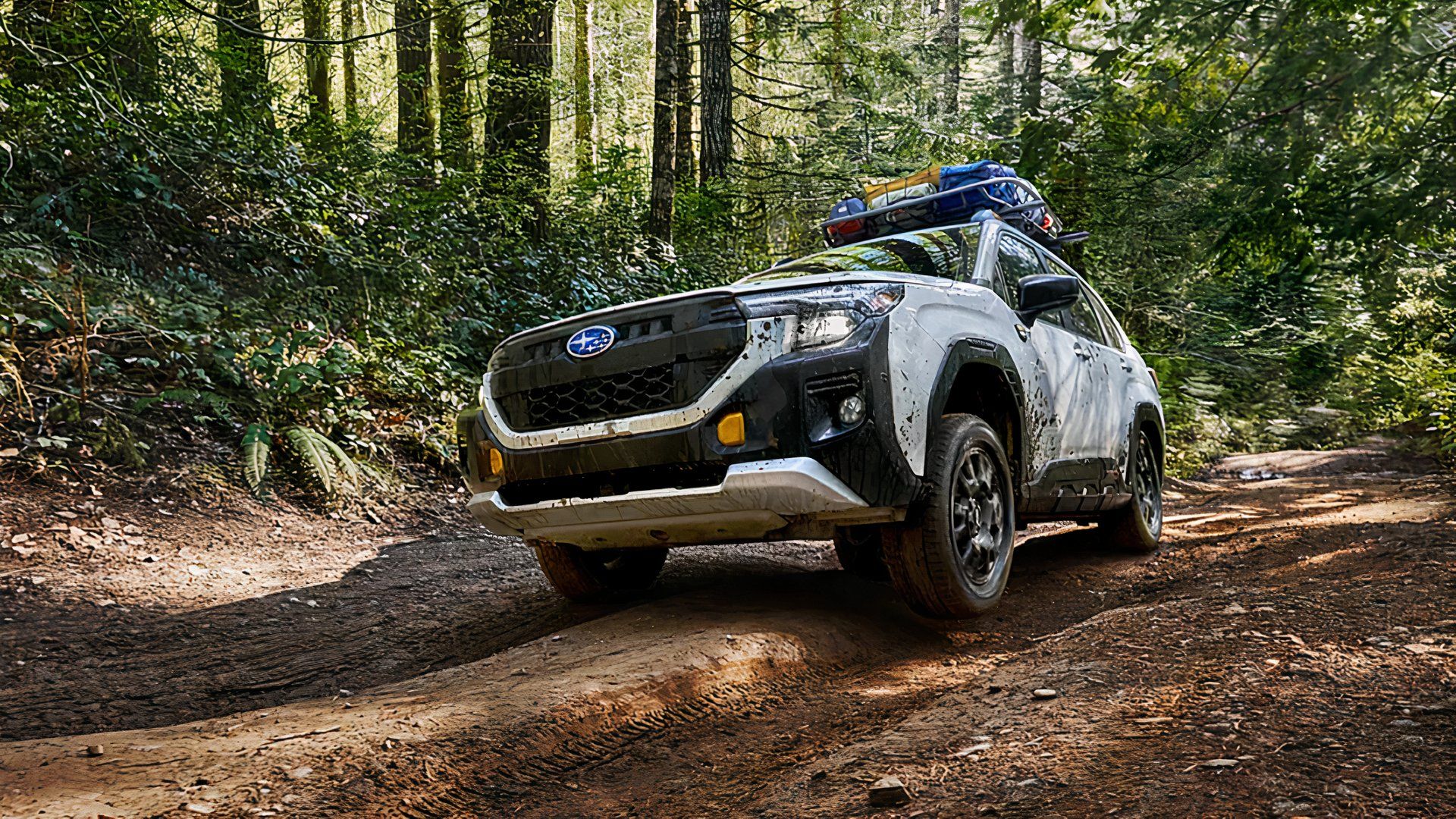
Rock crawling is the art of asking gravity to take a slower route. It’s the moment a tire finds a willing ledge, the suspension breathes, and the engine note turns from urgency into control. In 2026, the off-road SUV landscape feels like a new chapter in an old saga—more capable, more refined, and often more intelligent about when to be gentle. The best 2026 off-road SUVs for rock crawling don’t just climb; they negotiate. They read terrain like a seasoned navigator reads stars, mapping traction, torque, and articulation into a single, confident motion.
So what makes an SUV truly suited for rocks? Think less about showroom numbers and more about the tactile details: crawl ratios that stretch every horsepower into usable torque, traction systems that don’t hesitate mid-calculation, and chassis geometry that keeps tires in contact when the path tilts sideways. The following picks are compelling not only because they are capable, but because they feel purpose-built—like tools shaped by hands that understand stubborn ground.
How Rock Crawling Separates Capable SUVs From Great Ones
Rock crawling punishes compromise. A vehicle can look rugged and still struggle when the rocks get sharp, when angles spike, and when traction becomes intermittent. The best 2026 off-road SUVs are designed around a few non-negotiables.
Low-range gearing and crawl ratio: Rock crawling often demands slow, deliberate progress. A proper low-range setting turns the drivetrain into a torque amplifier, multiplying control rather than just speed reduction.
Traction management: When one wheel loses grip, another must keep the story going. Modern systems use clutch packs, braking-based torque distribution, and sensor awareness to maintain forward intent.
Approach, departure, and breakover angles: Rocks don’t just block you; they test your clearance. The ability to enter and exit obstacles without scraping the underbody can be the difference between a clean climb and an aborted attempt.
Suspension articulation and durability: Articulation keeps tires planted. Durability matters too—rock crawling is abrasive, and components must handle shock loads like stubborn steel in a storm.
Tire choice and wheel stability: Even the best SUV is only as loyal as its tires. Sidewall strength and tread design help the vehicle grip where asphalt-minded rubber fails.
Keep these principles in mind as you explore the 2026 contenders—each one brings a different flavor of confidence to the trail.
The 2026 Subaru Outback Wilderness: Quiet Power for Technical Lines
Some SUVs announce their off-road intent with theatrical clanks and loud exhaust. Others move like a stealth climber—subtle, steady, and strangely effective. The 2026 Subaru Outback Wilderness lands in the second category. It may not wear the traditional badge of a rock-specific rig, but it offers a distinct appeal: practical capability wrapped in everyday usability.
Where rock crawling begins, the Outback Wilderness leans on balance. Wide vision through thoughtful visibility, a chassis that feels composed over uneven ground, and drivetrain behavior that encourages methodical throttle inputs can make tight trail navigation less stressful. Picture the Wilderness as a patient librarian of traction—turning the right pages at the right time.
Rock crawling is rarely about speed. It’s about maintaining a consistent arc: nose angle, tire placement, and suspension travel all working in concert. The Outback Wilderness’s character fits that approach. It’s a vehicle that can get you to the less-trodden lines, then carry you through the messy middle without demanding constant drama.
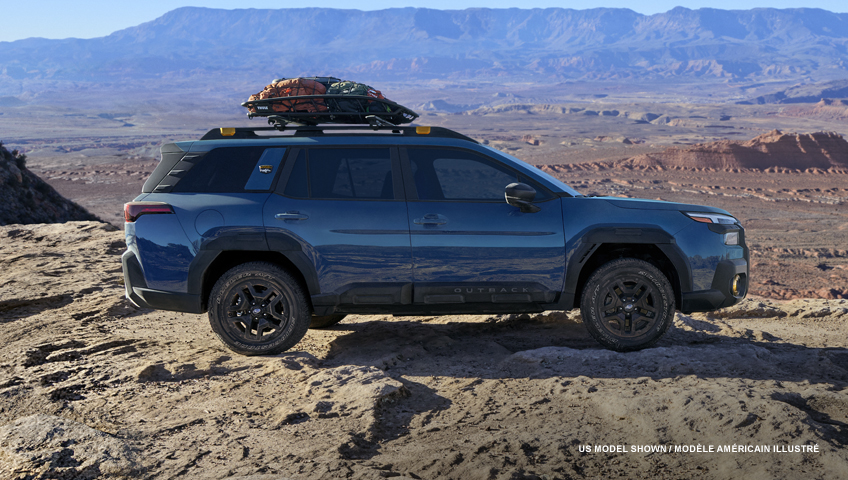
Unique appeal: For buyers who want rock-crawling-adjacent adventures—tight trails, uneven shelves, and unpredictable gravel—the Wilderness offers an intriguing blend. It’s less about pure trial-style conquest and more about confident traversal with a calm, civilized demeanor.
Defender-Inspired Legends: The 2026 SUV Approach to Crawling Heritage
Off-road culture has heroes, and rock crawling has myths. The idea of a legendary SUV conquering angular obstacles isn’t new—it’s been reinforced by generations of drivers who learned patience the hard way. When people talk about climbing rocks, they’re often referring to a lineage of engineering philosophy: strong drivetrains, mechanical confidence, and the ability to keep moving when traction goes on vacation.
In the 2026 landscape, that heritage still matters. Vehicles influenced by this style of capability tend to prioritize fundamentals—low-speed torque delivery, stout underbody protection, and traction systems designed for irregular surfaces. The appeal is immediate: you don’t just drive; you command.
Rock crawling rewards drivers who can read the ground. It also rewards SUVs that don’t fight that reading. A heritage-leaning off-road SUV often behaves predictably during crawling phases, making it easier to modulate throttle and brake inputs precisely.

Unique appeal: These rigs feel like purpose-built instruments—less like commuters wearing body cladding and more like machines engineered to handle imperfection. If your rock crawling weekends resemble a quest—slow, technical, and full of decision points—this category tends to shine.
What to Look for in 2026: Crawl Tech, Chassis Geometry, and Driver Rituals
Even the “best” SUV will fail if it’s missing the right crawling ingredients. For 2026 models, consider the following as a checklist for clarity under pressure.
Electronic traction with real-world composure: Modern systems have the data, but do they have the calm? The ideal SUV controls wheel slip without feeling intrusive, allowing you to keep your line stable while the system works like a silent partner.
Steering and wheelbase behavior: Rock crawling demands low-speed precision. Observe how the SUV turns when angles increase. Too much wheelbase can punish you at breakover points. Too little stability can feel twitchy.
Brake-based torque distribution: Some rigs can “simulate” traction by braking slipping wheels. The best ones do it smoothly, preventing sudden tug-of-war moments during slow climbs.
Underbody protection: Skid plates aren’t just accessories. They’re your armor against the geology. The best SUVs offer protection without turning every obstacle into a grinding contest.
Tire compatibility: Many 2026 off-road SUVs come ready for serious terrain, but fitting the right tires can unlock hidden potential. For rock crawling, look for sidewall strength, siping suited for uneven grip, and tread patterns that can bite without squirming.
Finally, remember that rock crawling is a ritual. Engine braking, controlled throttle, and deliberate repositioning matter. The SUV that makes those actions easier will feel “better,” even if its headline specs seem similar to competitors.
Metaphors of Traction: Choosing Your Personality in a Bouldered World
Every driver has a crawling personality. Some seek theatrical domination—maximum clearance, aggressive tires, and a “go now” temperament. Others want a steady navigator—less spectacle, more finesse. The 2026 market supports both.
The Outback Wilderness can be viewed as a calm compass: practical, grounded, and surprisingly capable when the goal is exploration rather than pure trial spectacle. Meanwhile, defender-inspired, heritage-style rigs tend to act like steel poetry—strong, confident, and built for moments when the trail turns into a riddle of angles.
Choose based on your likely weekends. Will you be creeping through rock gardens with careful line selection? Or will you be tackling deeper challenges where mechanical confidence and torque multiplication take center stage? The answer shapes the “best” SUV for your life—not just your garage.
Outfitting for Success: Small Changes That Make a Big Difference
Even a capable 2026 off-road SUV benefits from thoughtful setup. Consider these upgrades as leverage points.
Recovery essentials: A quality recovery strap, appropriate shackles, and a methodical plan for retrieval are non-negotiable. Rocks don’t care about ego.
Pressure management: Tire pressures can transform traction and ride behavior. Lowering pressures within safe limits increases contact patch and allows the tire to conform to rock texture.
Skid plate awareness: Inspect contact points and protective coverage. If you frequently crawl, additional protection may be the difference between cautious progress and costly downtime.
Suspension tuning: Some drivers enhance stability with appropriate off-road alignment and suspension settings. The goal is predictable response, not aggressive harshness.
With the right setup, your SUV stops merely performing—and starts participating like a willing partner.
Conclusion: The Best 2026 Rock Crawling SUV Is the One That Feels Like Control
Rock crawling isn’t about conquering rocks; it’s about cooperating with them. In 2026, the best off-road SUVs offer a shared promise: the ability to move slowly, precisely, and confidently when the terrain demands a deliberate handshake.
The 2026 Subaru Outback Wilderness appeals to explorers who want technical capability with everyday comfort—an SUV that approaches obstacles with composure rather than theatrics. Heritage-influenced, defender-style contenders bring a different energy: mechanical confidence, purposeful geometry, and the kind of traction behavior that feels like command.
Whichever path you choose, listen for the same thing when you start climbing: not the loudness of the drivetrain, but the quiet assurance underneath. That’s the sound of control—where tires meet stone, suspension finds its rhythm, and your line becomes less guesswork and more mastery.