Every family has a quiet moment before the new car decision—when the shopping list feels strangely bigger than the people it’s meant to carry. Seats, safety, charging, cargo. Yet there’s also an unspoken question: which electric Mercedes actually fits the rhythm of real life? Not the glossy renderings. Not the showroom calm. The truth is more kinetic. It’s soccer gear on a Tuesday, a weeknight detour to the grocery store, and the occasional long drive that turns planning into storytelling.
In 2026, two names tend to surface for family-first buyers: the Mercedes-Benz EQB and the Mercedes-Benz EQE SUV. Both are EVs from the same star-labeled universe, but they approach family life like two different composers—one with adaptable, practical phrasing, the other with spacious, comfort-forward movement. If you’ve ever wondered why “the same brand” can feel so different behind the wheel, the answer lies in how each model interprets space, energy, and daily ease.
First Impressions: Two Silhouettes, Two Family Moods
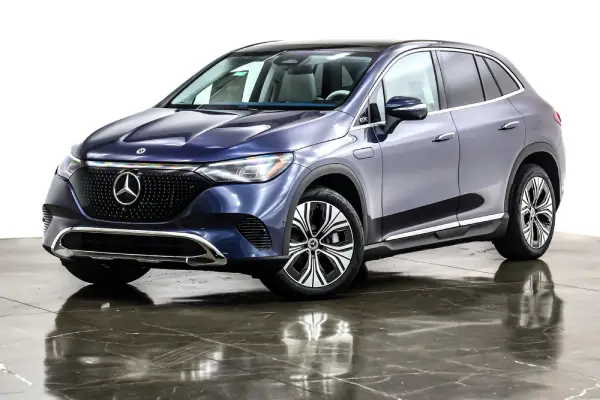
The EQB arrives with a sense of purpose. Its boxier stance isn’t merely aesthetic; it’s functional architecture. Families recognize that immediately. More upright proportions often translate to easier ingress and a more cooperative cargo shape. Short and long trips feel less like compromises and more like habits.
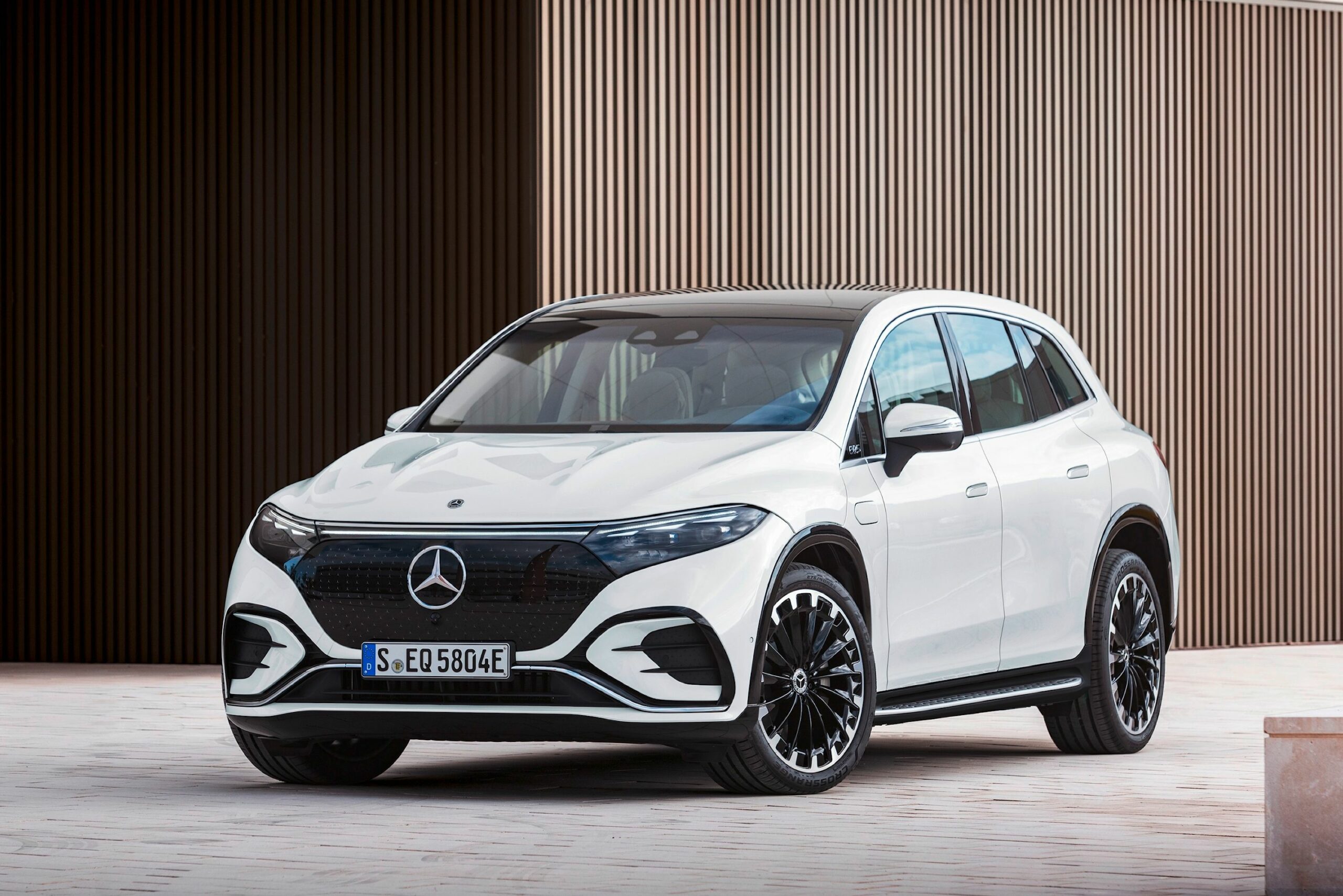
The EQE SUV wears elegance like a deliberate choice. It’s the kind of vehicle that still feels composed when life is not. The cabin atmosphere leans toward serenity—smooth surfaces, generous glazing, and a more executive posture. It’s less about “fitting everything” and more about “making everything comfortable while it’s being transported.”

Seating and Layout: Where Real-Life Logistics Take Over
Families rarely measure a vehicle by brochure promises. They measure it by how backpacks land, how stroller legs fold, and whether the third-row plan feels like a theory or an everyday reality.
The EQB is often the more intuitive pick for households that need flexibility. Depending on configuration, it can accommodate additional passengers, and its cabin packaging encourages quick reorganizations—diaper bag here, lunch containers there, sports towel somewhere reachable without a full expedition. The geometry of the EQB’s interior tends to be forgiving, which matters when multiple people share limited space.
The EQE SUV, on the other hand, shines when comfort and space for the full crew are the priority. Its cabin tends to feel more “stretched,” with room that supports longer conversations and calmer rides. For families who frequently travel together—road trips, visits to relatives, weekend escapes—the EQE SUV’s spaciousness can feel like a soft landing after a busy day.
A common observation is that both SUVs “look similar enough” in family brochures. But the deeper difference emerges in how each one handles the tradeoff between flexibility and refinement. One leans into modularity; the other leans into pampering.
Cargo Capacity and Day-to-Day Storage: The Hidden Power of the Rear
A family’s trunk is never just a trunk. It’s a storage strategy. Cooler bags, toolkit-style emergency items, beach accessories, dog supplies, and the inevitable “we’ll need that later” bag.
The EQB’s practical layout makes it easy to create zones—items that should stay accessible remain accessible, and bulky loads don’t force awkward rearrangements. When life becomes a conveyor belt of errands, the EQB’s usability tends to reduce friction.
The EQE SUV typically delivers a more effortless “place for everything” feeling. Even if cargo isn’t the headline, the vehicle’s overall spatial confidence can make packing feel lighter. Long weekend travel benefits from that, especially when the family returns with souvenirs, extra clothes, and a newfound willingness to pack more “just in case.”
Driving Experience: Calm Control vs Confident Glide
Electric driving changes the emotional tone of a car. There’s no engine rumble to mask distractions, so the steering response and suspension behavior become more obvious. Families notice this quickly—particularly when commuting includes traffic lights, school drop-off turns, and sudden lane changes.
The EQB often feels like a confident utility EV. Its character supports quick adjustments and practical maneuvering. It’s the sort of vehicle that handles urban choreography with ease—navigating tight parking, quick turns, and the daily choreography of getting everyone where they need to be.
The EQE SUV can feel more like a glide. It’s engineered to smooth out the trip, which is an underrated family requirement. The less the ride jolts, the easier it is for kids (and adults, too) to stay composed. Even when driving at highway speeds, the EQE SUV’s demeanor can reduce fatigue. That matters on days when everyone is already tired before the departure time.
Safety and Family Confidence: More Than Checklists
Safety features are important—but families often want something subtler: confidence. A vehicle that doesn’t demand attention should be celebrated. The EQB and EQE SUV both belong to Mercedes’ safety-forward mindset, and that’s visible in the way they handle driver assistance and visibility.
When children climb in and out, when someone’s holding a phone while buckling, when a lane-change happens during a busy stretch, it’s not just crash prevention that matters—it’s the sense of being supported. The deeper fascination for many buyers is that electric quietness and advanced driver assistance can make the road feel less chaotic. It’s not escapism; it’s clarity.
Charging and Ownership Reality: The “Can We Do This?” Test
Families don’t ask, “What’s the theoretical range?” They ask, “Will this fit our schedule?” Charging habits—home charging, workplace opportunities, weekend top-offs—determine whether an EV feels effortless or occasionally stressful.
The EQB’s family-friendly practicality often appeals to those who want straightforward charging routines. If your days revolve around predictable patterns—home to school, school to activities, back home—the EQB tends to align with that cycle nicely. Its usability can reduce the mental overhead of EV ownership.
The EQE SUV, while equally capable as an EV, tends to attract families who plan their drives with a broader vision—longer highway stretches, more frequent road trips, and a preference for comfort that persists past destination arrival. In practice, that means charging planning becomes part of the trip narrative rather than a hurried logistical task.
Both approaches answer the same question. But they do it with different philosophies: one prioritizes day-to-day ease; the other prioritizes long-form comfort and confidence.
Technology and Infotainment: Keeping Everyone Engaged (Without Turning the Car Into a Circus)
In a family EV, screens are either a blessing or a distraction. The difference is how naturally the interface supports everyone in the vehicle.
The EQB typically suits families who want technology that supports quick navigation, easy media switching, and clear controls. It’s the kind of cabin that helps you keep moving, even when the day is improvisational.
The EQE SUV leans into a more immersive, premium experience. For families who travel frequently, that can be significant. A calm, well-integrated cockpit reduces the “what button do I press?” moments that escalate into minor conflicts. Over time, those small moments add up, and a more refined interface can feel like a quiet act of domestic diplomacy.
Which One Is the Best 2026 Mercedes-Benz EV for Families?
If your family’s priority is flexible seating, practical cargo arrangements, and everyday adaptability, the EQB is compelling. It feels like a family vehicle designed to reduce friction—those small frays in routine where time disappears. It’s the SUV that seems to anticipate real errands.
If your family’s priority is spacious comfort, a smoother ride, and a premium atmosphere that makes longer trips feel effortless, the EQE SUV is the stronger emotional match. It’s the vehicle for families who want the road to feel calmer, even when life isn’t.
There’s also a deeper reason people become fascinated by these choices. An EV isn’t just transportation; it’s a daily rhythm rewrite. The EQB invites families to reorganize their routine around convenience. The EQE SUV invites families to reorganize their routine around comfort.
Conclusion: The Family EV That Feels Like It Belongs
Choosing between the EQB and the EQE SUV in 2026 comes down to what your family values most: adaptability or serenity, modular practicality or lounge-like spaciousness. Both carry the Mercedes promise, but they deliver it with different emotional textures.
In the end, the “best” family EV is the one that makes your ordinary days feel easier and your planned days feel more magical. And whether it’s the EQB’s useful confidence or the EQE SUV’s elegant glide, either way you’re not just buying an EV—you’re selecting a new way for your family to move through the world.