You can feel it in the quiet moments—standing in a parking lot, one hand on the car seat, the other hovering over the latch points, wondering how a “small” design choice can determine whether the rear seat feels like a sanctuary or a hassle. In 2025, the rise of plug-in hybrid electric vehicles (PHEVs) has brought an unexpected fascination: not simply their efficiency, but their ability to coexist with real family logistics. The question many drivers whisper to themselves is simple: which 2025 PHEVs make rear seat space easy, and which ones make latching feel intuitive rather than like a puzzle with moving pieces?
The common observation is that PHEVs are often “compact” or “city-friendly,” and that makes people assume the back seat will be cramped. Yet the deeper reason for the fascination is more human. Parents and caregivers don’t just seek room—they seek predictability. They want fewer contortions when tightening lower anchors, fewer moments of doubt that the seat is truly secured, and more confidence that the vehicle’s packaging choices won’t interfere with child-safety best practices. Rear-seat compatibility is where engineering meets ritual.
Let’s explore what to look for—rear seat space, latch design, and real-world ergonomics—and then map those priorities to the best-performing 2025 PHEVs for families who need car seats that can be installed quickly and comfortably.
Why “Rear Seat Space” Is More Than Legroom
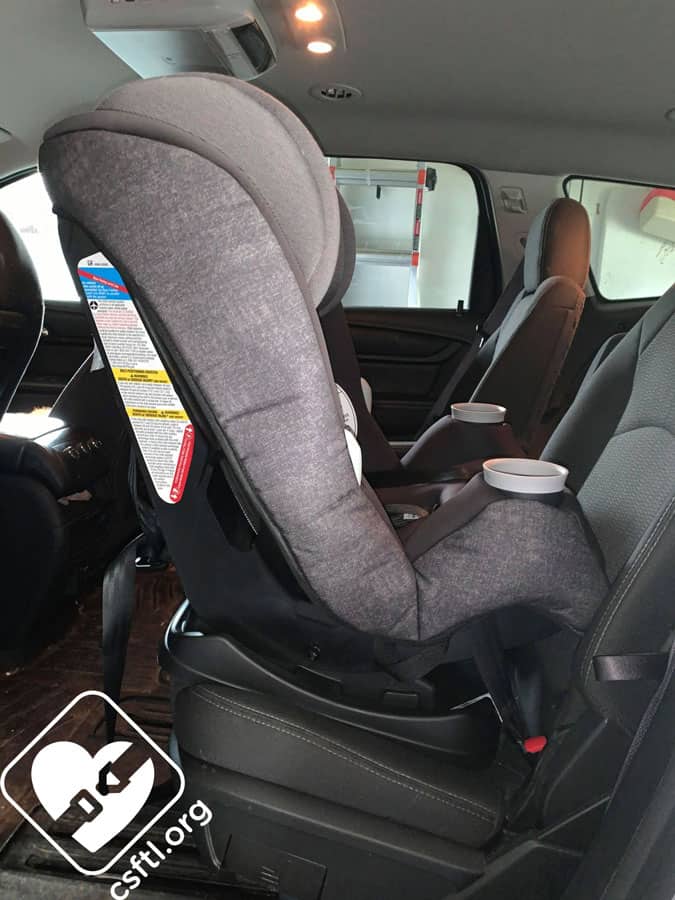
When people say a car has “good rear seat space,” they often mean legroom. But a car seat cares about different dimensions: the seatback contour, the tether anchorage position, and whether the passenger-side access makes it easy to buckle without twisting. A rear-facing seat also magnifies the significance of head clearance and seat base stability. Even when a vehicle’s overall footprint looks similar to competitors, the architecture of the cabin can change the experience dramatically.
In 2025 PHEVs, the placement of the battery pack can influence floor height and the geometry of the rear floor. That matters because a car seat’s base usually wants a reasonably flat, supportive surface. If the floor is raised or sculpted sharply, the seat may sit at a less friendly angle—inviting extra adjustments. Those adjustments can be the difference between “I installed it correctly in five minutes” and “Let’s redo it because the angle bubble looks questionable.”
Look for cars where rear seat cushions feel firm and not overly recessed. Also note whether rear occupants can still sit naturally once the car seat is installed. This is a second layer of comfort, but it’s also a safety consideration—because struggling for posture can lead to hurried, sloppy installs or rushed buckle checks.

Latch Systems: What Makes Them Feel “Easy” in Daily Life
Lower anchors (LATCH) and tethers are the backbone of modern child-seat installation, yet the experience varies wildly. The latch connection points can be recessed, partly hidden, or positioned in a way that forces your hands into awkward angles. “Easy” doesn’t mean faster in theory; it means smoother in practice, especially when you’re doing the job alone or with one caregiver multitasking.
One of the most revealing checks is the accessibility of the latch anchors from the seating position you’ll actually use. If you have to lean forward, reach across, or fight a tight gap between the car seat and the backrest, you’re likely to develop a pattern of shortcuts. That’s where risk creeps in. The fascination is real: caregivers often feel a subtle satisfaction when a vehicle’s interior layout makes careful installation feel almost effortless.
Consider also how visible the anchor guides are. Some designs use markings or openings that reduce guesswork. Others place anchors deeper, which can turn installation into a tactile scavenger hunt. Add to that the tether anchor location—tether points that are too high, too low, or obscured can cause unnecessary frustration.
Rear-Facing Realities in 2025: The Practical Physics
Rear-facing seats are not just a safety preference; they’re a spatial commitment. The seat must fit in lengthwise space while maintaining proper recline. Even a small mismatch can cause the seat to “settle” incorrectly—leading to repeated adjustments.
Here’s the overlooked detail: rear-facing installs are often easier when the rear seatback angle supports the car seat’s recline mechanism. Vehicles with more upright rear seatbacks can help maintain proper geometry, reducing how often you need to tinker with the base. Yet upright can also reduce comfort for adult rear passengers—another trade-off families end up balancing.
In PHEVs, this trade-off can be complicated by cabin design. Some electrified drivetrains allow clever floor packaging, which can preserve space for rear-facing seats. Others may create a raised transmission tunnel or a less forgiving floor contour. The result is that two PHEVs with similar “overall space” ratings can feel radically different when the car seat is installed.
What to Measure Before You Buy: A Checklist That Prevents Regret
Before committing to any 2025 PHEV, take a measurement-driven approach. Do it once, and the rest of the buying journey becomes calmer.
Measure from the rear seatback to the front seat in the configuration you’d realistically use (not just “all the way forward”). Measure the distance from the seatback to the tether anchor area if accessible. Also check seat belt path conflicts—some car seats have specific routing needs, and certain interior contours can interfere with a clean strap path.
Finally, test latch anchor usability. With the rear seat empty, press your hands into the gap where the car seat base will sit. Pretend you’re tightening the lower anchor connectors. If your fingers feel blocked, plan for the likely reality: you’ll be blocked when the seat is heavier and more awkward.
Best 2025 PHEVs for Rear Seat Compatibility (Focus: Space & LATCH)
Not every 2025 PHEV will deliver the same rear-seat harmony. The “best” options are those that make latch access reachable, preserve flat and stable base areas, and allow rear-facing installs without heroic contortions. Below are the kinds of PHEVs that tend to shine for car-seat families—especially those who regularly install and reinstall seats.
1) Toyota PHEV Models (Family-Oriented Packaging)
Toyota’s recent approach to branding may shift names on the spec sheet, but the deeper theme remains: practical cabin packaging. Many Toyota PHEVs emphasize usability, and that often translates into rear seating areas that work well with standard child-seat geometries. Caregivers tend to appreciate anchor accessibility and straightforward backrest shapes, which can reduce the “where is it?” moment when connecting lower anchors.
2) Larger-Room PHEVs with Flat Rear Floors
Some PHEVs are engineered with a rear floor that is flatter and less sculpted, which helps car seat bases sit more consistently. Flatness isn’t just comfort—it’s alignment. A base that sits predictably usually means fewer rechecks and less frequent re-tightening. It also benefits families who switch between two car seats or move a seat between vehicles.
3) PHEVs with Clearer Tether Anchor Access
Even if the lower anchors are convenient, tether anchor placement can still sabotage installation speed. Vehicles that expose tether points more clearly (or position them where the tether strap can run naturally) tend to reduce friction. This matters because tethering often becomes the final step where installers slow down—if the tether path feels awkward, the entire process extends.
4) Models Known for Upright Rear Seatbacks
Some families prefer more reclined rear seatbacks for comfort. But for rear-facing car seats, upright backrests can support stable recline settings. This is one of those counterintuitive truths: a rear seat that feels a bit more “standing” may actually be friendlier to the car seat’s designed angle.
5) PHEVs with Spacious Rear Door Openings
Installation isn’t only about anchors—it’s also about access. Wide door openings and reachable seat edges make it easier to guide the seat base, tighten belts, and keep your hands out of pinch points. The best vehicles are the ones that reduce physical friction, because fewer physical problems mean fewer rushed steps.
Beyond Installation: Everyday Use After the Car Seat Is Latched
The obsession doesn’t end when the seat clicks into place. Caregivers notice the micro-behaviors of daily life: can you buckle quickly during bedtime chaos? Can you access the harness without clipping the seat with your jacket? Can you check the indicator or strap tension without contorting?
In 2025 PHEVs, the quiet advantage is how the interior layout reduces repetitive strain. If the rear seat is easy to reach, caregivers are more likely to perform proper checks consistently. This is where fascination deepens: safety is not only a single correct install. It’s a routine made sustainable.
Also consider how the vehicle’s front seat movement affects rear-facing seats. Some cars allow smooth front-back travel without shifting the rear environment. Others can encroach on spacing when the driver adjusts seating position. If you’re switching between multiple drivers, that small inconvenience becomes a daily source of mental load.
Common Buying Mistakes (And How to Avoid Them)
One mistake is relying solely on generic “rear legroom” numbers. Another is assuming PHEVs will all package similarly because they share electrification. The reality is that hybrid battery integration and cabin design can create wildly different rear-seat ergonomics.
A third mistake is not validating anchor usability. If you’ve never installed a car seat in that vehicle, do it before committing. Even a quick test with your specific seat model can reveal hidden issues: awkward latch angles, tether interference, or seat belt path constraints.
Final Thoughts: The Real Goal Is Confidence, Not Complexity
The best 2025 PHEVs for car seats are the ones that make the right action feel natural. When rear seat space supports stable bases and latch systems invite straightforward connections, installation becomes a calm ritual instead of a stressful puzzle. That’s the deeper reason caregivers gravitate toward certain vehicles: they want a machine that doesn’t fight them, day after day.
Choose with measurements, test with intention, and let the rear seat speak for itself. In the end, the most “excellent” PHEV is the one that helps you protect what matters—without stealing your patience.