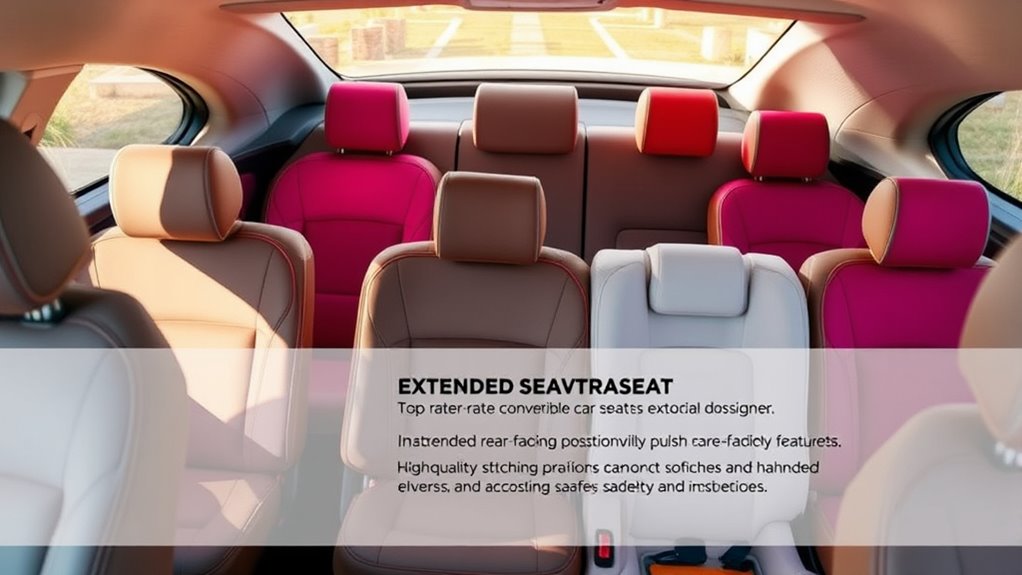
There are moments in family life that don’t announce themselves. They simply arrive—sleepy toddlers, soccer bags, winter coats still damp at the shoulders, and the tiny universe of a rear-facing car seat installed with obsessive care. In 2025, choosing a family car isn’t just about horsepower or cup holders. It’s about creating a moving sanctuary, where the geometry of safety and the comfort of everyday life align like well-timed gears. Rear-facing seats sit at the center of that design philosophy, turning the back row into a cocoon of protection and calm.
Below is a curated look at the best 2025 family cars for rear-facing car seats. Think of each vehicle as a different kind of shelter: some are bright and airy, some feel rugged and grounded, and some glide with the quiet confidence of a library at closing time. The goal is the same—help your child ride longer rear-facing with less friction, fewer compromises, and more peace of mind.
Why Rear-Facing Matters More Than Ever in 2025
Rear-facing car seats are often described in straightforward terms: better support, improved crash dynamics, and head and neck protection. Yet the deeper story is emotional as much as technical. Rear-facing orientation is like placing a small compass in the right direction. When everything else in the vehicle becomes a blur—traffic lights, road noise, sudden braking—the seat’s design philosophy stays anchored behind the child, guiding the body toward safety rather than surrender.
In 2025, many family vehicles are evolving to better accommodate these seats through improved seat geometry, easier belt routing, and more adjustable back-row features. The best cars don’t just “fit” rear-facing seats; they make the process feel less like a puzzle and more like a routine. When installation and daily use are easier, mistakes are less likely. Convenience, in this context, becomes a quiet guardian.
How to Evaluate a Family Car for Rear-Facing Compatibility
Before choosing a model, it helps to know what to look for—because “rear-facing friendly” is a nuanced phrase. First, consider back-row space: not just legroom, but also the distance from the seatback to the dashboard and the floor profile. Rear-facing seats often require more room than forward-facing setups, especially when you’re using extended harness adjustments or managing multiple children.
Next, evaluate recline and angle adjustment. Some seats allow more precise leveling; others depend on the vehicle’s seat cushion shape. A car with a supportive cushion can reduce the likelihood of awkward post-install compromises. Also inspect seatbelt geometry—where the latch plates sit, how the belts retract, and whether belt pathways align naturally with your chosen restraint system.
Finally, think about daily access. If you routinely move a child into the seat, you’ll want door openings and entry space that make the process feel civilized rather than contorted. In a great rear-facing setup, the car doesn’t just protect your child; it reduces the workload placed on you.
The Rear-Facing-Friendly Sweet Spot: Spacious Mid-Size Family SUVs
For many families, the sweet spot in 2025 is a mid-size SUV with a flexible second row. Picture the back seat as a theater stage: you want enough depth for the “set” of the car seat and enough width for your hands to work safely and confidently. Models in this category often offer sliding or reclining second-row seats, letting you find the precise balance between child comfort and adult usability.
The best of these SUVs also tend to provide a cabin that feels composed—wind noise is kept in check, surfaces are durable without being harsh, and the layout reduces the sense of crowding. When the vehicle’s interior feels spacious, rear-facing seats stop being an inconvenience and become a natural part of the family’s rhythm.
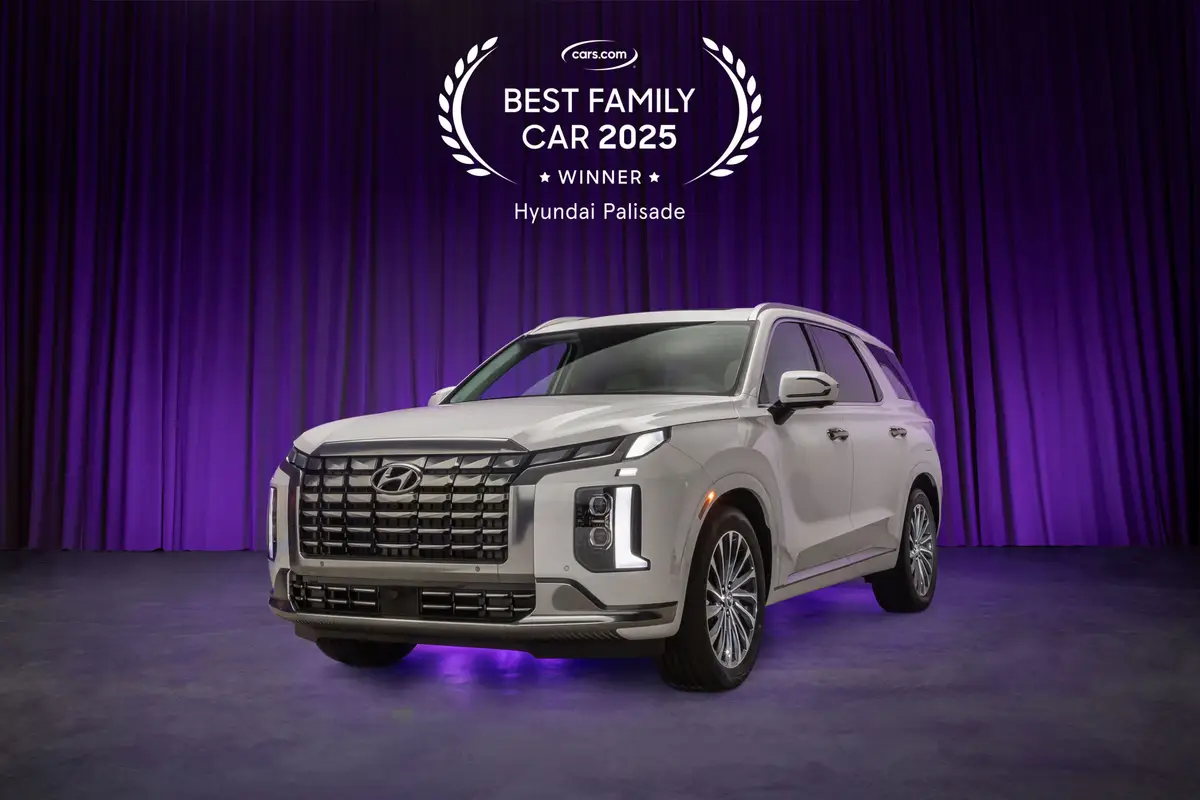
Hyundai Palisade: A Grand Family Room on Wheels
Some vehicles feel like they were engineered for “togetherness,” and the 2025 Palisade leans into that idea. Its cabin is roomy enough to accommodate the realities of rear-facing seats—where you need both physical space and functional maneuvering. In many families, the most challenging part of rear-facing isn’t the installation itself; it’s the choreography after installation. The Palisade supports that choreography with a layout designed for real households: room to adjust seating positions, and an interior that doesn’t feel cramped when the back row hosts the protective apparatus of childhood.
There’s also the psychological advantage of a large SUV cabin. When you’re carrying bags, snacks, and a child’s nighttime necessities, comfort becomes more than a feature. It becomes a mood. A calmer mood turns every trip—errands, school drop-offs, weekend detours—into something closer to ease.
Extended Families Need Versatility: Seating That Adapts
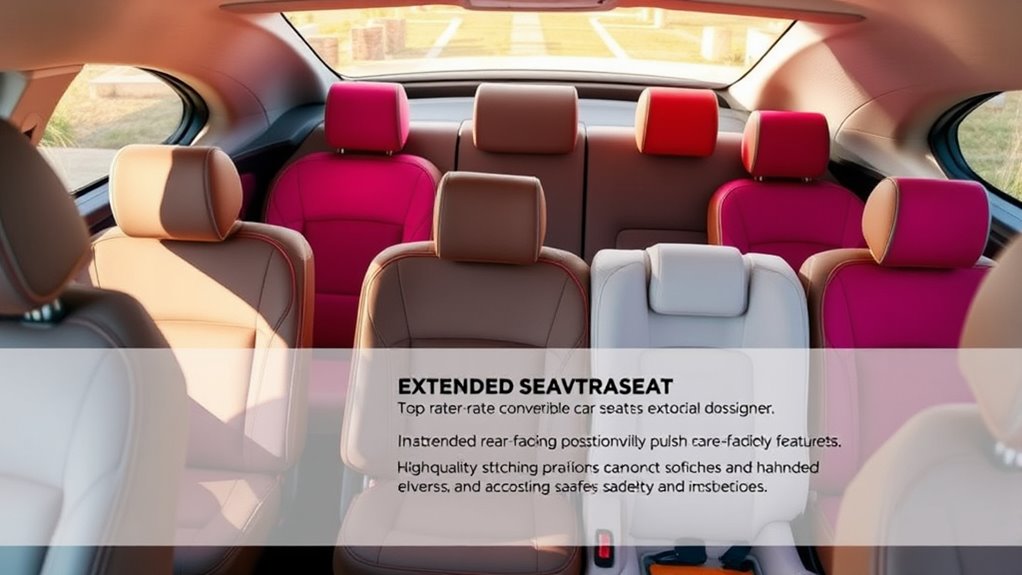
Rear-facing compatibility isn’t only about space—it’s about how the car behaves when you rearrange it. In 2025, many family vehicles benefit from adjustable second-row positions, enabling you to fine-tune the back seat angle and distance to the front seats. If you share the car with another adult, or if grandparents occasionally ride along, adjustability becomes a practical form of respect.
Think of it as tailoring. A well-tailored suit fits differently on different bodies; similarly, a vehicle that lets you adjust the seat configuration helps you dial in the comfort and safety parameters for each ride. A rear-facing child seat doesn’t need to be a permanent compromise. It should be part of a flexible setup.
Why Convertibles Aren’t Just for Styling: The Rear-Facing Angle of Choice
Convertibles and convertible-style seats often live in the same family story: first you buy one for flexibility, then you keep it because life changes. The beauty of these seats is longevity. However, rear-facing installation with convertible seats can be more demanding, because certain models require specific recline tolerances and careful positioning.
Still, the right family vehicle can make the rear-facing experience surprisingly seamless. The key is a supportive back-row design that lets the seat sit properly without excessive fuss. When the cabin geometry aligns—cushion firmness, seatback shape, and anchor point placement—the convertible seat becomes more than a product. It becomes a steadfast companion, turning “what if” into “it’s already handled.”
Minivans: The Practical Fortress With a Friendly Face
If SUVs are libraries of horsepower and ground clearance, minivans are the community centers—practical, welcoming, and built for daily interaction. For rear-facing seats, minivans often shine due to their sliding doors, flatter floor designs, and generally accommodating second-row spaces. Getting a child in and out becomes less of a contortion and more of a routine.
Minivans also tend to offer a softer kind of spatial logic. The aisle access is usually generous, and the rear-seat area often feels like a dedicated zone rather than a squeezed-off corner. This matters for rear-facing setups because the act of fastening the harness, checking the angle, and tightening the belt benefits from extra room and calmer movement.
Performance Isn’t the Point—Stability Is
It’s tempting to chase metrics like acceleration and top speed. Yet in a rear-facing-first world, stability becomes the central performance feature. A vehicle that tracks smoothly, brakes predictably, and rides with controlled suspension movement helps keep a child comfortable and keeps the seat configuration reliable. Think of it as reducing unnecessary variables. When the road becomes less chaotic inside the cabin, the car seat’s job is easier.
In 2025, safety systems and driver-assistance technologies contribute to an environment where families feel less on edge. These systems don’t replace a properly installed rear-facing seat, but they can complement it—like an extra set of hands hovering nearby, ready to help when the unexpected arrives.
Comfort Features That Actually Matter for Families
Rear-facing days are full of waiting and little transitions: bedtime snacks, toy swaps, a seatback adjustment, a mild protest, then a sudden quiet. Comfort features matter here, not as luxury, but as life management. Climate control that reaches the second row evenly reduces the need to fiddle constantly. Good visibility helps you position the seat and check harness placement without doing a full interior gymnastics routine.
Also consider noise levels, because quiet cabins make it easier to notice small changes—like a child’s shifting posture or a loose harness strap during routine checks. In families, small observations prevent bigger problems.
Choosing Your Best Fit: A Practical Checklist for 2025
When deciding on the best 2025 family car for rear-facing car seats, treat it like a short appointment with reality. Bring the car seat if possible. Verify rear-facing recline compatibility. Confirm that the seatbelt routing or LATCH connections line up naturally. Test whether you can comfortably access the seat after installation—because ease of daily use is often the difference between “works” and “works well for years.”
Then evaluate adult usability. Sit in the front seat and see whether rear-facing positioning compromises your ability to drive comfortably. A rear-facing setup that steals your driving posture can quietly erode safety. The best family car balances the needs of everyone in the vehicle, not just the child.
Conclusion: The Road to Peace of Mind
The best 2025 family cars for rear-facing car seats are the ones that turn protection into something everyday rather than exceptional. They respect the geometry of safety and the choreography of family life. They offer space for careful installation, comfort for long rides, and practicality that doesn’t fade after the first week.
In the end, rear-facing isn’t only a direction—it’s a promise. A promise that your child is supported, that their world remains steady, and that you can focus on the day ahead instead of the complications behind you. Choose a vehicle that feels like a dependable shelter, and every trip becomes less about the grind of logistics and more about the small victories of family time.