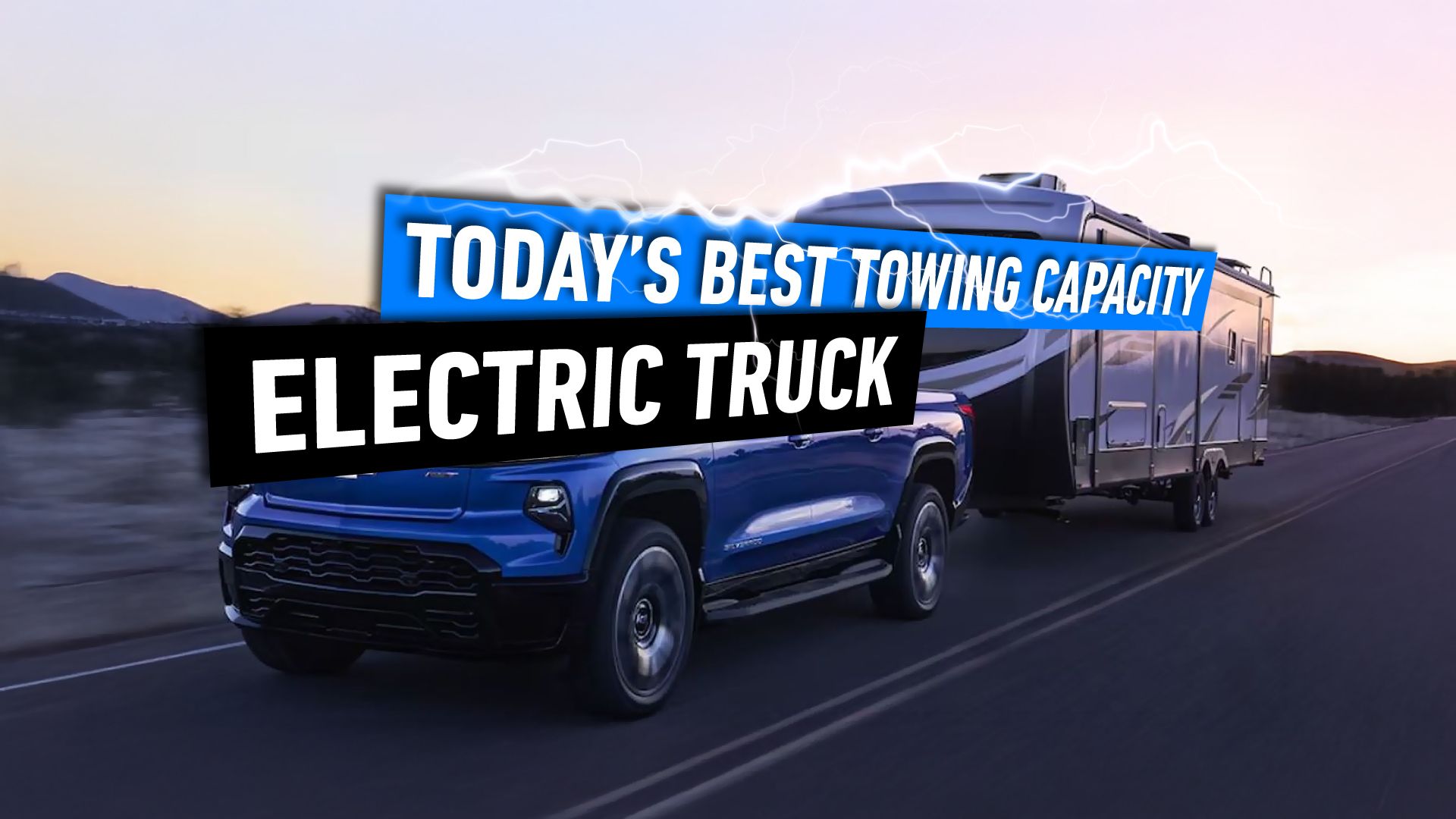
There’s a particular moment that keeps repeating in the world of pickup trucks: the moment you realize towing isn’t just about numbers—it’s about composure. People look at electric trucks and expect them to be quiet, quick, and almost theatrical on a test drive. But when the conversation shifts to the worksite—where trailers sway, hills demand authority, and schedules punish hesitation—the fascination changes shape. Suddenly, the question becomes less “Can it tow?” and more “How does it behave while towing, hour after hour?” That’s the heart of the matter for the best 2025 electric trucks for towing & work: not just capability, but consistency.
It’s common to hear a skeptic’s observation: electric trucks might feel like fair-weather machines—great for commuting, less convincing for the heavy choreography of real work. Yet that impression often comes from an outdated mental model. Modern designs are engineered around thermal management, torque delivery, and energy recovery. The deeper fascination is that electric drivetrains don’t simply replace an engine; they change the rhythm of towing itself.
Why towing feels different in an electric truck
For towing, the “feel” of torque matters as much as its headline rating. Gas engines typically deliver power through rev changes and throttle response patterns. Electric motors, by contrast, provide near-instant torque availability. That can translate into a steadier pull when you’re climbing with a loaded trailer or merging on a ramp with limited sightlines.
There’s also the matter of deceleration. When an electric truck lifts off the accelerator, regenerative braking can convert kinetic energy back into usable electricity. Long downhills become less about riding the brakes and more about managing energy flow. Short sentence, long consequence: brake fade becomes less of a daily threat.
Beyond sensation, engineers focus on thermal resilience. Towing is heat-intensive—high load, high sustained output, and the need for stable motor and battery temperatures. A well-designed system keeps performance predictable, rather than letting power taper as heat builds.
Battery and range: the real story behind “will it make it?”
Range anxiety is understandable. Towing increases aerodynamic drag and rolling resistance, and both can drain a battery faster than city driving. However, the deeper reason electric towing can still be viable for work is that energy use isn’t only about distance—it’s about how you drive and what you tow.
First, expect range variation based on trailer weight, tire choice, speed, terrain, and even wind. Second, many 2025 electric trucks emphasize efficiency strategies: optimized gear ratios (where applicable), software-managed torque curves, and aerodynamic packaging that helps even when a trailer is present.
Then there’s the practical side. Work routes are often more predictable than people assume. If your days involve repeated trips to a yard or job site, charging can be scheduled during downtime—lunch breaks, staging periods, and overnight parking. The truck becomes a storage unit with a mission, not a mystery box.
Charging strategy for job sites and heavy schedules
Charging isn’t just a technical consideration; it’s an operational one. In real work environments, time is the currency. A truck that charges quickly, preconditions its battery intelligently, and supports flexible power delivery is the difference between “electric is inconvenient” and “electric is integrated.”
Look for features that support efficient charging: battery preconditioning before arrival at a DC fast charger, multiple charging standards depending on region, and intelligent route planning that accounts for charging stops.
Short sentence: your workflow matters more than the marketing range number. If the truck can be plugged in between tasks, and if fast charging is available along your routes, towing becomes a routine—not a gamble.
Payload and towing capacity: capability is not only horsepower
Towing performance is often summarized with a single number. Yet payload, tongue weight limits, trailer brake requirements, and vehicle curb weight play a role in whether the truck can work safely under real loads. Electric trucks can be wonderfully competent here, but only when properly configured.
Pay attention to the details: towing hitch ratings, integrated trailer brake controller behavior, and how the truck handles stability when winds tug at the trailer. These factors determine whether the truck feels planted or merely powerful.
Electric drivetrains contribute to control through torque management. When the system detects traction changes, it can modulate output without the delay you might associate with mechanical drivetrains. That nuance becomes precious on wet roads or loose gravel shoulders where towing stability requires constant small corrections.
Electric truck options that stand out for work in 2025
The 2025 lineup includes models that lean into ruggedness, torque authority, and practical towing features. Some are built with an off-road mindset, which surprisingly translates into jobsite usefulness—better ground clearance, stronger suspension tuning, and tires chosen for traction over pavement.
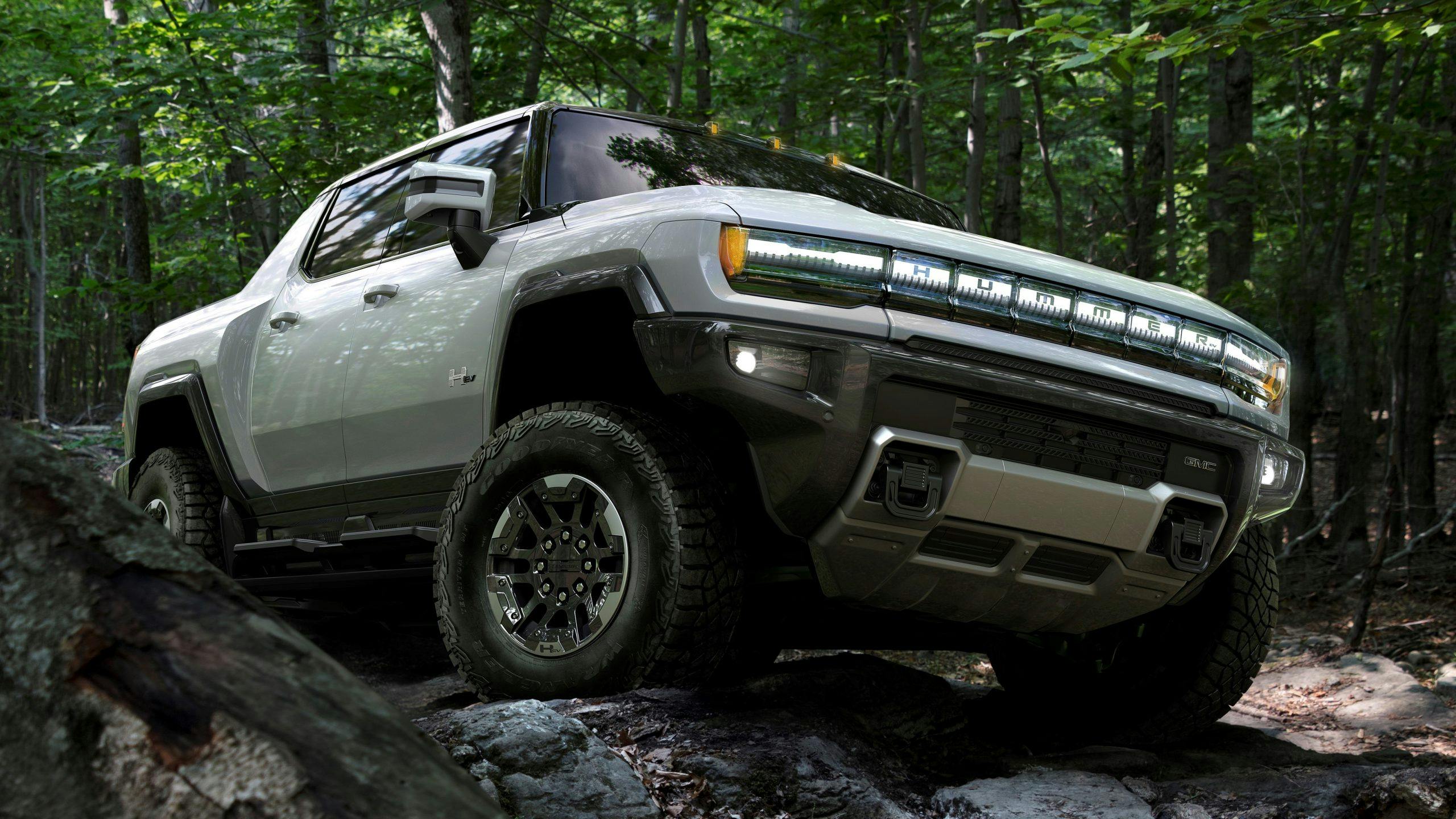
Consider the GMC Hummer EV-class approach to power and durability. Even when it’s not used as an off-road toy, its design language suggests a focus on traction, control, and high-output performance. In a towing context, that matters because stability begins with how the chassis handles motion—especially during starts, slow-speed maneuvers, and corrective steering while the trailer pushes back.
Then there’s the broader category of electric work-ready trucks that prioritize towing practicality: usable interiors, driver assistance that reduces fatigue, and systems designed for predictable energy output. When comparing candidates, look beyond peak torque and consider how the truck performs under sustained load, how it manages heat, and whether its towing software supports confidence rather than guesswork.
If you picture your daily tasks—moving equipment, hauling materials, transporting tools—your best fit is rarely the loudest spec sheet. It’s the truck whose towing behavior you can trust when you’re tired, late, and dealing with the unexpected.
Another useful perspective is to compare multiple models side-by-side for towing-focused criteria. Engineerine-style spec comparisons can help organize the landscape: towing estimates, charging considerations, and practical performance notes that reduce decision friction. Still, treat comparisons as maps—not destinies. Your route, your cargo, and your schedule will decide the winner.

Handling and trailer stability: the overlooked comfort variable
Towing isn’t only mechanical. It’s psychological. When a truck communicates stability—through smooth torque delivery, predictable steering feel, and calm responses during throttle changes—you arrive less stressed. Long sentences of work are easier to endure when the vehicle behaves like a partner, not a wildcard.
Electric trucks can excel here because traction control and torque modulation can be extremely granular. When towing, the truck must juggle weight transfer, tire grip, and aerodynamic forces. A drivetrain that can rapidly adjust output helps prevent sudden surges that can make a trailer feel “alive” in the wrong way.
Driver assistance systems also help, though they should be evaluated for towing scenarios. Stability management, trailer-aware functions (when available), and lane guidance behavior can lower cognitive load—especially at night or on monotonous highways.
Maintenance and downtime: the practical advantage
Traditional towing vehicles can demand routine attention: oil changes, more frequent fluid checks, and wear items tied to combustion cycles. Electric trucks simplify some maintenance tasks. There are fewer moving parts in the drivetrain, and regenerative braking can reduce brake wear—assuming you’re using the system as intended.
Yet “less maintenance” doesn’t mean “no maintenance.” Tires, suspension components, brake inspections, and cooling system checks still matter. The best viewpoint is balance: electric trucks can lower certain forms of downtime, but work schedules still require proactive service.
Real work scenarios where electric towing shines
Electric trucks can be particularly compelling when your work includes frequent start-stop driving, short towing legs, or recurring site visits. The energy recovery from deceleration becomes meaningful in stop-and-go conditions.
They also shine in urban-edge environments where jobsites are close to charging options. If you can plug in after unloading, you turn energy replenishment into a natural part of your day.
And there’s a less obvious scenario: demanding hills with steady towing. Electric torque availability can feel composed on climbs. Paired with robust thermal management, that composure can translate into sustained performance without the dramatic fluctuations some expect from heavy-duty electric hauling.
Choosing the right 2025 electric truck for your towing needs
Start with your heaviest trailer weight and the typical conditions you face: terrain, average speeds, and wind exposure. Then verify that the truck’s towing rating aligns with your payload and tongue weight configuration. Confirm hitch compatibility and ensure trailer brake requirements are met.
Next, consider your charging reality. If you have home or depot charging, evaluate charging times based on your daily schedule. If you rely on public fast charging, look at route availability and the likelihood of high-power access during your work hours.
Finally, prioritize driver confidence. Test the truck with the kinds of maneuvers you actually do—backing up at low speed, pulling away smoothly, and managing hills. The “best” truck is the one you can operate effectively under pressure.
Conclusion: why the fascination is rational
Electric trucks for towing and work aren’t merely a futuristic idea—they’re a practical evolution driven by torque control, regenerative energy management, and increasingly mature thermal systems. The fascination grows because the driving experience changes in ways that matter: smoother pulls, less brake wear, and a more stable energy rhythm.
So when you evaluate the best 2025 electric trucks for towing & work, don’t focus only on who has the highest number. Focus on who offers predictable performance, charging compatibility, and trailer stability you can trust when the day tightens. That’s where electric capability stops being a headline and becomes a dependable tool.