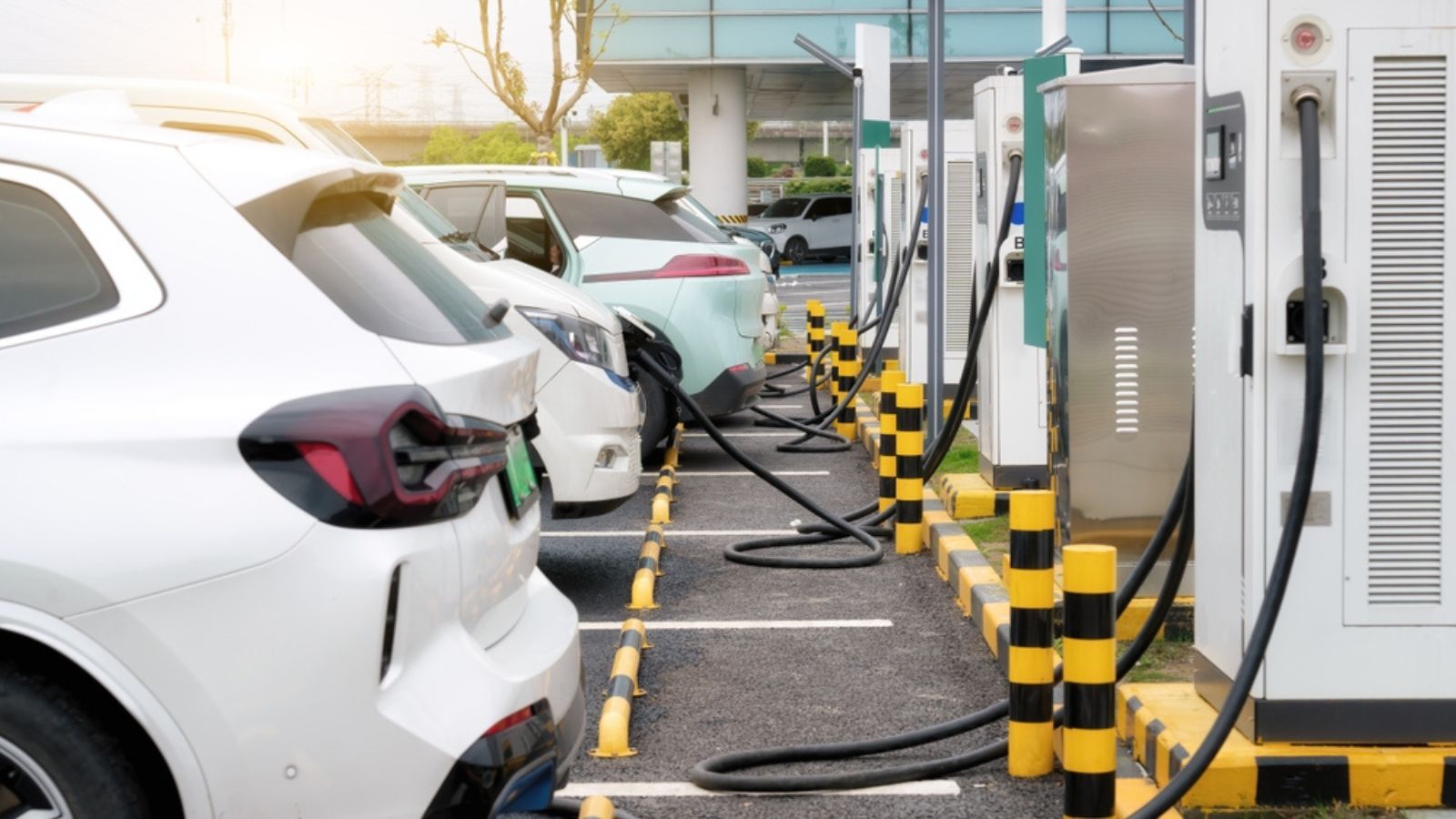
Picture this: you pull into an EV charging bay, cable in hand, badge glowing with quiet confidence. Everything seems straightforward—until you notice the tiny details that seasoned drivers treat like choreography. The connector hums. The screen flickers. Someone glances at the space you’re occupying, and you realize you’re not just plugging in—you’re joining a shared ritual.
Here’s a playful question to test your readiness: What would you do if your charging session suddenly turned into a parking-lot spectator sport? That “could happen” moment is the exact challenge this guide helps you navigate. As a new EV owner, you’ll want your energy replenishment to be efficient, considerate, and drama-free—because charging stations are community infrastructure, not just convenient appliances.
Below is a thorough etiquette-and-tips roadmap, designed for real-world situations. Some rules are formal. Others are unwritten, but everyone feels them when they’re ignored.
Arrive with Intent: Treat Every Bay Like a Limited Resource
Charging bays have a rhythm. People need uptime, not delays. When you arrive, take a breath and consider the stakes: your vehicle may be the next person’s only option, especially during peak hours. The courteous move is to plan before you roll in.
Arrive with your vehicle ready to charge—proper login app accounts, payment methods verified, and (where applicable) your preferred adapter already sorted. If your car requires a specific connector type, confirm it before you commit your spot. Short stops can become long detours if a cable mismatch forces a restart.
Also watch your timing. If you’re just “testing” compatibility or warming settings, do it elsewhere. In the charging lane, you’re expected to start your session as promptly as circumstances allow.
Choose the Right Connector and Don’t Guess
New owners sometimes fall into the harmless-sounding trap of “I’ll try it and see.” Charging systems are less forgiving. Connector types, power ratings, and station capabilities vary, and guessing can create friction for everyone behind you.
Before plugging in, confirm that the connector matches your vehicle’s charging port expectations. If your car supports both AC and DC charging, follow posted signage. If a station offers different power levels, aim for the one that aligns with your vehicle’s realistic charging curve. That’s not just efficiency—it’s etiquette, too.
And if the station seems incompatible or you suspect an issue, step back. Don’t occupy the bay while you troubleshoot endlessly. A quick check of your car settings and the station display can prevent a prolonged pause that other drivers will interpret as neglect.
Be Mindful While Plugging In: Slow Hands, Fast Flow
Plugging in should be precise. Cable handling isn’t about speed; it’s about care and predictability. Avoid yanking or letting a connector swing. Keep the cable from pulling against the car port or the station housing.
Long cable runs can be heavy and awkward. The polite technique is to guide the cable like you’re preventing a small, invisible accident. Coil it properly afterward. If the station provides a cable management hook or lane, use it. The goal is to keep your station area clean and obstacle-free.
There’s another subtle etiquette layer here: respect the floor markings. Some stations have designated paths for access and egress. Stay inside those boundaries while you plug in and while you retrieve the cable when leaving.
Understand How Charging Starts (and Avoid “Ghost Sessions”)
Charging etiquette includes digital behavior. Many stations require an app, card tap, QR code scan, or session selection. If your session doesn’t start immediately, don’t panic—but also don’t assume “it’ll work eventually” while other drivers wait.
Verify the session state on the station screen or in your charging app. Confirm that the correct outlet has been selected. If there’s an error, resolve it with patience and clarity. If you can’t resolve it quickly, it’s kinder to stop the attempt and free the bay than to linger in a stalled state.
Consider this potential challenge: you might start charging successfully, walk away, then discover your session ended earlier than expected. Meanwhile, the next driver arrives expecting you’re still connected. The best antidote is a periodic check—especially for new setups—until you learn the station’s patterns.

During Your Session: Minimize Occupancy and Noise
Here’s where courtesy becomes a quiet superpower. While your car is charging, keep your presence considerate. Don’t block adjacent access points. Avoid leaving the cable draped in ways that interfere with other drivers’ maneuvering.
Noise and comfort matter, too. Charging can attract attention. People sometimes sit nearby, take calls, or wait in their vehicles. If you have meetings to attend, keep volume low and avoid idling extended engine noise from non-EV systems (where applicable). Your car is already doing the work. Let the environment stay calm.
Also pay attention to whether your vehicle is occupying a space with additional restrictions. Some stations allow certain vehicles or require time limits. When in doubt, follow signage like it’s written into the etiquette code of the place.
When You’re Done: Leave Immediately and Keep the Bay Usable
The most important etiquette rule is simple: finish with alacrity. Once your battery reaches your desired level, disengage promptly. Charging etiquette isn’t only about starting well—it’s also about exiting generously.
Many chargers are shared resources, and the person behind you may be watching the station availability in real time. If you’re still finishing a meal, scrolling through notifications, or waiting for “just one more minute,” you’re likely overstaying.
Disconnect correctly. Remove the connector only after the session ends. Use steady motion, avoid yanking, and stow the cable safely. If your vehicle supports automatic unlocks or session termination, follow the workflow your car provides. Don’t improvise disconnections that might leave the station in a confused state for the next driver.
Plan Your Charge Strategy: Etiquette Starts Before You Arrive
A new EV owner often overestimates how long they truly need. You can reduce station occupancy—and reduce stress—by charging intentionally.
Set your target level based on your immediate next route. If you’re only going a short distance, charging to a higher percentage than necessary can turn a quick top-up into a long wait for others. Charging is not a “set it and forget it” lifestyle everywhere. It’s a situational craft.
Also learn your vehicle’s charging curve. Many EVs charge fastest at lower to mid states of charge and slow significantly as you approach higher percentages. If you routinely charge to the maximum, you’ll likely occupy valuable time while others are trying to benefit from the faster windows.
Payment, Receipts, and Billing: Keep It Clean
Payment etiquette is about transparency and accuracy. Confirm the session details before walking away. If the station supports receipts or email confirmation, verify it’s correct. If there’s a dispute, address it promptly through the station’s support channels rather than leaving uncertainty behind.
Don’t hand off payment responsibility to other drivers or assume the system will “figure it out.” If you use an account or card, ensure your session is tied to your identity. It protects everyone, including you, from billing confusion.
Respect Accessibility and Special Rules
Some stations have designations: accessible parking access, reserved bays, or zones requiring specific usage. Etiquette means reading. If a bay is labeled for certain vehicles or includes accessibility guidance, treat it as non-negotiable.
If you’re unsure about restrictions, observe how others behave—but also verify. Better to ask or check signage than to gamble. Charging stations are public infrastructure. Your respect for special rules communicates reliability.
Use Common Sense in Edge Cases: What If Something Goes Wrong?
Edge cases are where etiquette becomes identity. Suppose another driver unplugged early. Suppose the connector won’t seat. Suppose your app fails mid-session. In all these moments, avoid blame. Troubleshooting should be orderly and safe.
If the station is malfunctioning, report it with concise details: location, charger ID, timestamps, and what you observed. If another driver seems to be stuck, you can offer help—carefully and only if it’s safe and welcome. Don’t touch their vehicle or connector without clear permission.
And remember: it’s okay to walk away and seek assistance rather than escalating the situation. Courtesy includes knowing when to stop wrestling the machine and start resolving the problem.
Adopt the Mindset: You’re Part of a Charging Community
When you practice good etiquette, you reduce friction for everyone. You help the next driver arrive with confidence instead of anxiety. You make the space function as intended: a dependable gateway to mobility.
Consider your own station behavior as a small promise to future strangers. Leave the bay clean. Disconnect promptly. Handle cables carefully. Respect signage. Confirm your session. These actions are not merely “good manners.” They’re operational kindness.
Closing Thought: Your First Season, Your Best Habits
So—back to the playful question. If your charging session became a spectator sport, would you know how to keep things graceful? With the right planning, respectful timing, and clear session awareness, you’ll be the kind of driver others hope shows up next.
Charging stations will feel less mysterious with each visit. Soon, you’ll move with the calm competence of someone who understands both the technology and the human rhythm behind it. Drive kindly, charge thoughtfully, and let every stop be a small triumph of shared progress.