The 2026 Toyota Land Cruiser isn’t just another SUV—it’s a rolling testament to endurance, a rolling museum of automotive history, and a rolling promise that some machines refuse to die. It’s the kind of vehicle that doesn’t just traverse landscapes; it conquers them with the quiet authority of a seasoned explorer who’s seen more than most. When you slide behind the wheel, you’re not just driving a car—you’re stepping into a legacy that stretches back to the rugged trails of the 1950s. And yet, despite its storied past, the 2026 model feels anything but antiquated. In fact, it feels like it’s been waiting for this moment all along.
There’s a common observation that modern SUVs have traded soul for polish, that they’ve become too soft, too sanitized, too eager to please the algorithm of urban convenience. But the Land Cruiser? It doesn’t care about algorithms. It doesn’t care about Instagram likes or the fleeting trends of the day. What it cares about is the road—or lack thereof—and the unspoken pact between man and machine to keep moving forward, no matter what stands in the way. That’s the fascination. That’s the magic. And after my first drive, I’m convinced this isn’t just a relic with a new coat of paint. It’s a statement.
The Exterior: A Sculpture of Resilience

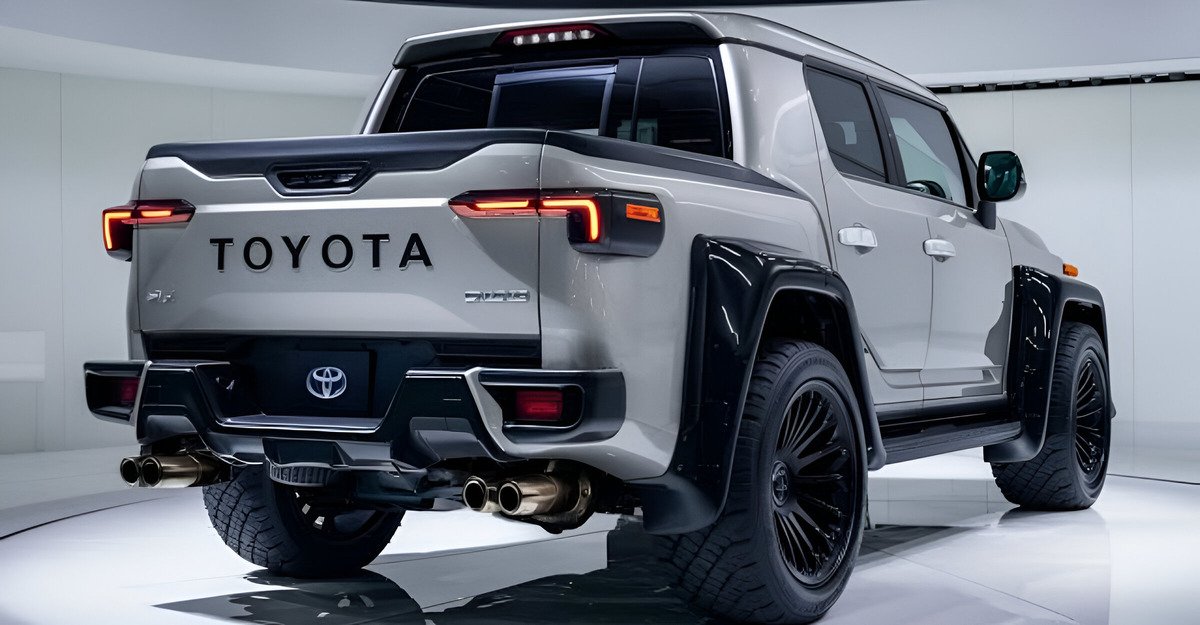
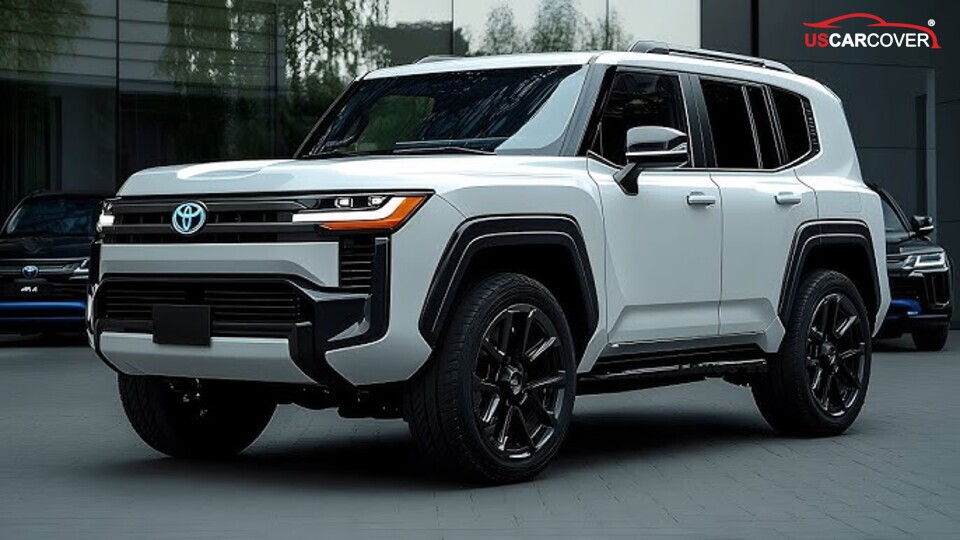
The Land Cruiser’s silhouette is unmistakable—like the profile of a mountain range rendered in steel and glass. The 2026 model retains the iconic boxy silhouette that’s been its hallmark for decades, but with a subtle evolution that speaks to Toyota’s commitment to blending heritage with modernity. The front grille, now more pronounced with a honeycomb pattern, isn’t just for show; it’s a declaration of intent. This isn’t a vehicle designed to blend into suburban driveways. It’s built to dominate them.
What’s striking isn’t just the size—though at nearly two tons, it’s no lightweight—but the way it carries itself. The Land Cruiser doesn’t posture. It doesn’t need to. Every crease, every bulge, every angular panel is a testament to function first. The flared wheel arches hint at the suspension travel beneath, while the sculpted hood channels airflow with the precision of a wind tunnel-tested prototype. Even the side mirrors, now more aerodynamic, seem to whisper of the crosswinds and dust storms they’ve weathered in their time.
And then there’s the paint. Not just any paint, but a multi-layered ceramic finish that resists the sun’s relentless gaze and the scratches of errant branches. It’s the kind of finish that makes you wonder if the Land Cruiser was designed by alchemists who understood that a vehicle’s first impression should be as enduring as the journeys it undertakes.
The Interior: Where Rugged Meets Refined
Step inside, and the contrast is immediate. The exterior is all brute strength and angular defiance, but the interior is a sanctuary of understated luxury. The cabin is vast, with seating for up to eight (in available configurations), and every surface feels like it was carved from a single block of oak and aluminum. The dashboard, wrapped in soft-touch materials, curves gently toward the driver, as if cradling them in a gesture of quiet reassurance.
What’s most surprising isn’t the opulence—though the available leather-trimmed seats, ventilated and heated, are a far cry from the vinyl benches of yesteryear—but the way Toyota has managed to infuse modernity without sacrificing the Land Cruiser’s soul. The digital instrument cluster is crisp and responsive, the infotainment system intuitive, and the available 12.3-inch touchscreen floats effortlessly above the center console, as if it’s too refined for the rough-and-tumble world outside. Yet, there’s a physical button for everything you need in a crisis. No hunting through menus when the trail turns to mud. No reliance on voice commands that fail in the howling wind. Just tactile, immediate control.
The real magic, though, lies in the details. The cupholders are deep enough to cradle a thermos of coffee without tipping. The door pockets are large enough to stash a rolled-up map or a pair of work gloves. The rear seats slide and recline, offering a level of comfort that belies the vehicle’s off-road pedigree. And the panoramic sunroof? It’s not just a feature; it’s an invitation to gaze upward at the stars while the world moves beneath you.
The Powertrain: A Symphony of Power and Silence
Under the hood—or, more accurately, beneath the floor—the 2026 Land Cruiser houses a powertrain that’s as much about refinement as it is about raw capability. The heart of the beast is a twin-turbocharged 3.3-liter V6 diesel engine, a powerplant that’s been tuned to deliver 309 horsepower and a staggering 503 lb-ft of torque. That’s enough to tow up to 9,300 pounds when properly equipped, a figure that puts it in the same league as some heavy-duty trucks.
But here’s the thing: you’d never know it’s working that hard. The engine is whisper-quiet at cruising speeds, its exhaust note a muted growl that’s more a suggestion than a roar. It’s the kind of power that doesn’t announce itself but instead waits patiently for the moment you need it—whether that’s merging onto a highway or clawing your way up a steep, rocky incline. The eight-speed automatic transmission shifts with the smoothness of a luxury sedan, yet it’s robust enough to handle the punishment of a full-throttle descent without so much as a hiccup.
What’s equally impressive is the Land Cruiser’s adaptive suspension system. On pavement, it’s supple and composed, absorbing bumps with the grace of a limousine. Off-road, it transforms into a beast of burden, lifting the wheels to clear obstacles and adjusting damping in real-time to keep the cabin as level as a ship in calm waters. It’s a duality that few vehicles can pull off, and the Land Cruiser does it with the effortless confidence of a seasoned sailor reading the wind.
On the Road: A Dual Personality
Driving the 2026 Land Cruiser is like being handed two different vehicles in one. On the highway, it’s a serene, almost meditative experience. The cabin is so well-insulated that the only sounds are the hum of the tires on asphalt and the occasional whisper of the wind. The steering is precise, the body roll minimal, and the adaptive cruise control keeps pace with traffic as if it’s reading your mind. It’s the kind of ride that makes you want to set the cruise control and let the miles melt away.
But then, you take a turn onto a dirt road, and everything changes. The Land Cruiser awakens. The suspension firms up. The throttle response sharpens. The all-terrain tires dig in, and suddenly, you’re not just driving—you’re exploring. The vehicle’s approach and departure angles are generous, the ground clearance is ample, and the available multi-terrain select system lets you dial in settings for sand, rock, mud, or snow. It’s as if the Land Cruiser has two modes: one for the paved world, where it blends in effortlessly, and another for the wild, where it asserts its dominance.
What’s fascinating isn’t just the Land Cruiser’s ability to handle rough terrain—it’s the way it makes you feel. There’s a psychological comfort in knowing that no matter how bad the conditions get, the vehicle won’t let you down. It’s the kind of confidence that turns a nervous passenger into an eager co-pilot, leaning forward in their seat as the Land Cruiser tackles a rocky climb with the ease of a mountain goat.
The Deeper Fascination: Why the Land Cruiser Endures
The Land Cruiser’s enduring appeal isn’t just about capability. It’s about philosophy. In a world where vehicles are increasingly disposable, where trends shift with the seasons, and where even the most rugged SUVs are designed with one eye on the showroom and the other on the algorithm, the Land Cruiser remains steadfast. It’s a vehicle that refuses to be redefined by the whims of the market. Instead, it redefines the market by its sheer presence.
There’s a quiet rebellion in that. A statement that some things are worth preserving, worth investing in, worth passing down. The Land Cruiser isn’t just a car; it’s a rolling piece of history, a testament to the idea that greatness isn’t measured in horsepower or zero-to-sixty times, but in the miles it can cover and the lives it can touch along the way.
It’s also a vehicle that understands its audience. The Land Cruiser isn’t for everyone. It’s for the explorer, the overlander, the weekend warrior who sees the world as a place to be conquered rather than consumed. It’s for the parent who wants a vehicle that can handle both the soccer field and the backcountry trail. It’s for the retiree who wants to spend their golden years chasing horizons instead of sitting on a porch. The Land Cruiser doesn’t just cater to these people—it celebrates them.
The 2026 Toyota Land Cruiser isn’t just a new model. It’s a promise. A promise that the spirit of adventure isn’t dead. That the road less traveled still calls to those who are willing to listen. That some machines are built to last not because they’re indestructible, but because they’re irreplaceable. And when you finally park it after a long day of driving, you’ll understand why the Land Cruiser has earned its place in the pantheon of automotive legends. It’s not just a vehicle. It’s a companion. A confidant. A legend in the making.