The 2026 Nissan Leaf arrives with the kind of confidence that doesn’t shout—it smirks. After all, the Leaf nameplate has been orbiting the idea of practical electrification for years, and skeptics have long asked the same question in different costumes: Is a hatchback EV still relevant when the market is crowded with fresh faces, bigger batteries, and flashier specs?
Here’s the twist. Relevance isn’t only a matter of range spreadsheets or acceleration bragging rights. It’s about whether a car fits a life that’s evolving. The 2026 Leaf aims to nudge your perspective—shifting the narrative from “quirky commuter” to “coherent daily instrument.” And once you start looking at it that way, the conversation changes.
So buckle up (quietly, of course) and take a slow, curious walk through what the 2026 Nissan Leaf really promises.
A Familiar Shape, Reimagined Intent
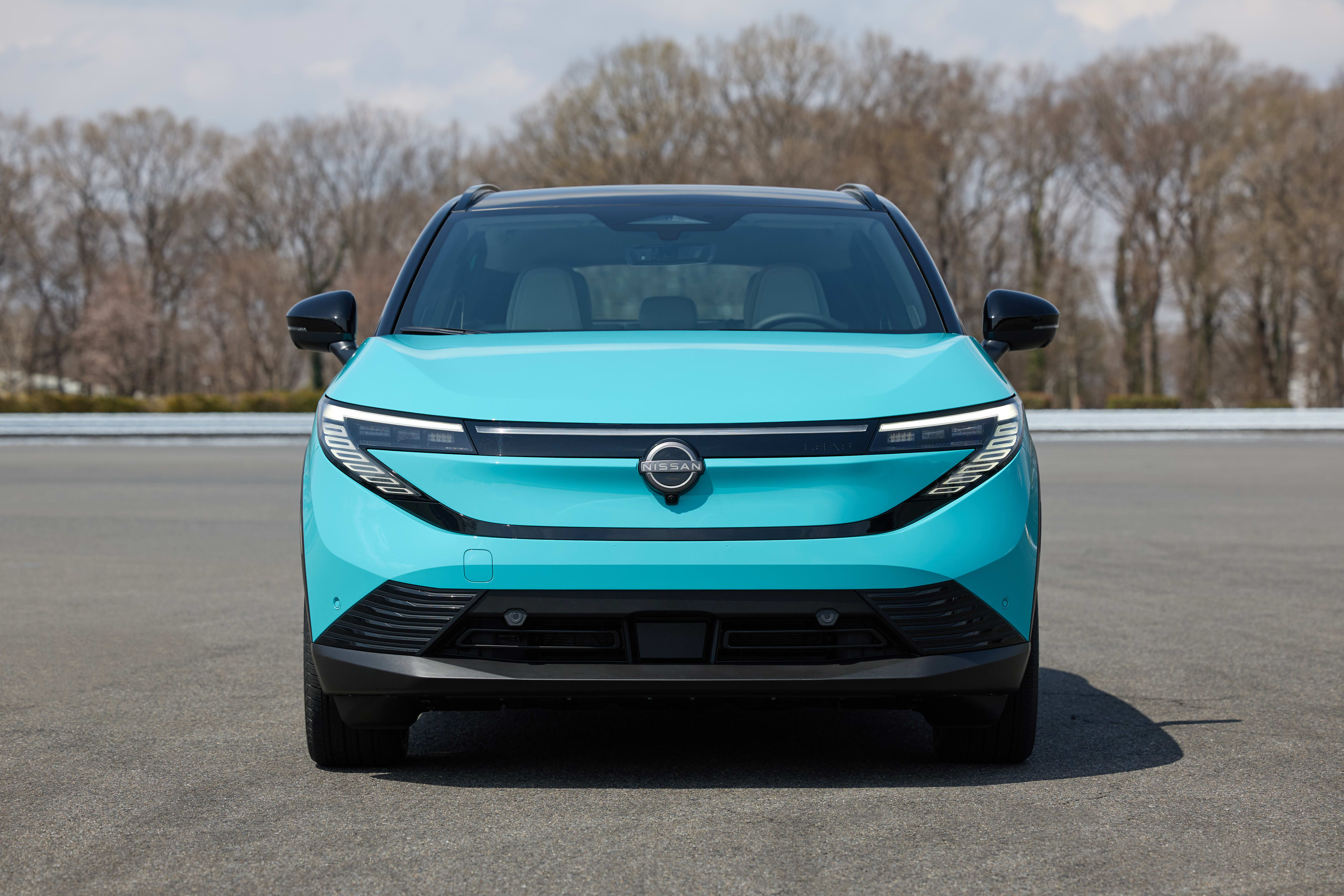
At first glance, the Leaf’s hatchback silhouette looks comfortably known, the kind of design that belongs to errands, school drop-offs, and spontaneous coffee runs. Yet there’s an undercurrent of refinement. This isn’t a wholesale reinvention designed to confuse the loyal. Instead, it reads like a deliberate adjustment—subtle aerodynamic decisions, a cleaner visual stance, and lighting that feels more purposeful than merely decorative.
There’s something almost theatrical about how the Leaf communicates “I’m ready” without looking like it’s trying too hard. The body lines don’t demand attention; they earn it. And that matters, because cars that feel usable often become the ones you reach for first.
Electric Power Without The Performance Theater
Electric vehicles can make people talk about power in a way that sounds like a sporting event. But the Leaf’s appeal is less about theatricality and more about composure. The instant torque characteristic of EVs is still there, of course—smooth, immediate response that turns stoplights into opportunities rather than interruptions.
Instead of chasing ego metrics, the 2026 Leaf leans into a different kind of thrill: the sensation of calm propulsion. The kind where the car moves with confidence while your day stays uninterrupted. Short bursts of speed feel natural. Parking feels effortless. And highway cruising remains steady, more “automated ease” than “constant exertion.”
That shift in emphasis is refreshing. It suggests Nissan is designing for real-world rhythms rather than the loudest test-track moments.
The Battery Question: Range As A Lifestyle Metric
In conversations about EVs, range often becomes a tyrant. Numbers dominate the discussion, and suddenly a car is evaluated like a calculator. The 2026 Nissan Leaf challenges that framing. Range still matters—but it also needs context.
For many drivers, the daily commute is the main act, and charging becomes the supporting storyline. If your routes are predictable, home charging turns the battery into a convenient reservoir. If your days are varied, thoughtful planning and charging access can reduce range anxiety to a manageable ritual.
And this is where perspective shifts again: the Leaf doesn’t just ask, “How far can you go?” It asks, “How often do you actually need to go far?” In daily use, the answer is usually simpler than the internet makes it sound.
Charging Reality: The Myth Of The Difficult EV
EV adoption often stalls on imagined friction—cables, complicated schedules, and the fear of being stranded somewhere awkward. Yet the most transformative benefit of the EV lifestyle is not the technology itself. It’s the routine.
The 2026 Leaf’s position in the market makes sense for drivers who want a civilized charging experience. Home charging remains the easiest pathway, and public charging can fill in the gaps when life gets spontaneous. The key isn’t perfect perfection; it’s reliability you can count on.
Think of charging like grocery shopping. You don’t need a new philosophy every time you fill the fridge—you just need a system that works. Once that system clicks, the EV becomes less of an experiment and more of a default setting.
Interior: An Unexpected Sense Of Ease
Open the hatch and step inside, and you’ll feel the Leaf’s design philosophy in your bones. The cabin doesn’t try to dazzle with gimmicks. Instead, it aims for an intuitive layout—controls that feel where your hands expect them, seating that supports long days, and a general atmosphere of “this is here to help.”
Materials, ergonomics, and visibility all play their roles. The goal is to make driving feel less like negotiating with a machine and more like collaborating with it. That’s not a small thing. It’s the kind of comfort that becomes noticeable only after you stop thinking about it.
In a world full of tech that overwhelms, the Leaf’s calm demeanor stands out. It’s practical without being dull, modern without being chaotic.
Infotainment And Driver Experience: Clarity Over Complexity
Modern vehicles are increasingly defined by screens. But screens can either simplify or complicate. The 2026 Leaf’s approach suggests an intention to keep information readable and actions straightforward.
Navigation, energy readouts, and driver settings should feel like tools, not puzzles. When the interface is coherent, the driver stays in charge—aware of range, charging, and route constraints without falling into a digital labyrinth.
That’s the kind of design that feels invisible when it’s working well. And when it’s working well, it makes you trust the car more.
Practicality: The Hatchback Advantage Reasserts Itself
In the EV world, hatchbacks sometimes get treated like a compromise. But the Leaf’s practicality argues the opposite. A hatchback shape is naturally aligned with real life: groceries, luggage, sports gear, and those unpredictable moments when you suddenly need “just a bit more” space.
Fold seats and you gain flexibility. Everyday items slide into place. The vehicle’s utility becomes a quiet superpower.
Even the way the Leaf handles visibility and maneuvering supports urban living. It’s the kind of car that can slip through tight spaces without turning parking into a test of humility.
Ride, Handling, And Daily Comfort
Not every EV feels the same on uneven roads or during long, stop-and-go days. The 2026 Leaf is positioned to prioritize ride comfort and predictable behavior. Steering response feels measured. The suspension works to absorb imperfections without turning every pothole into a headline.
It’s not built for aggressive driving fantasies. It’s built for consistency. And for many people, consistency is the real luxury—especially when you spend hours behind the wheel.
Why The Leaf Still Matters In 2026
The EV market doesn’t stand still, and competition is fiercer than ever. Some newcomers offer bigger claims. Others chase novelty. Yet relevance is not about being the most extreme. It’s about being the most fitting.
The 2026 Nissan Leaf appears to understand that electrification is not a tech trend anymore—it’s a shift in daily behavior. The car’s mission feels aimed at helping drivers adopt a new norm without feeling punished by it. That “ease-first” philosophy is the real differentiator.
In other words, the Leaf remains relevant because it refuses to become a caricature of what an EV should be. It stays a hatchback—still approachable, still useful—and that makes it easier to embrace the future.
Final Thoughts: A Different Kind Of Modern
The most compelling story behind the 2026 Nissan Leaf isn’t its badge or its category. It’s the way it reframes the EV conversation. Instead of asking you to admire electricity from a distance, it invites you to live with it—commute with it, plan around it, and forget about it in the best possible way.
The question “Is a hatchback EV still relevant?” deserves a more human answer. Yes—because the Leaf isn’t just trying to be new. It’s trying to be right for the routines that actually fill your calendar.
And once your perspective shifts, the Leaf stops looking like a compromise. It starts looking like a sensible continuation.