The Mercedes-Benz S-Class has always lived in a rarefied atmosphere—one where comfort isn’t simply a feature, but a governing principle. For many drivers, the lingering question is surprisingly simple: has the magic faded, or does the current S-Class still rule the luxury kingdom? In 2026, the answer isn’t delivered with fireworks. It arrives like a slow exhale: refined, deliberate, and a little hypnotic. The car continues to feel engineered rather than assembled, tuned rather than merely updated. Yet there’s also a common observation that keeps resurfacing in conversation—“It’s just another S-Class. Why should it matter anymore?” That critique has a kernel of truth. Luxury benchmarks don’t change overnight. But fascination does not always require revolution. Sometimes it grows from persistence, from the quiet perfection of fundamentals, and from the deeper reasons people keep returning to the same throne.
Consider how the S-Class approaches luxury. It doesn’t chase novelty for its own sake. Instead, it builds an atmosphere so consistent that it becomes a baseline for the senses. Once you’ve experienced that baseline, stepping into something else feels like noticing the seams in a tailored suit. In 2026, the S-Class still supplies that sensation—still turning everyday driving into an exercise in composure. The king remains in place, even if the crown has been subtly polished.

Design: Familiar Profile, Sharper Intent
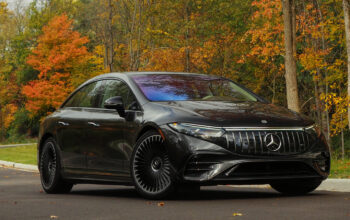
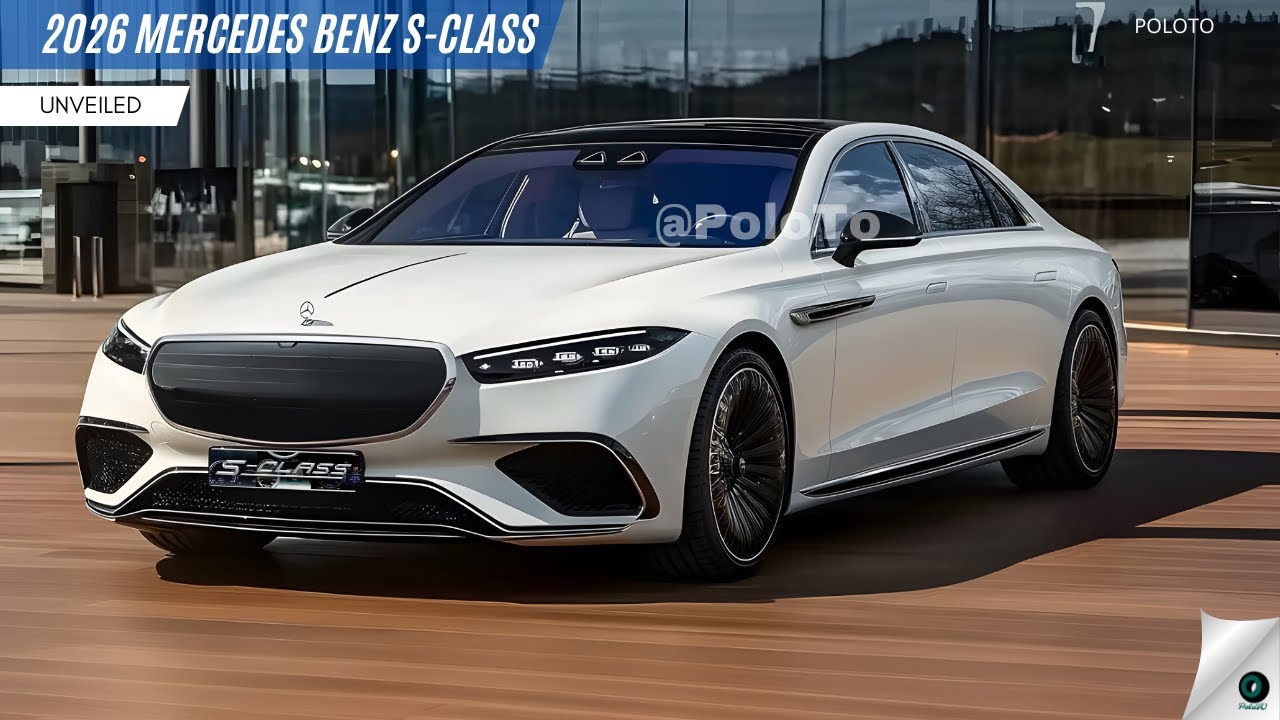
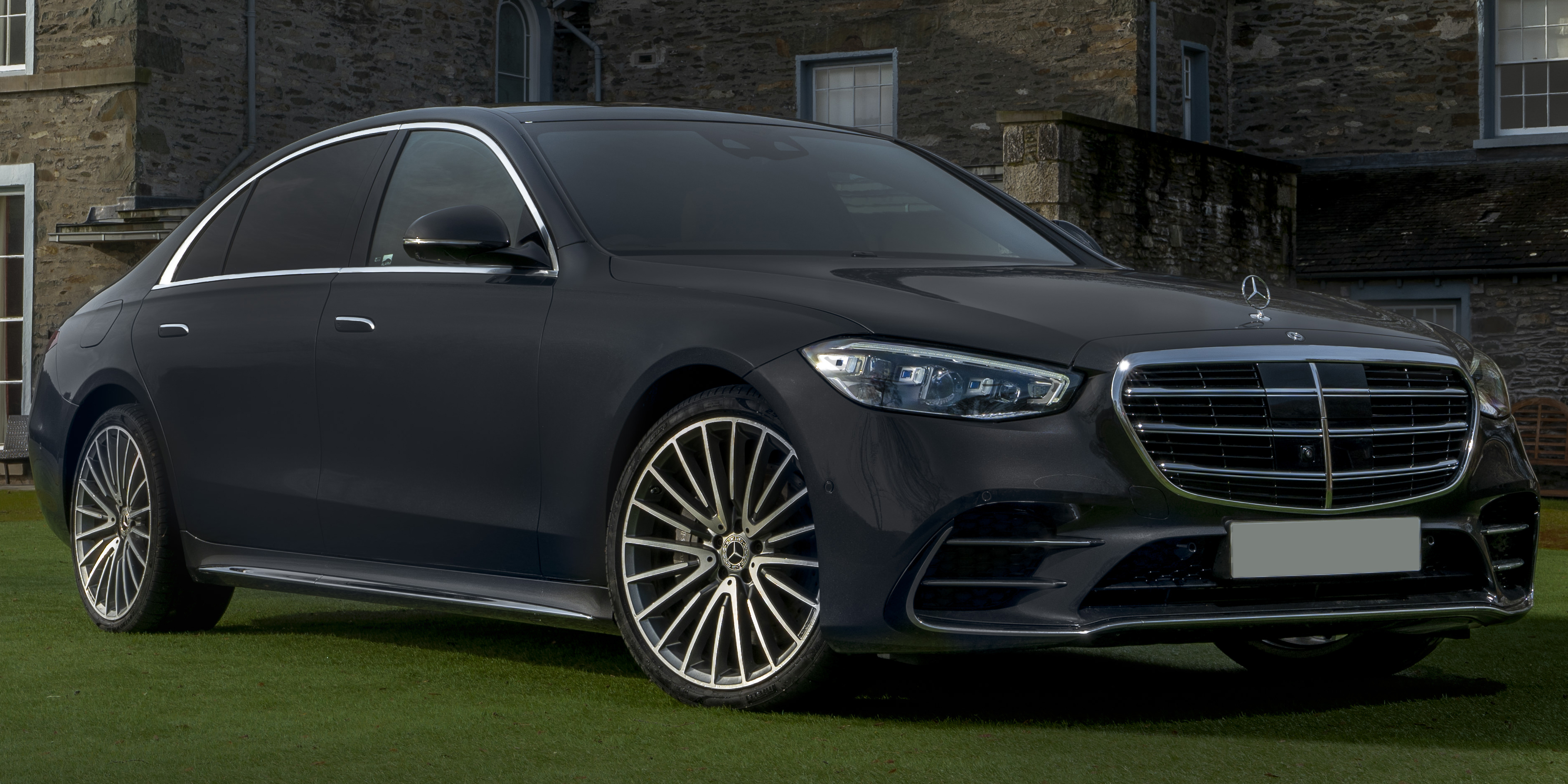
From a distance, the 2026 S-Class looks unmistakably like an S-Class. That’s the point, and also the reason skeptics call it “stagnant.” The front end remains poised, the silhouette remains dignified, and the overall presence is less about drama and more about authority. But a closer look reveals that the design evolution is measured rather than loud.
Newer details refine the car’s visual cadence—how light skims across body lines, how the grille frames the stance, how the proportions settle into the road at speed. This is the kind of design work that rewards attention. It’s not “look at me” styling. It’s the aesthetic equivalent of a well-rehearsed orchestra: every note is placed with intention, and the result is a calm sense of inevitability.
In a luxury segment where many rivals chase novelty, the S-Class chooses continuity—then uses precision to keep that continuity from becoming complacency. The deeper fascination lies here: the S-Class doesn’t just present a form; it preserves a philosophy.
Cabin Comfort: The Art of Silence
Luxury is often described in adjectives—premium, lavish, sumptuous. Those words are correct, but incomplete. The most meaningful aspect of the S-Class cabin is how it behaves around you. It mutes the chaotic world outside. Wind noise arrives later. Road texture becomes softer, less intrusive. Even at higher speeds, the interior feels unusually buffered, like the car has installed a private weather system for your comfort.
The 2026 S-Class continues to treat comfort as a system. Seat geometry supports posture without forcing it. Materials feel tactile and reassuring, not plasticky or performative. Surfaces invite contact with the same ease as a favorite coat—smooth where it should be smooth, textured where it should help you settle.
Then there’s climate control, which doesn’t just regulate temperature. It manages human perception—reducing drafts, smoothing airflow, and minimizing the annoying thermal ping-pong that plagues lesser cabins. The result is a kind of ambient trust. You stop thinking about the environment and start thinking about the destination, or the conversation, or the quiet.
Ride Quality: When “Smooth” Becomes a Discipline
People often equate luxury with softness. The S-Class takes that idea further. It doesn’t only soften impacts; it controls how those impacts are transmitted. Small imperfections disappear as if they were never there, while larger disturbances are absorbed without the unsettling bounce that can make even expensive cars feel restless.
In 2026, the suspension continues to demonstrate that ride quality isn’t a single setting—it’s a choreography of compliance. The car negotiates expansion joints, uneven pavement, and city potholes with a steady hand. Short wheelbase bumps feel less like jolts and more like muted taps. Long stretches of uneven road become a gentle drift.
This is where the “it’s still the same” observation falls short. The S-Class evolves in subtle tuning increments. It refines the boundary between motion and stillness. The fascination comes from that refinement: the longer you drive it, the more your body learns its language.
Powertrains and Performance: Effortless, Not Reckless
Performance in the S-Class isn’t about intimidating acceleration. It’s about readiness—mechanical willingness that arrives instantly when you request it, then withdraws into restraint when you don’t. The 2026 model continues to deliver that characteristic Mercedes balance: smooth power delivery, confident response, and a sense that the car is always prepared.
Even when the S-Class isn’t being pushed, it doesn’t feel idle. It feels composed. Throttle response and transmission behavior are calibrated to create forward motion without emotional whiplash. That calmness matters, especially for drivers who want luxury to feel like stability rather than indulgence.
What’s more, the S-Class is designed to make you forget about the machinery. Engine acoustics are managed; drivetrain harshness is minimized. The car’s performance feels like a private conversation between technology and traction, not a public spectacle.
Technology and User Experience: Luxury as Intuition
Modern luxury is saturated with screens, menus, and voice commands. But the S-Class tends to treat technology like a butler: present when needed, unobtrusive when not. In 2026, the interface remains oriented toward clarity. It aims to reduce cognitive load while increasing situational awareness.
Navigation, driver assistance, and connectivity are integrated with an emphasis on usability. The system doesn’t merely display information—it arranges it in a way that feels legible at a glance. That’s a subtle achievement. Many tech-heavy cabins look futuristic but feel mentally busy. The S-Class tries to keep the driver’s mind calm.
There’s also an important psychological layer. People don’t love luxury because it’s complicated. They love it because it makes life feel smoother. When the user experience is intuitive, luxury becomes a quiet kind of empowerment.
Safety and Driver Assistance: Confidence Through Restraint
Safety systems can either feel intrusive or quietly competent. The S-Class has historically leaned toward the latter. In 2026, driver assistance features continue to help without overwhelming, monitoring traffic, lane boundaries, and distance with a measured approach.
It’s not only about avoiding accidents. It’s about reducing fatigue. In stop-and-go traffic, in long highway stretches, and in unpredictable urban flow, the car’s ability to take some burden off the driver becomes a form of comfort.
The deeper reason for fascination is how safety integrates with the S-Class identity. The car still feels like it’s driving with you, not instead of you. That difference changes everything—especially for seasoned drivers who value control while appreciating support.
Interior Craftsmanship: The Quiet Flex of Materials
Luxury is often judged by what you see, but the S-Class persuades you through what you feel. Fit and finish remain tight. Stitching lines look purposeful, not decorative. Surfaces are chosen for durability and sensory appeal.
The cabin’s overall design respects proportions. It avoids clutter. Controls are placed so that reaching for them feels natural, almost effortless. Even the way the doors close communicates confidence—one of those small mechanical rituals that makes ownership feel grounded.
This is where the “same old S-Class” comment can become unfair. The concept remains, yes. But the craft is continually refined. Luxury isn’t frozen; it’s maintained at a high temperature so it never turns dull.
Who It’s For: The Luxury Driver Who Doesn’t Need to Prove Anything
The 2026 S-Class suits people who don’t chase hype. It’s for drivers who want a vehicle to disappear beneath their life rather than dominate it. Commuters who value stress reduction will feel the payoff quickly. Long-distance travelers will notice how the cabin sustains attention and comfort across time.
It’s also for those who understand that true luxury isn’t always about being different. Sometimes it’s about being consistent—delivering excellence in ways that remain reliable session after session.
So, Is It Still the King of Luxury?
Yes, but not for the reasons the loudest critics might expect. The S-Class isn’t conquering the market by reinventing itself every year. It’s conquering it by refining the experience that already made it legendary. Comfort stays disciplined. Technology stays intuitive. Performance stays composed. And the cabin continues to provide one rare commodity in modern life: calm.
The common observation that the S-Class is “just another iteration” overlooks the deeper truth. The fascination with the S-Class isn’t tied only to novelty. It’s tied to mastery—the quiet competence that makes the everyday feel exceptional. In 2026, the Mercedes-Benz S-Class remains the king not because it shouts, but because it consistently performs the art of luxury with unwavering poise.
Drive it, and you’ll understand. The crown isn’t loud. It’s settled.