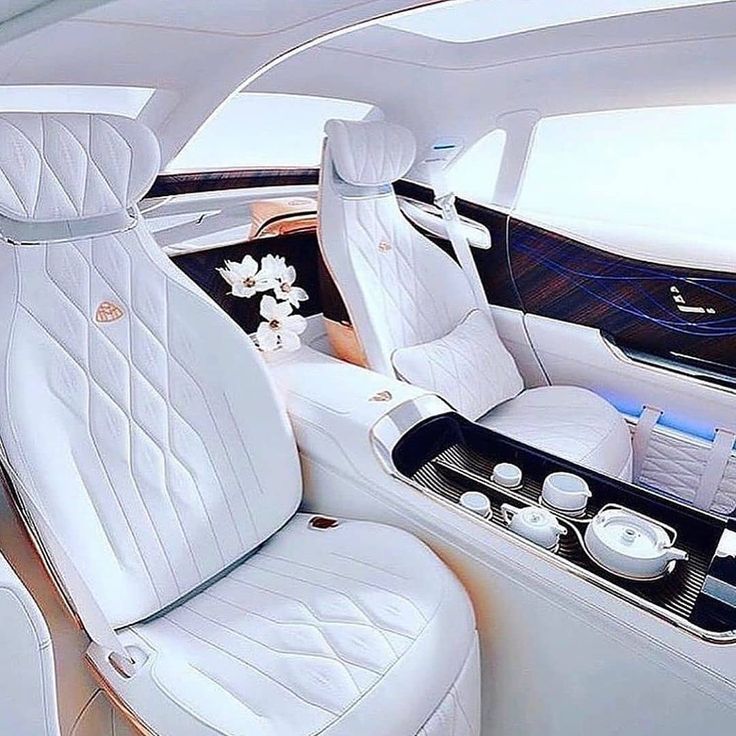
It’s easy to dismiss interior design as mere upholstery and glossy trim. Yet walk up to a modern luxury car and you feel something subtler—an atmosphere. A well-resolved cabin doesn’t just look expensive; it performs like a stage set, calibrating light, sound, touch, and even attention. In 2026, the best luxury interiors are no longer defined solely by materials. They’re defined by orchestration—how every surface meets your gaze, how every control reduces friction in your day, and how the cabin quietly narrates the driver’s intent.
Many drivers share a common observation: “Luxury interiors have become dazzling, but they’re also hard to choose.” The fascination is real, but the reasons run deeper than aesthetics. The new benchmark is coherence. The cabins don’t merely display technology; they choreograph it. They manage glare, isolate noise, and make complex interfaces feel almost inevitable. When you sit down, you sense a kind of engineered hospitality—a promise that the car will interpret your presence rather than demand constant decoding.
Why 2026 Luxury Interiors Feel More “Intelligent” Than Before
What’s striking in 2026 is the sense that the interior is responsive, not reactive. Earlier dashboards often felt like screens glued onto a traditional cockpit. Now the design language aims for continuity: surfaces flow into touch points, lighting responds to context, and controls are arranged around human habits rather than marketing panels.
One deeper reason for the fascination is cognitive comfort. A luxury cabin quietly reduces decision fatigue. It gives you fewer but better choices, and it highlights the most relevant information without drowning you in data. That’s why modern interiors can feel “calm” even when they’re technologically dense.

Ambient Lighting as Emotional Architecture
Ambient lighting used to be decorative. In 2026 it behaves more like emotional architecture. Gentle gradients outline the dashboard, trace edges of the center console, and soften the transition between screens and physical controls. The effect is not merely pretty. It improves night-time legibility and lowers perceived contrast between bright displays and darker surroundings.
Look closely at the best cabins and you’ll notice that lighting is layered. There’s often a base glow for atmosphere, a directional tone for navigation cues, and accent lines that give geometry a subtle third dimension. This layering is why the interior can feel expansive at dusk, even in a compact footprint.
Digital Dashboards: Clarity Over Flash
Luxury technology in 2026 is trending toward “clarity first.” That doesn’t mean fewer features. It means smarter prioritization. The most successful interiors present information like a well-edited document—headlines when you need them, fine print when you ask, and silence when nothing is urgent.
Digital dashboards now integrate with driver attention. When you glance, the interface should already have anticipated what you meant to read. That anticipation—subtle, nearly effortless—creates trust. You don’t feel like you’re operating a device; you feel like you’re conversing with the car.
In top-tier luxury models, the dashboard design also supports visual stability. Fonts are chosen for quick scanning. Display placement reduces reflective glare. Even the color temperature of graphics is tuned to feel consistent, as if the entire cabin has been color-graded for comfort.
Material Craft: Where Luxury Becomes Tangible
In 2026, the best interior materials don’t just look high-end; they feel intentional. Natural veneers are selected for grain alignment, leather is treated to balance softness with durability, and soft-touch surfaces appear in exactly the places where your hands will naturally land.
The deeper fascination is tactile storytelling. A cabin made with care invites touch without encouraging fingerprints. Grain patterns don’t merely decorate; they create a visual rhythm that guides the eye across the dashboard, door panel, and console.
Some luxury interiors also explore alternative textures—woven synthetics with a deliberate “breathable” look, or micro-perforations that make ventilation feel engineered rather than improvised. The result is a sense of contact refinement: your comfort is not accidental.
Seating Comfort and the New Science of Posture
Luxury in 2026 is no longer limited to cushioning. Seats are becoming posture instruments. Multi-zone comfort systems adjust support based on drive style, road conditions, and even the way you move. The best designs balance firmness in key load-bearing areas with softness that doesn’t collapse over time.
You’ll also see refined seat ergonomics. Headrests are shaped to reduce fatigue during long drives. Bolsters support without squeezing. The seat’s surfaces—whether leather, suede-like trims, or advanced composites—are selected for thermal behavior, so the cabin doesn’t feel like a sauna or an icebox.
Short trips feel effortless. Long trips feel curated.
Noise Control: The Hidden Luxury
One of the most persuasive interior upgrades is still largely invisible: noise control. In 2026 luxury cars, sound deadening is engineered like a musical arrangement—targeted, layered, and tuned to the cabin’s acoustics. The objective is to reduce harsh frequencies and preserve a pleasant low-level ambience.
This matters because sound affects perception of quality. Even a spectacular drivetrain can feel ordinary if the cabin lets roughness leak in. When noise is managed with care, the ride feels smoother, calmer, and more confident.
That calm is why luxury interiors can feel almost soothing on highway stretches. The car stops being a noisy machine and becomes a stable environment.
Control Layout: Less Fumbling, More Flow
Luxury interiors in 2026 increasingly embrace fewer, better controls. Touchscreens remain, but the best cabins also include tactile redundancies—physical knobs or switches for frequently used functions. This design philosophy acknowledges human imperfection. Hands get busy. Eyes shift. Weather changes. A great interior supports you without requiring perfect conditions.
The control layout is also about ergonomics in motion. Buttons are placed for reach while driving. Surfaces avoid hotspots from sunlight. Haptic feedback is tuned so you feel confirmation without visual overchecking.
When done well, the cabin becomes a flow state. You drive, you breathe, you arrive.
Practical Luxury: Storage, Charge, and Everyday Ease
Luxury used to ignore the mundane. In 2026, the best interiors treat daily life as a design constraint, not a compromise. Charging zones are integrated into the console and console edges. Storage compartments are shaped to prevent clutter chaos. Cup holders sit at angles that keep bottles stable without looking bulky.
Deeper still, practical luxury creates psychological relief. There’s a comfort in knowing your cables won’t spill across seats, your essentials won’t vanish into dead zones, and your phone won’t become a dashboard ornament. These details may seem minor, but they’re the small frictions that quietly accumulate across months.
Top 2026 Models to Consider for Interior Design
When narrowing the field, look beyond brand prestige. Focus on how the cabin’s elements cohere: lighting quality, digital clarity, tactile surfaces, and acoustic refinement. A standout example is the kind of modern dashboard design seen in premium luxury lineups—where display placement and interior styling converge into a single visual language.

Another type of interior to watch is the concept-driven approach: integrated styling that suggests a future where cabins feel less like compartments and more like immersive lounges. Even when the final production model differs, the design intent often becomes a blueprint for what luxury is becoming—more atmospheric, more ergonomic, more quietly futuristic.
How to Choose the Right Luxury Interior for Yourself
Before deciding, notice how the cabin behaves under real conditions. Check legibility in bright daylight. Sit in the driver’s position and see how quickly you can locate key information. Press the controls lightly. Feel the resistance, the travel, the alignment.
Then consider your routines. If you commute, prioritize audio isolation and control clarity. If you road-trip, evaluate seat ventilation, shoulder support, and storage practicality. If you drive at night, evaluate the lighting temperature and the absence of glare.
Luxury doesn’t ask you to admire it from afar. It asks to accompany you—daily, repeatedly, reliably.
Final Thoughts: The Cabin as a Personal Sanctuary
In 2026, the best interior designs share a common trait: they respect the human nervous system. They manage light so your eyes relax. They choreograph information so your attention stays steady. They engineer comfort so your body feels supported, not merely padded. And they reduce noise so the car becomes a sanctuary rather than a workplace.
That’s why luxury interiors continue to fascinate. It’s not only the materials, or the screens, or the gleam of detail. It’s the subtle promise that the car understands you—before you even finish thinking. In a world that constantly demands attention, the most beautiful cabins offer the rarest luxury of all: a feeling of ease.