The future rarely arrives with a trumpet. More often, it slips in quietly—through cleaner accelerations, calmer cabin lighting, and steering that feels less like a mechanical task and more like a conversation. In 2026, that shift becomes unmistakable. Luxury cars are no longer merely “technologically advanced.” They are increasingly self-directing, sensor-saturated, and designed for human comfort while automation handles the complicated parts of driving. The promise is simple: fewer moments of stress, smoother travel, and a new kind of confidence behind the wheel.
Yet the experience is not one-size-fits-all. Depending on the manufacturer, the autonomy stack, and the vehicle’s architecture, readers can expect a spectrum of capabilities—from driver-assist systems that feel near-miraculous to true highway-centric self-driving behaviors that can redefine how long trips feel. Let’s walk through what 2026 luxury automobiles are doing differently, how autonomy is being packaged into everyday life, and what content readers can look for when evaluating this brave new motoring era.
1) The Autonomy Spectrum: From Assisted Steering to Chauffeur-Like Control
Autonomous driving is often described as a single leap. In reality, it behaves like an ecosystem. Some vehicles emphasize lane-centering and adaptive cruise control with refined predictability. Others extend autonomy to complex highway scenarios—merges, cut-ins, and changing lanes—using an orchestration of cameras, radar, lidar in select models, and high-frequency processing.
Luxury brands frequently aim for the “effortless” zone: the point where you can look forward, not down, and where the vehicle’s intentions are communicated early and clearly. That means better motion planning, smarter gap selection, and an interface designed to reduce cognitive load. Short commands become fewer. Long stretches of highway travel become smoother, almost ceremonial.
As readers explore 2026 models, they should expect coverage that distinguishes between automation modes—highway-only versus broader geographic behavior, and “driver-supervised” versus “system-at-the-wheel” experiences—because the nuance is where trust is earned.
2) Sensor Fusion in the Luxury Age: Seeing the Road Like a Thinker
Autonomous driving lives or dies on perception. In 2026 luxury cars, perception is not a single sensor’s job—it’s an ensemble performance. Cameras provide rich semantic context (lane markings, signage, traffic patterns). Radar contributes robust detection under adverse weather or lighting conditions. When lidar is present, it supplies precise three-dimensional structure—useful for mapping static obstacles and understanding depth with surgical clarity.
Luxury platforms also tend to emphasize redundancy. That is not a poetic concept; it’s practical engineering. Multiple sensing pathways cross-check one another, reducing the risk of a system being “fooled” by glare, rain streaks, or oddly marked construction zones. The result should feel like steadier behavior. The car does not just detect what is there—it infers what is likely next.

When reviewing these vehicles, readers can expect deep dives into sensor placement, the quality of lane detection, how the system handles low-contrast road paint, and whether the perception stack maintains confidence in challenging environments. The most compelling journalism will also talk about “trust cues”—how the vehicle signals certainty or hesitation through steering feel, acceleration smoothing, and transparent status messaging.
3) The Cockpit Becomes a Command Center: Human-Focused Interfaces
In earlier eras, advanced driving technology often felt like a hidden layer—powerful, but not always intuitive. In 2026, luxury cabins increasingly treat autonomy as a partner. The interface design becomes the bridge between machine intelligence and human comfort.
Expect content to cover the sensory choreography inside: heads-up displays that present guidance without clutter, ambient lighting that subtly reflects system status, and haptic elements in the steering wheel or seat that communicate mode changes. Some cars introduce conversational prompts—short, calm reminders rather than frantic alerts—so the driver’s attention stays where it belongs: on the road and on readiness.
There’s also a growing emphasis on “graceful takeover.” When the system requests user intervention, it should be timely and comprehensible. The takeover moment is where usability is proven. A luxury vehicle, after all, must feel considerate—even when automation is imperfect.
4) Highway Choreography: Smooth Merges, Predictable Braking, and Intent Signaling
Most autonomy breakthroughs show up first on the highways, where traffic patterns are more regular. In 2026, luxury cars aim to make automation feel cinematic: confident lane changes, reduced jerkiness, and braking that respects not only physics but also passenger comfort.
Readers can expect detailed coverage of merge behavior—how the car decides when to enter, how it manages speed differentials, and how it maintains a respectful gap even with unpredictable drivers. The best systems don’t merely “survive traffic.” They collaborate with it, behaving like an experienced chauffeur who understands that aggressive timing scares people.
Good reporting will also examine edge cases: construction zones with intermittent lane paint, temporary barriers, and situations where the vehicle must reinterpret the road’s geometry in real time. Autonomy is often judged by its worst moment. Luxury vehicles try to ensure that even those moments feel controlled.
5) Urban Ambitions: The Complex Dance of Cities
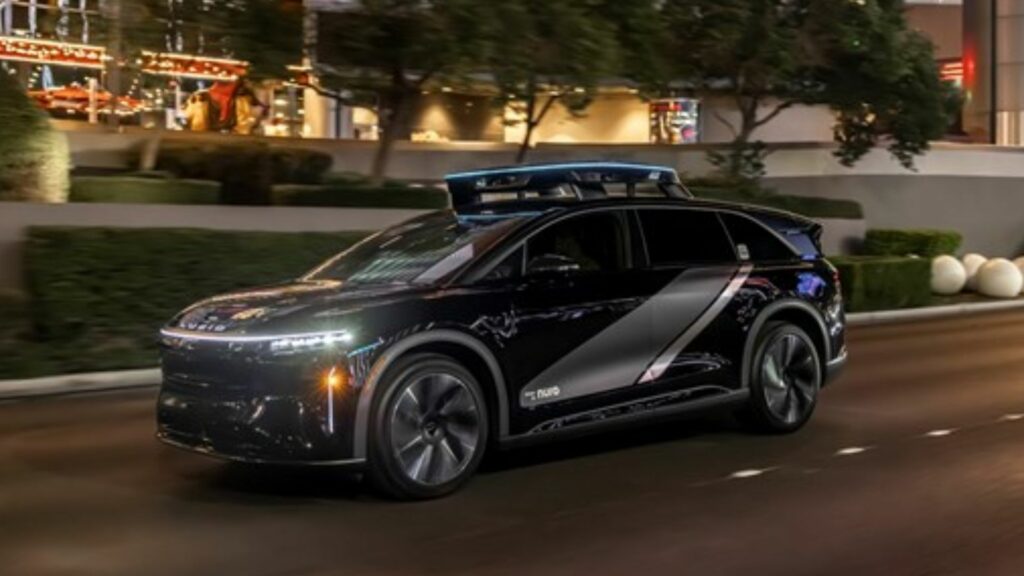
Cities are where autonomy faces its sternest tests. Crosswalks, bicycles, scooters, delivery vans, confusing signage, and sudden pedestrian behavior can turn ordinary driving into a constant decision chain. In 2026, some luxury models begin extending automation beyond the highway—particularly in geofenced or well-mapped corridors—while others offer robust driver-assist features that help in dense traffic.
Content readers will want includes how the car interprets pedestrian intent, how it negotiates right-of-way uncertainty, and whether it behaves conservatively when confidence drops. Luxury brands often aim to make cautious behavior feel calm rather than stalled. That means refined creep control in stop-and-go traffic, smoother reaction to cut-ins, and more human-like anticipation.
Look for analysis of how quickly the vehicle adapts to changing signals and how well it handles “nonstandard” road users. A system that respects unpredictability tends to earn the most long-term trust.
6) Efficiency and Powertrain Synergy: Autonomy Meets Hybrid and Electric Luxury
Autonomous driving doesn’t exist in isolation. It sits atop powertrain decisions—electrification, hybridization, and energy management. A luxury vehicle that can travel smoothly should also sip energy thoughtfully. In 2026, many of the most interesting announcements tie autonomy capabilities to improved efficiency, especially in hybrids and advanced electrics.
Expect coverage that connects autonomous driving behavior with consumption metrics: how reduced acceleration spikes improve range, how regenerative braking is modulated for comfort during guided maneuvers, and how route-aware navigation supports calmer, more efficient trajectory planning.
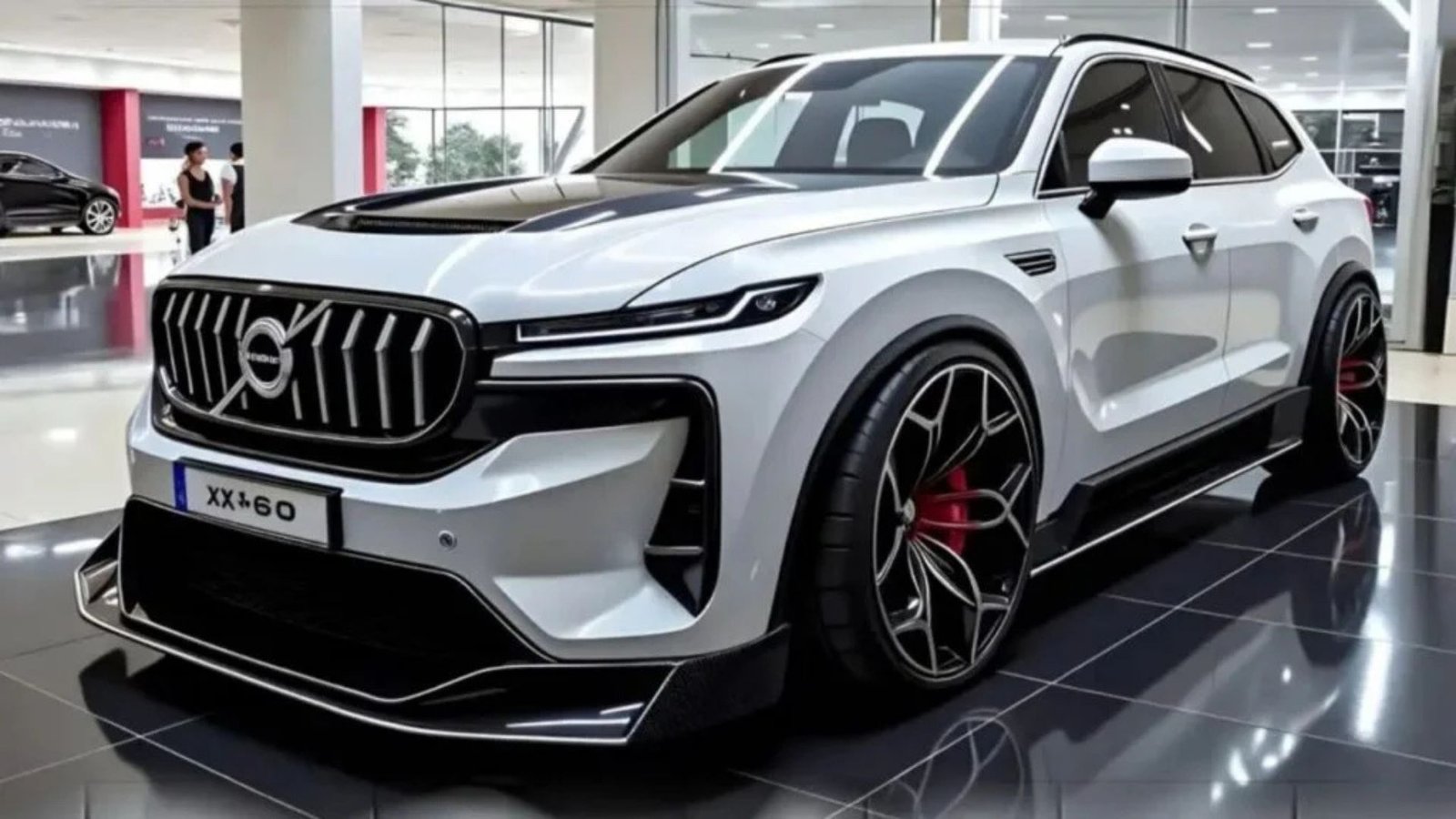
The strongest articles will translate these technical choices into real-world impact. Readers should see comparisons: highway autonomy versus manual driving in similar conditions, and how the vehicle’s strategy changes with weather, traffic density, and elevation.
7) Safety, Regulations, and the Reality Check: Knowing What ‘Autonomous’ Means
Autonomy marketing can be thrilling, but clarity matters. In 2026, safety documentation and regulatory context are essential content components. Readers want to know which features are active at what times, what the vehicle can do without supervision, and how the driver’s responsibilities change by mode.
Responsible reporting should also address limitations: sensor occlusion, unusual weather, map inaccuracies, and scenarios where autonomy may revert to traditional driver control. A luxury system is not supposed to be infallible; it is supposed to fail gracefully.
Look for discussions of safety scorecards, crash test methodologies where available, and the design philosophy behind redundancy. The goal is not fear. It’s preparedness—the difference between curiosity and confidence.
8) Ownership Experience: Updates, Support, and the Long-Term Feel of Autonomy
Autonomy is software as much as it is hardware. In 2026, the best luxury vehicles come with a living ecosystem of updates, feature unlocks, and continuous improvements to perception and behavior tuning. Content readers can expect includes what kinds of updates arrive over time, how smoothly they integrate, and whether the vehicle’s driving feel evolves in a predictable direction.
Ownership also involves service transparency. If something about autonomy performance changes, owners should know how it’s measured, what diagnostics are used, and how the system’s confidence is interpreted. The ideal experience resembles reliability engineering—less mystique, more evidence.
9) What Readers Should Watch For: Buying Criteria for the Autonomous Luxury Buyer
Choosing a 2026 luxury car with autonomous capabilities should be strategic rather than purely aspirational. The checklist often includes feature availability (and whether it’s standard or subscription-based), sensor configuration, real-world performance in the buyer’s typical routes, and the maturity of the user interface.
Strong purchase guidance will also compare the “feel” of automation—does the steering response match expectations, is acceleration smooth, does the vehicle communicate intent in a way that reduces surprise? Those small qualities can matter as much as the headline capability.
Readers should also consider how comfortable they are with hands-off moments, and how the vehicle handles transitions back to manual. Autonomy isn’t just about the destination. It’s about the choreography of control.
10) The Road Ahead: A Future Where Cars Anticipate, Not Just React
The next wave of luxury autonomy will likely focus on greater contextual understanding and more personalized driving behavior. Cars will learn preferred comfort parameters over time—adjusting pacing to the rider’s tolerance for closeness, refining how it merges based on region and traffic patterns, and improving how it interprets human signals through better intent prediction.
Just as importantly, the experience will keep shifting from “technology you manage” to “intelligence you enjoy.” That’s the emotional center of this story. When autonomy works, the cabin becomes quieter—not just in sound, but in mental bandwidth.
Outro: The Future Is Here, and It Feels Like Relief
In 2026, luxury cars with autonomous driving are no longer a distant fantasy. They are real vehicles shaped by sensor fusion, thoughtful interfaces, refined highway choreography, and evolving safety design. For readers, the best content will move beyond spec sheets and capture what matters: how autonomy feels, how it behaves in imperfect conditions, and how confidently it shares control.
The future, it turns out, is not only faster or smarter. It’s calmer. And for the driver, that calm is the true luxury.