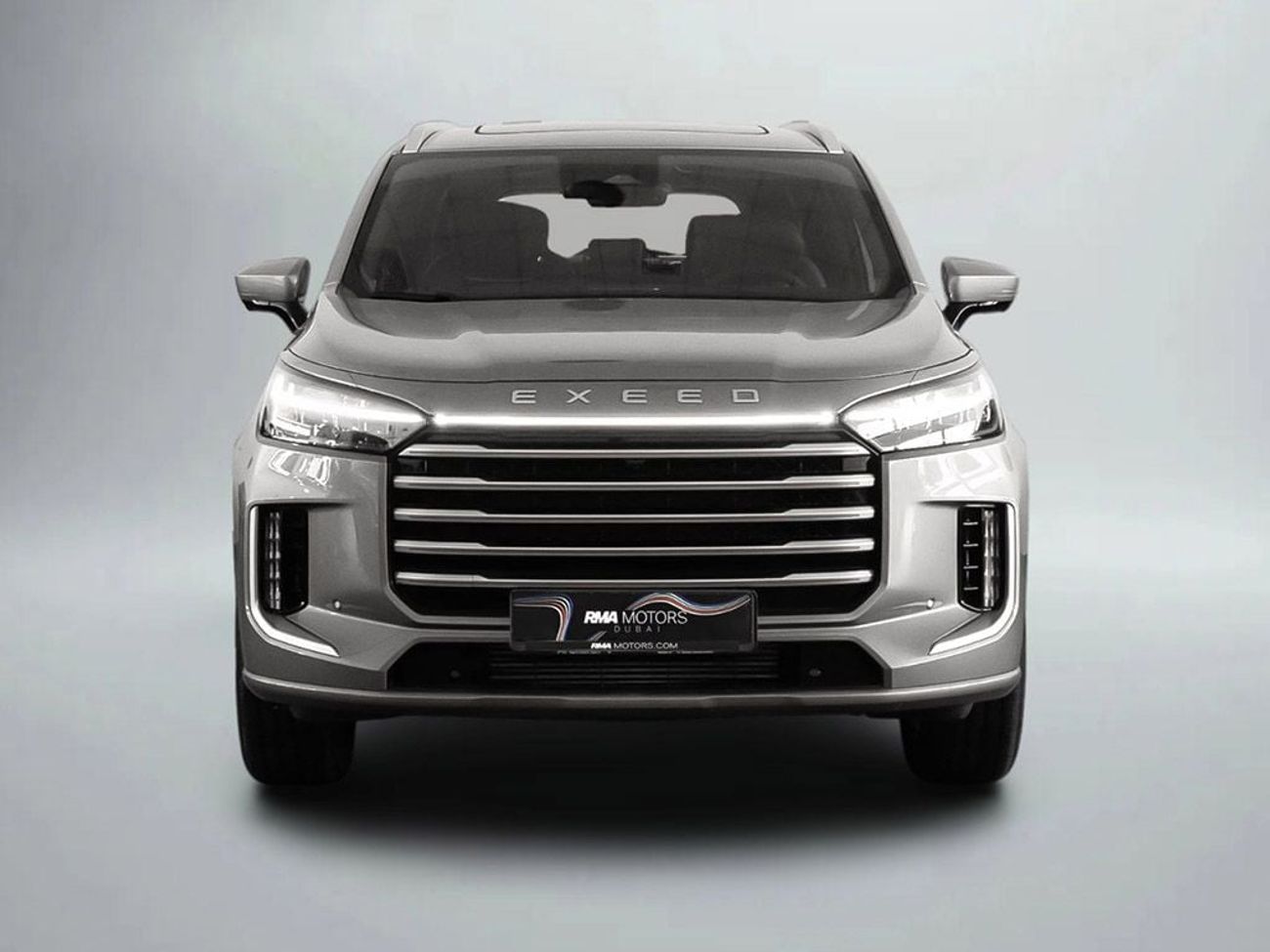
There’s a peculiar moment most drivers recognize: the first time they see the numbers behind a luxury car payment, the dream suddenly feels measurable. It’s not just sticker shock—it’s the sensation of realizing that financing is its own kind of architecture, quietly shaping what you can drive and how comfortably you can drive it. The year 2026 brings new models, sharper incentives, and ever more sophisticated lending strategies, but the core question stays stubbornly human: How do you get the best rates without turning the process into a maze?
In many households, luxury financing becomes a negotiation between optimism and precision. People often assume that the lowest rate is simply “the one offered to you.” That belief is understandable—rates arrive like weather reports. Yet the deeper truth is that your financing outcome is often pre-written by signals you send before you ever submit an application. Understanding those signals is where fascination turns into control.
Start With the Rate, Not the Romance
Luxury advertising is engineered to stir emotion: sculpted lines, theatrical interiors, and the promise of effortless motion. Financing conversations, however, should begin with mathematics. A great rate doesn’t merely reduce the monthly number—it can shrink the total cost of ownership across years, especially when you plan to keep the vehicle longer than the average lease cycle.
Before you compare offers, establish what “best” means for your situation. Do you want the lowest monthly payment, or do you want the lowest total interest cost? These goals sometimes align, but often they don’t. A longer term can reduce monthly affordability pressure while quietly expanding the interest horizon. Shorter terms can feel demanding, yet they can act like a financial espresso shot—small, potent, and efficient.
When lenders evaluate you, they don’t only ask, “Can you pay?” They also ask, “How reliably will you pay?” That reliability is inferred from patterns—credit behavior, income stability, debt-to-income ratios, and even timing. Luxury cars amplify the importance of those patterns because the perceived risk to a lender is higher when the transaction amount rises.
Credit Score: The Invisible Steering Wheel
Your credit score is the quiet steering wheel of your financing rate. Many shoppers treat it like a fixed element—either you have good credit or you don’t. But credit isn’t static; it responds to decisions. In the months leading up to the purchase, even modest adjustments can change the story your credit reports tell.
Look for these credit factors that frequently influence luxury financing terms:
• Payment history consistency: Late payments are treated like potholes; they damage the route for years.
• Credit utilization: High utilization can make you appear financially “overextended,” even if income is healthy.
• Credit age: Older accounts can stabilize your profile.
• New inquiries: Multiple applications in a short period can look like urgency driven by uncertainty.
Consider checking your credit report for errors. A single clerical mistake—an account incorrectly marked delinquent—can distort the lending risk assessment. Fixing such issues is often faster than many people assume, and the impact on rates can be immediate.
Prequalification: Use It Like a Blueprint
Prequalification is sometimes treated as a formality. But think of it as a blueprint, not a contract. It helps you understand the range of rates you may qualify for, allowing you to shop with a clearer sense of reality. Some borrowers prefer to jump straight into offers from dealerships; that can be convenient, yet it may also lead to a negotiation played on unfamiliar ground.
Prequalification can provide a starting point. Then you can choose between dealer financing and external lenders with fewer surprises. It’s also a strategic way to learn which loan structures are available to you: fixed versus variable rates, loan term lengths, and whether incentives apply only under certain conditions.
Remember: different lenders can interpret your profile in different ways. A credit score number is a shorthand; lending is a nuanced translation.
Dealer Financing vs. Bank or Credit Union
Luxury dealership offers can be compelling, especially when manufacturers provide promotional interest rates or cash incentives. Still, “promo” doesn’t always mean “best for you.” A bank or credit union may offer a slightly higher rate but lower fees, or a cleaner payoff structure that better matches your repayment style.
Compare the full picture, not only the interest rate. Ask about:
• Origination fees and documentation charges
• Prepayment penalties (rare, but worth confirming)
• Early payoff impact on total interest
• Warranty or add-on financing bundled into the loan
There’s a deeper reason people sometimes feel disappointed after “choosing the best rate.” Often, they chose the best-looking rate while ignoring the rest of the financial texture—fees, compounding effects over long terms, and the cost of bundled products. Luxury cars are expensive machines, yes, but the financing paperwork can be equally intricate.
Loan Term: The Hidden Time Cost
Longer terms can feel like generosity. The monthly payment looks manageable, and your budget breathes. Yet the loan term is also a time machine that carries more interest forward. A 60-month plan can sometimes be a sweet spot, while a 72- or 84-month plan may stretch affordability at the expense of total cost.
Ask yourself a simple question: How long do you realistically plan to keep this vehicle? If you expect to trade within two or three years, consider whether the financing structure could become a trap of depreciation and negative equity.
Depreciation is the silent antagonist in luxury financing. Even high-end vehicles can lose value faster than expected, and if you owe more than the vehicle is worth—especially early in the term—refinancing becomes harder. A shorter term can reduce that risk, acting like a financial shock absorber.
Down Payment and Trade-In Strategy
A down payment does more than reduce the amount financed. It can also influence risk perception. Lenders often view a larger down payment as a stronger commitment, a sign you’re not merely chasing affordability, but building ownership stability.
Trade-ins complicate the story. Dealers may present a trade value that feels favorable, while the financing offer quietly compensates for it elsewhere. The solution is to separate variables: negotiate the vehicle price and the trade value independently, then evaluate the financing terms after the numbers settle.
Also consider whether to allocate cash strategically. Sometimes paying a higher down payment is better. Other times, keeping liquidity for emergencies can be wiser. Luxury life tends to attract expenses—travel, insurance adjustments, and maintenance planning. A carefully preserved emergency fund can reduce the chance of missed payments, which is the most expensive outcome of all.
Incentives and Timing: The Seasonal Advantage
Luxury financing often depends on timing. Manufacturer promotions can shift month to month, sometimes even week to week. Credit unions and banks may change underwriting rules or offer targeted promotions during certain periods. Dealerships also respond to inventory cycles—when a vehicle is sitting, pressure increases to move it.
But timing is not just about waiting. It’s about acting with readiness. If your credit is improving, purchasing at the moment your score reflects that improvement can unlock better terms. If you’re negotiating during a promotional window, align your purchase date with the incentive terms rather than accepting them as a vague promise.
Consider asking for the incentive breakdown in writing. Some incentives require financing approval, and others may depend on residency, mileage, or specific model trims. Clarity is power; the paperwork should read like a map, not a riddle.
Refinancing After Purchase: Don’t Ignore the Second Chapter
Many shoppers focus on getting the best rate at the time of purchase. Yet the story doesn’t have to end there. If your credit improves or market conditions change, refinancing can reduce your rate and interest cost.
However, refinancing is not automatic good news. Evaluate whether:
• The new rate meaningfully undercuts your current rate
• Closing costs won’t erase your savings
• You’re willing to reset the loan term (which can increase total interest)
A thoughtful refinance is like revising a contract you already understand. It can be elegant, but only if the numbers still make sense.
Practical Checklist for Getting the Best Rates
To convert fascination into outcomes, use a disciplined approach. Here’s a practical checklist that keeps the process grounded:
• Gather documentation: proof of income, employment verification, and recent bank statements.
• Check credit early: correct errors before you apply.
• Prequalify with multiple lenders: compare offers with consistent assumptions.
• Negotiate price separately: don’t let trade and financing blur together.
• Confirm total loan cost: interest plus fees plus any add-ons.
• Choose a realistic term: affordability now, cost later.
• Ask about incentives: ensure you understand eligibility conditions.
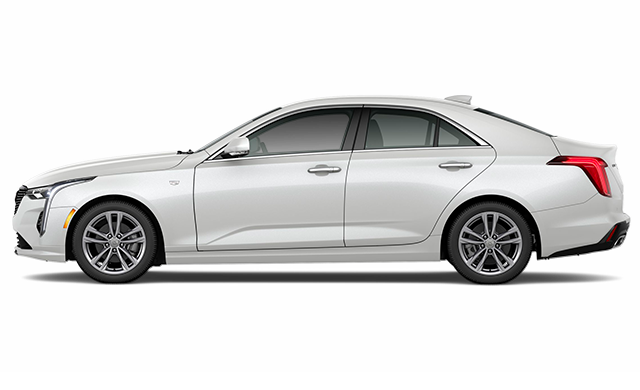
If you want a visual reminder of the kind of luxury you’re financing—something that often fuels the “just make it work” impulse—here’s a glimpse of how striking 2026 CT4 trims can be. The appeal is real. But the payment should be rational.
Why People Are Drawn to Luxury Financing—And How to Keep It in Perspective
Luxury isn’t only about speed or status. It’s about the sensation of control: the quiet cabin, the precise steering, the idea that you’ve upgraded your life’s daily rituals. Financing is simply the gateway where emotion meets structure. That’s why borrowers can become mesmerized—luxury makes every decision feel like a milestone.
The deeper fascination lies in transformation. A good financing rate feels like permission: permission to enjoy without constant worry, permission to plan, permission to choose responsibly. When financing becomes optimized, the luxury experience can stay luminous rather than stressful.
So the best rates aren’t found by luck. They’re earned by preparedness, comparison, and clarity. Treat the process like a craft. The result is not merely a number on a loan document—it’s a financial rhythm that lets you enjoy the car without second-guessing the contract.
Final Thoughts: Make Your Rate a Decision, Not a Surprise
Getting the best rates on a 2026 luxury car is achievable when you stop treating financing as a single offer and start treating it as a system. Your credit narrative, your timing, your chosen term, your negotiation sequence, and your comparison discipline all interact like gears. When those gears mesh, the rate you receive stops being mysterious—and starts being predictable.
Luxury should feel effortless behind the wheel. Let the financing be just as deliberate. With the right preparation, you can preserve both the thrill and the math, turning a beautiful purchase into a confident commitment.