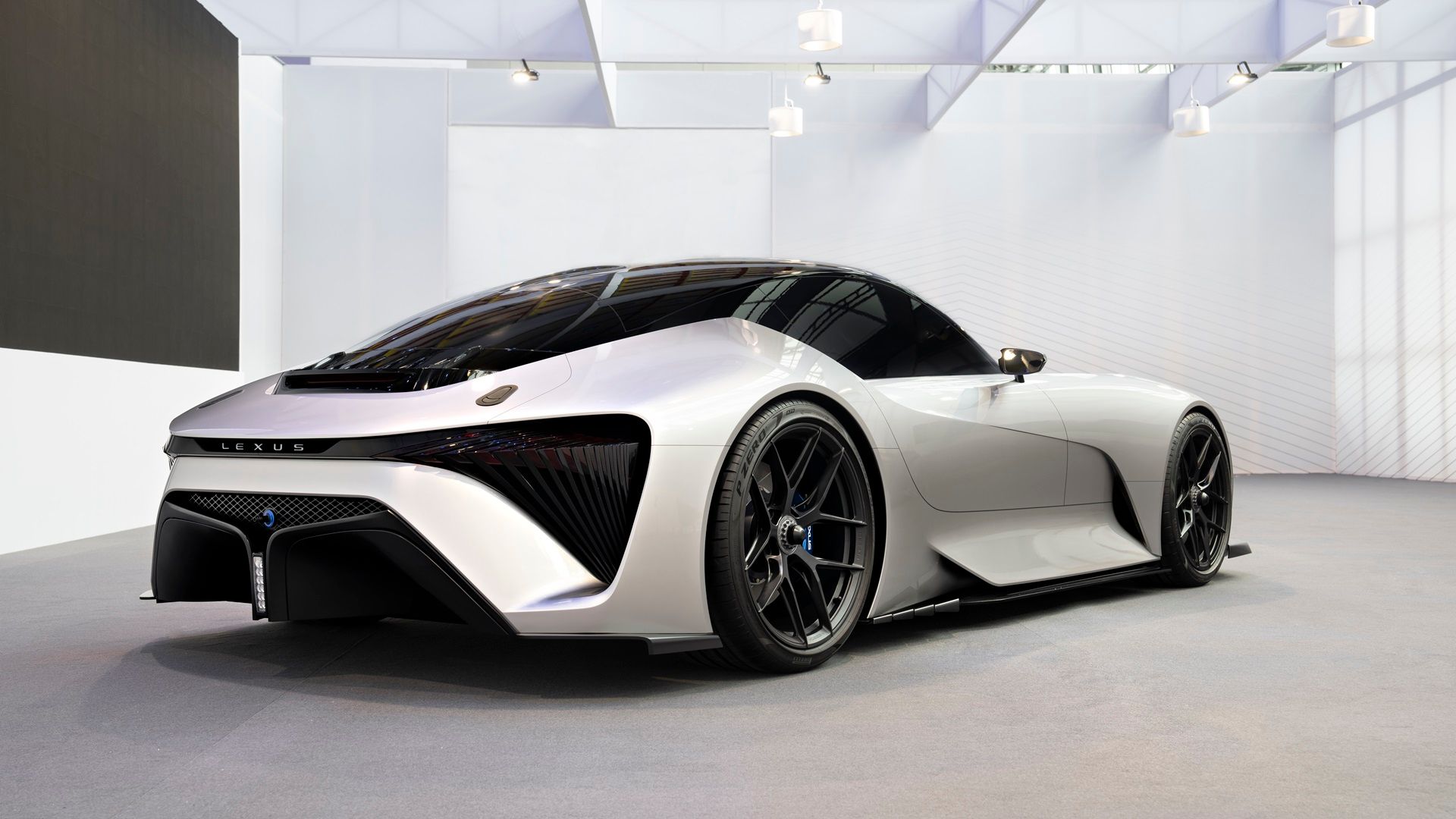
Every few years, the world seems to rediscover the same spell: the sight of a concept car. It’s the moment when chrome appears to glow before it even exists, and when a designer’s hypothesis becomes a silhouette you can almost touch. Many people notice the surface-level drama—winglets poised like punctuation marks, sculpted grilles that look perpetually in motion, cabins that seem engineered for tomorrow’s climate. Yet that recurring fascination runs deeper than novelty. It’s not only about what’s built. It’s about what’s imagined, and why our minds keep returning to those sleek, unresolved dreams.
In 2026, luxury car concepts are arriving with a new kind of confidence. They don’t merely ask for attention. They propose a worldview—one where performance is measured in silence, sustainability is aesthetic, and technology feels less like gadgetry and more like atmosphere. Let’s take a guided look at what’s taking shape behind the curtain, and why these future-facing machines keep pulling us back.
Why Concept Cars Feel More Real Than Finished Cars
There’s a paradox that’s easy to overlook. Completed vehicles are engineered, tested, and verified. They’re dependable. Concepts, however, are hypotheses made visible. They carry a certain “beautiful uncertainty,” a quality that sparks interpretation. A finished model tells you what you can buy. A concept suggests what you could become.
That difference matters. Luxury is, at its core, an experiential language. When a concept car leans into extravagance—whether through an aggressive stance or a cockpit that resembles a cockpit and a gallery at the same time—it invites you to project your own identity onto the design. People don’t just view concepts; they collaborate with them mentally. The future becomes personal.
There’s also a subtler psychological pull. Concepts are often presented at moments when the industry itself is changing—new propulsion architectures, new materials, new software ecosystems. When you watch a concept, you’re not only admiring metal and light. You’re observing a transition in civilization’s taste.
The 2026 Luxury Shift: From “Spec Sheets” to “Scenarios”
Traditional car marketing often centers on numbers. Concepts increasingly communicate through scenarios. Not merely “here is the engine,” but “here is how your day feels when the car becomes an extension of your routines.” The cabin’s lighting transitions are designed for mood management. The sound profile is tuned to reduce fatigue rather than simply to entertain. Even the way doors close can be engineered for reassurance—an audible seal that signals “control.”
In 2026 luxury concepts, designers are treating the vehicle as a mobile environment—an elegant capsule that negotiates with your senses. Expect fewer hard edges in the user experience and more fluidity in the interface. The result is a perception that the car is thinking with you, not just responding to you.
This is where fascination deepens. We don’t crave machinery alone. We crave companionship. Luxury concepts increasingly address that need by making technology feel like temperament rather than tool.
Light as Architecture: The Rise of Luminous Surfaces
One of the most noticeable changes in 2026 concept aesthetics is how light is being used as architecture. Headlamps and taillamps are no longer simply signals. They’re expressions of volume and direction. Some concepts appear to “paint” their own edges with LED geometry, creating the illusion that the bodywork is lit from within.
Lighting signatures also serve a practical purpose: clearer communication with other drivers and more readable motion in low visibility. Yet the emotional payoff is undeniable. A concept car with a sculpted light pattern feels like a living object—something designed to be seen, remembered, and anticipated.
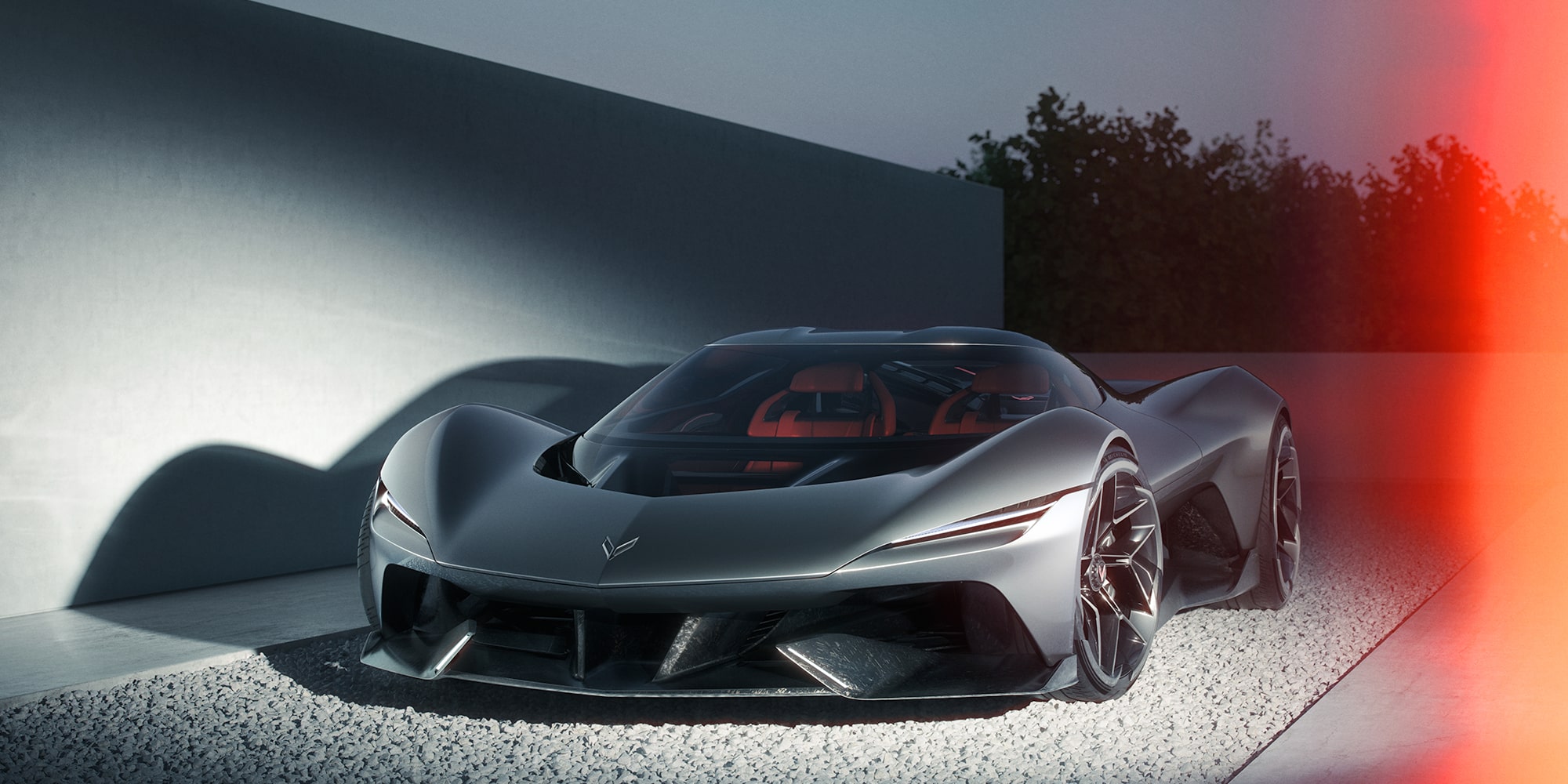
The fascination here isn’t only visual. It’s narrative. Light turns a static object into a storyline, with every moment—turning, braking, gliding—becoming a chapter written in illumination.
Materials That Do More Than Look Premium
Luxury has always used materials as shorthand for refinement. In 2026 concepts, those materials are also tasked with performance and responsibility. Expect more surfaces engineered for low thermal absorption, improved acoustics, and enhanced durability against the small tragedies of daily life—heat soak, micro-scratches, and wear at contact points.
Designers are exploring advanced composites and refined finishes that behave like a second skin. Some materials are chosen because they age gracefully, preserving the “newness” that normally fades. Others are selected to reduce weight and improve efficiency without sacrificing the tactile pleasure of touch.
There’s an underlying reason this captivates: luxury is not only seen. It’s felt. When a concept suggests that comfort can be engineered—rather than simply purchased—it triggers optimism. It implies that even the intimate parts of driving can be upgraded.
Performance Reimagined: Quiet Power and Controlled Fury
The public often associates luxury performance with volume—bigger engines, louder exhaust, more aggressive soundtracks. But 2026 concepts are frequently reframing performance as control. The most thrilling powertrains might be the ones that don’t announce themselves with brute force. Instead, acceleration becomes smooth, traction becomes precise, and handling feels like choreography.
That shift reflects a broader reality. As electrification and advanced driver assistance mature, the challenge becomes integration. How do you deliver exhilarating capability while keeping the ride civilized? Concepts are where that question is answered with bold design language: aerodynamic forms that reduce drag, braking systems that modulate deceleration like an art form, and chassis tuning aimed at confidence rather than chaos.
In other words, the future of performance isn’t always louder. Sometimes it’s more elegant—an exquisite restraint that makes the sensation of speed feel even more dramatic.
Cabins as Sanctuaries: Biophilic Calm and Human-Centered Tech
Luxury concepts increasingly treat the cabin as a sanctuary. That sanctuary concept may show up as natural-inspired textures, warmer color temperatures, and spatial layouts that reduce stress. Some designs incorporate ambient lighting gradients that mimic daylight patterns. Others use materials that look calm rather than harsh.
Technology follows the same philosophy. Interfaces are being simplified for glanceability—less hunting for menus, more immediate clarity. Voice and gesture controls are often presented as ways to reduce friction between intention and action. The goal is to make the car feel “legible,” not like a cockpit full of commands.
This is where the deeper fascination reveals itself. People are drawn to the promise that the vehicle can be emotionally intelligent. When a concept cabin suggests it understands comfort on a human level—tempo, temperature, sensory balance—it turns a machine into a mood.
Electrification and Range Anxiety, Rebranded as Freedom
Electrified powertrains dominate the future conversation, but concepts tackle the emotional side of adoption. Range anxiety is a practical concern, yes. Yet the fascination is more existential: can the future feel liberating rather than restrictive?
Concepts often respond with improvements in energy efficiency, charging convenience, and predictive route planning. Designers also build confidence through the language of usability—charging interfaces that feel intuitive, cabin displays that reduce uncertainty, and navigation systems that treat energy management as a seamless part of the journey.
When electrification is presented as freedom instead of compromise, it becomes easier to fall in love with the technology. Love follows ease.
Automation and the New Luxury of Trust
Automation is no longer portrayed only as “driverless someday.” In 2026 luxury concepts, it’s often framed as a spectrum of assistance that enhances trust. That trust is expressed through interface design: clear status indicators, thoughtful alerts, and control logic that avoids confusing transitions.
Luxury in this context isn’t just leather and craftsmanship. It’s also clarity. A concept car that communicates what it’s doing—without overwhelming the driver—feels premium because it respects attention. The driver becomes a participant, not an observer wrestling with uncertainty.
This is why people linger. They’re not simply imagining a car that moves themselves forward. They’re imagining a future where attention is returned to the human, not trapped in screens.
Why the Fascination Persists: The Future as a Mirror
After the wow moment, the mind keeps working. Concept cars act like mirrors. They reflect our hopes for cleaner cities, smarter mobility, calmer commutes, and materials that last longer. They also reflect desire for identity—how we want to be seen, how we want to feel in motion, and what we consider beautiful.
That’s the deeper reason fascination endures. A concept car isn’t only a preview of engineering. It’s a preview of values. It asks: what kind of life do we want the machine to enable?
Even when details change before production, the aesthetic intention often remains. The shape of the idea—its philosophy—continues to influence what eventually becomes real.
Outlook: The 2026 Promise Behind the Silhouette
The 2026 luxury car concepts arriving on the edge of production are more than thrilling distractions. They’re laboratories disguised as art. They show where design is going when performance, sustainability, and comfort stop competing and start cooperating.
So the next time a concept car catches your eye—when the lighting looks almost alive and the cabin seems like a private retreat—remember what you’re really witnessing. You’re watching a future negotiate with the present. And you’re seeing why that negotiation keeps drawing people in: because the future, for a moment, feels personal.