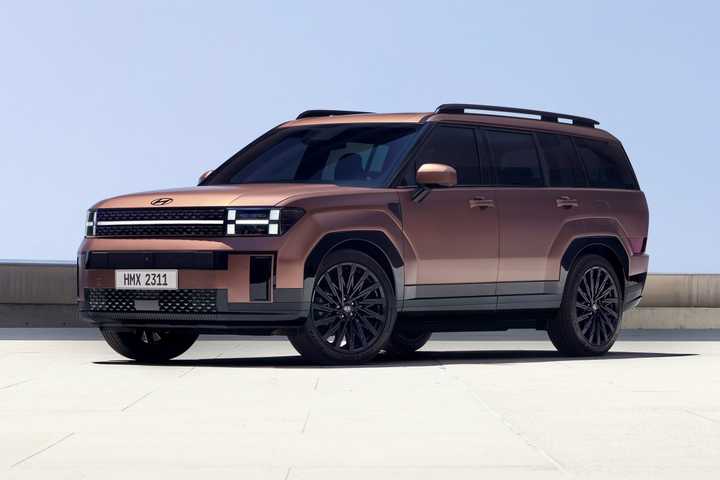
The 2026 Hyundai Santa Fe arrives with a bold, almost defiant redesign—one that dares to challenge the sleek, aerodynamic norms dominating today’s midsize SUV landscape. Where competitors like the Toyota Highlander and Honda Pilot cling to flowing, coupe-like silhouettes, Hyundai’s latest iteration embraces a more angular, boxy aesthetic. It’s a visual rebellion, but one that’s far from arbitrary. This isn’t just a stylistic choice; it’s a deliberate pivot toward practicality, versatility, and a kind of rugged charm that feels refreshingly unapologetic. In an era where SUVs are increasingly styled for Instagram rather than utility, the Santa Fe’s boxy demeanor feels like a breath of fresh air—practical yet purposeful, utilitarian yet undeniably cool.
The new design language isn’t merely about standing out; it’s about redefining what a midsize SUV can be. Hyundai has taken a step back from the relentless pursuit of slippery aerodynamics, opting instead for clean, sharp lines and a more upright stance. The result? A vehicle that looks ready to tackle both city streets and off-road detours with equal confidence. It’s a shift that speaks to a deeper cultural shift—one where consumers are increasingly prioritizing function over form, substance over superficiality. The Santa Fe’s boxy silhouette isn’t just a trend; it’s a statement.
The Bold New Exterior: A Departure from the Norm
The 2026 Santa Fe’s exterior is a masterclass in contradiction. It’s angular yet harmonious, imposing yet inviting. The front fascia, dominated by Hyundai’s latest “Parametric Jewel” grille, is a geometric marvel—each line and crease meticulously crafted to create a sense of depth and dynamism. The headlights, now more angular and integrated into the bodywork, give the SUV a piercing, almost predatory gaze. It’s a look that commands attention, whether parked in a suburban driveway or navigating a tight urban alley.
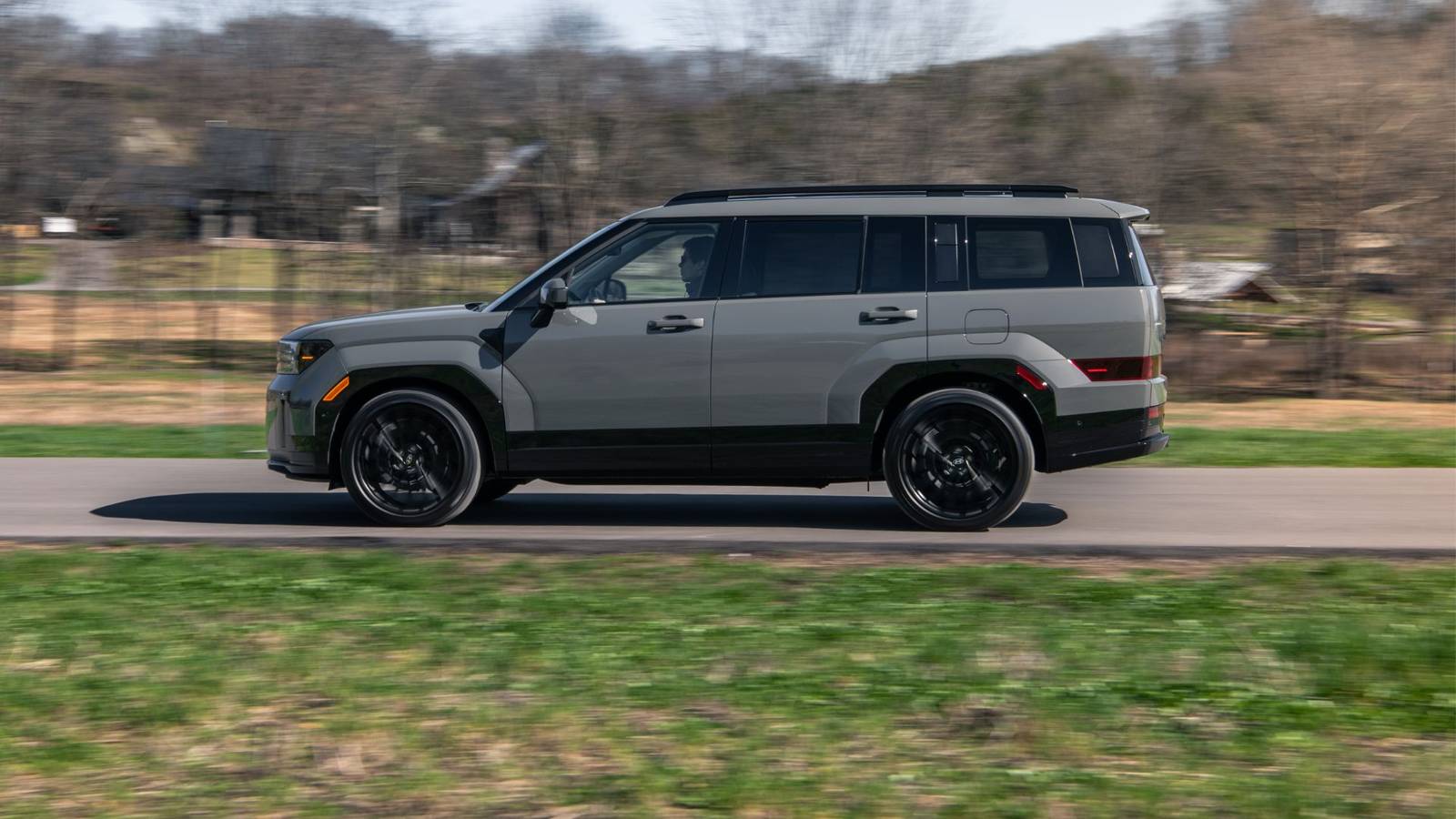
The side profile is where the Santa Fe’s boxy ethos truly shines. Gone are the flowing curves of yesteryear; in their place are bold, vertical character lines that emphasize the vehicle’s height and stance. The windows are nearly flush with the body, reducing drag but also lending the SUV a more utilitarian, almost industrial look. The C-pillar is pronounced, giving the Santa Fe a distinct, almost truck-like silhouette. It’s a design choice that harks back to the rugged SUVs of the 1990s, but with a modern twist that feels fresh and forward-thinking.
The rear of the Santa Fe is equally striking. The taillights are vertically oriented, echoing the design language of the front and reinforcing the SUV’s cohesive aesthetic. The liftgate is flat and unadorned, save for the Hyundai logo and a subtle spoiler, which adds a touch of sportiness without compromising the vehicle’s utilitarian appeal. The overall effect is one of solidity and strength—a vehicle that looks like it could handle anything thrown its way.
Interior Spaciousness: Where Boxy Meets Luxurious
Step inside the 2026 Santa Fe, and the boxy exterior’s promise of space is immediately fulfilled. The cabin is a revelation of airy openness, with a nearly flat floor and expansive legroom that makes even tall passengers feel at home. The dashboard is a symphony of horizontal lines and soft curves, a deliberate contrast to the SUV’s angular exterior. It’s a space that feels both modern and timeless, with a focus on comfort and functionality that’s rare in today’s market.
The materials are a blend of premium soft-touch plastics, genuine leather (available in higher trims), and metallic accents that add a touch of sophistication. The center console is minimalist, with a floating design that enhances the sense of space. The infotainment system, housed in a sleek portrait-oriented display, is intuitive and responsive, with wireless Apple CarPlay and Android Auto as standard. The digital instrument cluster is crisp and customizable, offering a wealth of information at a glance.

Seating is another highlight. The front seats are supportive and plush, with ample adjustability to accommodate drivers of all sizes. The second row is equally impressive, with enough space for three adults to sit comfortably, and the optional third row (available in certain trims) is surprisingly usable for occasional passengers. The cargo area is cavernous, with a low load floor that makes hauling everything from groceries to luggage a breeze. It’s a cabin that doesn’t just meet expectations—it exceeds them.
Performance and Driving Dynamics: The Heart of the Beast
Beneath the Santa Fe’s boxy exterior lies a powertrain that’s as versatile as the vehicle itself. Hyundai offers a range of engine options, but the standout is the 2.5-liter turbocharged inline-four, paired with an eight-speed dual-clutch transmission. This combination delivers a punchy 277 horsepower and 311 lb-ft of torque, propelling the Santa Fe from 0 to 60 mph in a respectable 7.2 seconds. The engine is smooth and responsive, with a linear power delivery that makes highway merging and city driving equally effortless.
For those seeking even more capability, Hyundai offers a hybrid powertrain, combining a 1.6-liter turbocharged engine with an electric motor for a combined 226 horsepower. This setup is paired with a six-speed dual-clutch transmission, offering improved fuel efficiency without sacrificing performance. The hybrid’s regenerative braking system is seamless, and the electric motor provides instant torque, making city driving a breeze.
The Santa Fe’s driving dynamics are equally impressive. The suspension is tuned for comfort, with a focus on absorbing road imperfections and providing a smooth ride. The steering is precise and well-weighted, offering a sense of connection to the road that’s often lacking in midsize SUVs. The available all-wheel-drive system is robust and responsive, providing confidence-inspiring traction in all conditions. Whether navigating a winding backroad or tackling a snowy driveway, the Santa Fe feels planted and composed.
Technology and Safety: The Modern Essentials
The 2026 Santa Fe is packed with technology designed to enhance convenience, connectivity, and safety. Standard features include a 12.3-inch digital instrument cluster, a 10.25-inch touchscreen infotainment system, and a premium audio system (available in higher trims). The system is powered by Hyundai’s latest software, which is fast, intuitive, and packed with features like remote start, vehicle diagnostics, and over-the-air updates.
Safety is a cornerstone of the Santa Fe’s appeal. Hyundai has equipped the SUV with a suite of advanced driver-assistance systems (ADAS), including forward collision warning, automatic emergency braking, blind-spot monitoring, and lane-keeping assist. The available Highway Driving Assist 2 system takes things a step further, offering semi-autonomous driving capabilities that make long highway trips less taxing. The Santa Fe also features a robust body structure and a comprehensive airbag system, earning it top safety ratings from organizations like the IIHS and NHTSA.
The cabin is also a haven of connectivity. Standard features include wireless charging, multiple USB ports, and a Wi-Fi hotspot, ensuring that passengers stay connected on the go. The available remote parking assist system is a game-changer, allowing drivers to park the Santa Fe with their smartphone, even in tight spaces. It’s technology that’s not just flashy—it’s genuinely useful.
Practicality and Versatility: The Boxy Advantage
Perhaps the most compelling aspect of the 2026 Santa Fe is its practicality. The boxy design isn’t just about aesthetics; it’s about maximizing utility. The nearly flat floor and upright seating position make it easy to load and unload passengers and cargo, while the wide-opening doors provide excellent access to the second and third rows. The cargo area is one of the largest in its class, with a maximum capacity of 86.4 cubic feet when the second and third rows are folded down.
The Santa Fe’s versatility extends beyond its cargo space. The available towing package allows the SUV to tow up to 3,500 pounds, making it a capable partner for weekend getaways or hauling a small trailer. The available roof rails and available all-terrain tires (on certain trims) further enhance the SUV’s adaptability, whether you’re heading to the beach or exploring a rugged trail. It’s a vehicle that’s as comfortable on a family road trip as it is on a camping adventure.
The Santa Fe’s boxy design also pays dividends in terms of visibility. The large windows and upright stance provide excellent sightlines, making it easier to navigate tight spaces and park with confidence. The available 360-degree camera system is a welcome addition, offering a bird’s-eye view of the SUV’s surroundings and making parking a breeze. It’s these small but thoughtful touches that elevate the Santa Fe from a mere SUV to a true all-rounder.
The 2026 Hyundai Santa Fe is more than just a midsize SUV—it’s a statement. In a market dominated by sleek, aerodynamic designs, it dares to be different, embracing a boxy aesthetic that prioritizes practicality, versatility, and rugged charm. It’s a vehicle that understands that form should follow function, and that sometimes, the most striking designs are the ones that are the most useful.
Under the hood, the Santa Fe delivers a powertrain that’s as capable as it is efficient, while the interior is a sanctuary of space and comfort. The technology and safety features are cutting-edge, and the driving dynamics are engaging yet refined. It’s a vehicle that’s designed to adapt to your lifestyle, whether you’re hauling the kids to soccer practice, embarking on a cross-country road trip, or simply navigating the daily grind.
The Santa Fe’s boxy silhouette isn’t just a trend; it’s a return to the roots of what an SUV should be—a vehicle that’s as comfortable in the city as it is on the trail, as stylish as it is practical. It’s a reminder that sometimes, the most innovative designs are the ones that break the mold, and the 2026 Santa Fe is a bold step in that direction.