Is the future of electric sedans being written in Seoul or in Gothenburg? The 2026 Hyundai Ioniq 6 and the Polestar 2 aren’t just cars—they’re manifestos. One whispers Scandinavian minimalism with a carbon-fiber spine; the other shouts Korean futurism with a drag coefficient that defies physics. They’re siblings in spirit but rivals in execution, each vying to redefine what an electric sedan can be. But which one truly deserves to park itself in your driveway? Buckle up. We’re about to settle this duel.
The Battle of the Bowling Pins: Aerodynamics vs. Aesthetic Brutality
The Ioniq 6 doesn’t just slip through the air—it dissolves into it. With a drag coefficient of 0.21, it’s the most slippery production car ever made, a rolling raindrop that laughs at crosswinds. The Polestar 2, by contrast, feels like a sculpted thundercloud—bold, angular, and unapologetically dramatic. Where the Ioniq 6 whispers efficiency, the Polestar 2 bellows confidence. One prioritizes range; the other, presence. But in a world where every watt counts, can beauty truly outrun physics?
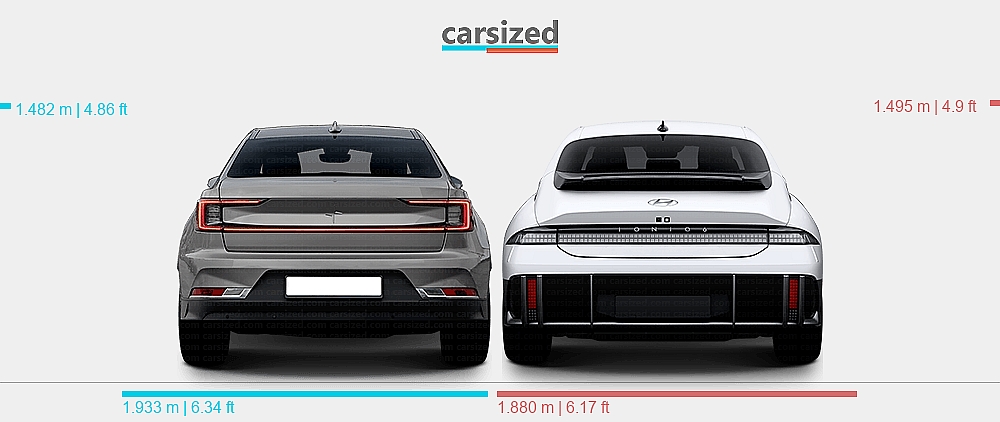
The Ioniq 6’s rear tapers into a blade-like spoiler, while the Polestar 2’s taillights bleed into the C-pillar like molten lava. Which design language resonates more? The Ioniq 6 feels like a concept car that escaped into reality; the Polestar 2 looks like a statement you’d hang in a modern art gallery. But in the end, does art matter when your battery dies at 70%?
Range Roulette: Who’s Playing the Long Game?
Hyundai claims the Ioniq 6 can stretch up to 361 miles on a charge, thanks to its ultra-efficient battery and heat pump. The Polestar 2, with its 78 kWh pack, maxes out at 320 miles. But here’s the twist: real-world conditions are the ultimate spoiler. Cold weather, aggressive driving, and fast charging can shave off 20% from both. The Ioniq 6’s efficiency edge becomes razor-thin when you’re stuck in traffic, while the Polestar 2’s torque-rich motor feels like a coiled spring ready to unleash itself at a moment’s notice.
Then there’s the charging game. The Ioniq 6 can gulp down 240 kW, refilling from 10% to 80% in under 18 minutes. The Polestar 2’s 150 kW charger feels like a polite sip in comparison. But speed isn’t everything. The Polestar’s charging curve is smoother, less stressful on the battery, and its regenerative braking is tuned like a Swiss watch. Which do you value more: the thrill of a quick top-up or the serenity of a gentle, predictable charge?
Interior Alchemy: Scandinavian Serenity vs. Korean Cyberpunk
Step inside the Ioniq 6, and you’re greeted by a floating center console, dual 12.3-inch screens, and a dashboard that looks like it was carved from a single slab of obsidian. The Polestar 2, meanwhile, embraces raw Scandinavian brutality—recycled materials, exposed bolts, and a minimalist touchscreen that feels like a digital extension of your soul. The Ioniq 6 is a spaceship; the Polestar 2 is a monk’s cell. One seduces with technology; the other hypnotizes with restraint.

But which is more habitable? The Ioniq 6’s seats are plush, supportive, and adjustable in ways that feel like they belong in a luxury yacht. The Polestar 2’s seats are firmer, more sculpted, and wrapped in vegan leather that smells suspiciously like ambition. The Ioniq 6 has ambient lighting that shifts colors like a mood ring; the Polestar 2 has a single, unobtrusive light that glows like a distant star. One is a lullaby; the other is a manifesto. Which do you need more: comfort or conviction?
Performance Paradox: Torque Monsters vs. Track-Ready Refinement
The Polestar 2 Twin Motor AWD can summon 408 horsepower and 503 lb-ft of torque, launching from 0-60 mph in 4.1 seconds. The Ioniq 6 Long Range RWD, with its 229 hp single-motor setup, feels like a tortoise in comparison—until you realize it’s a tortoise with a PhD in efficiency. The Polestar 2 is a riot; the Ioniq 6 is a revelation. One thrills; the other endures. But in a world where every second counts, can refinement truly compete with raw exhilaration?
The Polestar 2’s suspension is taut, almost aggressive, tuned for corners like a race car. The Ioniq 6’s ride is supple, almost floaty, designed to swallow potholes like they’re nothing. The Polestar 2 feels alive; the Ioniq 6 feels effortless. Which driving experience do you crave: the adrenaline rush of a rollercoaster or the smooth glide of a luxury liner?
Tech Tussle: Overwhelm vs. Understatement
Hyundai’s Bluelink system is a digital Swiss Army knife—remote parking, vehicle health reports, and enough connectivity options to make a smartphone jealous. Polestar’s Google Built-in interface is cleaner, more intuitive, and seamlessly integrated with your existing apps. The Ioniq 6 throws features at you like confetti; the Polestar 2 hands you a single, perfect rose. One is a firehose of information; the other is a whisper of elegance. Which tech philosophy aligns with your digital life?
Then there’s the voice assistants. The Ioniq 6’s Bluelink responds with the enthusiasm of a game show host. The Polestar 2’s Google Assistant feels like a calm, collected librarian. One is a carnival barker; the other is a trusted advisor. In an era where tech fatigue is real, which approach leaves you feeling more in control?
Price Punch: Bang for Your Buck or Budget Betrayal?
The 2026 Ioniq 6 starts around $42,000, while the Polestar 2 begins at $49,900. But that’s just the sticker price. Factor in incentives, charging costs, and resale value, and the math gets murky. The Ioniq 6’s efficiency means lower running costs; the Polestar 2’s premium materials and performance justify its higher upfront cost. Which investment feels more secure: a high-mileage marathoner or a flashy sprinter?
Then there’s the used market. Polestar’s exclusivity might keep its value higher, while Hyundai’s volume could make the Ioniq 6 a depreciation darling. Which risk are you willing to take?
The 2026 Hyundai Ioniq 6 and Polestar 2 aren’t just cars—they’re ideologies. One champions efficiency as a virtue; the other, design as a rebellion. One is a marathoner; the other, a sprinter. One whispers; the other roars. But here’s the truth: the perfect electric sedan doesn’t exist. There’s only the one that aligns with your priorities, your lifestyle, your soul. So ask yourself: Do you want a car that fades into the background, or one that demands to be seen? Do you crave the thrill of acceleration, or the peace of a long, uninterrupted drive? The road ahead is electric. The choice is yours.