The first thing people notice about the 2026 Honda Civic Hatchback is how deceptively roomy it feels. The hatch opening looks compact in photos. The dimensions, on paper, don’t scream “weekend expedition.” Yet, the moment you try to load something real—an awkward bicycle frame, a soft duffel, a hard-sided suitcase—the story changes. That’s the charm. It’s not just cargo capacity. It’s the way the Civic Hatchback seems to think ahead with practical geometry and clever packaging. Even skeptics tend to pause halfway through the loading process, as if the car is quietly correcting their assumptions.
This cargo test focuses on a particularly relatable challenge: getting a bike and luggage to coexist without turning the trunk into a tangled puzzle. Along the way, you’ll see why the Civic’s design creates a kind of fascination—less spectacle, more satisfaction—like a well-tuned mechanism that simply behaves.
Setting Up the Cargo Test: What We’re Actually Trying to Solve
Most reviews measure cargo with numbers. This one measures friction—the real resistance you feel when you’re lifting, angling, and negotiating space. A bicycle isn’t just bulky; it’s irregular. Wheels want to roll. Frames want to catch. Bags want to slump into voids you didn’t realize were there.
To replicate everyday use, the test scenario blends two common needs:
1) Bike transport for commuting or weekend riding.
2) Luggage for travel—soft bags, a trunk-friendly suitcase, and a few “extras” like helmets, chargers, and a rain layer.
The goal isn’t maximality. It’s harmony. You want to close the hatch without disassembly yoga, and you want the items to stay secure rather than migrate around every bump.
Hatch Layout and Opening Geometry: Why It Feels Easier Than It Looks
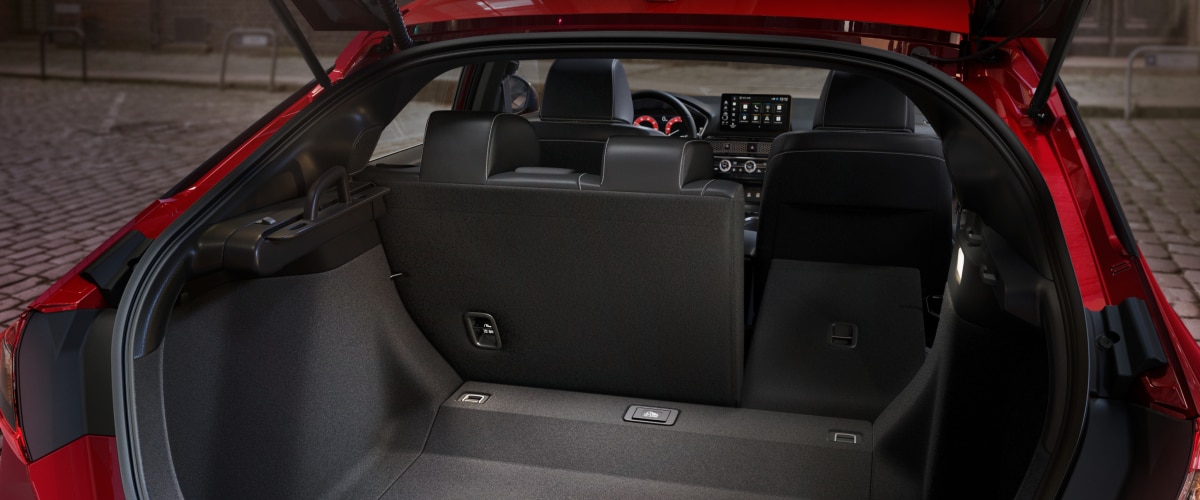
Let’s address a common observation right up front: many people assume hatchbacks are “good enough” for groceries and maybe a weekend bag—then they try something larger and feel betrayed by reality. The 2026 Civic Hatchback Hatch does better than expected, partly because of its opening geometry.
The hatch opening provides a practical angle for loading. The lip height is manageable enough that you’re not forced into awkward underhand lifting. That matters. In real life, posture is cargo too. A lower, friendlier opening reduces the micro-torques you apply when moving heavy items. Less strain often means fewer mistakes—like bumping the bumper or scratching a suitcase edge.
Equally important is how the cargo floor area behaves. It doesn’t feel like a deep, cavernous pit where items vanish into unreachable corners. Instead, it feels like a usable platform with thoughtful reach.
Bike Fit: The Reality of Frames, Wheels, and the Art of Orientation
Here’s where the Civic Hatchback earns its reputation. A bike in a hatchback is always a geometry contest. You can’t treat it like a box. You must choose an orientation that plays to the trunk’s shape.
In the Civic’s cargo area, you can typically position the bicycle so the wheels don’t become obstinate barriers. Often, the trick is to manage the frame’s angles—rotating it slightly so it “tracks” along the cargo contours rather than colliding with them. This isn’t just convenience; it’s physics with manners.
Many riders discover that removing the front wheel (or at least loosening it) is the difference between a smooth load and a frustrating cram. When wheels are detached, the bike becomes a series of flatter volumes you can nest against luggage. That nesting effect is where the fascination begins—space that first looks insufficient suddenly becomes credible.
And then there’s securing. A bike that shifts inside the cargo area can turn a calm trip into a rattling soundtrack. Proper fit allows straps or cargo nets to do their job, keeping the bike stable and preventing luggage from absorbing unintended impacts.
Luggage Fit Under the Floor: A Quiet Advantage People Overlook
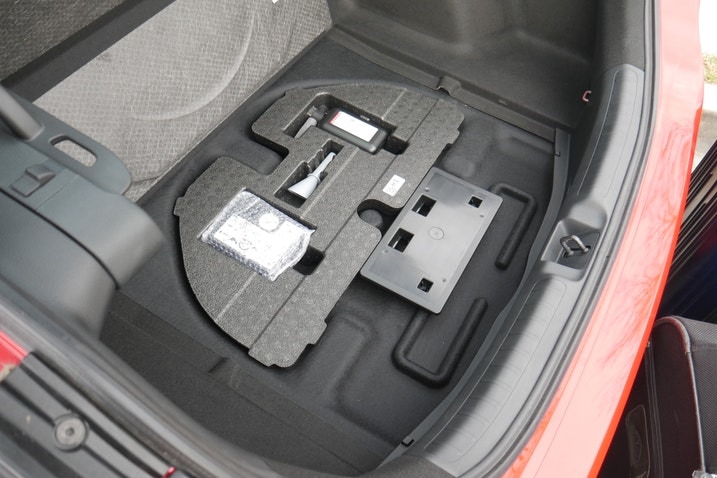
A common assumption is that trunk under-floor storage is “nice, but secondary.” In practice, it can be a decisive advantage—especially for travel. You can tuck away small gear where it won’t roll or clutter the main cargo chamber.
For instance, helmets, gloves, charging cables, and a compact tool kit behave beautifully under the floor when the main area is dedicated to the bike and larger suitcases. This reduces the temptation to throw everything on top of the cargo pile. The result is not just tidiness—it’s improved load stability.
The deeper reason this feature draws attention is psychological. When the car offers a designated place for small items, you naturally organize better. And better organization makes larger loads easier to manage. It’s a small design gesture that unlocks a big behavioral shift.
How Cargo Layers Together: Nesting Bike, Suitcase, and Bags
The most satisfying part of any cargo test is the layering sequence. It’s rarely a single “slot.” It’s a choreography.
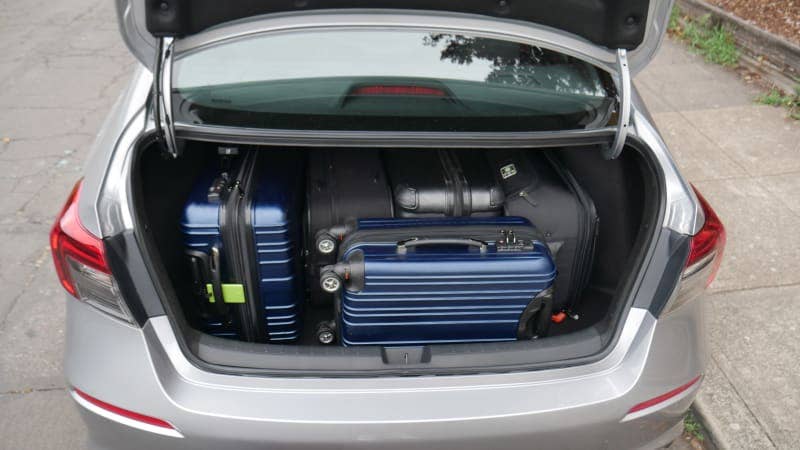
Start with the largest, most angular item—the bike. Then add luggage in a way that complements the bike’s footprint. Soft bags are the best companions to irregular shapes because they deform slightly and fill gaps. Hard-sided luggage demands more clearance, but it can be placed where it won’t press against delicate components.
A smart strategy is to place luggage toward the edges, allowing the center space to remain functional for straps and securement. If you’ve ever arrived at a destination to find your bag tilted or your contents reshuffled, you know why this matters. Cargo stability isn’t a luxury; it’s the difference between “packed” and “unpacked.”
Practical Daily Use: Commuter Runs and Weekend Adventures
Bike-and-luggage needs aren’t only for road trips. Many owners treat the hatch as a moving locker: commuting with a bike, then switching to errands, then ending with weekend travel. The Civic Hatchback’s approach supports these transitions.
It’s easier to reconfigure your load when the cargo area doesn’t feel like a maze. The Civic’s cargo space tends to reward quick packing decisions. You can grab a bag, slide it into place, and close the hatch without staging a full production.
And when the day turns messy—rain gear, muddy shoes, a damp jacket—the hatchback’s design keeps you from feeling trapped by “perfect order.” You pack with realistic optimism, knowing the car’s cargo area can absorb everyday irregularity.
What It Says About Design Philosophy: Why the Civic Keeps Pulling You In
There’s a reason people become strangely enthusiastic about cargo tests. Not because everyone needs to haul a bike every day. It’s because cargo reveals intent. It shows whether the engineers planned for human behavior—lift angles, storage habits, and the way people actually move through their routines.
When a hatchback surprises you with usability, it signals a deeper fascination: the car isn’t just transporting objects; it’s streamlining your life. The Civic Hatchback’s cargo layout communicates confidence. It nudges you to load smarter rather than wrestle space into submission.
That’s the real takeaway. The 2026 Honda Civic Hatchback doesn’t only carry bike and luggage. It invites you to believe that practicality can feel elegant.
Final Verdict: Bike & Luggage Fit in One Confident Hatch
So, how does the 2026 Honda Civic Hatchback handle a bike and luggage load? In short: more smoothly than the skeptical mind expects. The hatch opening and cargo floor feel genuinely usable. The under-floor storage adds a layer of organization that keeps small items from turning into clutter. Most importantly, the Civic’s cargo geometry supports a nesting approach—where bike components and luggage complement each other rather than fight for space.
If you’ve ever stared at a hatchback’s curbside profile and wondered whether it could truly manage a bicycle and a trunk full of travel essentials, this test answers the question with a grin. The Civic doesn’t just fit your gear. It fits your routine—with just enough cleverness to make loading feel almost gratifying.