Picture this: you’re standing at the crossroads of capability and identity, staring at four distinct silhouettes—SUV, truck, EV, and sports car. Not four “types,” exactly. Four philosophies. Each one promises a particular kind of freedom, yet each one asks you to trade something in return. The trick isn’t choosing what looks impressive. It’s choosing what will still feel right after the honeymoon glow fades—after the first commute, the first road trip, the first long charge, the first moment you wonder why you didn’t buy something else.
This buying guide leans into that shift in perspective. Instead of asking, “What’s the best vehicle?” it asks, “What kind of life do you want your vehicle to participate in?” Then it translates that into practical criteria for 2026 Chevrolet shoppers—without flattening the decision into a spreadsheet.
Start with the question behind the purchase
Most shopping lists begin with horsepower, towing ratings, or cargo volume. Those are useful—but they’re the surface. Underneath, your purchase is really a statement about priorities: convenience versus engagement, utility versus elegance, immediacy versus patience.
In 2026, Chevrolet’s lineup invites a broader conversation than “gas vs not-gas.” The differences can be felt in how a vehicle responds to your hands at low speeds, how it behaves when the road tilts, and how your daily routine changes once you adopt electrified momentum or lean into truck-grade practicality.
Before comparing body styles, clarify three anchors: how far you travel, how often you carry or tow, and how much you value driving sensation. Those anchors will make the next sections feel less like browsing and more like recognition.
SUV: the mobile headquarters for modern life
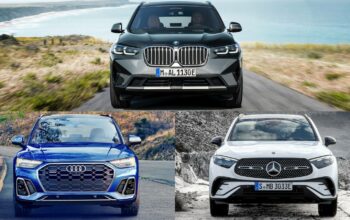
An SUV is less about being taller and more about being ready. It’s the vehicle form that says, “We can do the errand today and the escape tomorrow.” For families, for busy schedules, for people who live in motion, the SUV promises a particular kind of orchestration: space when you need it, composure when you don’t.
In a 2026 buying context, the SUV decision often comes down to three practical questions. First: can it swallow real-world cargo—strollers, coolers, tools, sports gear—without turning packing into a puzzle? Second: can it maintain confidence on imperfect roads? Third: does it make commuting feel effortless rather than merely tolerable?
The SUV’s “glamour” is usually quiet. It’s the way visibility improves at intersections. It’s the supportive seating. It’s the ability to switch modes—from cargo management to passenger comfort—without friction. That’s why many buyers ultimately choose the SUV even when they think they want a truck.

Truck: when utility becomes a lifestyle credential
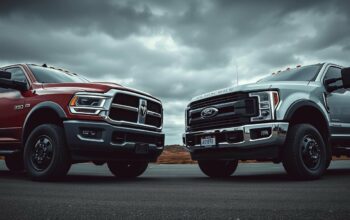
A truck is not merely a vehicle; it’s a permission slip for bigger plans. Where an SUV asks you to work with what’s inside, a truck invites you to bring more of your world along—lumber, equipment, bikes, job-site loads, weekend toys. The promise is straightforward: capability you can call on without negotiating with the trunk.
But “truck” isn’t one emotion. It ranges from work-first practicality to comfort-first refinement. In a 2026 Chevrolet buying guide, that range matters. Some buyers want a cabin that feels like a retreat after a long day. Others want a stance that reads like competence even before you start the engine.
When evaluating a truck, look beyond peak numbers. Pay attention to how the bed integrates with daily use: tie-down practicality, bed access height, and the ease of loading when you’re tired. Consider towing habits realistically—frequency, distance, and the weight you actually pull. Lastly, assess the driving feel. If you’ll be in traffic every weekday, comfort and steering stability stop being “secondary” and become central.
A truck purchase can be a self-fulfilling prophecy: once you own it, you start doing more of what you planned “someday.” That’s not marketing. That’s psychology, engineered into the chassis.
EV: electrified immediacy with a new rhythm
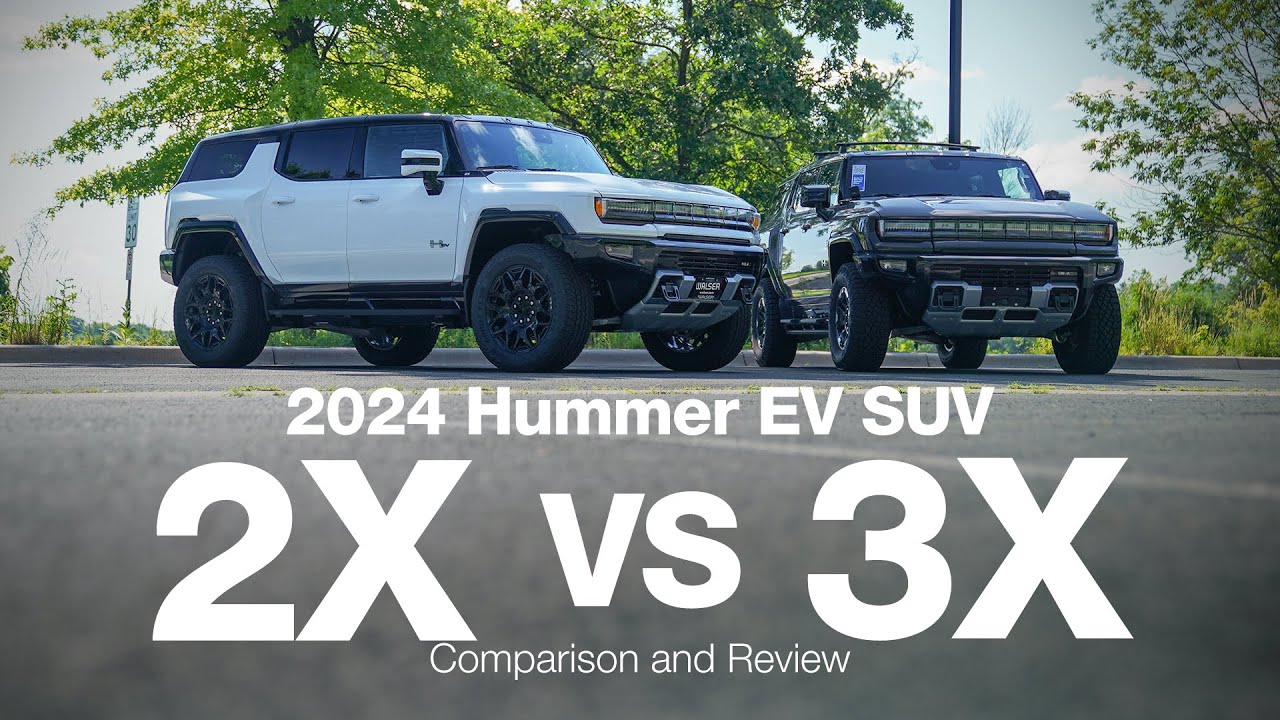
An EV doesn’t just change how you fuel. It changes how you anticipate. The promise of electrification is immediacy—strong torque delivered with smooth consistency, fewer routine maintenance items, and a drive that feels oddly quiet yet oddly urgent.
However, electrified convenience is not universal. Your life determines whether EV ownership feels effortless or mildly complex. If you can charge at home, your routine becomes a loop: plug in, forget it, wake up to readiness. If you can’t, your decision requires a more deliberate map—charging availability, station reliability, and how your travel patterns match typical charging intervals.
In a 2026 Chevrolet EV conversation, consider these EV-specific realities. Range is only part of the story; efficiency matters just as much, especially in cold weather or when cruising at higher speeds. Charging speed is also a lifestyle variable: a fast charge can be a convenience feature, but a network can be the real deciding factor. The most satisfying EV ownership experiences usually come from aligning your daily mileage with your charging infrastructure.

Then there’s the intangible shift: EV driving can re-train your attention. Regenerative braking encourages smoother speed management. Instant response makes merging feel simpler. The vehicle often becomes less about “engine sound” and more about “traction confidence.” When you adapt, driving starts to feel like an elegant negotiation between traction and your right foot.
Sports car: a smaller footprint with a louder heartbeat
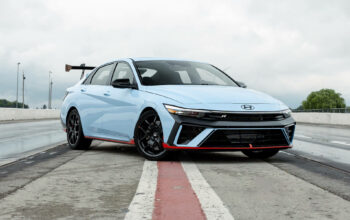
Sports cars are not built for versatility in the cargo-shelf sense. They are built for sensation. The promise is engagement: steering feel, braking authority, and the kind of acceleration that turns an ordinary road into a personal stage.
For 2026 buyers, the sports car category often attracts people who crave clarity. Not just faster times—clarity in direction changes, clarity in throttle response, clarity in how the car communicates through the seat. A sports car doesn’t merely transport you; it teaches you the road.
Still, an honest buying guide includes the tradeoffs. Sports cars can compromise on back-seat utility, cargo access, and long-distance comfort depending on model configuration. If you’re the kind of driver who loves the ritual of weekend drives, that’s a feature. If you’re commuting daily with passengers and gear, that’s a question to resolve up front.
When shopping, test the “connectedness.” During a drive, notice how quickly the car translates intention—lane changes, gentle corner entries, braking transitions. A great sports car doesn’t overwhelm. It invites you in.
How to choose: a decision framework that feels human
Try this method: list what you do most, not what you imagine doing once a year. Then assign each activity a weight. A family weekend may outweigh a towing job you do twice. A job-site load might outweigh a desire for smooth commute comfort. A daily ride under 30 miles may make EV ownership more straightforward than you first expected. A weekly spirited drive might justify sports-car priorities.
Next, separate needs from preferences. Needs include safe visibility, usable space, and predictable control. Preferences include sound, styling, and “the way it makes you feel.” When those lines get blurred, shopping becomes confusing.
Finally, consider ownership friction: how often you’ll park, how easy it is to load the vehicle, how simple refueling/charging becomes, and whether the driving dynamics match your temperament. This is where perspective shifts. A vehicle that feels fantastic on a showroom day can feel merely “fine” after a month of reality. Conversely, a vehicle that seems understated can reveal its brilliance through consistent usefulness.
Test drives that actually answer questions
When you test drive, don’t just chase speed. Chase authenticity. For SUV and truck shoppers, drive on a road that includes uneven surfaces and stops-and-starts. Feel the suspension composure. Notice how the vehicle handles tight turns at low speeds—those are the moments most owners encounter daily.
For EV shoppers, ask for a ride that includes gentle highway segments and slower in-town traffic. Pay attention to throttle modulation and regenerative braking behavior. If possible, simulate your routine: acceleration expectations, traffic creeping, and how the vehicle behaves when you lift off the pedal.
For sports car shoppers, prioritize the transitions: turn-in response, brake pedal feedback, and how the car behaves mid-corner. The goal is to understand whether the car’s personality aligns with your own.
Final perspective: choose the vehicle that matches your tempo
SUVs promise readiness and spatial confidence. Trucks promise capability and real-world utility. EVs promise electrified immediacy and a new routine. Sports cars promise engagement and the joy of precision.
The best 2026 Chevrolet purchase is the one that changes your days for the better without demanding that you constantly compensate. Think of the decision less as a comparison of specs and more as a match of tempo—your daily rhythm, your future plans, and the kind of driving story you want to keep writing.
When the choice finally clicks, you’ll feel it. The vehicle won’t just fit your driveway. It will fit your life.