The 2026 BMW i7 arrives like a polished argument for the future—quiet, commanding, and dressed for the kind of attention that usually belongs to royalty. Yet it doesn’t simply glide through traffic with the practiced composure of a typical luxury EV. Instead, it carries a subtle sporty voltage beneath the silk-smooth surfaces. This is electric luxury with a faintly aggressive heartbeat: refined, but unwilling to be merely background.
In the sections that follow, readers can expect a layered review that moves beyond glossy first impressions. We’ll explore how the i7 translates electric propulsion into real-world rhythm, how its interior technology feels less like a gadget collection and more like an ecosystem, and how performance-minded settings shape the driving experience. Along the way, you’ll also find guidance on what to look for—whether you’re considering ownership, comparing trims, or simply trying to understand where BMW has chosen to draw the line between comfort and exhilaration.
Design That Signals Prestige, Not Just Power
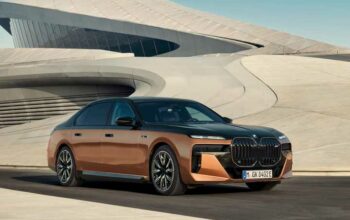
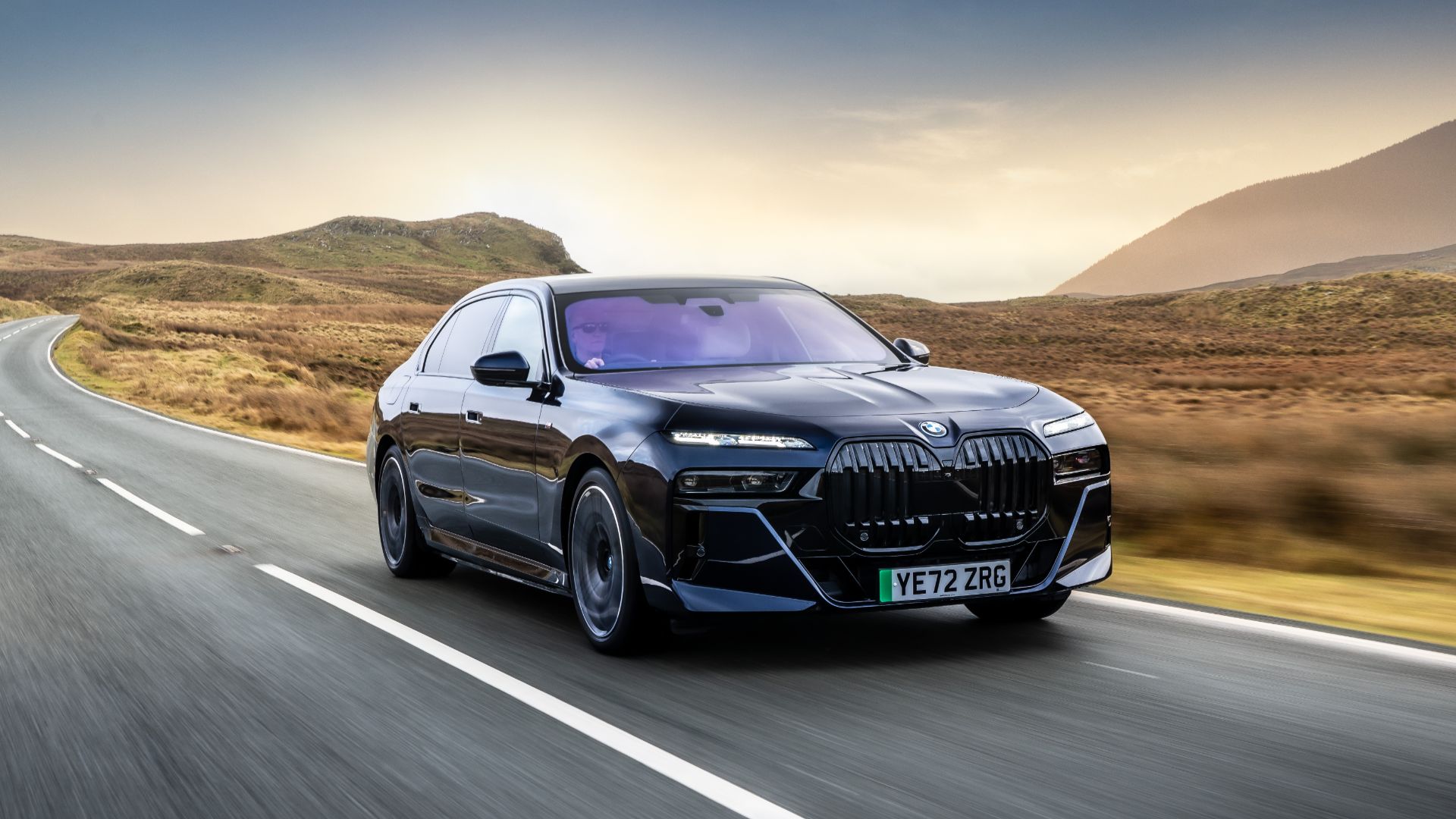
BMW’s design language on the i7 doesn’t shout. It speaks fluently, with restraint. The proportions read as deliberate—long hood, stretched stance, and a silhouette that seems to hold its breath even at rest. Every surface appears calculated for clarity: sharp character lines where you’d expect structure, smooth gradients where you’d expect calm.
The front fascia frames the car with confidence. Even at a standstill, the vehicle suggests momentum. The lighting signature becomes a signature rather than an accessory, a kind of visual Morse code for modernity and control. From the side, the bodywork feels sculpted to reduce visual noise. From the rear, the design resolves into a cohesive statement—low, wide, and unmistakably premium.

Interior: A Lounge With a Pulse
Step inside and the i7 feels less like entering a car and more like entering a private suite. Ambient lighting washes across the cabin in a way that seems engineered for mood rather than decoration. Materials look chosen for longevity—visually rich, tactile, and designed to resist the dulling effects of everyday use.
What stands out is the balance between opulence and usability. Controls are positioned with an ergonomic seriousness. Textures and finishes don’t merely look premium; they reduce cognitive friction. That means fewer moments spent searching, fewer micro-decisions, and more time spent feeling present—especially important in a flagship EV where comfort should remain effortless.
In a sporty-leaning configuration, the seat design often suggests a firmer stance. Bolstering supports posture without turning the cabin into a race cockpit. It’s a subtle compromise: luxury remains the protagonist, while sportality plays its supporting role with conviction.
Technology and Infotainment: More Than Screens
Electric luxury lives and dies by software, and the i7 understands that. The dashboard experience is designed to feel integrated rather than layered. Menu systems are meant to guide without overwhelming. Navigation, media, and vehicle settings are presented with a focus on speed—less waiting, fewer taps, more intuitive continuity.
For many owners, the most compelling “technology” will be the quiet kind: how quickly the cabin reaches a comfortable climate, how seamlessly audio transitions in the background, and how responsive the vehicle feels when you ask it for attention. In that sense, the i7’s system design is a choreography—everything synchronized to reduce friction and amplify calm.
Expect regular capability demonstrations through features like remote connectivity, charging status oversight, and driver personalization. The best versions of these systems learn your habits: preferred drive mode, seat adjustments, and climate temperature patterns. Over time, the i7 can feel less like equipment and more like anticipation.
Electric Powertrain: Smooth Torque, Measured Drama
BMW’s electric engineering makes acceleration feel immediate but not frantic. The torque delivery arrives like a controlled surge—strong enough to remind you this is an EV, yet calibrated to keep passengers comfortable. It’s the difference between sudden shove and confident propulsion.
In everyday traffic, the i7’s drivetrain offers a near-silent authority. Stoplight sprints become less about drama and more about precision. On open roads, the vehicle maintains composure. Power comes in strong linearity, and the car rarely feels overwhelmed by its own mass. That’s a crucial point for a luxury flagship: performance should be legible, not chaotic.
Driving Dynamics: Where Sporty Edge Shows Up
“Sporty twist” isn’t a marketing phrase when it changes how the car communicates. In sporty-oriented trims and settings, steering response tightens. Throttle mapping sharpens. The suspension calibration can feel more intent, with reduced body float and better control over transient transitions.
You don’t drive the i7 like a sports sedan every day—because you won’t want to. But you can still feel the undercurrent of athleticism. Corner entry becomes more confident. Mid-corner composure improves. Even the sensation of speed can become more refined, thanks to stable chassis behavior.
In comfort mode, the i7 behaves like a private jet: fluid, insulated, and unhurried. In sport mode, it becomes more communicative. Both experiences serve the driver, which is ultimately what good luxury should do—match the mood, then amplify it.
Ride Quality and Noise Management
The i7’s luxury credibility is measured in silence. EVs have a natural advantage, but true refinement is about how well the cabin handles road texture and wind behavior. The best long-distance feel comes from isolating harshness without sterilizing the driving experience. The i7 aims for that sweet spot.
At highway speeds, the cabin typically remains calm. Road noise is filtered in a way that preserves comfort while still allowing the driver to feel a sense of traction and stability. It’s not a sensory blackout. It’s a curated soundscape, the automotive version of acoustic layering in high-end homes.
Range, Charging, and Real-World Practicality
Range is the question almost every EV buyer asks first. The i7’s electric endurance must be credible for commuting, weekend travel, and the inevitable detours that life creates. While official figures provide a baseline, real-world outcomes depend on speed, weather, tire choice, and driving style.
Charging capability matters just as much. A luxury EV is expected to fit into modern life—home charging for routine use, public fast charging for longer journeys. The most important detail is not merely whether the i7 can fast-charge, but how efficiently it manages energy flow and how predictably it behaves when time matters.
For owners, charging strategy becomes part of the lifestyle. Set schedules at home, monitor battery temperature when needed, and plan routes with an eye toward reducing unnecessary fast-charging reliance. The i7’s navigation and charging guidance should help reduce anxiety, making the ownership experience feel more like routine convenience than technical management.
Safety, Driver Assistance, and Confidence
Flagship vehicles carry a responsibility beyond comfort: they must keep occupants protected and the driver supported. The i7’s safety suite is designed to reduce workload, especially during long highway drives. Expect driver assistance systems that help with lane management, distance monitoring, and collision avoidance strategies.
Good driver assistance doesn’t replace attention—it preserves it. The best systems create a buffer between driver intent and real-world complexity. When calibrated well, the i7 feels both secure and composed, like a guardian that stays quiet until it’s necessary.
Trim Choices and Who This Car Is For
The i7’s appeal is broad, but it isn’t generic. It’s for drivers who want electric calm with the flexibility to become more engaging when the road invites it. It suits commuters who value effortless daily operation and families or executives who spend time on long routes.
Sport-oriented variants often attract buyers who refuse to surrender steering feel and dynamic confidence. Comfort-focused trims appeal to those who want the car to behave like a lounge at any speed. In either direction, the i7 remains a statement of taste—an EV that treats refinement as a primary feature, not a side effect.
Ownership Experience: Cost, Maintenance, and Longevity
Owning a luxury EV is a mix of practicality and aspiration. Maintenance trends are typically different from traditional engines—fewer moving parts, different service intervals, and a focus on drivetrain health checks rather than oil and combustion-related wear. Still, luxury ownership includes tire management, brake system inspection, battery monitoring, and software updates that keep the car current.
Battery longevity is usually supported by thermal management and smart charging behavior. The best approach is consistent: avoid unnecessary extreme charging sessions, maintain healthy charging habits, and use recommended procedures when charging schedules vary. Over time, good care helps preserve capacity and drive quality.
The Verdict: Electric Luxury, Sharpened
The 2026 BMW i7 doesn’t just offer electric mobility—it offers a refined emotional tone. It’s confident without being aggressive, luxurious without being soft, and sporty enough to keep the driver engaged rather than merely transported. In a world where many EVs compete on efficiency alone, the i7 competes on composure.
It’s a car designed to make long drives feel shorter, to make daily commutes feel quieter, and to make performance feel less like spectacle and more like control. Choose it for the elegance. Stay with it for the edge.