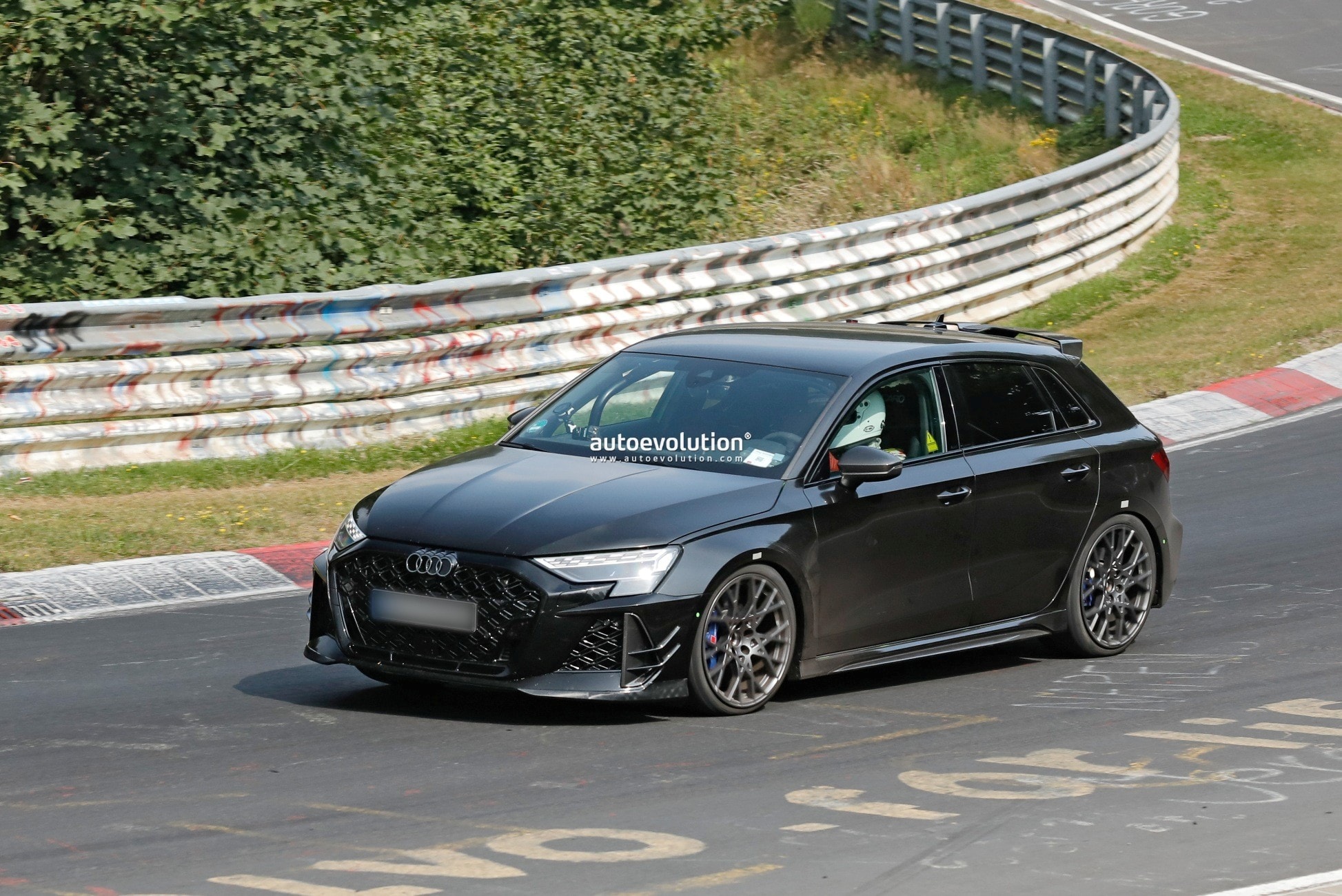
The question practically pops like a champagne cork: will the 2026 Audi RS3 Sportback finally roll into the US market—or will it stay a tantalizing rumor on the other side of the ocean? Picture this: you’re at a dealership, thumb hovering over the spec sheet, and then—surprise—there’s only a page of polite maybes. It’s a familiar sort of suspense. And yet, it’s not just romance. It’s logistics, regulations, timing, and a whole constellation of decisions made far away from your test-drive fantasy.
So let’s wander through the possibilities with an enthusiastic, slightly mischievous grin. Along the way, we’ll uncover what could make the 2026 RS3 Sportback a real American arrival—and what might turn it into one of those “would’ve, could’ve” stories that car people recite like campfire legends.
Why the US Market Is the Big Wild Card
Every RS model has a personality, but the US market has a temperament of its own. The United States isn’t merely another destination; it’s a regulatory maze with consumer expectations attached like aftermarket vinyl. Audi doesn’t just decide “yes” or “no” based on engineering pride alone. It weighs emissions compliance, crash-test alignment, homologation logistics, and even how the model will fit into existing lineup strategy.
Now imagine the challenge: the US might want the RS3 Sportback, but the RS3’s arrival depends on whether the exact configuration—engines, exhaust calibration, cooling packaging, software, safety systems—can be legally and economically offered. That part is rarely glamorous. It’s the part where spreadsheets compete with horsepower dreams.
And yet, the appetite is real. US drivers love compact performance because it’s versatile. You can hustle in traffic, then disappear onto an on-ramp with a grin that lasts until the next stoplight. The RS3 Sportback fits that emotional niche perfectly—if Audi decides the fit is worth the friction.
The 2026 RS3 Sportback: What Would Make It Worth the Wait?
If the 2026 RS3 Sportback reaches US shores, it won’t be arriving as a generic update. The RS3 line tends to evolve like a well-tuned melody—same theme, sharper arrangement. Expect refinements that go beyond the obvious styling cues. Audi typically sharpens handling geometry, calibrates throttle response, and revises power delivery so the car feels eager at low speeds and formidable at speed.
There’s also the interior expectation. In the RS3 Sportback, even “daily” should feel like you’re borrowing a sports-lounge atmosphere. The Sportback format matters, too. It’s not just a body style; it’s a practical wink—hatch utility for groceries, gear, or a weekend detour. In the US, where road trips are basically a cultural reflex, that hatchback flexibility can be a decisive advantage.

Of course, the US might demand additional tailoring. Audi could adjust infotainment behavior, driver-assistance configurations, or menu language. Small changes, big impact—because when a car lands in a new market, it needs to feel native, not imported like a mismatched sock.
Supply, Demand, and the “Is It Too Niche?” Problem
Let’s be honest: performance compacts are a niche within a niche. The RS3 isn’t a mass-market sedan that anyone can shrug into. It’s an enthusiast magnet. That’s great for brand cachet, but tricky for production planning. Audi has to forecast demand with an accuracy that’s almost suspiciously precise.
One potential challenge: if Audi expects demand to be strong internationally but weaker in the US relative to other “hot” models, the decision becomes a balancing act. The company must consider allocations, production slots, and how many buyers it might cannibalize from other Audi performance platforms.
Still, the RS3 Sportback has advantages that are hard to ignore: compact dimensions, all-weather confidence through Quattro-style traction habits, and a powertrain character that tends to attract drivers who want something more tactile than a numb commuter.
Regulations: The Hidden Hurdle Behind Every Arrival
Emissions compliance is the unglamorous villain in many “will it come?” stories. Even if a car is ready to be sold elsewhere, US rules can require recalibration of engine mapping, exhaust components, and monitoring strategies. Sometimes it’s straightforward. Sometimes it’s a multi-month marathon of testing and certification.
And there’s another layer: US consumers increasingly expect advanced driver-assistance features, plus refined safety integration. If the 2026 RS3 Sportback’s technology package differs by region, Audi may need to reconfigure how systems communicate—because sensor behavior, firmware compatibility, and safety logic can’t be copy-pasted across continents like a meme.
Here’s the playful part: even if the RS3 is “already perfect,” it still has to pass the ritual of American legal alchemy. The car must become a US citizen, not just a traveler.
Competition: Why the RS3 Must Fight for Attention
The RS3 Sportback wouldn’t arrive into a quiet room. It would walk into a ring full of rivals: sporty compact sedans, premium performance hatches, and other turbocharged contenders eager to steal headlines. The US market tends to reward a blend of performance and everyday usability—things like rear-seat comfort, cargo practicality, and dealer support.
So if Audi brings the 2026 RS3 Sportback, it has to make an argument beyond raw speed. The value proposition might hinge on handling sharpness, ride quality calibration, brake confidence, and the “it feels expensive” sensation that performance cars earn through details—pedal modulation, steering weight, and how the chassis talks back when the road gets interesting.
In short, it’s not just about whether the RS3 can be built. It’s about whether it can win the attention war.
Does the RS3 GT Matter for the 2026 Story?
Spying on momentum can be a surprisingly useful hobby. When new RS3 variants appear—especially higher-intensity models—they often indicate brand focus. Even if a more extreme model isn’t the same thing as the Sportback, it can signal investment in the platform’s ecosystem. Audi doesn’t typically pour energy into performance strategies without expecting returns somewhere.

However, there’s a twist. If Audi saturates the spotlight with a GT variant, the Sportback might face a softer allocation—or it might become a more exclusive offering. That could mean fewer units, faster sell-through, or limited configurations for certain markets. Exciting? Absolutely. Convenient? Not necessarily.
Timing: When Would It Arrive, If It Arrives?
“Will it come?” is inseparable from “when?” If the 2026 RS3 Sportback enters production on schedule for Europe or other regions, Audi still needs time for US-specific certification. That timeline can shift based on regulatory changes and supply chain realities.
A late-stage delay can also occur if key components—like emission-control parts or microcontrollers for safety tech—face global shortages. In other words, even if the plan is set, the calendar can become slippery.
So the real question isn’t only whether it can arrive. It’s whether the schedule can survive contact with the real world.
What US Buyers Should Watch For
If the 2026 RS3 Sportback is heading toward the US, hints tend to appear in patterns: trademark filings, dealer bulletin rumors, configuration lists that show up and then vanish, and increasing online chatter. Even the language used in marketing sometimes changes—quietly signaling whether a product is likely to be positioned as a US-ready offering.
Another practical clue is how Audi allocates similar trims. If nearby performance models are already gaining traction in the US, that can indicate Audi’s confidence in this segment. Meanwhile, if the brand pauses other compact performance releases, the RS3’s fate might be less certain.
The Playful Final Question: Should You Wait, or Shop Elsewhere?
Here’s where the suspense turns personal. If you’re craving an RS3-style experience, waiting for the 2026 Sportback could feel like holding your breath at the starting line. But rushing into another model could mean settling for something that doesn’t quite scratch the itch.
So the playful dilemma is sharp: do you gamble on the timeline, or do you drive now and let tomorrow be tomorrow? Either choice has dignity. The real challenge is emotional—because car decisions aren’t purely rational. They’re also about anticipation, identity, and that moment when you sit down behind the wheel and realize the world got louder in the best way.
Outro: A Door That Might Open—Or Stay Half-Closed
Will the 2026 Audi RS3 Sportback come to the US market? The evidence is tantalizing, the obstacles are real, and the timing is always the secret ingredient. Audi has the engineering chops and the enthusiast loyalty. But the US arrival depends on compliance, demand forecasting, and strategic placement within a competitive field.
For now, the best stance is curious patience—with eyes open. The RS3 Sportback is the kind of car that feels like it belongs on American roads, but the final decision will be made in conference rooms far from the roar of an engine bay.
And when that door finally swings open, the question won’t be whether it can arrive—it’ll be whether you’re ready to press the accelerator on your own anticipation.