Winter has a peculiar way of rearranging expectations. It changes the feel of the air, lengthens the shadows, and—quietly, persistently—adds weight to every decision. For drivers of an electric vehicle, that weight can show up as a familiar but unwelcome question on the dashboard: how far will the battery take me when the temperature drops? The 2025 Volvo XC60 Recharge enters this cold-weather conversation with a distinct personality—pragmatic, composed, and surprisingly emotive in its engineering—yet it cannot escape the physics of winter. Range loss in cold climates is not a failure of the vehicle; it is a seasonal translation of energy from one state to another.
Think of the battery as a well-stocked pantry. In mild weather, you open the door and everything is ready. In deep cold, it’s still there, but certain ingredients behave differently: they don’t flow as easily, and they need extra time and warmth before they can be used. That’s the heart of “cold weather EV range loss”—a blend of reduced chemical efficiency, increased energy demand, and the extra work required to keep the cabin and battery in their preferred operating zones.
The Winter Tax: Why EV Range Shrinks in Cold Air
Cold weather range loss is often described as if it were a single culprit, but it is more like a cast of characters moving in formation. Battery performance declines because electrochemical reactions slow down when temperatures drop. Even if the battery is fully charged, the vehicle may need to spend more energy to deliver the same amount of usable power to the drive system.
Then there is the energy required for warmth—both for passengers and for the battery itself. In the XC60 Recharge, cabin heating can be a meaningful contributor, particularly during the first miles of a drive. Short trips are especially revealing, because the system may warm the battery and interior without enough time to settle into steady-state efficiency.
Finally, traction and rolling resistance can increase on cold roads. Tires stiffen slightly, and surfaces can behave unpredictably—subtle impacts that compound with every acceleration, every stoplight, every cautious merge. The outcome is straightforward: the vehicle’s “available miles” contract, sometimes noticeably.
Recharge in Context: What Makes the XC60 Feel Different
The 2025 Volvo XC60 Recharge is not simply a spreadsheet of energy usage. It carries the warmth of Scandinavian design cues—an ambience that feels less like a cockpit and more like a lounge. When winter arrives, that atmosphere becomes a priority. Volvo’s approach leans into comfort engineering: maintaining a cabin temperature that doesn’t feel like an afterthought, even when the elements outside are insistent.
In the cold, “comfort” is an energy consumer, yes. But the XC60’s character is in how it treats comfort as a system-level requirement rather than a luxury toggle. The result is a driving experience that remains calm, composed, and coherent, even when range projections shift in response to the weather.
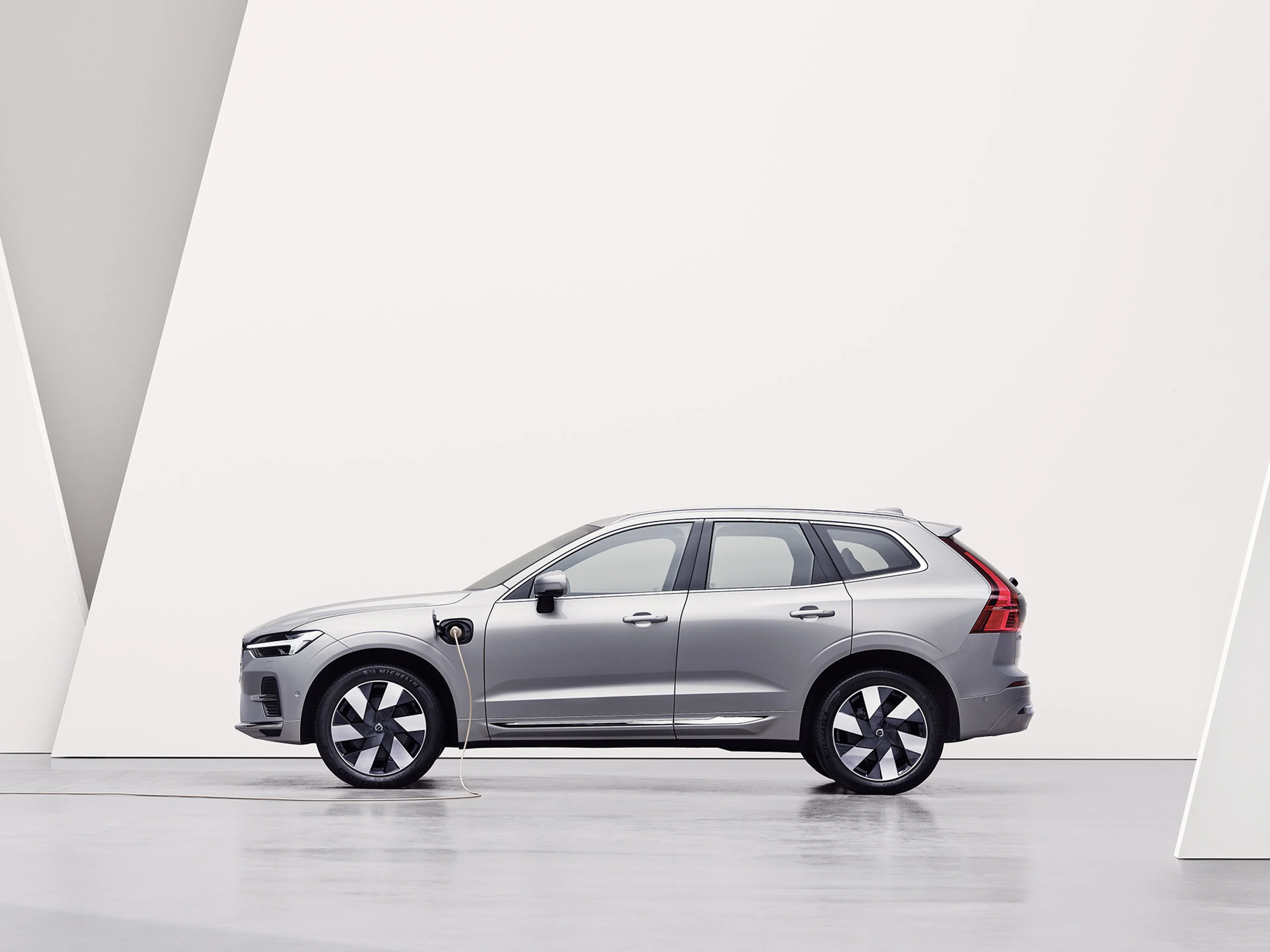
Battery Warm-Up: The Silent Negotiation Between Usable Power and Temperature
Before an EV can perform at its best, its battery chemistry needs to be in the right mood. When the temperature is low, the battery may not deliver power as readily. The vehicle responds by allocating energy to bring the battery toward an optimal temperature range. This is not wasted energy so much as it is “preparation energy.” Without it, performance would be inconsistent; with it, the vehicle can deliver smoother torque and steadier efficiency.
The key is timing. If you leave immediately after starting your vehicle, the car may spend more effort warming the system, and range can drop faster in those early segments. If you precondition while plugged in, the vehicle can reduce the energy penalty that would otherwise occur during the drive. That small habit can change the story dramatically, turning a chilly first hour into something closer to ordinary.
In a metaphorical sense, preconditioning is like letting a kettle reach boil before you pour. The process still takes energy, but the payoff is immediate—warmth and readiness instead of delay and friction.
Cabin Heating vs. Efficiency: Choosing Your Comfort Dial
Winter heating behaves like a dimmer switch with a stubborn personality. Turn it up and warmth arrives; turn it down and range improves—often quickly. Traditional heating can rely on energy drawn from the battery, and in low temperatures that cost can feel disproportionate.
What makes the XC60 Recharge intriguing is that the driving comfort it offers doesn’t have to mean reckless consumption. Drivers can moderate heating strategy: use seat warming, manage airflow, and keep the cabin at a steady, tolerable temperature rather than chasing peak warmth. A slight reduction in target temperature can yield an outsize improvement in efficiency, especially during urban stop-and-go conditions.
Short, cold, and frequent drives make heating costs harder to amortize. Long steady highways can be more predictable—yet winter still exacts a toll through sustained aerodynamic and rolling resistance. The point is not to live like an ice statue. It’s to steer comfort with intention.
Cold Roads, Real Physics: Tires, Traction, and Speed
EV range loss in winter isn’t only about electricity. It’s also about how the vehicle moves through a world that resists motion more than you expect. Tires can lose grip sooner, encouraging gentler acceleration and earlier deceleration. That might sound efficient—yet the vehicle’s energy draw can increase if speeds are higher or if traction control is frequently intervening.
Speed matters more than many drivers realize. Aerodynamic drag rises sharply with velocity. In cold weather, when the battery is already working harder, the extra demand from high-speed driving becomes another layer on the range curve. Maintaining moderate speeds can feel almost like negotiating with the wind—less sparring, more glide.
Even tire pressure deserves attention. Cold air lowers tire pressure, and underinflated tires create greater rolling resistance. A small adjustment at the right time can help the XC60 Recharge waste less energy on the invisible work of motion.
When the Range Estimate Feels Dramatic: Why It Changes So Quickly
Winter range estimates can feel like a moving target, and that’s not entirely psychological. Battery efficiency shifts with temperature, and those shifts can happen gradually at first and then suddenly as the system transitions through operating modes. If you start at a lower ambient temperature, the initial estimate may be conservative. As the battery warms and the cabin stabilizes, the range projection may improve—or at least become steadier.
Charging habits also interact with winter range. If you charge to a high state of charge and begin driving immediately, the battery starts colder than it would after warming. Conversely, if you precondition before departure, you effectively arrive with a head start. Your planning and your timing become co-authors of the range outcome.
For drivers, the most effective mindset is to treat the range estimate as weather-adapted intelligence rather than fixed promise. In winter, adaptability is the real premium feature.
Driving Tactics That Actually Help: A Winter Playbook
Good cold-weather range performance comes less from one magic trick and more from a disciplined approach. Start with preconditioning when possible. If the XC60 Recharge is plugged in, use that advantage to reduce energy draw from the battery during departure.
Plan routes with charging or hybrid backup in mind. Cold climates rarely reward improvisation. When a trip is marginal, treat it as a design exercise: choose a corridor with predictable speeds, avoid unnecessary detours, and consider whether a brief recharge can convert uncertainty into confidence.
Drive with smoother inputs. Gentle acceleration lowers peak demand, and steady deceleration gives the regenerative system a chance to contribute more meaningfully. Regen is not a cure-all in every low-temperature scenario, but it can still help—especially when you avoid “stop-and-go aggression” that forces more energy to be spent than recovered.
Lastly, keep the cabin from fighting the climate. Balanced heating, smart fan settings, and seat warmth can provide a comforting environment without turning the battery into a steam engine.
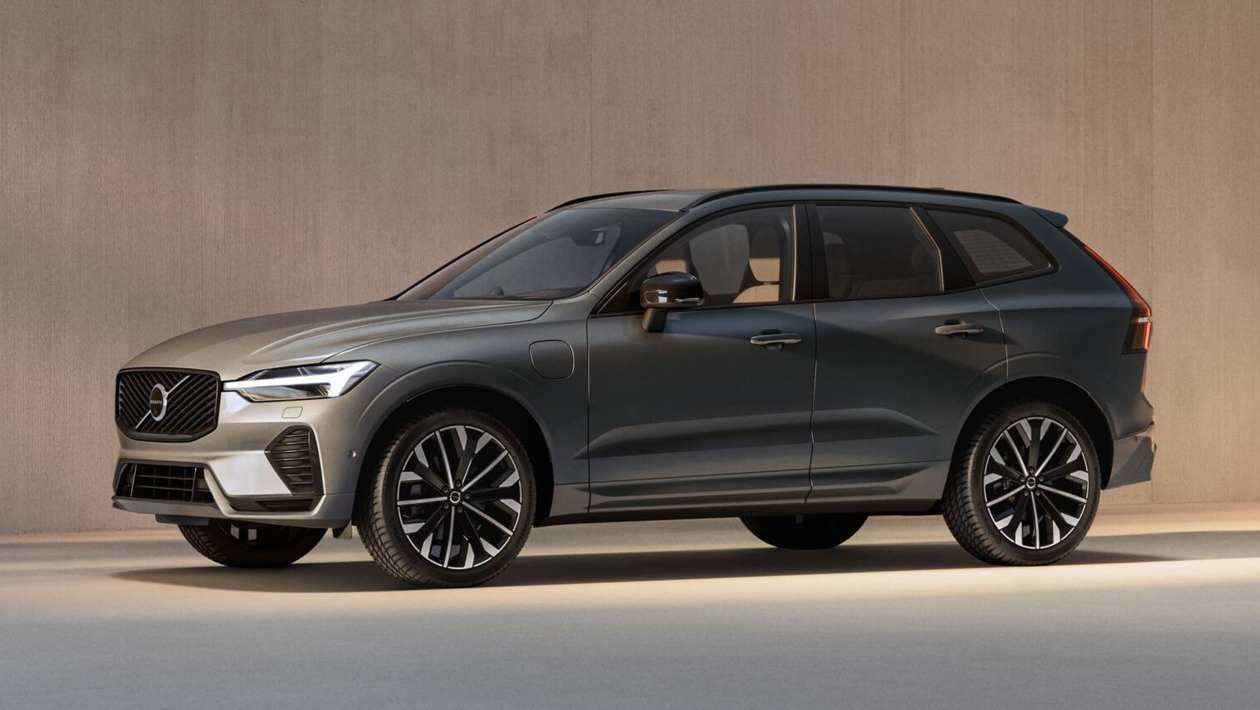
Unique Appeal: How Comfort, Confidence, and Technology Coexist
Cold weather is often framed as an obstacle, but the better way to see it is as a filter. It exposes habits, highlights preparation, and clarifies priorities. The 2025 Volvo XC60 Recharge resonates in this environment because it doesn’t demand that you abandon comfort to earn efficiency. Instead, it invites you to adopt a more thoughtful relationship with energy.
There is a particular charm in that. Winter makes everyone a little impatient. The XC60’s demeanor is the opposite of rushed. It supports a slower, more methodical kind of driving—one where you anticipate conditions, manage warmth wisely, and let the car’s systems do their work without theatrics.
Even with inevitable range loss, the overall experience can feel steady. That steadiness is a kind of luxury: not the kind that avoids consequence, but the kind that turns consequence into something manageable.
Conclusion: Winter Range Loss as a Seasonal Story
Cold weather EV range loss is real, but it is also understandable. It is the combined effect of battery chemistry, heating demand, road resistance, and driving patterns—each one pulling the range curve in its own direction. The 2025 Volvo XC60 Recharge meets that reality with a blend of comfort-first design and system-level intelligence, making winter feel less like a trial and more like an informed journey.
When the thermometer drops, your battery doesn’t disappear; it changes its behavior. With preconditioning, mindful heating, smooth driving, and smart planning, the winter gap narrows. And when the gap is smaller, the drive becomes what it should be: not a negotiation with limits, but a calm, confident progression through the season’s coldest chapters.