The phrase “electric-only range” has a peculiar gravitational pull. People say it casually, as if it were just another spec line. Yet when the number climbs past forty miles, something shifts. The commute that once required a mental spreadsheet starts to feel almost effortless. In 2025, several plug-in hybrid electric vehicles (PHEVs) are chasing that threshold—offering all‑electric distances of 40 miles or more—and doing it with a kind of quietly audacious engineering. The common observation is easy: “More miles means less gasoline.” The deeper fascination is subtler. Long electric range isn’t merely convenience; it’s a behavioral reshaping technology, a way to reframe daily driving around electricity’s instant torque and muted presence.
This article explores the 2025 PHEVs that deliver the longest all‑electric range (40+ miles). Along the way, you’ll see why the same forty‑mile headline can feel profoundly different from one vehicle to the next, and why the most compelling PHEVs turn a familiar pattern—gas-first thinking—into an electricity-first habit.
Why 40+ Miles of All‑Electric Range Feels Like a Milestone
Forty miles isn’t a magic number, but it behaves like one. It often covers a full workday’s round trip when routes are predictable and charging opportunities exist. That turns the PHEV’s promise into something experiential rather than theoretical. The car becomes a small, portable energy system. Departing in silent propulsion feels less like “using the hybrid mode” and more like driving an electric vehicle that happens to have a backup plan.
There’s another reason people are captivated: range changes the decision-making rhythm. With shorter electric range, drivers hover at the edge of uncertainty. They watch the battery percentage like a weather forecast. With 40+ miles, the psychological math becomes calmer. You stop “planning” every segment and start trusting your routine.
Battery Capacity, Pack Chemistry, and the Art of Usable Energy
Not all PHEV batteries are created equal. The most impressive 40+ mile figures usually reflect a combination of battery capacity, efficient energy management, and optimization of what’s considered “usable.” Manufacturers often reserve a portion of the pack to preserve longevity, stability, and thermal safety. The published number represents a managed reality—an engineered compromise designed to prevent premature degradation.
In 2025, many PHEVs also benefit from refined control software that better balances power delivery. That matters because a battery’s theoretical capacity doesn’t automatically translate into electric miles. Rapid acceleration, high sustained speeds, and aggressive climate control can consume charge quickly. The best 40+ mile vehicles mitigate these losses through smarter thermal strategies and driveline calibration.
Efficiency Isn’t a Number—It’s a System
Drivers often treat range as a single metric, but it is actually the output of many interlocking systems: aerodynamics, rolling resistance, drivetrain efficiency, and even tire selection. A PHEV can have a large battery yet still fall short if it’s aerodynamically inefficient or if the vehicle’s energy losses are high at highway speeds.
That’s why a “40+ miles” claim can look deceptively straightforward while the real-world experience varies. City driving is generally kinder to electric range—regenerative braking helps recapture energy, and stop‑and‑go traffic allows the engine to remain dormant longer. Highway driving, by contrast, demands sustained power. The most compelling PHEVs preserve charge better under those conditions through transmission behavior, motor efficiency mapping, and energy‑aware thermal controls.
Consider the unusual satisfaction of seeing the battery percentage remain steady during moderate cruising. It’s not only performance. It’s the feeling that the vehicle understands your speed and adapts its consumption like a tactician.
Climate Control: The Quiet Range Thief (and How 2025 Deals With It)
Many people notice that winter range feels stingier than summer range. Climate control is a major culprit. Heating and defrosting can draw meaningful energy from the battery, particularly when conditions are cold-soaked at startup. The fascination with 40+ mile PHEVs intensifies when owners realize these cars are engineered to blunt that seasonal penalty.
In 2025, more PHEVs use more sophisticated approaches to thermal management, including better heat retention, improved compressor strategies, and preconditioning logic that can leverage grid power before departure. This is where the “electric-only range” becomes more than an ideal. It becomes a daily utility, resilient enough to survive the unpredictability of real weather.
Charging Reality: The Difference Between “Can” and “Will”
Range claims are only half the story. The other half is how easily drivers can refill that energy. A PHEV with 40+ miles is most transformative when charging is convenient: home Level 2, work charging, or reliable public fast options. If charging is scarce, the vehicle still works—but the advantage shifts toward flexibility rather than electricity-first routine.
This is where fascination deepens. A long-range PHEV doesn’t merely reduce gasoline. It trains a new expectation: that topping up is normal, not exceptional. Even a short charging session can preserve the electric habit, especially for those whose commutes fall comfortably inside that 40+ window.
Toyota Prius PHEV: The Appeal of Practical Electric Range
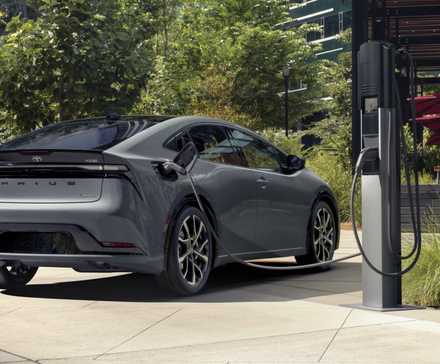
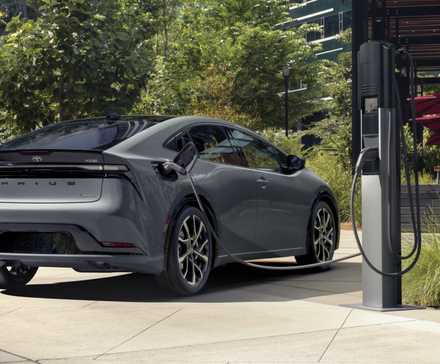
The 2025 Toyota Prius PHEV stands out for its familiar blend of efficiency-minded design and the quiet confidence of electric assistance. Many drivers approach the Prius with a utilitarian mindset: it’s meant to be sensible, not theatrical. Yet when the all‑electric portion stretches past forty miles, practicality takes on a more emotional tone. The Prius becomes less about “taming fuel costs” and more about easing the daily drive itself—smoother starts, quieter acceleration, and a more relaxed connection to traffic.
Prius history has always leaned toward efficiency and mass appeal. In a PHEV context, that translates into an ownership experience designed for frequent short bursts of electric driving, then seamless hybrid continuity when needed. The longer electric range strengthens that pattern, allowing more of the week to run on charge alone.
How Driving Style Shapes the Electric-Only Story
Even with strong engineering, the driver remains a critical variable. Electric range can expand dramatically when you anticipate stops and avoid abrupt acceleration. Regenerative braking is most effective when the vehicle is given time to slow down efficiently. The deeper fascination comes from how quickly drivers learn to “drive differently” after switching to a PHEV with substantial electric range.
There’s an almost paradoxical effect: the more electric miles you have, the more you want to preserve them—like keeping a reservoir full. That encourages gentle throttle application and strategic coasting. Over time, habits evolve. People begin to treat the battery as an ally rather than a consumable.
Where PHEVs Excel: Mixed Routes and the “In-Between” Lifestyle
PHEVs often fit the modern rhythm better than pure EVs for certain lifestyles. Not every driver can charge every day. Some have irregular work schedules. Some travel. Others live where charger access is inconsistent. With 40+ miles of electric range, the PHEV becomes a bridge technology—practical, forgiving, and capable of running long stretches on electricity.
On typical mixed routes—suburban roads, short highways, local errands—the longer electric window reduces engine runtime and therefore smooths out fuel usage. Meanwhile, the hybrid backup preserves confidence on days when weather, traffic, or schedule changes disrupt the usual charging plan.
Long Electric Range and the Broader Shift in Consumer Mindset
Forty-plus miles of electric-only capability does more than extend time between refuels. It changes what consumers expect from a “regular car.” Drivers start asking not only how far the tank lasts, but how often they can skip gasoline entirely. That’s a cultural pivot. It reframes ownership around energy consumption rather than fuel purchasing, even for those who still keep gasoline within reach.
And that’s why the best 2025 PHEVs can feel oddly inspiring. They aren’t trying to replace every driver’s habits overnight. They’re designed to make the transition feel natural, almost inevitable—one commute at a time.
Choosing a 40+ Mile PHEV: What to Consider Beyond the Headline
When comparing 2025 PHEVs with 40+ miles of electric range, look past the marketing number. Consider how the vehicle estimates range, whether it supports effective preconditioning, and how efficiently it behaves at your typical speeds. Check charging options and evaluate whether home charging is feasible. If most of your trips are short, a longer electric range will deliver disproportionate benefits. If your days are highway-heavy, evaluate how the PHEV performs in those conditions.
Also pay attention to how the car transitions between electric and hybrid modes. The smoothness of that handoff can determine whether the electric experience feels continuous or interrupted. A great PHEV makes the switch feel like a seamless continuation rather than a noticeable event.
Conclusion: The All‑Electric Comfort Zone Is Expanding
In 2025, 40+ miles of all‑electric range transforms the PHEV from a compromise into a comfort zone. The headline number is important, but the real achievement lies in how the vehicle reshapes daily life—reducing fuel anxiety, encouraging cleaner driving habits, and making electricity feel accessible even when life refuses to be perfectly predictable.
There’s a reason these long-range PHEVs attract attention. They don’t demand a leap. They offer a gradual, tangible shift—quiet starts, longer electric commutes, and the subtle thrill of watching the battery power your day. And for many drivers, that’s the fascination: not just driving farther on electricity, but living differently because of it.