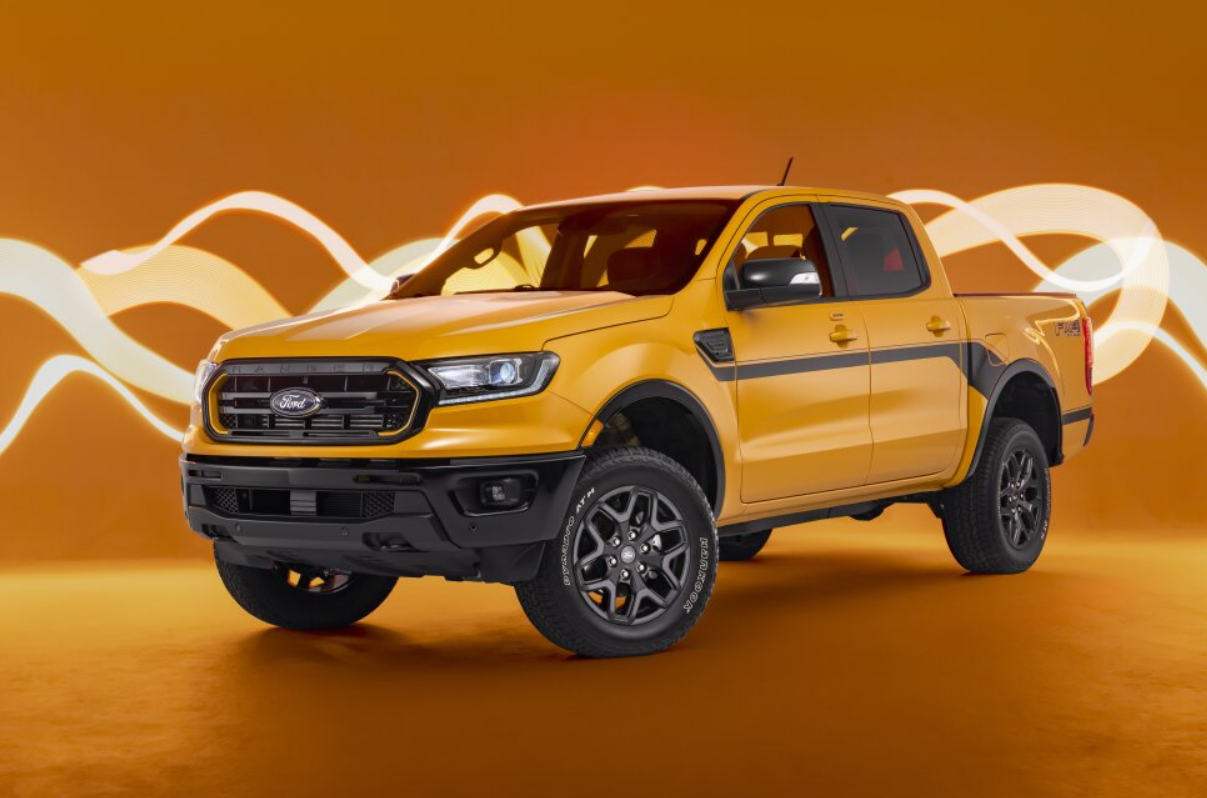
The question hanging over the pickup world isn’t whether hybrid technology is coming—it’s where it will land first, and how quickly it will become normal. For many readers, the 2025 Ford Ranger Plug‑In Hybrid isn’t just a rumor or a spec-sheet curiosity; it feels like a prelude to a US-market reset. The Ranger has long carried a reputation for practical competence and global adaptability. Now, the electrified twist—plug‑in hybrid capability—suggests a new kind of usefulness: one that tries to reconcile daily errand efficiency with long-haul seriousness.
But “US market coming?” isn’t a single question. It’s a braid of topics: regulations, consumer expectations, charging reality, powertrain calibration, resale perceptions, and the everyday math of fuel savings versus upfront cost. The story becomes less about one announcement and more about the ecosystem that would need to mature for a plug‑in Ranger to feel inevitable rather than experimental.
Why a plug‑in Ranger would make strategic sense for the US
In the US, pickups live on extremes. They’re suburban commuters, weekend haul helpers, and occasional workhorses pulled from the garage with the same urgency as a tool belt. That mixed identity creates a challenge for conventional powertrains. Gas-only models can feel expensive when fuel prices spike. Full EVs can feel uncompromising when towing, weather, or long-distance plans enter the equation.
A plug‑in hybrid tries to thread the needle. It offers a battery-powered portion of the day—useful for school runs, short commutes, and local deliveries—while retaining an engine for scenarios where charging time is inconvenient. The result is not merely “greener driving,” but a different kind of flexibility: you can be quiet and efficient at low speeds, then switch back to familiar combustion power without drama.
Ford’s broader electrification trajectory also matters. The company is not approaching electrification as a novelty. It’s treating it as an engineering discipline: battery packaging, thermal management, power electronics, and software tuning are all moving pieces. If Ford believes a plug‑in Ranger can be profitable in other markets, the next logical question becomes whether the US’s regulatory environment and consumer readiness justify a similar step.
Regulatory momentum: emissions targets and how they steer availability
For the US, emissions rules and fleet planning shape what arrives on dealer lots. Even if a plug‑in hybrid feels consumer-led, it often begins as compliance-driven math. Automakers must meet average emissions thresholds across their lineup. Electrified drivetrains can reduce real-world tailpipe emissions when used in electric mode frequently enough.
However, compliance isn’t only about theory. It’s about usage patterns. A plug‑in hybrid becomes most valuable when it’s plugged in regularly—before the morning drive, during workplace charging, or at home overnight. If charging infrastructure and consumer habits align, the emissions advantage becomes measurable rather than aspirational.
This is where the Ranger’s niche becomes intriguing. A midsize pickup’s typical owner may cover enough miles to care about fuel economy, yet not so many daily miles that an EV-only lifestyle becomes mandatory. If US customers adopt plug‑in habits the way some already do with other PHEVs, the regulatory case grows stronger.
The powertrain question: tuning, efficiency, and towing reality
Plug‑in hybrids can be engineered in wildly different ways. Some prioritize electric crawl for city traffic. Others prioritize a balance between electric assist and engine authority. The most persuasive scenario for a Ranger Plug‑In Hybrid is one where electric drive is meaningful without compromising the truck’s core promises.
Think about torque delivery. Electric torque arrives instantly, often improving low-speed drivability—useful when backing up a trailer, navigating construction sites, or inching through traffic. Then consider the engine’s role: it must not feel like a reluctant guest. When the engine engages, shifts and power ramps should feel fluid, with minimal hesitation.
Towing adds a further dimension. For readers who pull boats, campers, or equipment, the hybrid strategy must be transparent: will the battery support towing at low speeds? How does the system protect battery temperatures during sustained loads? These are not minor engineering details; they govern whether the plug‑in Ranger is seen as a lifestyle vehicle or a true utility platform.
Even the “28-mile” type of electric range that often appears in discussions is not merely a number—it’s a behavioral forecast. If a typical commuter loop fits within that window, the hybrid can deliver near-daily electric miles. If not, the truck becomes a hybrid-first tool, with electric mode serving as a supplement rather than the main event.
Charging expectations: where plug‑in convenience could win (or stumble)
Charging is the hinge on which plug‑in hybrid satisfaction swings. In the US, the availability of home charging dominates most ownership experiences. For drivers with garages or driveways, a Level 2 charger can transform a PHEV from “occasional electric” to “regular electric.” Without home charging, the story can become more variable—dependent on workplace outlets, public stations, or opportunistic charging.
What readers can expect, if the Ranger Plug‑In Hybrid arrives, is likely a charging routine built around practicality: planned charging schedules, navigation to charging points, and battery management that aims to optimize departure readiness. The system’s software should ideally support “charge-to-schedule” logic, so the battery is ready when the commute starts rather than after the bus has left.
There’s also a subtle point: plug‑in hybrids don’t just replace fuel—they change habits. Drivers must decide when to prioritize battery use, when to reserve charge for later, and how to handle cold weather. Battery performance can shift with temperature, and a good hybrid system compensates through preconditioning and predictive heat management.

Design and branding: how a plug‑in could look and feel different
A plug‑in model has to communicate its identity quickly. Some buyers want discretion; others want a visible confirmation that they chose the future. For a Ranger PHEV, the key is likely a blend of both: subtle exterior cues paired with a meaningful interior experience.
Expectations typically include charging port placement cues, unique badging, and possibly distinctive wheel or trim treatments. The design goal isn’t to make it resemble a science project. It’s to keep it truck-first, while giving owners a sense that their drivetrain is special under the skin.
Inside, the hybrid interface is where tech meets ergonomics. A well-designed cabin will make battery status, electric drive availability, and energy flow easy to interpret. Short sentences and clear icons reduce cognitive load. Longer drives demand confidence; the driver should feel in control, not like the truck is hiding the rules of its own behavior.
Different reader profiles: who benefits most from a Ranger PHEV?
Not every Ranger buyer wants the same thing. Three common profiles help explain what “coming to the US” would mean in human terms.
The commuter who drives short routes: This driver plugs in most nights and benefits from electric miles in daily life. The hybrid becomes a near-EV experience in the rhythms of the week, especially if the electric range overlaps with typical mileage.
The mixed-use owner: This is the person who works locally during the week but occasionally tows or travels. The plug‑in advantage appears as a reduction in fuel burn on ordinary days, while combustion power remains available for the exceptional ones. The truck’s dual personality becomes a selling point, not a compromise.
The fleet-adjacent buyer: For service operators and small businesses, predictable costs matter. If charging can be integrated at a depot and daily routes are known, a plug‑in Ranger could offer a more stable operating cost profile. Still, fleet adoption hinges on durability perceptions, service infrastructure, and the speed of aftermarket parts availability.
What the US launch timeline would have to satisfy
Even with compelling product logic, a US-market arrival is a chain reaction. Manufacturing schedules, regulatory certifications, battery supply, and dealer training all need to line up. Battery logistics are particularly consequential: production timing and cell availability can determine whether a vehicle launches confidently or arrives late and under-equipped.
There’s also the matter of price architecture. PHEVs often carry a premium, and the value proposition must be legible. Buyers will calculate how many electric miles they can realistically drive, what fuel costs look like over time, and whether incentives or tax credits apply. A thoughtful launch strategy would likely emphasize the economics without overselling the environmental angle.
Reader expectations will also include warranty terms, battery coverage specifics, and roadside assistance policies. These details aren’t glamorous, but they’re the difference between “sounds good” and “I’m ready to sign.”
How media and reviews could shape consumer trust
The US audience doesn’t just read specs; it watches behavior. Reviews will likely focus on how the system handles real acceleration, stop-and-go traffic, and the transition between electric and engine power. Video-style demonstrations can clarify confusing concepts—like whether the truck feels smooth during re-engagement or whether it experiences audible surges.
For a plug‑in Ranger, reviewers will also pay attention to charging time perceptions: how quickly the system replenishes energy, whether battery management reduces usable range in cold weather, and whether the truck recommends efficient driving modes intelligently.
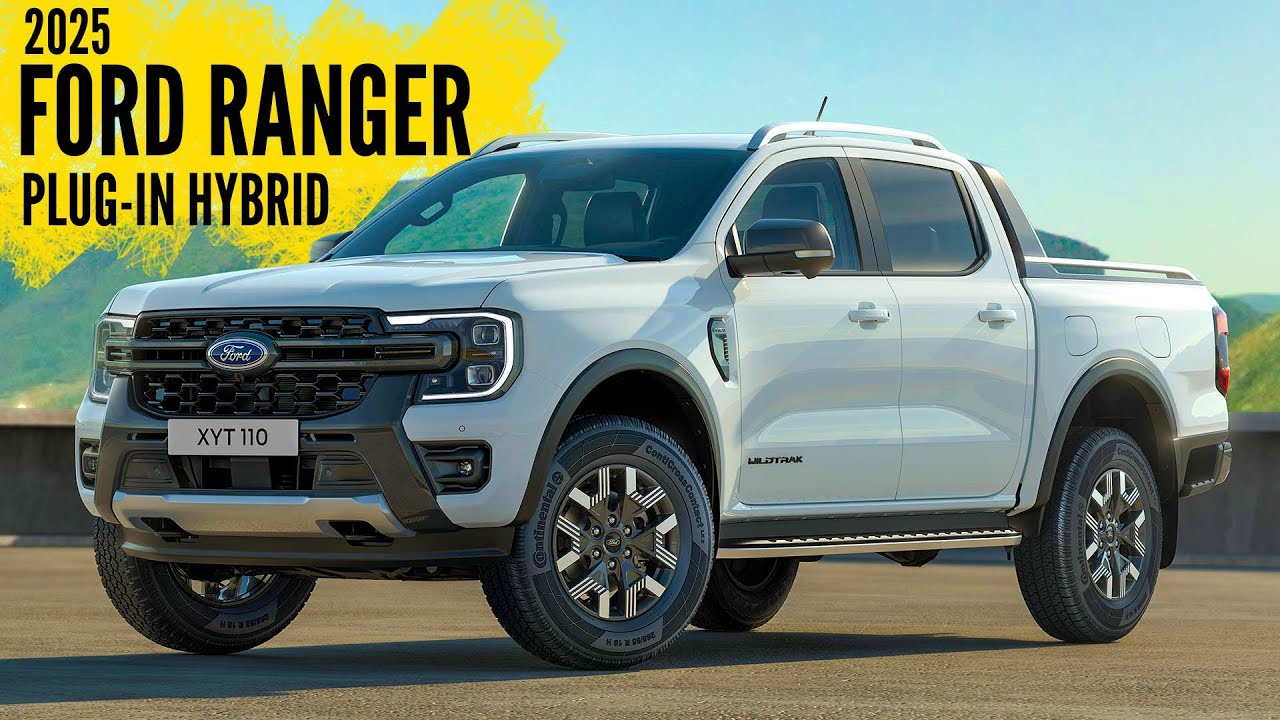
So, is the 2025 Ford Ranger Plug‑In Hybrid really “US market coming”?
“Coming” is the word that invites uncertainty. Yet the logic behind a plug‑in Ranger is steadily tightening. The US remains a high-demand market for midsize pickups, and the hybrid strategy aligns with a practical American reality: many drivers want lower fuel consumption without surrendering flexibility.
The deciding factors will be whether the plug‑in Ranger can deliver a genuinely convenient charging story, maintain confident towing and durability performance, and price itself in a way that feels fair rather than hopeful. If those elements align, the Ranger PHEV won’t just arrive—it will feel like it was waiting in the wings for the moment when buyers were ready to treat electrification as normal equipment.
Final thoughts: a pickup that could change daily driving
If the 2025 Ford Ranger Plug‑In Hybrid reaches US shores, it won’t redefine what a pickup is. Instead, it may redefine how a pickup fits into daily life. The promise is not utopia. It’s a more nuanced compromise: electric drive for the predictable parts of your routine, engine confidence for everything else.
For readers watching the shift from gas-only to electrified competence, the Ranger PHEV represents a bridge—one built from real-world usability, not just futuristic claims. And in a market where convenience can be as important as capability, that bridge could be exactly what makes “coming” the start of something lasting.