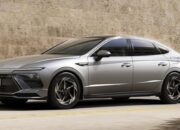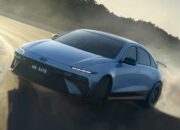
The automotive landscape of 2026 is a battleground of innovation, where Japanese automakers Nissan, Subaru, and Mazda are locked in a fierce rivalry to capture the hearts of American drivers. Each brand brings a distinct philosophy to the table—Nissan with its bold, futuristic designs and cutting-edge technology; Subaru with its unwavering commitment to all-wheel drive and rugged reliability; and Mazda with its soulful, driver-focused approach to performance. As the sun rises on a new era of mobility, this comparison dissects what each brand offers across three critical dimensions: design language, powertrain innovation, and driving dynamics. Buckle up—this is more than a comparison; it’s a journey through the future of driving.
The Art of First Impressions: Design Language in 2026
In an era where vehicles are as much about emotional resonance as they are about utility, design language has become the silent ambassador of a brand’s identity. Nissan’s 2026 lineup, spearheaded by the Ariya EV and the refreshed Sentra, embraces a futuristic aesthetic that feels plucked from a sci-fi narrative. The Ariya’s sleek, aerodynamic silhouette—with its boomerang LED headlights and seamless body lines—exudes a sense of quiet confidence, as if it’s perpetually gliding through the digital ether. Inside, the minimalist dashboard, dominated by a panoramic digital display, reinforces the brand’s commitment to a tech-forward cockpit.
Subaru, on the other hand, remains steadfast in its dedication to rugged elegance. The 2026 Outback and Forester continue to channel the brand’s signature “active safety” design cues, with bold hexagonal grilles and angular, high-riding bodywork that scream adventure. The interior, wrapped in high-quality materials and Subaru’s signature horizontally oriented infotainment screen, balances functionality with a touch of wilderness-inspired warmth. It’s a design language that whispers, “I’m ready for anything.”

Mazda, the understated virtuoso, takes a different route. The 2026 CX-50 and CX-90 embody the brand’s “Kodo” design philosophy—where curves flow like liquid metal, and every surface seems to breathe with life. The front fascia, with its sweeping grille and razor-sharp LED lights, is a masterclass in sculptural precision. Inside, the cabin is a sanctuary of handcrafted materials, from the soft-touch leather to the real wood trim, evoking the intimacy of a luxury yacht. Mazda’s design isn’t just seen; it’s felt.

Powertrain Evolution: Electrification, Hybrids, and the Last of the Gas Guzzlers
The powertrain landscape of 2026 is a patchwork of electrification, hybridization, and—yes—still a few internal combustion holdouts. Nissan leads the charge with its all-electric lineup, where the Ariya and the upcoming Leaf+ dominate the conversation. The Ariya’s dual-motor all-wheel-drive system delivers 389 horsepower and a 304-mile range, thanks to its advanced solid-state battery technology. Nissan’s ProPilot Assist 2.0, a semi-autonomous driving suite, further cements its position as a pioneer in EV innovation.
Subaru, never one to rush, takes a more measured approach. The 2026 Crosstrek Hybrid and Outback Wilderness offer a blend of boxer engine reliability and hybrid efficiency, with the Crosstrek achieving an EPA-estimated 35 MPG combined. The brand’s first fully electric model, the Solterra, lags slightly behind in range (228 miles) but makes up for it with standard all-wheel drive and Subaru’s signature safety credentials. For purists, the turbocharged 2.4-liter boxer engine in the WRX and Forester remains a thrilling option.
Mazda, the late bloomer of the trio, surprises with its Skyactiv-X 2.0 engine—a compression-ignition gasoline marvel that delivers diesel-like efficiency without the emissions. The CX-90 PHEV, with its 3.3-liter inline-six paired to an electric motor, offers 367 horsepower and 30 miles of electric-only range. Mazda’s approach is pragmatic yet aspirational, proving that electrification doesn’t have to mean sacrificing the soul of the internal combustion engine.
Driving Dynamics: Where the Rubber Meets the Road
If design is the first impression and powertrains are the heart, then driving dynamics are the soul of a vehicle. Nissan’s Ariya, with its low center of gravity and instant torque delivery, feels like a glider on rails. The adaptive suspension and rear-wheel steering (in higher trims) make it a master of both highway serenity and twisty road agility. The Sentra, meanwhile, remains a nimble urbanite, its responsive steering and tight turning radius making it a city slicker’s dream.
Subaru’s driving experience is defined by its symmetrical all-wheel-drive system, which channels power to all four corners with unerring precision. The Outback’s X-Mode, a multi-terrain management system, turns the wagon into a veritable off-road chameleon, while the Forester’s responsive chassis and excellent visibility make it a suburbanite’s best friend. The WRX, with its rally-bred suspension and turbocharged fury, is a throwback to a time when driving was an act of rebellion.
Mazda’s driving dynamics are a revelation. The CX-50’s rear-wheel-drive-inspired platform and finely tuned suspension deliver a level of engagement that’s rare in the segment. The steering wheel’s tactile feedback and the engine’s linear power delivery make every corner feel like a dance. The MX-5 Miata’s continued existence as a halo model proves that Mazda hasn’t forgotten the purists—its lightweight, rear-wheel-drive roadster remains the benchmark for driver enjoyment.
Technology and Connectivity: The Digital Cockpit
The modern car is a rolling computer, and each brand approaches this reality with its own flair. Nissan’s 2026 lineup features the latest iteration of its NissanConnect system, with over-the-air updates, a 12.3-inch infotainment display, and a 12.3-inch digital instrument cluster. The Ariya’s augmented reality heads-up display projects navigation cues directly onto the windshield, blending the digital and physical worlds.
Subaru’s Starlink system, now in its fifth generation, offers a user-friendly interface with voice recognition and remote vehicle control via smartphone. The Outback and Forester’s EyeSight Driver Assist Technology, with its adaptive cruise control and lane-keeping assist, sets a high bar for safety. Subaru’s commitment to connectivity is matched only by its dedication to durability—every system is built to withstand the elements.
Mazda’s i-Activsense suite of safety and connectivity features is a study in understated efficiency. The 2026 CX-90’s 12.3-inch infotainment display is paired with a head-up display that projects critical information without cluttering the driver’s view. Mazda’s infotainment system, powered by a Linux-based platform, is responsive and intuitive, with minimal lag. The brand’s approach to technology is less about flash and more about seamless integration—proof that sophistication doesn’t need to be loud.
Value Proposition: What’s in Your Wallet?
In the 2026 market, value isn’t just about price—it’s about the total cost of ownership, resale value, and the intangible benefits of brand loyalty. Nissan’s Ariya starts at $45,985, positioning it as a premium EV option with strong incentives for trade-ins and leases. The brand’s extensive dealership network and competitive financing rates make it an attractive choice for budget-conscious buyers.
Subaru’s pricing remains competitive, with the Crosstrek starting at $25,620 and the Outback at $28,320. The brand’s strong resale value—thanks to its reputation for reliability—means that a 2026 Subaru could still fetch a premium in five years. Mazda’s pricing is equally compelling, with the CX-50 starting at $30,750 and the CX-90 at $42,950. Mazda’s lower depreciation rates and high residual values make it a smart long-term investment.
When it comes to incentives, Nissan and Mazda often lead with lease deals and low APR financing, while Subaru’s loyalty programs and outdoor-themed promotions (think ski rack discounts) add a layer of appeal for adventure seekers. The true value, however, lies in the driving experience—where each brand delivers a unique blend of performance, technology, and character.
The 2026 automotive landscape is a testament to the enduring power of Japanese engineering—a symphony of innovation, reliability, and passion. Nissan, Subaru, and Mazda each offer a distinct vision of what the future of driving should be, whether it’s the silent revolution of an EV, the rugged tenacity of an all-wheel-drive wagon, or the soul-stirring precision of a driver-focused sedan. As the sun sets on another era of automotive history, one thing is clear: the choice between these three brands isn’t just about specs or prices. It’s about which brand’s philosophy resonates with your soul. So, which will it be? The bold futurist, the steadfast adventurer, or the soulful purist? The road awaits.