The Nissan Leaf has long been the silent sentinel of the electric revolution—a humble workhorse that quietly plugged in, charged up, and carried thousands of families into the future without fanfare. But whispers in the wind, like the hum of an unseen electric motor, suggest that the next generation of this trailblazer is stirring from its slumber. The automotive world is abuzz with rumors, teases, and half-glimpsed silhouettes of what could be Nissan’s boldest Leaf yet. Could this be the moment when the Leaf sheds its reputation as a practical but uninspired EV and transforms into something far more electrifying? Let’s peel back the layers of speculation and explore the tantalizing possibilities that lie ahead.
The Phantom Prototype: What’s Lurking in the Shadows?
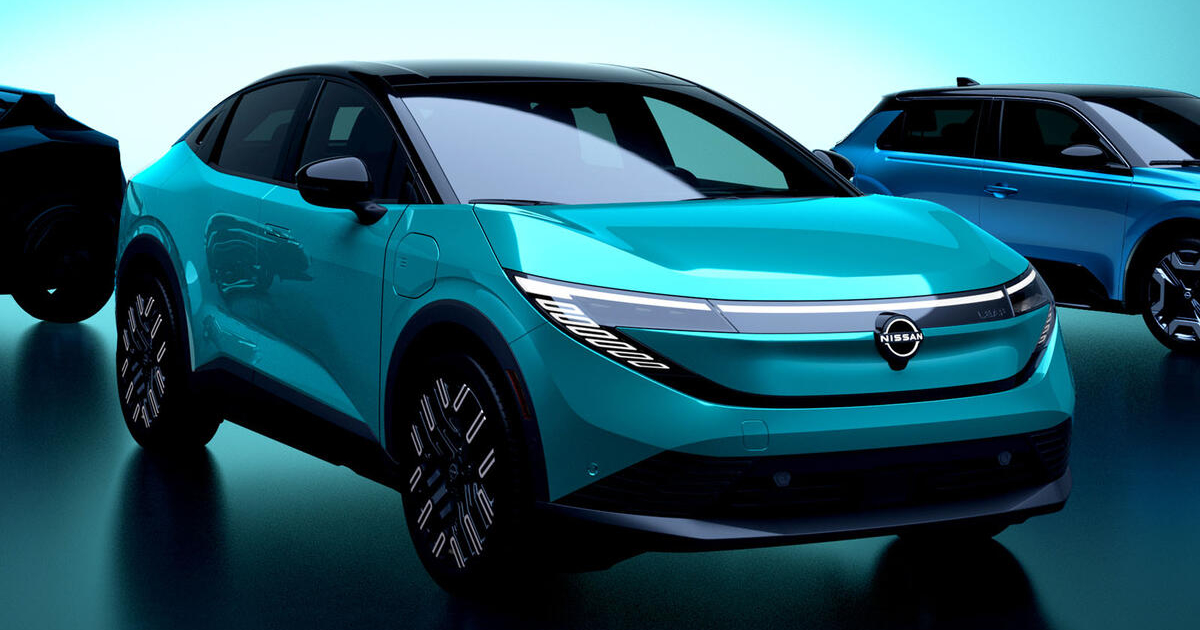
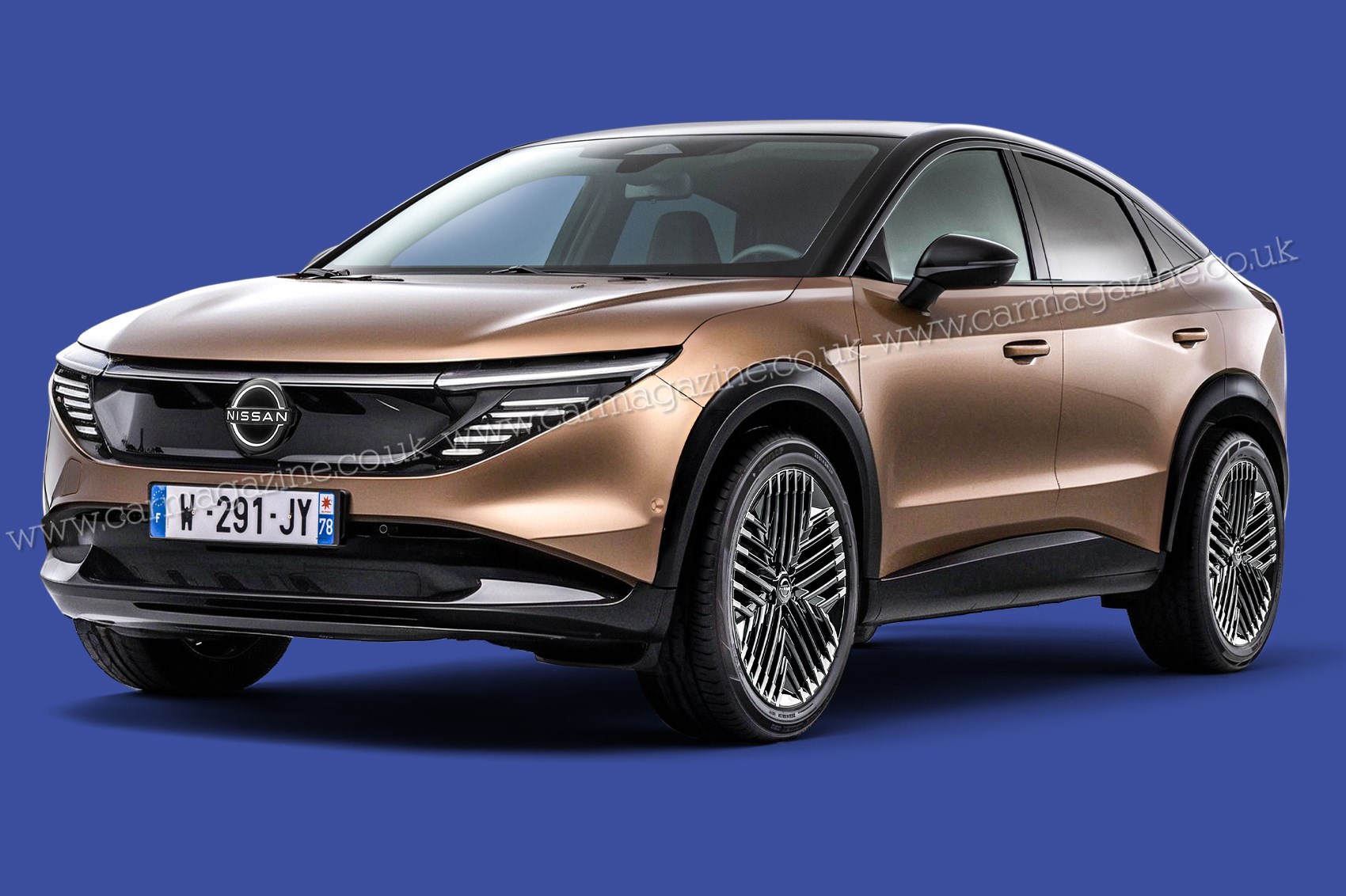
Automotive espionage is an art form, and the next-gen Nissan Leaf is currently the most captivating masterpiece on the canvas. Spy photographers have captured fleeting glimpses of a vehicle that looks like it stepped straight out of a sci-fi dreamscape—sleek, angular, and brimming with futuristic intent. Gone are the soft, rounded edges of yesteryears; in their place, sharp creases and a bold, almost predatory stance hint at a design language that screams evolution rather than iteration.
The camouflage-clad prototype is a tantalizing enigma. Its roofline dips dramatically toward the rear, suggesting a fastback silhouette that could redefine the Leaf’s identity. The front end teases a reimagined grille—though, in true EV fashion, it may be more about aerodynamics than aesthetics. Headlights, likely pixelated and ultra-thin, hint at advanced lighting technology, possibly with adaptive beam patterns that dance across the road like digital brushstrokes. This isn’t just a car; it’s a rolling manifesto of Nissan’s ambition to push the boundaries of what an electric vehicle can be.
Battery Breakthroughs: The Silent Power Surge
If the Leaf’s design is the siren song, then its battery is the heartbeat—a rhythmic pulse that could redefine the very essence of electric mobility. Rumors swirl around a next-gen solid-state battery, a technological marvel that promises to obliterate the limitations of today’s lithium-ion packs. Imagine charging your Leaf to 80% in under 15 minutes while squeezing out a range that stretches beyond 400 miles on a single charge. That’s not just an upgrade; it’s a quantum leap.
Solid-state batteries are the holy grail of EV innovation, offering superior energy density, enhanced safety, and a lifespan that could outlast the car itself. Nissan has been quietly investing in this technology for years, and whispers suggest that the next Leaf could be the first mass-market vehicle to harness its potential. No more range anxiety. No more frantic searches for charging stations. Just pure, unadulterated electric freedom—silent, swift, and seemingly limitless.
Autonomy Unleashed: The Leaf as a Rolling Companion
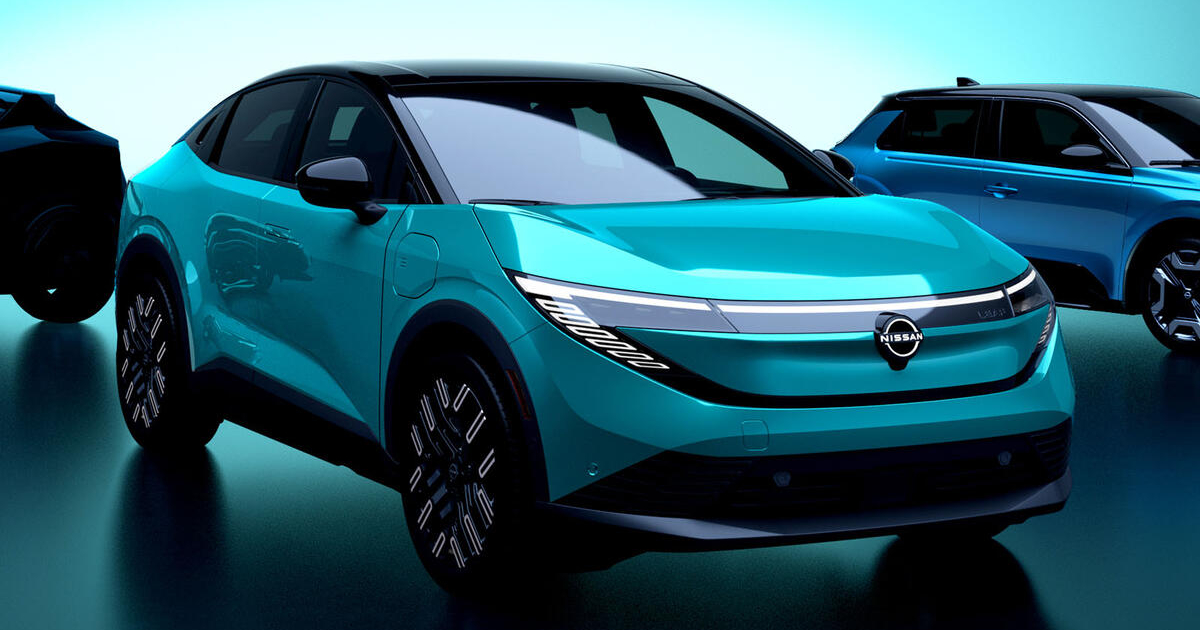
The next generation of the Nissan Leaf isn’t just about going electric—it’s about going autonomous. While full self-driving remains a tantalizing “maybe” for most automakers, Nissan has been steadily weaving advanced driver-assistance systems (ADAS) into its vehicles. The next Leaf could be the first to offer a semi-autonomous mode that transforms commutes into serene, stress-free interludes. Picture this: you settle into the driver’s seat, tap a button, and the Leaf takes over on highways, navigating traffic with the precision of a Swiss watch while you sip your coffee or catch up on emails.
But Nissan’s ambitions may run deeper. Rumors hint at a vehicle-to-everything (V2X) communication system, allowing the Leaf to “talk” to traffic lights, road sensors, and even other cars. This isn’t just convenience; it’s a symphony of connectivity that could slash congestion, reduce accidents, and redefine urban mobility. The Leaf of the future might not just be a car—it could be a node in a vast, intelligent transportation network, humming along in perfect harmony with the city around it.
The Interior: A Sanctuary of Tomorrow
Step inside the next-gen Leaf, and you might feel like you’ve entered a spaceship designed by Apple and Tesla in a secret collaboration. The dashboard is a minimalist canvas, dominated by a massive, floating touchscreen that responds to gestures as effortlessly as a conductor’s baton. Physical buttons are scarce, replaced by haptic feedback panels that pulse with a touch, offering tactile reassurance in a digital world.
The seating arrangement is a masterclass in ergonomic innovation. The front seats cradle you like a second skin, with adjustable bolstering that adapts to your posture in real time. The rear seats, now more spacious than ever, could feature individual climate controls and wireless charging pads, turning the back of the car into a mobile lounge. And the materials? Think vegan leather woven with carbon fiber, surfaces that repel fingerprints, and ambient lighting that shifts hues based on your mood or the driving mode.
But the pièce de résistance might be the augmented reality (AR) head-up display. Imagine glancing at the windshield and seeing navigation cues projected onto the road ahead, or having real-time traffic alerts floating like ghostly waypoints in your line of sight. This isn’t just a car interior; it’s a cockpit for the digital age, where technology and comfort coalesce into an experience that feels almost otherworldly.
Sustainability: The Leaf’s Unwavering Ethos
Nissan has always positioned the Leaf as more than just a car—it’s a statement. A declaration that sustainability and performance aren’t mutually exclusive. The next generation is poised to double down on this ethos with a suite of eco-conscious innovations. The interior materials could be 100% recyclable, sourced from ocean plastics or agricultural waste. The battery pack might be designed for second-life applications, repurposed as energy storage for homes or businesses long after it’s retired from the road.
Even the manufacturing process is under scrutiny. Nissan has hinted at a “green factory” approach, where renewable energy powers the assembly lines, and water usage is slashed through closed-loop systems. This isn’t just about building a car; it’s about crafting a legacy—one that leaves the planet a little greener with every mile driven.
The Road Ahead: What’s Next for the Leaf?
As the curtain rises on the next act of the Nissan Leaf’s story, one thing is clear: this isn’t a mere refresh. It’s a renaissance. A bold reimagining of what an electric vehicle can be—faster, smarter, and more sustainable than ever before. The Leaf has always been the people’s EV, the car that made zero-emission driving accessible. But with the next generation, Nissan is aiming higher. It’s not just about transporting people; it’s about elevating them.
The road to electrification is paved with challenges, from charging infrastructure to battery costs. Yet, if the rumors hold true, the next Leaf could be the catalyst that propels Nissan—and the entire EV industry—into a new era. A future where electric cars aren’t just practical, but exhilarating. Where sustainability isn’t a compromise, but a celebration. Where every journey feels like a step into tomorrow.
So, keep your eyes peeled. The next Leaf is coming, and it’s not just arriving—it’s arriving with a flourish. The silent revolution is about to get a whole lot louder.