Have you ever wondered what it’s like to swap the rumble of a gasoline engine for the whisper-quiet hum of an electric motor? To glide past gas stations like they’re relics of a bygone era? To park in the tightest urban spots without so much as a sweat? If so, the Nissan Leaf might just be the urban chariot you’ve been dreaming of. But can a car that’s been around since the early days of EV adoption still hold its own in 2024? Buckle up—we’re about to find out.
Over the next 30 days, I put the Nissan Leaf through its paces, navigating city streets, suburban sprawl, and everything in between. From its quirky personality to its surprising practicality, this is the no-holds-barred review you’ve been waiting for. And yes—there *will* be a challenge. A challenge that might just redefine what you think you know about electric cars.
The First Impression: A Compact Capsule of the Future
Slipping behind the wheel of the Nissan Leaf is like stepping into a time machine—if that time machine only traveled to 2010. The cabin is a symphony of hard plastics and functional design, with a dashboard that looks like it was lifted straight from a budget sci-fi flick. But don’t let the retro vibes fool you. The Leaf’s interior is a masterclass in ergonomics, with everything within arm’s reach and a driving position that feels oddly comforting.

The seats, upholstered in a mix of cloth and faux leather, are supportive without being overly plush. The steering wheel, wrapped in textured plastic, adjusts for tilt but not reach—a minor gripe that becomes more noticeable on longer drives. And then there’s the infotainment system: a 7-inch touchscreen that’s as responsive as a sloth on a lazy Sunday. But hey, at least it’s got Apple CarPlay and Android Auto, right?

Power Under the Hood: The Silent Revolution
The Nissan Leaf’s electric motor is a marvel of simplicity. With 147 horsepower and 236 lb-ft of torque, it’s not winning any drag races—0 to 60 mph takes a leisurely 7.9 seconds—but that’s not the point. The real magic happens in the silence. No engine roar. No gear shifts. Just a smooth, linear acceleration that makes city driving feel like a dance.
But here’s the kicker: the Leaf’s power delivery is so linear that it can catch you off guard. One minute you’re cruising at a sedate pace, the next you’re merging onto the highway with a gentle nudge of the accelerator. It’s a sensation that takes some getting used to, especially if you’re coming from a traditional gas-guzzler. And yet, once you embrace it, you’ll wonder why every car isn’t electric.
The Battery: The Heart of the Beast
The Nissan Leaf’s 40 kWh battery pack is the heart of its operation, and it’s where the car’s biggest compromises lie. With an EPA-estimated range of 149 miles, the Leaf is best suited for city dwellers who don’t stray too far from home. But here’s the twist: real-world range is often lower, especially in cold weather or when you’re pushing the pedals a little too enthusiastically.
During my 30-day test, I averaged around 120 miles per charge in mixed driving conditions. That’s not terrible, but it’s a far cry from the 200+ miles you’d get from a Tesla Model 3 or even a Chevy Bolt. Still, for a daily commuter, the Leaf’s range is more than adequate—just don’t plan any spontaneous road trips to the next state.
Charging: The Achilles’ Heel or a Minor Inconvenience?
Charging the Nissan Leaf is where things get interesting. The car comes with a standard 6.6 kW onboard charger, which means a full charge from empty takes about 7.5 hours on a Level 2 charger. That’s fine for overnight charging at home, but what if you’re out and about?
Public charging is a mixed bag. Level 2 chargers are plentiful in urban areas, but they’re slow—painfully slow. DC fast chargers are faster, but they’re not always available when you need them. And let’s not forget the horror stories of chargers being out of order or incompatible with your car. It’s enough to make you want to keep a spare gas can in the trunk—just in case.

The Challenge: Can You Live Without a Gas Pedal?
Here’s the challenge I set for myself: Could I live with the Nissan Leaf as my only car for 30 days? No rentals. No borrowing. Just me, the Leaf, and the open road. And let me tell you, it wasn’t easy.
The first week was a revelation. No more gas station detours. No more idling in traffic, listening to the engine drone. Just pure, unadulterated electric motoring. But by the second week, the cracks started to show. A weekend trip to the countryside required meticulous planning to ensure I’d have enough charge to get there and back. A sudden cold snap drained the battery faster than a vampire in sunlight. And then there was the day I forgot to plug in the car overnight, leaving me stranded with a 10% charge and no charging station in sight.
But here’s the thing: despite the challenges, I didn’t want to give the Leaf back. There’s something liberating about never having to stop at a gas station. Something empowering about knowing that every mile you drive is a mile that doesn’t contribute to the planet’s carbon footprint. And yes, the Leaf has its quirks, but it’s also a reminder that progress doesn’t always come in a sleek, futuristic package.
Comfort and Practicality: The Unsung Heroes
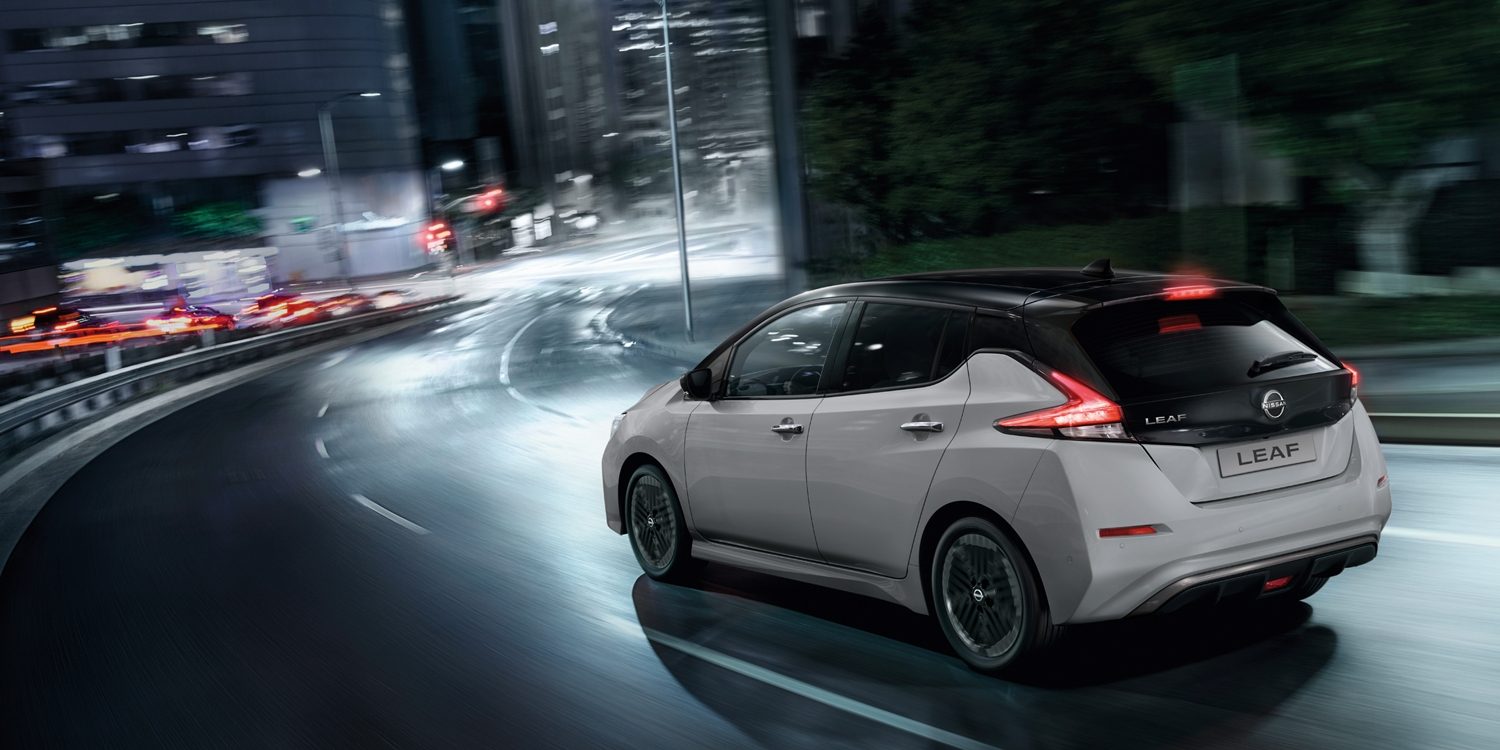
For a car that’s often dismissed as a budget EV, the Nissan Leaf is surprisingly practical. The rear seats are roomy enough for adults, and the trunk—while not cavernous—can swallow a surprising amount of cargo. The ride is smooth, with just enough body roll to remind you that this is a car designed for city streets, not autobahns.
But the real star of the show is the Leaf’s turning radius. At just 17.7 feet, it can pivot on a dime, making it a dream to park in tight urban spaces. And with regenerative braking that lets you control the deceleration with the accelerator pedal, it’s almost like the car is driving itself.
The Verdict: A Worthy Contender in the EV Revolution
So, is the Nissan Leaf the perfect city commuter? Not quite. It’s got range anxiety, a slow infotainment system, and a cabin that feels stuck in the past. But it’s also got charm, practicality, and a driving experience that’s unlike anything else on the road.
If you’re a city dweller looking for an affordable, eco-friendly way to get around, the Leaf is a fantastic choice. Just be prepared to plan your trips carefully and embrace the occasional inconvenience. Because at the end of the day, the Nissan Leaf isn’t just a car—it’s a statement. A statement that says you’re ready to embrace the future, even if it’s not perfect.
So, would I buy a Nissan Leaf? After 30 days behind the wheel, I’m tempted. Not because it’s the best EV on the market, but because it’s a reminder that the electric revolution isn’t just about speed and luxury. It’s about making sustainable transportation accessible to everyone. And in that regard, the Leaf does its job remarkably well.