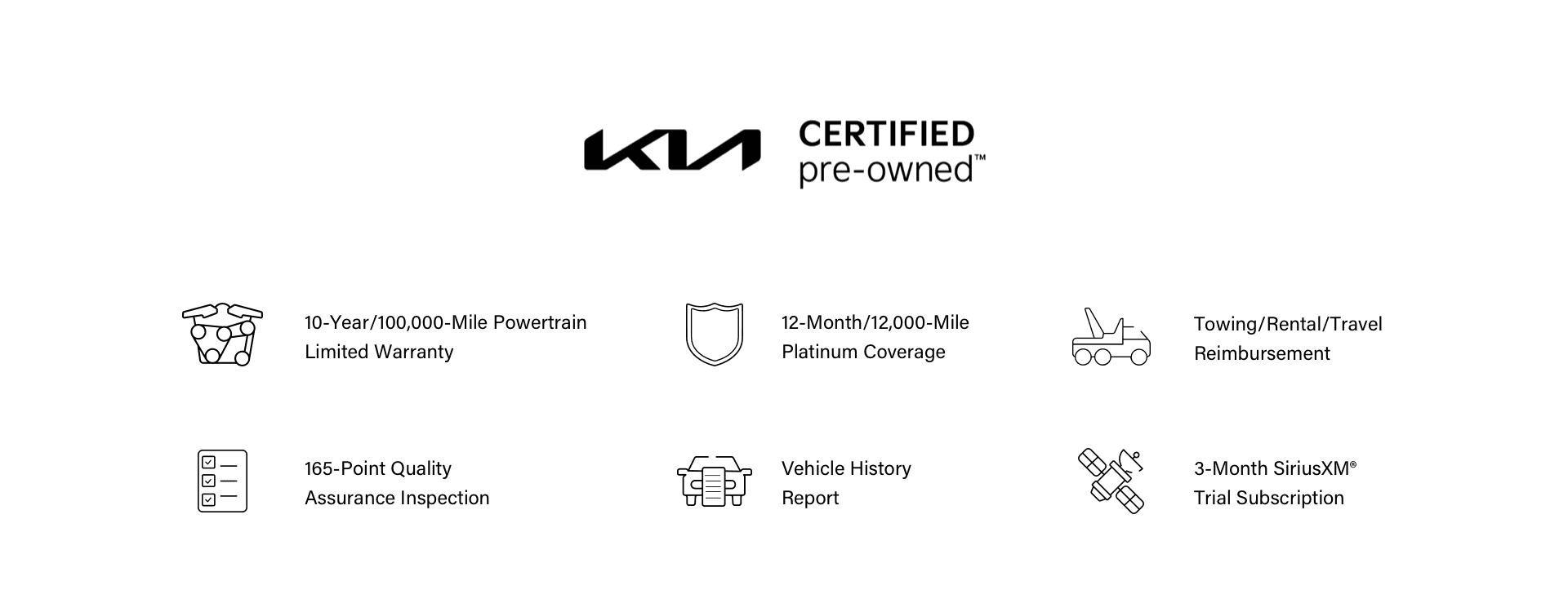
The Kia warranty saga isn’t just about metal and rubber—it’s a narrative of trust forged in the crucible of consumer skepticism. For years, the automotive industry whispered about extended powertrain warranties as if they were mythical artifacts, reserved for the elite or the fortunate few who could decipher fine print. Yet, Kia shattered that illusion in 2007 when it rolled out its 10-year/100,000-mile powertrain warranty, a promise that seemed almost too audacious to be real. Today, that warranty stands as a testament to Kia’s audacity, reshaping how drivers perceive reliability and redefining the boundaries of manufacturer accountability. But what lies beneath the surface of this bold guarantee? Why does it resonate so deeply with drivers, and what secrets does it hold about the future of automotive warranties?
The Genesis of a Game-Changing Promise
In an era where automotive warranties were often measured in months or a few years, Kia’s decision to offer a decade-long powertrain warranty was nothing short of revolutionary. The powertrain—comprising the engine, transmission, and drivetrain—is the beating heart of any vehicle, the component that drivers trust to keep them moving forward. By extending its warranty to 10 years or 100,000 miles, whichever comes first, Kia didn’t just promise coverage; it pledged a decade of peace of mind. This wasn’t merely a marketing ploy; it was a strategic gamble that signaled Kia’s confidence in its engineering prowess and its willingness to stand behind its products in a way few automakers dared.
The origins of this warranty trace back to Kia’s aggressive expansion into the U.S. market. Facing skepticism about its reliability, Kia needed a differentiator, a way to carve out a niche in a crowded field dominated by legacy brands. The 10-year/100,000-mile warranty wasn’t just a sales tool; it was a bold statement of intent. It told consumers, “We believe in our vehicles so much that we’re willing to back them for a decade.” This wasn’t just about selling cars—it was about building a reputation, one that would eventually elevate Kia from an underdog to a household name.
Decoding the Fine Print: What’s Really Covered?
At first glance, the Kia warranty appears straightforward: 10 years or 100,000 miles for the powertrain. But like any legal document, the devil is in the details. The warranty covers the engine, transmission, driveshaft, and other critical components that keep the vehicle moving. However, it’s essential to understand what’s excluded. Routine maintenance, wear-and-tear items like brake pads or tires, and damage resulting from accidents or misuse are not covered. The warranty is specifically designed to protect against manufacturing defects, not the natural degradation of parts over time.
One of the most common misconceptions is that the warranty is transferable. While it is transferable to subsequent owners, the coverage period is not extended. For example, if a vehicle is sold after five years, the new owner still has five years of warranty coverage remaining. This aspect is crucial for buyers of used Kias, as it provides an added layer of security. Additionally, the warranty is non-prorated, meaning Kia covers the full cost of repairs for covered components, provided the vehicle is serviced at an authorized dealership. This eliminates the financial uncertainty that often accompanies major repairs, a factor that has endeared the warranty to countless drivers.
The Psychological Impact: Why Drivers Trust the Warranty
Warranties are as much about psychology as they are about mechanics. For many drivers, the Kia warranty represents more than just a financial safety net; it’s a psychological reassurance. In a world where automotive recalls and reliability issues dominate headlines, the warranty offers a tangible promise of stability. It’s a contract that says, “We’ve got your back,” and that kind of commitment fosters loyalty. Drivers who purchase Kias often do so with the confidence that, should something go wrong, they won’t be left stranded with a bill that rivals the cost of the vehicle itself.
This psychological comfort is amplified by Kia’s reputation for reliability. Over the years, Kia has consistently ranked among the top brands in dependability surveys, a testament to the durability of its vehicles. The warranty, therefore, isn’t just a marketing gimmick; it’s a reflection of the brand’s commitment to quality. For drivers, this creates a virtuous cycle: the warranty builds trust, and the trust reinforces the warranty’s value. It’s a symbiotic relationship that has helped Kia cultivate a fiercely loyal customer base.
The Ripple Effect: How the Warranty Changed the Industry
Kia’s warranty didn’t just change the game for its own brand; it sent shockwaves through the entire automotive industry. Competitors were forced to take notice, and many began reevaluating their own warranty offerings. Hyundai, Kia’s corporate sibling, followed suit with its own 10-year/100,000-mile warranty, while other brands began extending their coverage periods to remain competitive. The warranty became a benchmark, a standard against which other automakers were measured. It proved that consumers were willing to pay a premium for long-term reliability, and it demonstrated that warranties could be a powerful tool for building brand equity.
Beyond the competitive landscape, the warranty also influenced consumer expectations. Today, drivers are more discerning than ever, and a robust warranty is often a deciding factor in purchasing a vehicle. The Kia warranty set a new precedent, one that prioritizes long-term value over short-term savings. It shifted the conversation from “How much does this car cost?” to “How much will this car cost me over the next decade?” This shift has forced automakers to think more holistically about their products, considering not just the initial purchase price but the total cost of ownership.
The Hidden Costs: What Drivers Should Watch For
While the Kia warranty is a powerful selling point, it’s not without its caveats. One of the most significant hidden costs is the requirement for routine maintenance. To keep the warranty valid, drivers must adhere to Kia’s recommended service schedule, which includes regular oil changes, tire rotations, and inspections. Skipping these services can void the warranty, leaving drivers vulnerable to unexpected repair bills. This is a common pitfall, as many drivers assume that the warranty covers everything, only to discover too late that neglecting maintenance can have dire consequences.
Another consideration is the exclusivity of authorized dealerships. The warranty is only valid if repairs are performed at a Kia-authorized service center. This can be inconvenient for drivers in remote areas or those who prefer independent mechanics. Additionally, the warranty does not cover the cost of towing or rental cars while repairs are being completed, which can add up quickly in the event of a breakdown. These limitations are worth noting, as they highlight the importance of reading the fine print and understanding the full scope of the warranty’s coverage.
The Future of Automotive Warranties: A Kia-Inspired Evolution
The success of Kia’s warranty has sparked a broader conversation about the future of automotive warranties. As vehicles become increasingly complex, with advanced electronics and software playing a more prominent role, the definition of a “powertrain” is evolving. Some industry experts predict that future warranties will expand to include hybrid and electric vehicle components, such as batteries and electric motors. Kia’s warranty may have started as a powertrain promise, but its legacy could pave the way for even more comprehensive coverage in the years to come.
There’s also the question of sustainability. As consumers become more environmentally conscious, warranties that encourage long-term vehicle ownership could gain traction. A 10-year warranty aligns with the idea of reducing waste by keeping vehicles on the road longer. This shift in consumer values could further cement the appeal of extended warranties, making them a standard feature rather than a luxury. Kia’s warranty may have been ahead of its time, but it’s a model that could soon become the norm.
The Kia warranty is more than just a piece of paper—it’s a symbol of the brand’s commitment to its customers and a testament to the power of bold promises. It’s a reminder that in an industry often defined by skepticism, trust is the ultimate currency. For drivers, it offers more than just financial protection; it provides the confidence to drive without fear, to explore without hesitation, and to invest in a vehicle that stands the test of time. As the automotive landscape continues to evolve, Kia’s warranty remains a beacon of reliability, a promise that transcends the mechanical and touches the emotional. It’s a legacy that will continue to shape the industry for years to come, proving that sometimes, the most audacious ideas are the ones that change the world.