Picture this: you’re cruising down the open road, the hum of your Kia’s engine a steady rhythm in your ears, the wind tousling your hair just enough to keep you alert. The lease is about to end, and you’re faced with a question that could reshape your automotive future—do you hand the keys back and walk away, or do you lean in, sign on the dotted line, and make it yours forever? The choice between leasing and buying a Kia isn’t just about numbers on a spreadsheet; it’s about dreams, discipline, and the subtle art of financial foresight.
Leasing feels like renting a penthouse—you get all the perks without the long-term commitment. But buying? That’s planting your flag on the hood, declaring, “This beast is mine.” Yet beneath the glossy brochures and zero-percent offers lies a labyrinth of hidden costs, long-term implications, and personal trade-offs. What if you could peek behind the curtain and see not just the monthly payments, but the full story of how each path shapes your wallet, your lifestyle, and even your peace of mind? Let’s embark on this journey together, dissecting the pros, cons, and quirks of leasing versus buying a Kia—so you can drive off into the sunset with confidence, not confusion.
The Allure of Leasing: A Symphony of Flexibility and Freshness
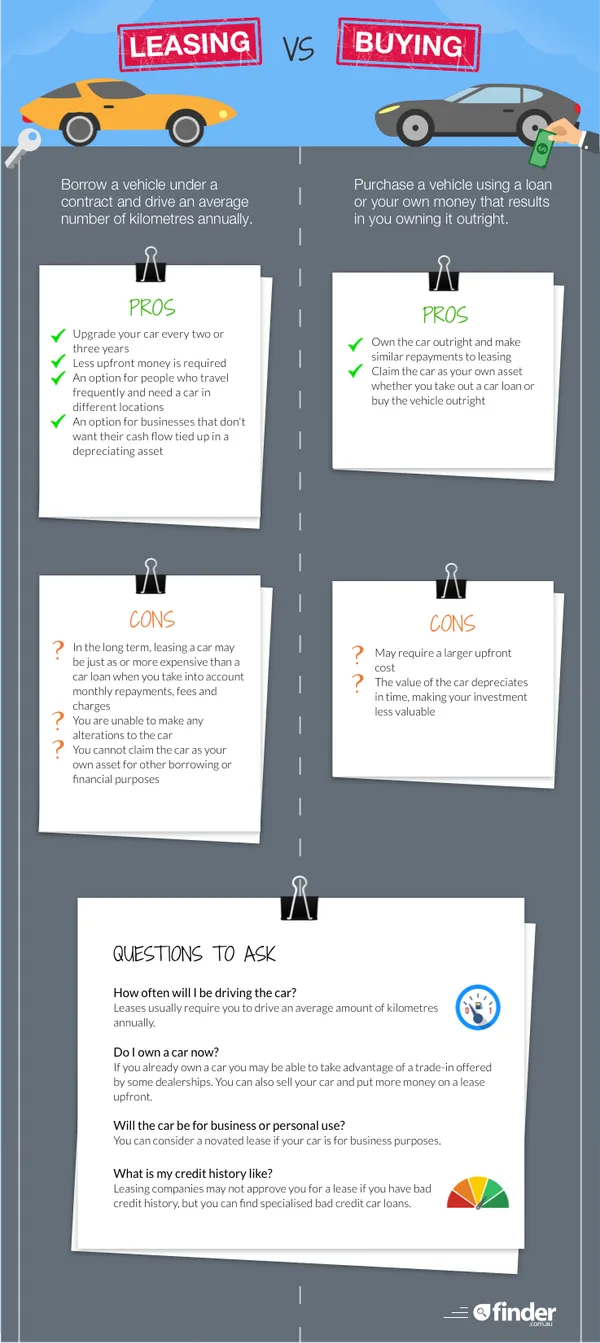
Leasing a Kia is like subscribing to a never-ending carousel of automotive perfection. Every two to four years, you can swap your ride for the latest model, draped in cutting-edge tech and wrapped in a warranty that still smells like a factory fresh dream. The monthly payments? Often lower than a loan, because you’re only paying for the car’s depreciation during your tenure, not its full sticker price. And when the lease ends, you simply hand over the keys—no haggling, no hassle, just a clean break and a new adventure on the horizon.
But here’s the twist: leasing is a masterclass in delayed gratification. You never truly own the car. That means no customization, no equity, and a strict mileage limit that could penalize you if your road trips start resembling cross-country odysseys. Imagine cruising Route 66 only to realize you’ve racked up 20,000 miles in a year—only to be slapped with a hefty excess wear-and-tear fee. It’s the automotive equivalent of a surprise birthday cake: sweet until you realize it’s laced with hidden calories.
And let’s not forget the fine print. Lease agreements are riddled with clauses that could turn your joyride into a financial rollercoaster. Early termination fees, disposition charges, and gap insurance requirements lurk in the shadows, ready to ambush the unwary. Leasing is a dance with discipline—one where you must adhere to the choreography or risk stepping on your own toes.
The Pride of Ownership: Why Buying Could Be Your Financial Soulmate
Buying a Kia is where the rubber meets the road—literally and figuratively. You’re not just leasing a car; you’re investing in a relationship. Every payment chips away at the principal, inching you closer to outright ownership. Once the loan is paid off, the car is yours to modify, sell, or keep until the wheels fall off. No mileage restrictions. No wear-and-tear police knocking on your door. Just pure, unadulterated automotive sovereignty.
Yet ownership isn’t all sunshine and open highways. The upfront costs can be daunting—a hefty down payment, sales tax, and registration fees that could drain your savings faster than a Kia Telluride guzzles premium fuel. And let’s not sugarcoat it: cars depreciate. A brand-new Kia Sportage might lose 20% of its value in the first year alone. That’s a hit to your net worth, even if you’re not writing the check for it.
But here’s where buying shines: long-term value. If you keep the car for five years or more, the math starts to tilt in your favor. No more monthly payments. No more lease-end surprises. Just a reliable set of wheels that’s paid for, freeing you to splurge on road trips, upgrades, or even a down payment on your next dream car. It’s the difference between renting a vacation home and building a home of your own—one where the walls are yours to paint.
Of course, maintenance becomes your responsibility once the warranty expires. A blown transmission or failing turbocharger won’t be covered by a lease return policy. But for those who embrace the DIY spirit or have a trusted mechanic on speed dial, ownership is a badge of honor—a testament to your commitment to the open road.
The Hidden Chess Game: Fees, Taxes, and the Fine Print
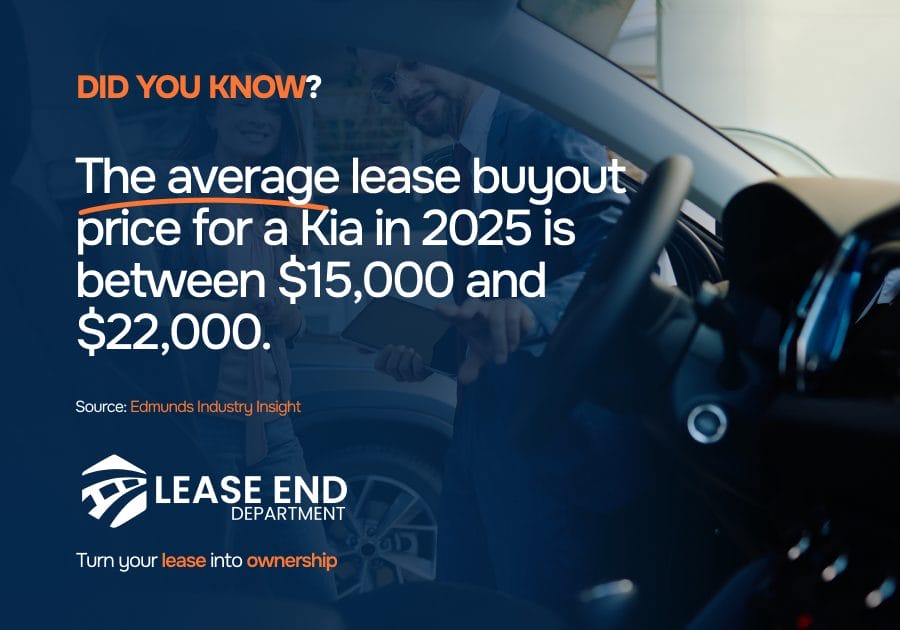
Beneath the glossy surface of lease and loan offers lies a minefield of fees designed to test your financial mettle. Leasing, for instance, often comes with an acquisition fee—a sneaky charge that can range from $300 to $900, buried in the paperwork like a thief in the night. Then there’s the disposition fee, which can hit you with a $300 to $500 bill when you return the car, even if it’s in pristine condition. It’s as if the dealership is charging you for the privilege of leaving.
Buying isn’t immune to the fee frenzy either. Dealers love to tack on documentation fees, dealer add-ons, and even VIN etching—services that cost them pennies but add hundreds to your bill. And don’t get started on taxes. In some states, you’ll pay sales tax on the full purchase price upfront, while others let you spread it out over the loan term. It’s a fiscal maze where every turn could cost you more than expected.
Gap insurance is another wildcard. If your car is totaled or stolen, standard insurance might not cover the difference between what you owe and what the insurer pays out. Gap insurance bridges that chasm—but at a premium that could add $20 to $50 to your monthly payment. It’s the financial equivalent of an umbrella in a hurricane: you hope you’ll never need it, but you’re glad it’s there when the storm hits.
Crunching the Numbers: Which Path Paints the Richer Picture?
Let’s play the numbers game—because at the end of the day, your bank account doesn’t care about aesthetics or emotional attachments. A typical Kia lease might run you $300 to $500 a month, with a $3,000 to $5,000 drive-off fee. Over three years, that’s $14,000 to $21,000, and you still don’t own a thing. Buy the same car with a 60-month loan at 4% interest, and your monthly payment could hover around $400 to $600—but after five years, you’ll have a paid-off asset worth, say, $12,000. That’s a net cost of $18,000 to $24,000, minus the residual value you’ve banked.
But here’s the kicker: if you lease for three years and then buy the same car at lease-end, you’re essentially paying for two cars in five years. It’s a financial merry-go-round that never lets you off. Meanwhile, buying means you can sell or trade in your Kia whenever you want, recouping some of your investment. It’s the difference between renting a tuxedo for every gala or buying one and wearing it until it’s threadbare.
Of course, the math shifts if you’re the type who loves driving a new car every few years. Leasing turns that impulse into a predictable expense. But if you’re disciplined, patient, and willing to embrace the long game, buying is the smarter play. It’s not just about saving money—it’s about building wealth, one monthly payment at a time.
The Emotional Equation: When the Heart Overrules the Head
Yet numbers aren’t everything. Sometimes, the intangibles tip the scales. Leasing lets you indulge in the latest tech without the guilt of long-term commitment. Want the 2025 Kia EV9 with its futuristic cockpit and biometric sensors? Lease it, love it, and return it when the 2028 model steals your heart. It’s the automotive equivalent of dating—no strings attached, just pure, unfiltered enjoyment.
Buying, on the other hand, is marriage. It’s a vow to stick by your car through thick and thin, through oil changes and alignment checks, through the day it finally coughs up its last piston. There’s pride in ownership, a sense of permanence that leasing can never replicate. It’s the difference between renting a penthouse and building a home—one where the walls echo with memories, the floors bear the scuffs of life, and the garage is a sanctuary of personal expression.
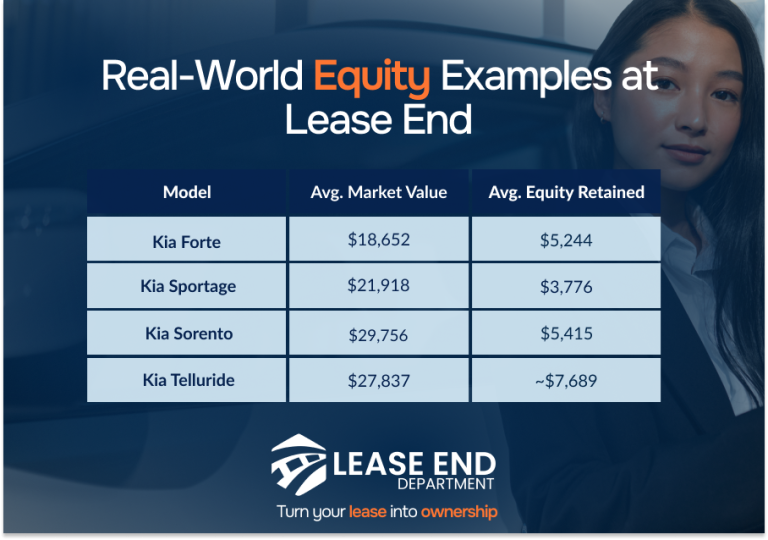
And then there’s the resale value. Some Kia models, like the Telluride or Sportage, hold their value remarkably well. Buy one, keep it for a decade, and you might recoup 40% to 50% of its original price when you sell. That’s not just a car—it’s a financial cushion, a backup plan, a legacy of smart choices.
The Final Verdict: Which Kia Path Aligns With Your Journey?
So, which route calls to you? If you crave flexibility, lower monthly payments, and the thrill of driving a new car every few years, leasing could be your perfect match. But if you’re drawn to the idea of ownership, long-term savings, and the freedom to customize your ride without fear of penalties, buying is the way to go.
Consider your lifestyle, your budget, and your dreams. Are you a road warrior who logs 20,000 miles a year, or a weekend explorer who sticks to the scenic routes? Do you thrive on change, or do you prefer the comfort of the familiar? The right choice isn’t just about dollars and cents—it’s about aligning your car with your life’s rhythm.
Whichever path you choose, remember: the open road is waiting. And whether you’re leasing or buying, the journey begins with a single turn of the key.