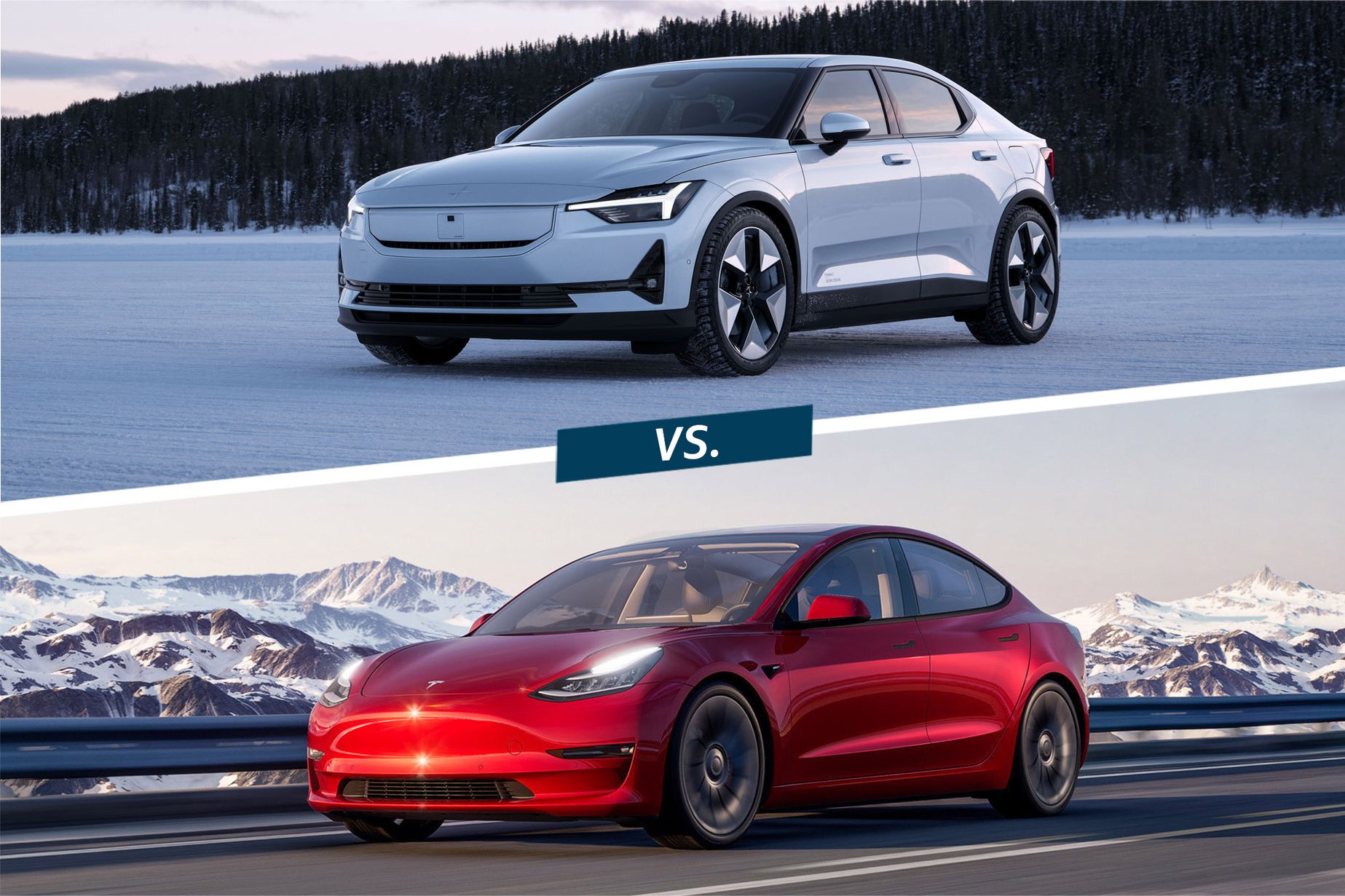
Picture this: you’re standing in a showroom, the scent of new-car upholstery in the air, the hum of electric motors thrumming through the floor like a distant heartbeat. Two sleek silhouettes catch your eye—Tesla’s Model 3, with its minimalist cockpit and brand of Silicon-Valley cool, and Polestar’s 2, a Scandinavian import draped in Scandinavian restraint and Volvo pedigree. Both promise to whisk you into the electric future without emptying your bank account. But which one delivers the better value? That’s the question that keeps more than one prospective buyer awake at night, staring at ceiling cracks while spreadsheets glow on their phones.
To answer it, we’ll need to peel back the glossy exteriors and peer under the hoods—metaphorically speaking, of course, since neither car has a traditional engine. We’ll compare sticker prices, real-world range, charging ecosystems, tech quirks, and the intangible aura each brand carries. Buckle up, because this isn’t just a comparison; it’s a duel of philosophies, a clash of cultures, and possibly your next big automotive decision.
Design: Where Philosophy Meets Aesthetics
The Tesla Model 3 wears its identity like a tech CEO’s hoodie—effortlessly cool, slightly utilitarian, and unapologetically modern. Its smooth, unibody silhouette, flush door handles, and panoramic glass roof scream “Silicon Valley minimalism.” Inside, the yoke-style steering wheel and a single curved screen dominate the cabin, creating an almost cockpit-like intimacy. There’s a sense of space here, too, thanks to the absence of a traditional dashboard. But for some, the lack of tactile buttons feels like trading tactile reality for digital abstraction.
Enter the Polestar 2, draped in Scandinavian understatement. Its grille-less front end, LED “Thor’s Hammer” headlights, and matte-black accents exude quiet confidence. The interior is a study in restrained luxury—open-pore wood, recycled materials, and a centrally mounted tablet that feels less like a gimmick and more like a thoughtful interface. The Polestar’s cabin is warmer, more tactile, and unmistakably Volvo-inspired. Where Tesla feels like a tech demo, Polestar feels like a Scandinavian design studio’s manifesto.
So, which aesthetic resonates? If you crave a digital-first, tech-forward vibe, the Model 3 wins. If you prefer organic textures and a quieter, more refined presence, the Polestar 2 takes the crown.
Range and Real-World Efficiency: The Kilowatt Showdown
Range anxiety is the ghost that haunts every EV buyer. Tesla’s Model 3 Long Range boasts up to 341 miles on the EPA cycle, a figure that’s both impressive and slightly aspirational. Real-world conditions—cold weather, highway speeds, aggressive acceleration—can shave off 15–20% of that figure. Still, it’s hard to beat for sheer endurance.
The Polestar 2, particularly the Long Range Dual Motor variant, offers up to 300 miles. That’s respectable, but it’s playing catch-up. However, Polestar’s efficiency is noteworthy. Its 82 kWh battery and 204 hp rear motor deliver a commendable 3.7 miles per kWh in mixed driving, compared to the Model 3’s 3.9. In urban stop-and-go traffic, the Polestar can feel more frugal, while the Model 3’s higher top speed and rapid acceleration demand more juice.
Charging speeds tell another story. The Model 3 can gulp down up to 250 kW at a V3 Supercharger, replenishing 175 miles in 15 minutes. The Polestar 2 tops out at 155 kW, meaning it’s playing second fiddle in the fast-charging race. If you’re planning long road trips, the Tesla’s charging network is still the gold standard.
So, does range trump efficiency? It depends. If you’re a frequent highway traveler, the Model 3’s superior range and charging network give it the edge. If you’re mostly city-bound and value frugality, the Polestar 2’s efficiency might just steal your heart.
Performance: The Need for Speed (and Control)
The Tesla Model 3 Performance sprints from 0–60 mph in a blistering 3.1 seconds, thanks to its dual-motor all-wheel-drive system and a 450 hp powertrain. It’s not just quick; it’s unsettlingly quick, with a low center of gravity and precise steering that makes it feel like it’s glued to the road. The Polestar 2 Long Range Dual Motor isn’t far behind, clocking 4.4 seconds, but it trades outright speed for a more composed, balanced ride. Its Öhlins suspension and near-50:50 weight distribution make it feel planted, even on twisty backroads.
But performance isn’t just about straight-line speed. The Model 3’s regenerative braking is aggressive, almost jarring, while the Polestar’s is more linear and adjustable. The Polestar’s steering feel is more analog, more connected—something Tesla has historically struggled with. If you’re a driving enthusiast, the Polestar’s tactile feedback and balanced chassis might just feel more rewarding.
So, who wins the performance duel? Tesla for the adrenaline junkies, Polestar for the connoisseurs of control.
Tech and Infotainment: The Digital Divide
Tesla’s infotainment system is a marvel of integration. The 15.4-inch touchscreen controls everything—climate, media, vehicle settings—with the kind of fluidity that makes you forget you’re using a screen. Over-the-air updates keep the software fresh, and features like Sentry Mode and Dog Mode add layers of utility. But the lack of physical controls can feel alienating, especially for those who grew up with knobs and buttons.
The Polestar 2’s Google Built-in system is a different beast. It’s intuitive, voice-activated, and deeply integrated with Google services, but it lacks the polish of Tesla’s proprietary software. The 12.3-inch center display is crisp, but the overall interface feels less cohesive. On the plus side, Polestar offers a more traditional physical climate control layout, which some drivers find reassuring.
So, which tech ecosystem reigns supreme? Tesla for the all-in-one digital experience, Polestar for those who prefer a hybrid of analog and digital.
Price and Value: The Bottom Line
Let’s talk numbers. The Tesla Model 3 Rear-Wheel Drive starts at $38,990, while the Long Range version begins at $47,740. The Polestar 2 Single Motor starts at $48,800, and the Long Range Dual Motor clocks in at $52,600. At first glance, the Model 3 seems like the budget-friendly option. But incentives and real-world pricing can shift the balance.
Tesla’s pricing is transparent, but delivery fees and options can add up. Polestar’s pricing is less transparent, with frequent incentives and lease deals that can make the 2 more affordable. Resale value is another factor. Teslas historically hold their value well, but Polestar’s warranty—10 years on the battery and 5 years on the vehicle—could sway long-term buyers.
So, which offers better value? The Model 3 for upfront savings and brand cachet, the Polestar 2 for warranty peace of mind and a more tactile ownership experience.
Brand Identity: The X-Factor
Tesla’s brand is built on disruption, innovation, and a cult-like following. Owning a Model 3 isn’t just about transportation; it’s about being part of a movement. The Polestar brand, meanwhile, is rooted in Scandinavian design, safety, and understated luxury. It’s the anti-Tesla in many ways—quietly confident, less flashy, more mature.
Which identity resonates with you? If you want to be a pioneer, Tesla’s your pick. If you prefer a refined, European approach, Polestar wins.
The choice isn’t just about specs or price—it’s about what you value most in a car. Do you crave the cutting edge, or do you prefer the timeless elegance of Scandinavian design? The answer might just be the key to your next automotive adventure.
So, which electric steed will you saddle up? The futuristic Tesla Model 3, with its blistering pace and digital allure? Or the polished Polestar 2, with its Scandinavian soul and balanced poise? The road ahead is yours to choose—and whichever path you take, the future of driving looks brighter than ever.