In the ever-evolving landscape of electric vehicles, two titans stand poised to redefine what it means to drive without a drop of gasoline. The Tesla Model 3 and the Hyundai Ioniq 6 don’t just compete—they challenge our perceptions of efficiency, design, and technological prowess. But which one truly deserves the crown of the ultimate EV sedan? The answer isn’t as straightforward as it seems, for each car brings something uniquely compelling to the table. One promises raw innovation and a cult-like following, while the other delivers a blend of elegance and understated sophistication. The question lingers: can the Ioniq 6’s sleek silhouette outmaneuver the Model 3’s relentless technological dominance? Or will the Tesla’s head start in the EV race prove insurmountable? Buckle up—this isn’t just a comparison; it’s a duel of ideologies on four wheels.
The Design Philosophy: Form Meets Function in Stark Contrast
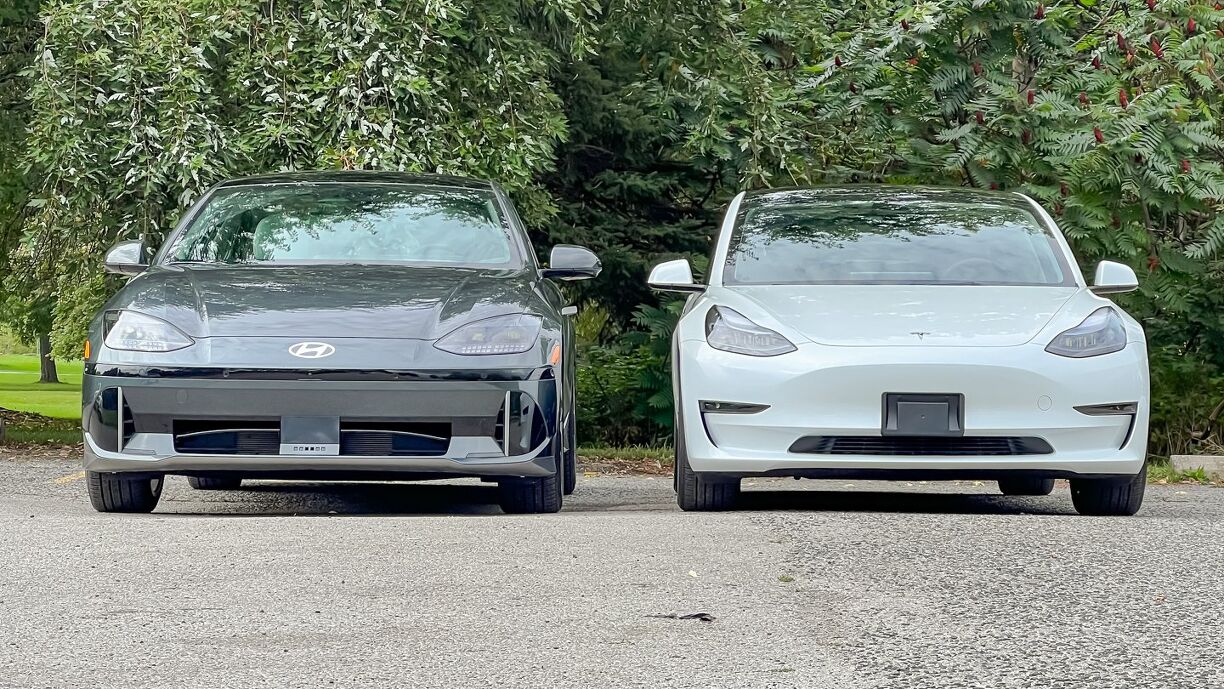
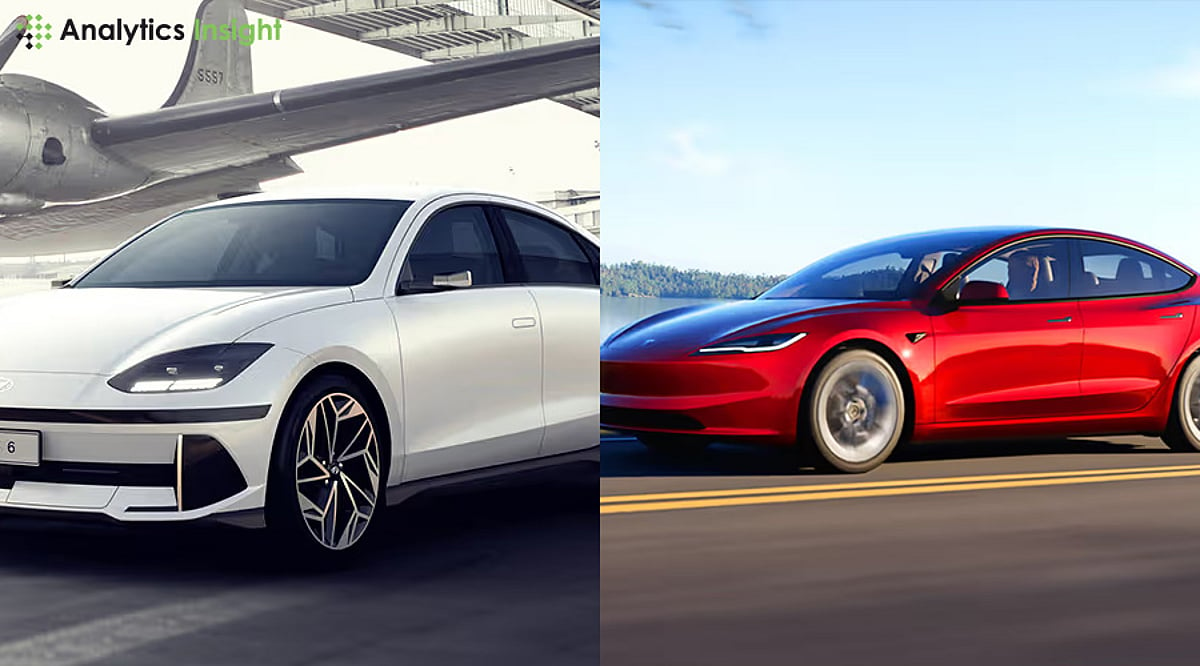
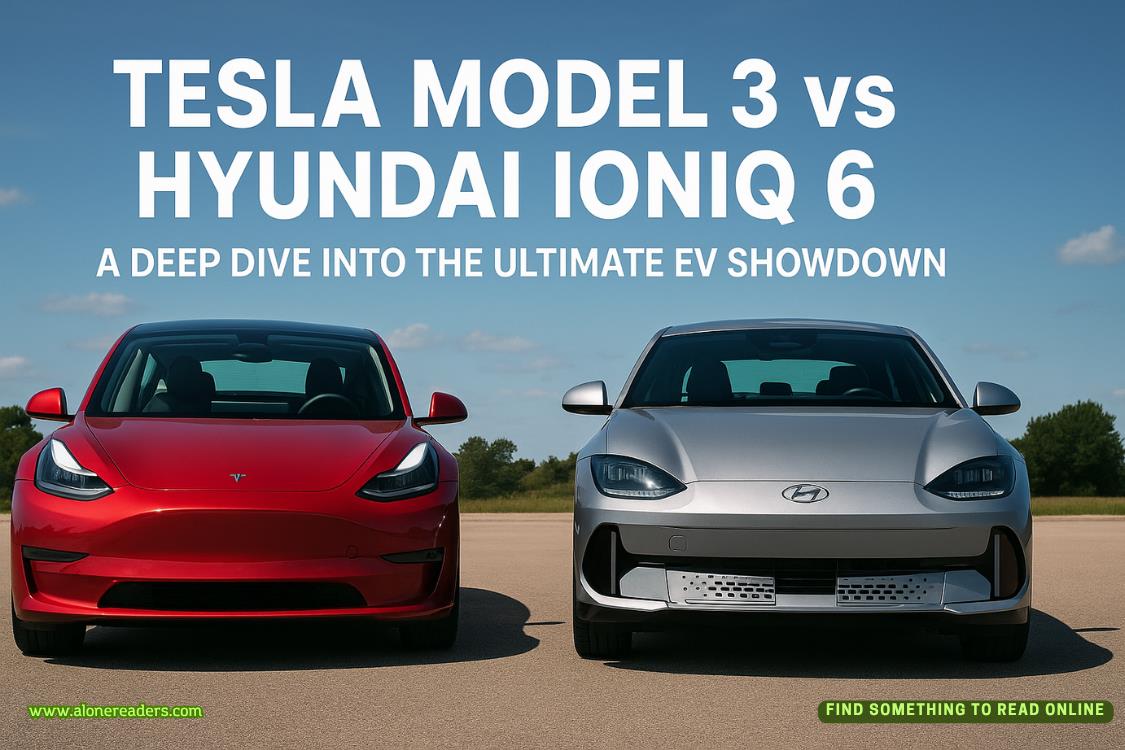
The Tesla Model 3 and Hyundai Ioniq 6 are not merely cars—they are statements. The Model 3, with its minimalist aesthetic and unadorned surfaces, embodies the ethos of Silicon Valley: less is more, and everything serves a purpose. Its smooth, aerodynamic lines are not just for show; they’re a testament to Tesla’s obsession with efficiency, reducing drag to shave precious minutes off charging stops. The front fascia, dominated by a single, unbroken light bar, is a signature of modernist design, where form follows function with almost surgical precision.
Enter the Hyundai Ioniq 6, a sedan that dares to be different. Where the Model 3 feels like a product of the digital age, the Ioniq 6 harks back to the golden era of automotive design, albeit with a futuristic twist. Its long, flowing roofline and sharply tapered rear end evoke the elegance of a grand tourer, while the front grille—though minimal—hints at Hyundai’s commitment to aerodynamics. The Ioniq 6 doesn’t just cut through the air; it seems to glide, its proportions suggesting a blend of speed and serenity. The contrast is striking: one car is a digital canvas, the other a sculpted masterpiece.
Performance and Driving Dynamics: The Thrill of the Electric Pulse
Under the hood—or more accurately, beneath the floor—the Tesla Model 3 and Hyundai Ioniq 6 reveal their true intentions. The Model 3, particularly in its Performance variant, is a rocket on wheels. With instant torque delivery and a low center of gravity thanks to its battery placement, it accelerates with a ferocity that belies its understated exterior. The steering is precise, the handling razor-sharp, and the regenerative braking system so seamless it feels like the car is reading your mind. Tesla’s software prowess shines here, with over-the-air updates continuously refining the driving experience.
The Ioniq 6, however, offers a different kind of thrill. Its rear-wheel-drive layout, paired with a single electric motor, delivers a composed and balanced ride that prioritizes comfort without sacrificing agility. The steering is lighter, the suspension tuned for a smoother journey, making it an ideal companion for long highway stretches. While it may not match the Model 3’s outright acceleration, the Ioniq 6 compensates with a serene, almost meditative driving experience. It’s the difference between a sprint and a marathon—both exhilarating, but in fundamentally different ways.
Interiors: The Battle of Minimalism vs. Luxury
Step inside the Tesla Model 3, and you’re greeted by a space that feels like the cockpit of a spaceship. The yoke-style steering wheel, the massive central touchscreen, and the absence of physical buttons create an environment that is both futuristic and slightly disorienting. The materials are a mix of hard plastics and soft-touch surfaces, with a focus on durability and ease of cleaning. The Model 3’s interior is a blank canvas, waiting for software to bring it to life—literally. Every interaction is mediated through the screen, from climate control to music selection, reinforcing Tesla’s vision of a software-defined car.
The Hyundai Ioniq 6, in contrast, is a study in tactile luxury. The cabin is wrapped in high-quality materials, from the soft-touch dashboard to the available leather upholstery. The dual 12.3-inch displays—one for the instrument cluster and another for infotainment—are seamlessly integrated into a sleek, curved dashboard, creating an environment that feels both premium and inviting. The Ioniq 6’s interior is designed to cocoon the driver and passengers, offering a sense of refinement that the Model 3’s minimalism sometimes lacks. It’s a space where technology serves the user, rather than the other way around.
Range and Charging: The Endurance Test
Range anxiety is the ghost that haunts every EV owner, and both the Tesla Model 3 and Hyundai Ioniq 6 have taken bold steps to exorcise it. The Model 3, particularly in its Long Range variant, boasts an EPA-estimated range of up to 358 miles, a figure that puts it in the upper echelon of electric sedans. Tesla’s proprietary Supercharger network, with its widespread availability and rapid charging speeds, further solidifies its advantage. A 15-minute stop can add up to 200 miles of range, making long-distance travel a breeze.
The Ioniq 6, however, is no slouch. With an EPA-estimated range of up to 361 miles in its most efficient configuration, it edges out the Model 3 by a razor-thin margin. Hyundai’s partnership with Electrify America ensures access to a robust charging infrastructure, though the speeds may not match Tesla’s proprietary network. The Ioniq 6’s ultra-low drag coefficient of 0.21 also contributes to its efficiency, allowing it to stretch its range further on a single charge. In the battle of endurance, both cars are evenly matched, each offering a compelling case for the long-distance driver.
Technology and Innovation: The Digital Divide
Tesla has long been the poster child for automotive innovation, and the Model 3 is no exception. The car’s software ecosystem is a marvel of integration, with features like Autopilot, Sentry Mode, and over-the-air updates that continuously improve performance and functionality. The Model 3’s ability to learn and adapt to its driver’s habits—whether it’s adjusting the suspension for comfort or optimizing battery usage—sets a new standard for what an electric car can be. Tesla’s ecosystem extends beyond the vehicle itself, with the Tesla app offering remote control, diagnostics, and even gaming capabilities.
The Hyundai Ioniq 6, while not as feature-rich as the Model 6, makes up for it with thoughtful touches and a more traditional approach to technology. The car’s infotainment system, powered by a dual-core processor, is responsive and intuitive, with support for Apple CarPlay and Android Auto. Hyundai’s Bluelink app provides remote access to vehicle functions, though it lacks the gamification and deep integration of Tesla’s ecosystem. The Ioniq 6’s strengths lie in its simplicity and reliability, offering a more conventional tech experience that may appeal to drivers wary of Tesla’s all-encompassing digital ecosystem.
Price and Value: The Bottom Line
When it comes to pricing, the Tesla Model 3 and Hyundai Ioniq 6 occupy different rungs on the ladder. The Model 3 starts at a more accessible price point, particularly in its Standard Range variant, making it an attractive option for budget-conscious buyers. Even the Long Range and Performance models, while pricier, offer a compelling value proposition when considering the car’s resale value and the savings on fuel and maintenance. Tesla’s direct-to-consumer sales model also eliminates the need for dealership markups, further enhancing its appeal.
The Ioniq 6, on the other hand, commands a premium, particularly in its higher trims. Its starting price is higher than the Model 3’s, and the fully loaded versions can approach luxury sedan territory. However, the Ioniq 6’s value proposition lies in its blend of efficiency, comfort, and design. For buyers who prioritize these attributes over raw technological innovation, the Ioniq 6 offers a compelling alternative. Hyundai’s generous warranty coverage—including a 10-year/100,000-mile battery warranty—also adds peace of mind, making the Ioniq 6 a strong contender in the long run.
In the end, the choice between the Tesla Model 3 and Hyundai Ioniq 6 is less about which car is superior and more about which philosophy resonates with the driver. The Model 3 is for those who crave innovation, speed, and a digital-first experience. The Ioniq 6 is for those who value elegance, comfort, and a more traditional approach to luxury. Both cars are exceptional in their own right, each pushing the boundaries of what an electric sedan can be. The real question isn’t which one is better—it’s which one speaks to you.