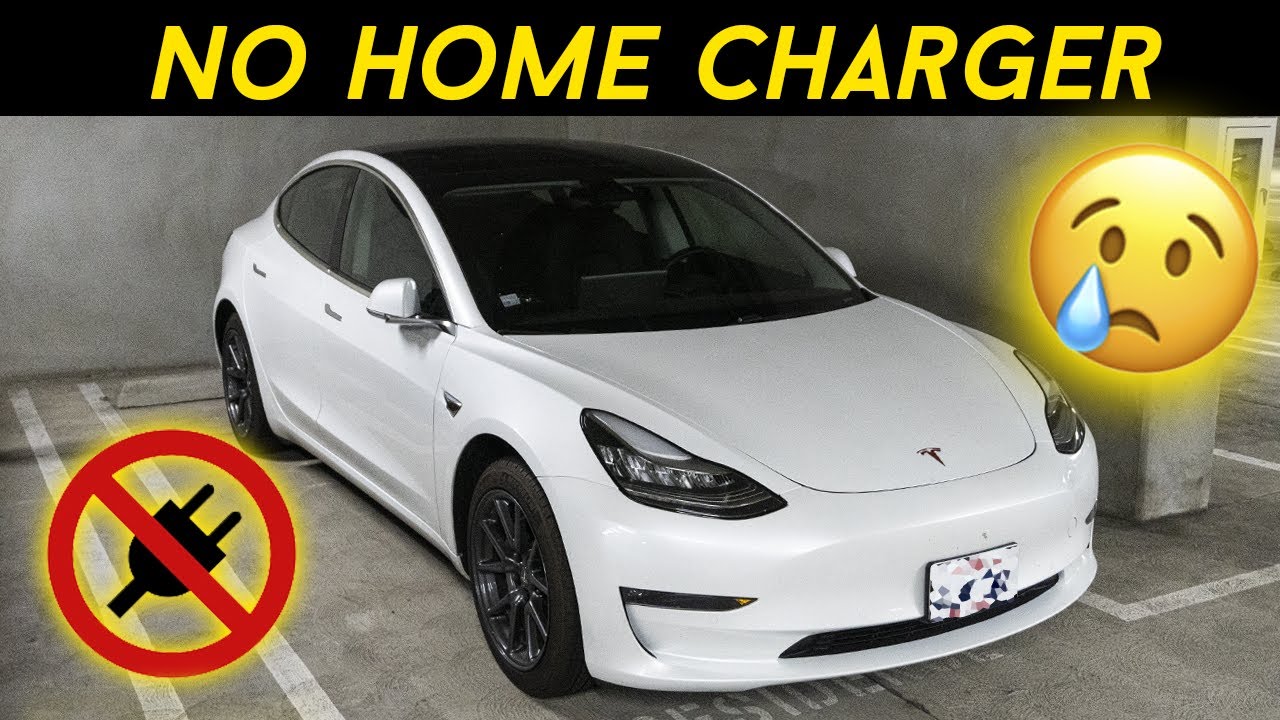
Living with a Tesla without a home charger might seem like an insurmountable challenge at first glance. After all, electric vehicles thrive on the convenience of overnight charging, and the absence of a dedicated power source at home can feel like a step backward into the era of combustion engines. Yet, the reality is far more nuanced. With strategic planning, access to public charging infrastructure, and a few clever adaptations, it’s entirely possible to embrace Tesla ownership without a home charger. This guide explores the feasibility of such a lifestyle, offering practical insights for apartment dwellers, renters, and anyone navigating the complexities of EV ownership without a personal charging station.
The Myth of the Home Charger: Debunking the Necessity
The assumption that a home charger is indispensable stems from a traditional mindset where vehicles are refueled at home overnight. However, Tesla’s charging ecosystem is designed to accommodate diverse living situations. The key lies in understanding that a home charger is merely one of many charging avenues. For those without one, the solution lies in leveraging public charging networks, workplace charging, and strategic trip planning. The Tesla Model 3 Standard Range Plus, for instance, boasts a range of approximately 272 miles on a full charge, which is more than sufficient for daily commutes and errands in most urban and suburban settings. The real question isn’t whether it’s possible to live without a home charger, but how to optimize charging habits to fit a non-traditional lifestyle.
Public Charging Networks: The Lifeline of Urban EV Owners
Public charging stations have proliferated across cities, shopping centers, and even curbsides, offering a viable alternative to home charging. Tesla’s Supercharger network is the most extensive, with over 45,000 global locations, many of which are strategically placed near amenities like restaurants, gyms, and retail outlets. These stations can replenish up to 80% of a battery in as little as 15 minutes, making them ideal for top-ups during errands or workdays. Apps like PlugShare and ChargeHub provide real-time maps of available chargers, along with user reviews and pricing details, ensuring that drivers can plan their stops with precision. For apartment residents, public charging isn’t just a fallback—it’s a primary resource that can seamlessly integrate into daily routines.
Beyond Superchargers, Level 2 public chargers—slower but more widespread—are often found in parking garages, hotels, and office buildings. While these require longer dwell times, they’re perfect for overnight charging if you have access to a nearby parking spot. Some workplaces even offer free charging as an employee benefit, turning a standard 9-to-5 into an opportunity to top off the battery. The trick is to identify these hidden gems and incorporate them into your weekly schedule. For example, a weekly grocery run could coincide with a 30-minute charge session, ensuring the Tesla is ready for the next day’s commute.
Workplace Charging: Turning Obligations into Opportunities
For many urban dwellers, the workplace serves as a de facto charging hub. Employers are increasingly recognizing the value of EV-friendly infrastructure, with many installing Level 2 chargers in office parking lots. If your workplace offers this amenity, it’s a game-changer. A full workday provides ample time to replenish the battery, often adding 25-30 miles of range per hour of charging. Even if your employer hasn’t installed chargers yet, advocating for them can be a worthwhile endeavor—many companies are receptive to sustainability initiatives, especially when they align with corporate social responsibility goals.
If workplace charging isn’t an option, consider carpooling or rideshare alternatives for a few days a week to free up charging time at home or public stations. Alternatively, explore nearby cafes or libraries where you can park for extended periods while the Tesla charges. The goal is to reframe charging as an activity rather than a chore, weaving it into the fabric of your daily life. With a bit of creativity, even the most mundane stops can become opportunities to keep the battery topped off.
Adaptive Charging Strategies: Making the Most of Limited Resources
Living without a home charger demands a shift in mindset from passive to active charging. One effective strategy is to adopt a “charge-as-you-go” approach, where every outing is an opportunity to top off the battery. For instance, a trip to the gym might include a 30-minute charge session, or a visit to a shopping mall could coincide with a longer session while you browse stores. Apps like Tesla’s in-car navigation system can preemptively route you through Supercharger stations, ensuring you never run low on power. Additionally, enabling features like Scheduled Departure and Preconditioning can optimize charging efficiency, reducing the time spent plugged in.
Another tactic is to leverage destination chargers, which are Level 2 stations installed at hotels, wineries, and tourist attractions. These chargers are slower but often free or low-cost, making them ideal for overnight stays or leisurely visits. Planning weekend getaways around destinations with charging infrastructure ensures that range anxiety becomes a non-issue. For example, a weekend trip to a coastal town with a Tesla-friendly hotel could turn a leisurely escape into a seamless charging opportunity. The key is to treat charging as a natural part of travel, much like refueling a gas car at a rest stop.

Battery Management: Maximizing Range and Longevity
Without a home charger, efficient battery management becomes paramount. Tesla’s Battery Preconditioning feature is a critical tool, allowing you to warm the battery before departure, which improves charging speed and range efficiency. Additionally, avoiding frequent deep discharges—keeping the battery between 20% and 80%—can extend its lifespan and reduce the need for frequent top-ups. The Tesla app provides real-time battery statistics, enabling drivers to monitor their energy consumption and adjust their habits accordingly. For example, disabling features like Sentry Mode or reducing cabin preconditioning times can shave off unnecessary energy drain, preserving range for essential trips.
Seasonal considerations also play a role in battery performance. Cold weather can reduce range by up to 30%, making it essential to plan charging stops more frequently during winter months. Conversely, summer heat can cause battery degradation if the vehicle is left parked in direct sunlight for extended periods. Using features like the Tesla app to precondition the cabin before departure can mitigate these effects, ensuring optimal performance regardless of the weather. By treating the battery as a finite resource to be conserved, drivers can navigate life without a home charger with confidence.
Financial Considerations: The Cost of Alternative Charging
While public charging isn’t free, it’s often more cost-effective than relying solely on home charging, especially if your electricity rates are high. Tesla Superchargers typically cost between $0.25 and $0.50 per kWh, which translates to roughly $10-$20 for a full charge, depending on the vehicle’s battery size. In contrast, home charging in areas with lower electricity rates can cost as little as $5-$10 per full charge. However, the convenience of public charging often outweighs the cost, particularly for those without dedicated parking or charging infrastructure at home.
To offset expenses, some drivers opt for membership programs like Tesla’s Full Self-Driving (FSD) subscription or third-party charging networks that offer discounted rates. Additionally, workplace charging can provide significant savings, as some employers cover the cost of electricity. Over time, the financial impact of alternative charging methods becomes negligible, especially when weighed against the savings from not owning a gas-powered vehicle. The upfront cost of installing a home charger—often $500-$2,000—can be prohibitive for renters or those in multi-unit dwellings, making public charging a pragmatic solution.
Community and Support: Tapping into the EV Ecosystem
The EV community is a vast and supportive network of enthusiasts, advocates, and experts who share a common goal: making electric vehicle ownership accessible to all. Online forums like Reddit’s r/Tesla and Tesla-focused Facebook groups are treasure troves of firsthand advice, from navigating apartment charging restrictions to identifying the best public chargers in specific cities. Local Tesla Owner Clubs often host meetups and charging events, providing opportunities to connect with fellow drivers and learn from their experiences. These communities can offer tailored recommendations, such as the most reliable charging stations in your area or tips for maximizing range during road trips.
Beyond informal networks, organizations like Plug In America and the Sierra Club advocate for better EV infrastructure, pushing for more public charging stations and workplace incentives. Supporting these initiatives not only benefits the broader EV community but also ensures that future infrastructure improvements make life easier for all electric vehicle owners. By engaging with these communities, drivers without home chargers can stay informed, share knowledge, and contribute to the growth of sustainable transportation.
Road Trips and Long-Distance Travel: Navigating the Open Road
Long-distance travel without a home charger requires meticulous planning, but it’s far from impossible. Tesla’s navigation system is designed to account for charging stops, automatically routing drivers through Supercharger stations along their route. For longer trips, apps like A Better Routeplanner (ABRP) can optimize charging stops based on real-time traffic, weather, and charger availability. These tools ensure that drivers can cover vast distances without range anxiety, often with minimal additional time spent charging. For example, a cross-country road trip from Los Angeles to New York can be completed in two days with strategic Supercharger stops, each adding roughly 200 miles of range in 20-30 minutes.
When planning road trips, it’s essential to account for factors like charger occupancy, weather-related range reductions, and detours for maintenance or rest. Booking accommodations at hotels with destination chargers can provide peace of mind, ensuring the Tesla is fully charged by morning. Additionally, carrying a mobile charging cable (like Tesla’s Mobile Connector) allows for opportunistic charging at Level 2 stations or even standard outlets in a pinch. The key is to treat long-distance travel as a puzzle to be solved, where each charging stop is a piece of the journey rather than an obstacle.

Living with a Tesla without a home charger is less about overcoming limitations and more about reimagining the possibilities of electric vehicle ownership. The modern EV ecosystem is built to accommodate diverse lifestyles, whether you’re an apartment dweller, a frequent traveler, or someone who simply prefers the flexibility of public charging. By leveraging public infrastructure, adaptive strategies, and community support, it’s entirely feasible to embrace Tesla ownership without a dedicated home charger. The transition requires a shift in mindset—from viewing charging as a chore to seeing it as an integral part of daily life. With the right tools and a proactive approach, the open road becomes a realm of endless exploration, unburdened by the constraints of traditional refueling. The future of driving isn’t just electric; it’s adaptable, accessible, and full of potential.