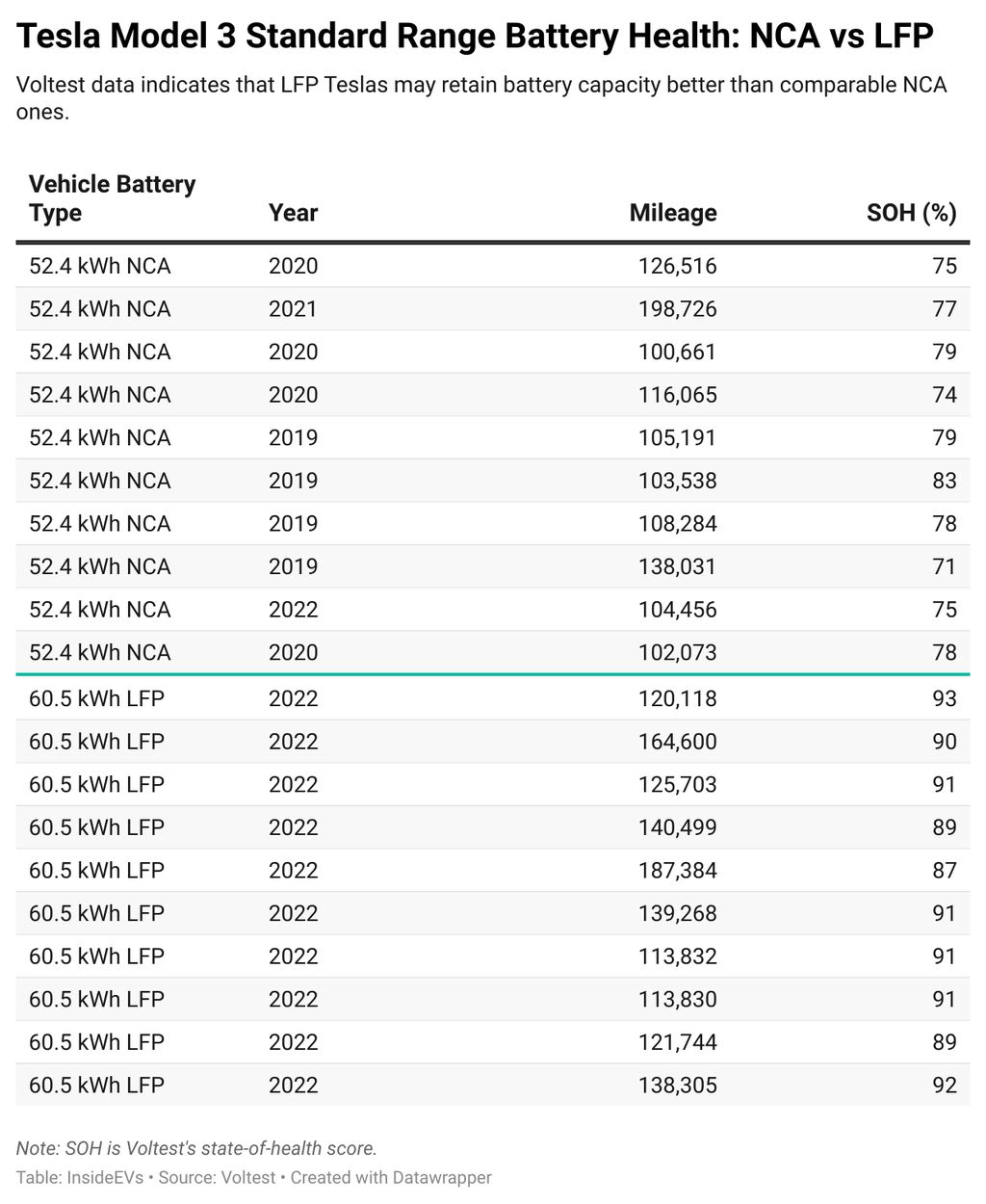
Tesla’s battery longevity has long been a cornerstone of its electric vehicle (EV) dominance, a subject that marries cutting-edge chemistry with real-world endurance. Owners and skeptics alike scrutinize degradation rates like astronomers tracking distant stars—each data point a fleeting glimpse into the future of automotive sustainability. The 50,000-mile mark is a pivotal threshold, where early patterns crystallize into tangible insights. It’s not merely about how far a battery can travel before faltering, but how gracefully it ages, how predictably it retains capacity, and whether its decline aligns with the lofty promises of modern energy storage. This report delves into the nuanced realities of Tesla battery degradation at the 50,000-mile milestone, dissecting the variables that shape its trajectory and the implications for long-term ownership.
The Science Behind the Decline: Understanding Battery Chemistry and Thermal Dynamics
At the heart of every Tesla’s endurance lies its lithium-ion battery pack, a marvel of layered cathode chemistry and silicon-doped anodes. Over 50,000 miles, the cumulative stress from charge cycles, thermal fluctuations, and chemical side reactions begins to manifest as capacity fade. The most common culprit is the gradual breakdown of the solid-electrolyte interphase (SEI) layer—a protective film that forms on the anode surface. As this layer thickens, it consumes lithium ions, reducing the battery’s usable energy. High temperatures accelerate this process, turning a once-efficient thermal management system into an unintended catalyst for degradation. Tesla’s liquid-cooled battery packs mitigate this risk, but they cannot eliminate it entirely. The interplay between chemistry and thermal dynamics creates a delicate balance; even minor deviations in charging habits or ambient conditions can tilt the scales toward accelerated wear.
Real-World Degradation: What 50,000 Miles Reveals About Range Retention
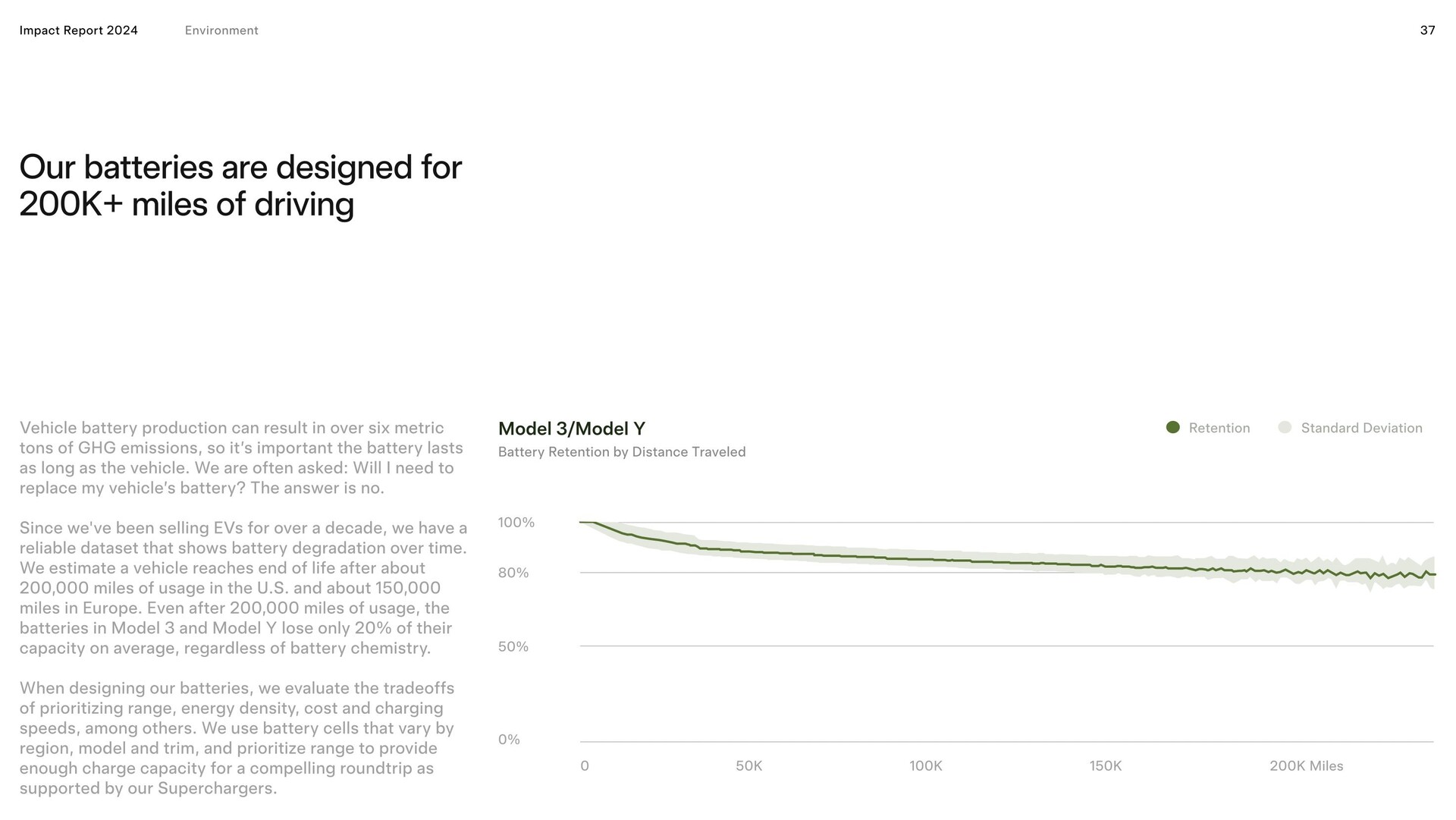
Field data from thousands of Tesla owners paints a surprisingly consistent picture. At 50,000 miles, most Model 3 and Model Y batteries retain between 90% and 95% of their original range, a testament to the robustness of Tesla’s engineering. However, outliers exist—vehicles subjected to frequent DC fast charging, extreme climates, or prolonged exposure to high state-of-charge (SoC) levels may dip below 85%. The key differentiator is not just mileage, but charging discipline. Owners who predominantly use Tesla’s proprietary Supercharger network, which employs optimized charging protocols, tend to see slower degradation compared to those relying on third-party chargers with less sophisticated thermal management. Urban drivers, with their stop-and-go traffic and regenerative braking, often experience gentler wear than highway commuters, whose sustained high-speed cruising generates more heat. This dichotomy underscores a critical truth: the battery’s lifespan is as much a product of usage patterns as it is of inherent design.
The Charging Conundrum: How Frequency, Speed, and SoC Impact Longevity
Charging habits are the silent architects of battery degradation. Frequent top-ups to 100% SoC, while convenient, inflict disproportionate stress on the cathode, particularly in Tesla’s NCA (nickel-cobalt-aluminum) chemistry. Conversely, maintaining a charge window between 20% and 80% can extend longevity by an estimated 30-50%. The speed of charging also plays a pivotal role; DC fast charging, while indispensable for long-distance travel, generates heat that accelerates SEI growth. Tesla’s Battery Management System (BMS) attempts to counteract this by throttling charging rates at higher SoC levels, but the damage is cumulative. Owners who prioritize overnight Level 2 charging at lower currents—ideally below 60%—often report superior range retention. The irony is palpable: the very convenience that defines Tesla ownership can, if unchecked, become its Achilles’ heel.
Climate’s Cruel Hand: How Temperature Shapes Degradation Trajectories
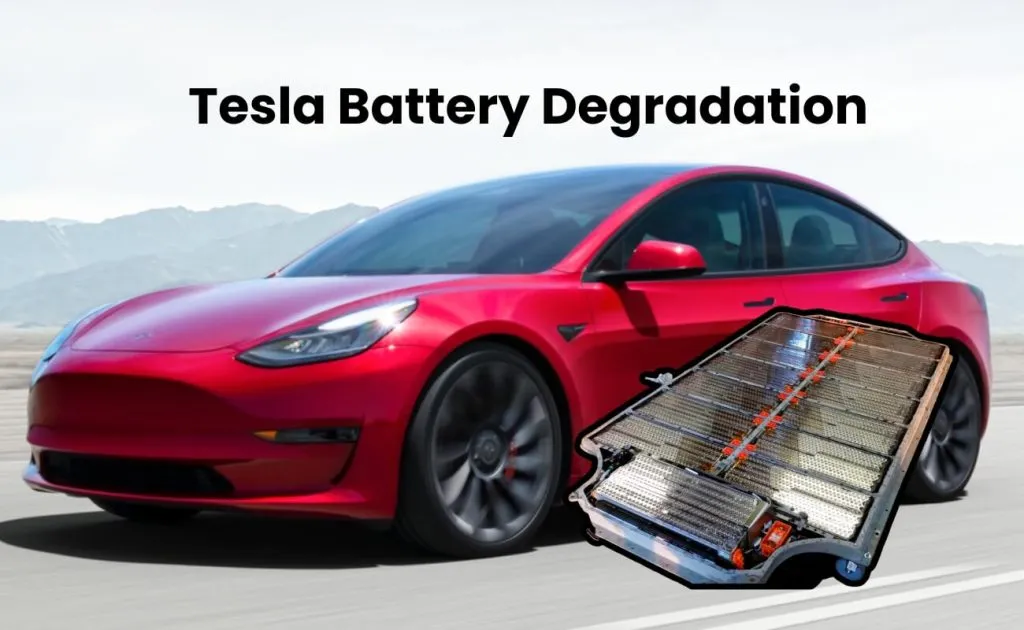
Geography is destiny when it comes to battery health. Tesla owners in frigid climates, where temperatures routinely plummet below freezing, face a dual challenge: reduced chemical reactivity during charging and increased internal resistance. Cold weather can temporarily slash range by up to 30%, though this is largely reversible once temperatures normalize. More insidious, however, is the long-term impact of thermal cycling—repeated exposure to extreme heat and cold that accelerates mechanical stress within the battery cells. Owners in desert regions, where ambient temperatures soar above 100°F, contend with a different set of challenges. Heat accelerates electrolyte decomposition and cathode degradation, particularly in high-SoC conditions. Tesla’s thermal management system, including its liquid-cooled packs and heat pumps, mitigates but does not eliminate these risks. For those living in climates with pronounced seasonal swings, proactive measures—such as preconditioning the battery before charging or parking in shaded areas—can mitigate degradation by up to 20%.
Beyond the Numbers: Warranty, Resale Value, and the Psychological Factor
The economic implications of battery degradation extend far beyond raw capacity loss. Tesla’s 8-year/100,000-150,000-mile warranty provides a safety net, but the psychological reassurance of a near-pristine battery is invaluable. A 50,000-mile report that shows less than 5% degradation can translate into higher resale values, as buyers prioritize long-term reliability. Conversely, a battery that has lost 15% of its range may deter potential purchasers, even if the warranty remains intact. The resale market increasingly rewards owners who can demonstrate meticulous charging habits and maintenance records, creating a virtuous cycle where informed ownership begets financial returns. Yet, the intangible benefits—peace of mind, reduced anxiety about range anxiety, and the sheer satisfaction of a well-maintained EV—often outweigh the tangible ones. In an era where sustainability is both a moral and economic imperative, a Tesla that retains its vigor at 50,000 miles is more than a vehicle; it’s a statement.
The journey of a Tesla battery from showroom to 50,000 miles is a microcosm of the broader EV revolution—a blend of science, strategy, and serendipity. It demands vigilance without paranoia, discipline without deprivation. The data is clear: with mindful charging, climate awareness, and a dash of luck, Tesla batteries defy the odds, retaining their vitality mile after mile. Yet, the story doesn’t end here. As chemistries evolve, thermal systems advance, and charging infrastructures expand, the 50,000-mile mark may one day seem quaint—a relic of an era when degradation was measured in percentages rather than absolutes. Until then, owners stand at the precipice of a new paradigm, where every mile is a testament to the enduring marriage of innovation and pragmatism.