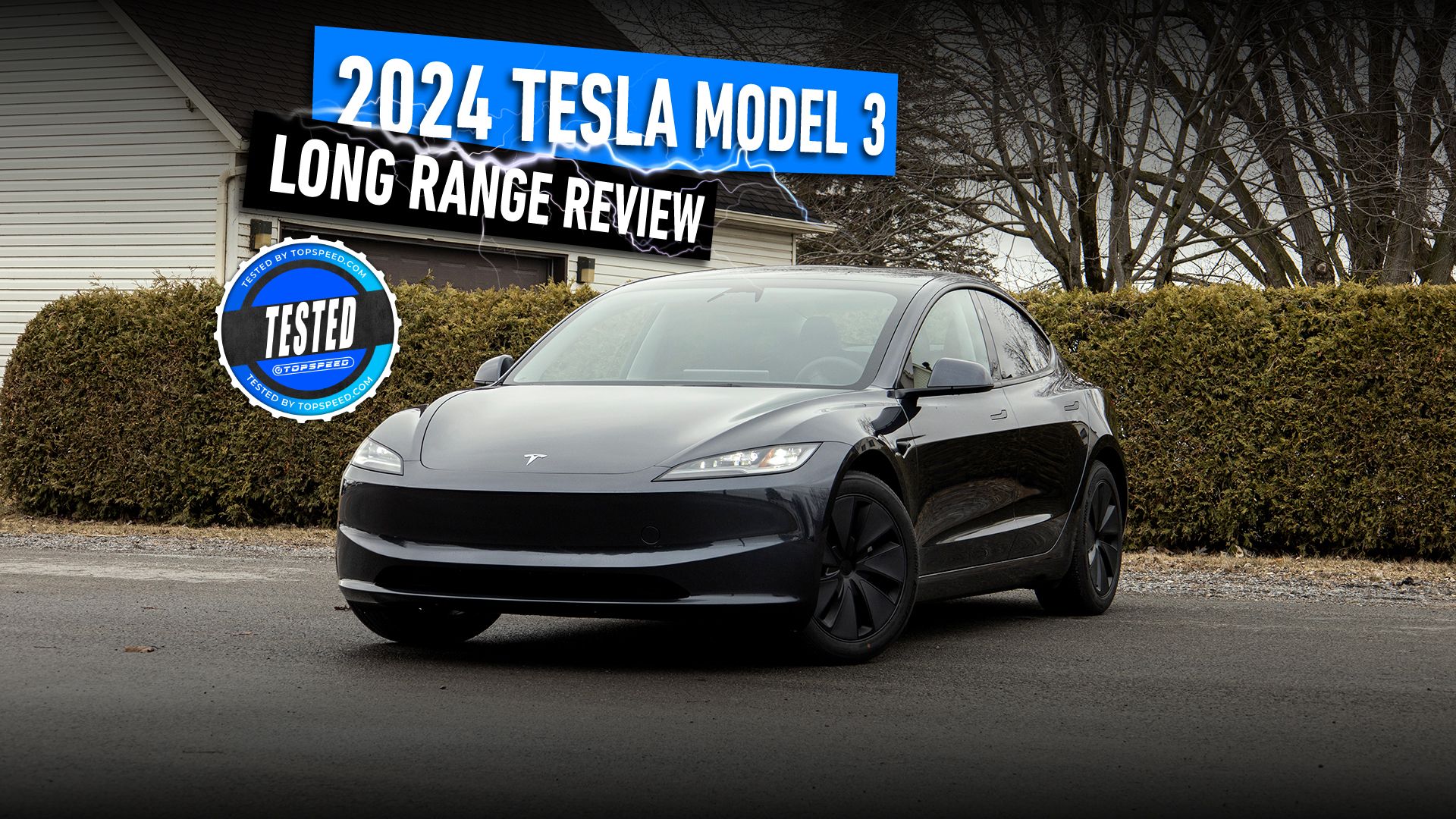
The Tesla Model 3 Rear-Wheel Drive (RWD) has long been the entry point into Tesla’s electric vehicle (EV) ecosystem—a gateway that blends affordability with cutting-edge technology. As the automotive world pivots toward electrification, the Model 3 RWD stands as a compelling proposition: a sedan that delivers remarkable efficiency without the premium price tag of its Long Range or Performance siblings. But is it truly the best value for the money when it comes to range? To answer that, we must dissect its performance, cost-effectiveness, real-world usability, and the broader context of the EV market. This exploration will guide potential buyers through the nuances of range, charging infrastructure, ownership costs, and the intangible allure of Tesla’s ecosystem.
The Allure of Rear-Wheel Drive: Simplicity Meets Efficiency
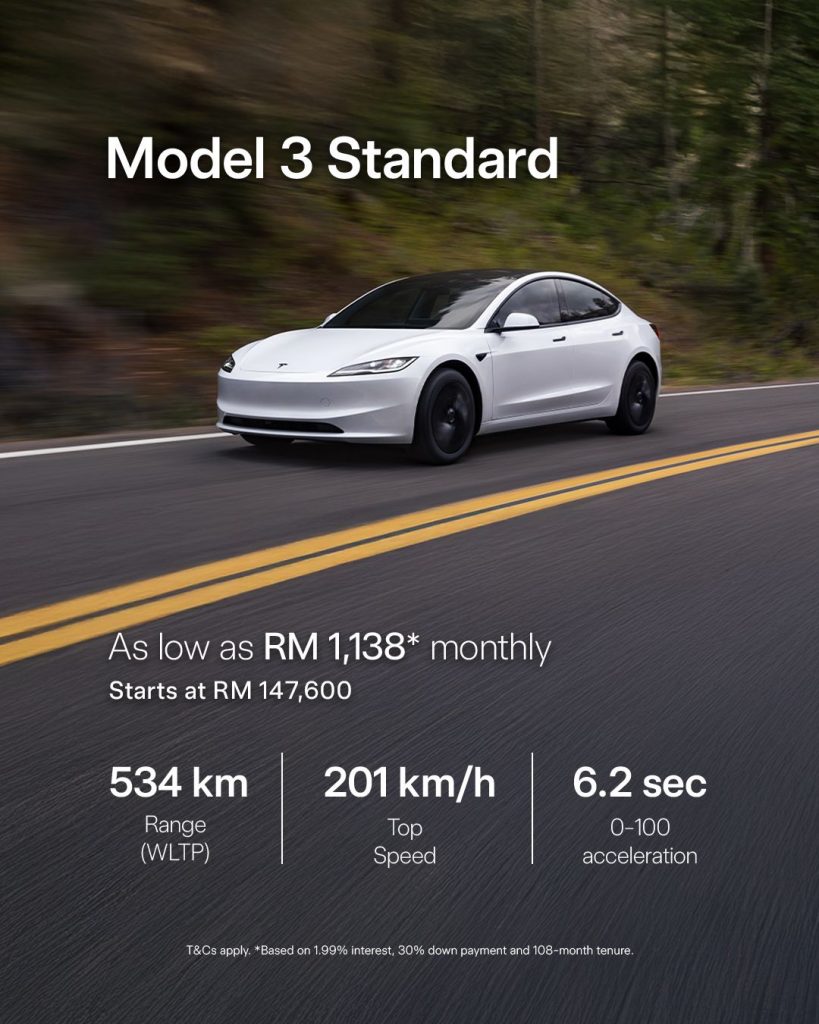
The Tesla Model 3 RWD distinguishes itself through its mechanical simplicity. Unlike its all-wheel-drive counterparts, the RWD variant relies solely on a single electric motor powering the rear axle. This configuration eliminates the weight and complexity of a second motor, translating into a lighter curb weight and reduced energy consumption. The result? A vehicle that maximizes every kilowatt-hour of battery capacity, achieving an EPA-estimated range of up to 272 miles on a full charge—a figure that places it in the upper echelon of affordable electric sedans.
This efficiency isn’t merely a product of physics; it’s a testament to Tesla’s relentless optimization. The RWD’s motor, paired with a single-speed transmission, operates with minimal energy loss, ensuring that the battery’s stored energy is converted into motion with remarkable fidelity. For urban commuters and highway cruisers alike, this translates to fewer charging stops and a driving experience that feels both responsive and refined. The absence of all-wheel drive may deter those seeking maximum traction in inclement weather, but for the majority of daily driving scenarios, the RWD’s balance of performance and pragmatism is hard to overlook.
Range Realities: Beyond the EPA Estimate
While the EPA’s 272-mile estimate provides a useful benchmark, real-world range is a far more nuanced metric. Factors such as ambient temperature, driving style, and auxiliary power consumption can erode efficiency by 10-20% or more. Cold weather, in particular, poses a significant challenge, as battery chemistry slows in frigid conditions, reducing regenerative braking effectiveness and increasing energy draw from the heater. Conversely, moderate climates and steady highway speeds often yield range figures that exceed EPA projections, showcasing the Model 3 RWD’s adaptability.
Tesla’s over-the-air updates have further refined range management, with features like Sentry Mode and preconditioning now optimized to minimize energy waste. The vehicle’s ability to dynamically adjust climate control and battery temperature based on driving conditions underscores its intelligence—a far cry from the static calculations of traditional internal combustion engines. For those who prioritize range, the RWD’s efficiency becomes a silent ally, silently stretching every mile without demanding compromise.
Charging Infrastructure: The Unsung Hero of EV Usability
No discussion of range is complete without addressing charging infrastructure—and Tesla’s Supercharger network remains the gold standard. The Model 3 RWD’s compatibility with Tesla’s V3 Superchargers, capable of delivering up to 250 kW, means that a 10-80% charge can be achieved in as little as 25 minutes. This rapid replenishment is a game-changer for road trips, where the ability to resume driving with minimal interruption is paramount. While third-party charging networks have improved, none match the consistency and reliability of Tesla’s ecosystem, particularly in regions where EV adoption is still nascent.
Home charging further amplifies the RWD’s practicality. A standard 240V outlet or Tesla’s Wall Connector can replenish the battery overnight, ensuring that daily commutes are covered without reliance on public infrastructure. For apartment dwellers or those without dedicated parking, Tesla’s Mobile Connector offers a portable solution, though charging speeds are limited by the available power source. The flexibility of these options ensures that the Model 3 RWD adapts to diverse living situations, making it a viable choice for a broad audience.
Total Cost of Ownership: Crunching the Numbers
Beyond the sticker price, the Tesla Model 3 RWD’s true value emerges in its total cost of ownership (TCO). Electric vehicles, by nature, incur lower maintenance costs than their gasoline counterparts, with no oil changes, spark plugs, or transmission servicing required. The RWD’s simpler drivetrain further reduces wear and tear, translating into fewer visits to the service center. Tesla’s direct-to-consumer sales model also eliminates dealership markups, ensuring that pricing remains transparent and competitive.
Insurance premiums, however, can vary significantly based on location, driving history, and the vehicle’s perceived risk profile. While Tesla’s safety ratings are stellar—owing to its rigid battery structure and advanced driver-assistance systems—repair costs for electric components can be higher than those for traditional vehicles. Prospective buyers should obtain quotes from insurers familiar with EVs to accurately gauge this expense. Additionally, incentives such as federal tax credits, state rebates, and local utility discounts can shave thousands off the purchase price, making the Model 3 RWD an even more attractive proposition.
Driving Dynamics: Where Efficiency Meets Engagement
The Tesla Model 3 RWD isn’t just an appliance; it’s a driver’s car. The absence of all-wheel drive doesn’t dull its responsiveness—instead, it sharpens the connection between driver and machine. The rear-wheel bias provides a playful, tail-happy character, particularly in corners where the motor’s instant torque delivery allows for precise adjustments. Tesla’s adaptive suspension and low center of gravity, courtesy of the battery pack’s placement, contribute to a ride that is both composed and agile.
On the highway, the RWD’s efficiency becomes evident. At a steady 70 mph, the vehicle’s drag coefficient of 0.228—among the lowest in its class—minimizes energy loss, allowing the battery to stretch its range further than many competitors. The lack of engine noise, combined with the near-silent operation of the electric motor, creates an oasis of tranquility, where the hum of tires on pavement and the occasional whir of the cooling system are the only distractions. For those who view driving as an experience rather than a chore, the Model 3 RWD offers a compelling blend of engagement and serenity.
Resale Value and Market Perception
Tesla’s brand cachet and the Model 3’s status as a pioneer in the EV space have bolstered its resale value, a critical factor for budget-conscious buyers. While depreciation is inevitable, the RWD variant tends to hold its value better than many internal combustion engine sedans, thanks to its lower initial cost and strong demand in the used EV market. Tesla’s over-the-air updates also ensure that the vehicle remains competitive, with software improvements enhancing performance and features long after purchase.
Market perception plays a role as well. The Model 3 RWD is often seen as the “gateway” Tesla, attracting buyers who may later upgrade to higher-spec models or other brands within Tesla’s lineup. This aspirational quality can drive demand in the secondary market, further stabilizing resale prices. For those concerned about long-term ownership costs, the RWD’s resale potential is a significant advantage.
The Intangible Factor: Tesla’s Ecosystem
Beyond the hardware, Tesla’s ecosystem—comprising software, services, and community—adds layers of value that extend far beyond the vehicle itself. The infotainment system, powered by a 15-inch touchscreen, is a marvel of integration, offering real-time traffic updates, streaming media, and gaming capabilities. Over-the-air updates continuously refine the driving experience, introducing new features and improvements without the need for dealership visits.
The Tesla app serves as a digital extension of the car, allowing owners to precondition the battery, monitor charging status, and even summon the vehicle in parking lots. This connectivity fosters a sense of ownership that transcends mere transportation, positioning the Model 3 RWD as a node in a larger technological ecosystem. For tech-savvy buyers, this integration is a compelling reason to choose Tesla over competitors that offer static, unchanging experiences.
The Tesla Model 3 RWD is more than a budget-friendly electric sedan; it’s a statement of intent. It proves that efficiency and affordability can coexist with innovation and driving pleasure. While its range may not match that of its Long Range siblings, its cost-effectiveness, charging flexibility, and Tesla’s unparalleled ecosystem make it a standout choice for those seeking the best value in the EV market. Whether navigating city streets or embarking on cross-country adventures, the Model 3 RWD delivers where it matters most—reliability, performance, and peace of mind. In a world where electric vehicles are rapidly becoming the norm, the Model 3 RWD stands as a testament to Tesla’s ability to democratize cutting-edge technology without compromise.