The Tesla Model 3 has long been the poster child of electric sedans, a sleek, tech-laden machine that redefined what it means to drive into the future. Yet, beneath its minimalist exterior lies a dichotomy that divides even the most discerning buyers: the Performance variant, with its raw, unbridled aggression, and the Standard, the more subdued yet equally compelling sibling. This isn’t merely a choice between speed and efficiency—it’s a philosophical divergence, a clash of priorities that speaks volumes about what you value in a car. If you’ve ever found yourself torn between the two, wondering which path aligns with your ambitions, your budget, or your driving soul, then this is where clarity begins. The answer may surprise you.
Before we dissect the nuances, consider this: the Performance model isn’t just faster—it’s a statement. It’s the roar of an electric motor pushed to its limits, a symphony of instant torque and razor-sharp handling that transforms every commute into an event. The Standard, on the other hand, is the quiet achiever, a paragon of practicality that delivers Tesla’s signature innovation without the theatrics. But which one deserves a place in your garage? The decision hinges on more than just numbers on a spec sheet; it’s about the experience you crave, the compromises you’re willing to make, and the legacy you want to leave behind on the road.
The Heartbeat of the Beast: Performance vs. Standard Powertrains
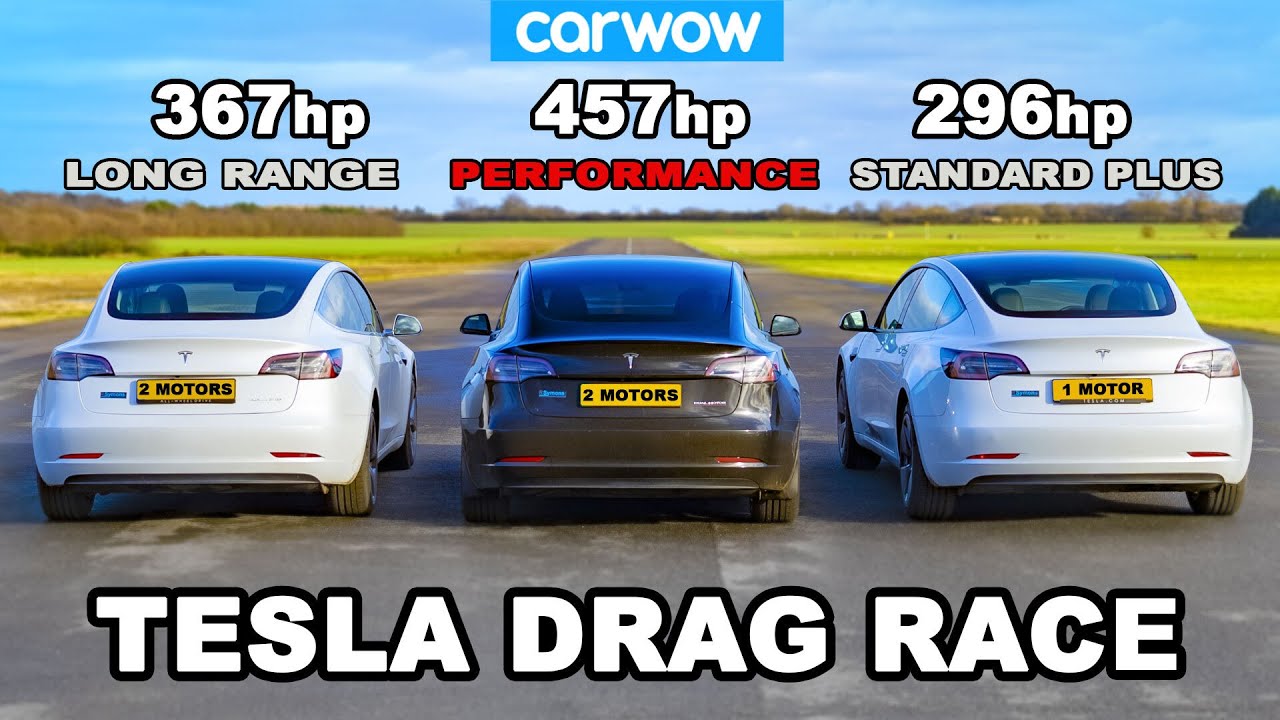
The Performance variant of the Model 3 is a marvel of engineering, a machine that doesn’t just meet expectations—it obliterates them. With a dual-motor all-wheel-drive system, it unleashes 450 horsepower and 375 lb-ft of torque, catapulting the sedan from 0 to 60 mph in a blistering 3.1 seconds. This isn’t acceleration; it’s a controlled explosion, a reminder that electric vehicles aren’t bound by the limitations of internal combustion. The Standard, by contrast, relies on a single rear motor, churning out 283 horsepower and 307 lb-ft of torque, which still feels brisk but lacks the visceral punch of its high-performance counterpart.
Yet, raw power is only part of the equation. The Performance model’s all-wheel-drive system isn’t just about straight-line speed; it’s about cornering prowess. The torque vectoring distributes power dynamically, ensuring that the car hugs the road like a race car, even at speeds that would make lesser vehicles white-knuckle their steering wheels. The Standard, while no slouch in the handling department, prioritizes efficiency over aggression. Its rear-wheel-drive configuration and lighter weight make it more nimble in urban environments, where tight parking spaces and stop-and-go traffic demand precision rather than power.

The Silent Revolution: Efficiency and Range in the Age of EVs
If the Performance model is the adrenaline junkie’s dream, the Standard is the pragmatist’s sanctuary. With an EPA-estimated range of 272 miles on a full charge, it outpaces the Performance variant’s 315-mile range—a counterintuitive twist that speaks to Tesla’s relentless optimization. How? The Standard’s lighter weight, smaller battery, and more efficient single-motor setup reduce energy consumption, allowing it to stretch every kilowatt-hour further than its high-octane sibling.
This efficiency isn’t just about saving money at the charging station; it’s about reducing your carbon footprint. In an era where sustainability is no longer optional, the Standard emerges as the eco-conscious choice. Its lower energy demands mean fewer emissions over its lifetime, a fact that resonates with drivers who see their vehicle as an extension of their values. The Performance, while still impressively green compared to gas-guzzlers, consumes more energy per mile, a trade-off that may give pause to those who prioritize environmental stewardship.
Then there’s the matter of charging. The Standard’s smaller battery allows it to reach peak charging speeds more quickly on Tesla’s Supercharger network, reducing downtime on long road trips. While both models can add up to 175 miles of range in just 15 minutes, the Standard’s lighter load means it can sustain higher charging rates for longer, making it the more practical companion for those who live life on the move.
Design and Aesthetics: Where Substance Meets Style
The Tesla Model 3’s design is a masterclass in minimalism, a philosophy that extends from its exterior to its interior. Yet, the Performance and Standard variants cater to different tastes, even within this restrained aesthetic. The Performance model sports a more aggressive stance, with a lowered suspension, larger wheels, and a distinctive front splitter that hints at its track-ready DNA. Its interior is adorned with red accents, a subtle nod to its high-performance pedigree, while the Standard opts for a more understated palette, with black or white trim that exudes quiet sophistication.
Both models share the same futuristic cabin, with a 15.4-inch touchscreen dominating the dashboard and a yoke-style steering wheel that polarizes opinions. The Performance’s sportier seats offer more lateral support, cradling occupants during spirited drives, while the Standard’s seats prioritize comfort for daily commuting. The choice here isn’t just about aesthetics; it’s about the kind of driving experience you want to immerse yourself in, day after day.

The Cost of Ambition: Price, Value, and Long-Term Ownership
No discussion of the Tesla Model 3 would be complete without addressing the elephant in the room: price. The Performance variant commands a premium, with a starting price that can exceed the Standard by several thousand dollars. For some, this is a justified investment in thrill and prestige. For others, it’s a barrier that makes the Standard the more accessible entry point into Tesla’s ecosystem.
But price isn’t just about the sticker; it’s about value. The Performance model’s higher upfront cost is offset by its exhilarating performance and all-wheel-drive capability, features that may justify the expense for enthusiasts. The Standard, meanwhile, offers a lower total cost of ownership, with cheaper insurance premiums, lower maintenance costs (thanks to fewer moving parts), and a higher resale value in many markets. Over time, the Standard may prove to be the more financially savvy choice, especially for drivers who prioritize practicality over performance.
Then there’s the matter of incentives. In many regions, electric vehicles qualify for tax credits, rebates, and other financial incentives that can significantly reduce the purchase price. The Standard’s lower base price means it may benefit more from these programs, making it an even more attractive proposition for budget-conscious buyers.
The Final Verdict: Which Model 3 Deserves Your Signature?
Choosing between the Tesla Model 3 Performance and Standard isn’t about picking a winner; it’s about aligning your choice with your lifestyle, your values, and your aspirations. If you crave the thrill of acceleration, the confidence of all-wheel drive, and the prestige of a high-performance machine, then the Performance variant is your calling. It’s a car that doesn’t just transport you—it transforms every journey into an adventure.
But if you value efficiency, sustainability, and practicality, if you see your car as a tool rather than a toy, then the Standard is the wiser investment. It’s a machine that delivers Tesla’s signature innovation without the frills, a vehicle that proves that sometimes, less really is more.
Ultimately, the Model 3 isn’t just a car; it’s a statement. Whether you choose the Performance or the Standard, you’re embracing a future where electric vehicles reign supreme. The question isn’t which model is better—it’s which one speaks to you. So, take the wheel. The road ahead is yours to command.