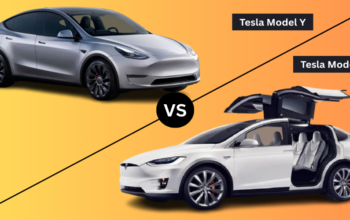
The electric vehicle revolution is in full swing, but the sticker shock of a brand-new Tesla can make even the most eco-conscious driver wince. Enter the used Tesla—a tempting proposition that whispers promises of cutting-edge tech at a fraction of the original price. But is it truly a steal, or a gamble wrapped in a shiny, autopilot-enabled bow? By 2026, the calculus of buying a used Tesla will have evolved, shaped by depreciation curves, battery longevity, and the growing sophistication of the pre-owned market. The real question isn’t just whether a used Tesla is worth it, but whether you should buy certified pre-owned (CPO) from Tesla or take your chances with a private party. Let’s navigate this electrifying dilemma.
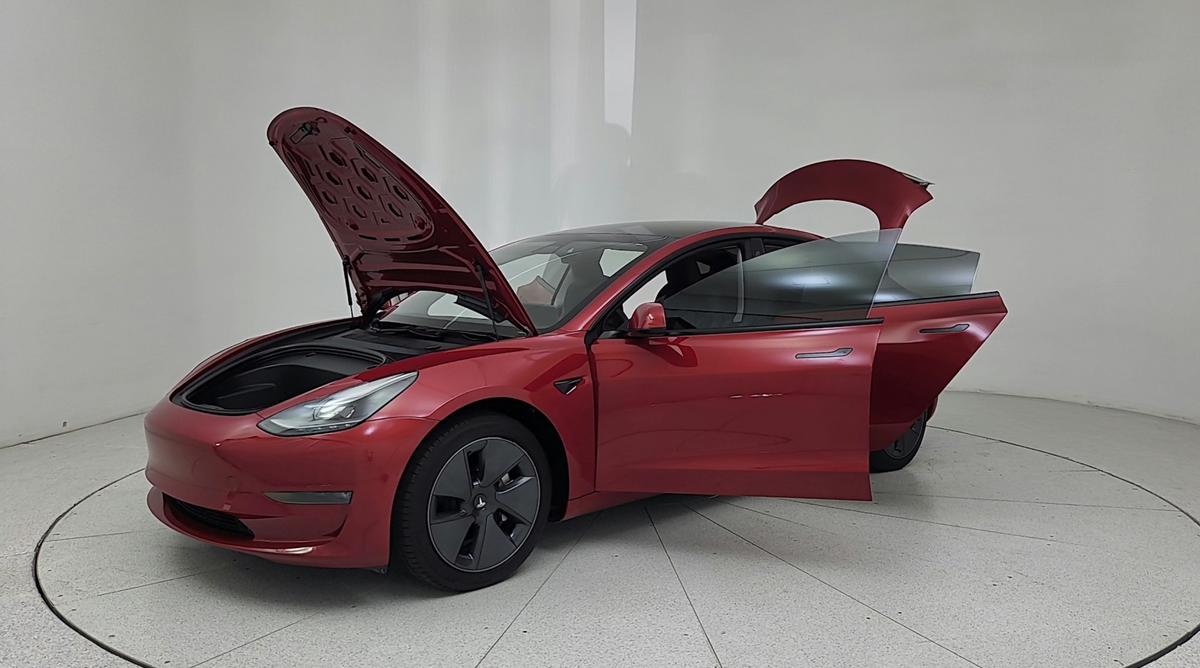
The Allure and the Anxiety: Why a Used Tesla Captivates (and Terrifies) Buyers
There’s something undeniably thrilling about the idea of owning a Tesla without the soul-crushing price tag of a brand-new Model S Plaid. The used market offers access to vehicles that, just a few years ago, were out of reach for all but the wealthiest enthusiasts. A 2021 Model 3 Performance, for instance, might now be listed for under $30,000—less than half its original MSRP. But with great savings comes great uncertainty. How do you know the battery hasn’t degraded like a forgotten banana in the back of the fridge? What if the previous owner treated the car like a racehorse, pushing it to its limits on every twisty backroad? The used Tesla market is a treasure trove, but it’s also a minefield of hidden wear and tear.
Then there’s the psychological hurdle: the fear of obsolescence. Tesla’s software updates and hardware upgrades happen at a pace that makes traditional automakers look like they’re stuck in molasses. A 2020 Model Y might lack the latest Full Self-Driving (FSD) capabilities or the improved range of a 2024 iteration. Will your used Tesla feel like a relic by the time you’ve paid off the loan—or worse, like a paperweight in a rapidly advancing tech landscape?
Certified Pre-Owned vs. Private Party: The Ultimate Showdown
The battle lines are drawn: CPO Tesla or a private-party purchase. Each path has its own set of perks, pitfalls, and psychological triggers. Let’s dissect them with the precision of a surgeon—and the drama of a reality TV show.
The Tesla CPO Advantage: A Safety Net Woven with Silicon Valley Threads
Buying a CPO Tesla is like enrolling in an elite protection program. Tesla’s certified pre-owned vehicles undergo a rigorous 300-point inspection, with battery and drive unit warranties extended to 8 years or 120,000 miles (whichever comes first). That’s not just peace of mind; it’s a financial cushion against the unknown. The CPO program also includes a limited warranty on the battery and drive unit, which can cost thousands to replace out of pocket. For a used Model S, where battery replacements can run $20,000 or more, this warranty is the difference between a smart investment and a financial nightmare.
But the CPO route comes with a premium. Expect to pay 10-20% more than a comparable private-party listing. Is it worth it? If you’re risk-averse and value the Tesla brand’s backing, the answer is likely yes. The CPO program also includes perks like a full vehicle history report, complimentary service for 1 year or 12,000 miles, and even a free trial of Tesla’s Premium Connectivity. It’s the automotive equivalent of a VIP backstage pass—minus the velvet rope.

The Private-Party Gamble: High Risk, High Reward (and High Coffee Consumption)
For the intrepid buyer, the private-party market is where fortunes are made—or lost. Websites like Autotrader, Cars.com, and even Facebook Marketplace are awash with used Teslas, often priced aggressively to move inventory quickly. The savings can be staggering: a 2022 Model Y with 20,000 miles might fetch $35,000 from a private seller, compared to $45,000 for a CPO version. But with those savings comes the burden of due diligence. Unlike CPO Teslas, private-party sales are “as-is,” meaning any hidden issues—from battery degradation to accident damage—are your problem.
The private-party route also demands a Sherlock Holmes-level investigation. Request the vehicle’s VIN history report (Carfax or AutoCheck) and scrutinize it for red flags like odometer fraud or inconsistent service records. Ask for charging logs if the car has a trip computer; a sudden drop in range could signal battery wear. And always, always take the car for a pre-purchase inspection by an independent Tesla specialist. The $200 you spend now could save you $5,000 in repairs later.
There’s also the emotional gamble. Buying from a private seller can feel like adopting a pet—you’re taking a leap of faith based on vibes and first impressions. A well-maintained Tesla with a clean history and a seller who can articulate its quirks is a gem. A Tesla with a murky past and a seller who dodges questions? That’s a ticking time bomb wrapped in a bow.
The Battery Conundrum: Will Your Used Tesla Hold Its Charge?
The heart of any EV is its battery, and Teslas are no exception. Battery degradation is the elephant in the room for used buyers. A 2026 Tesla with 50,000 miles might retain 90% of its original range, while one with 100,000 miles could dip to 80%. The good news? Tesla’s batteries are engineered to last, with most owners reporting less than 1% degradation per year. The bad news? Replacing a battery is expensive—$15,000 to $25,000 for a Model 3 or Model Y, and double that for a Model S or X.
How can you gauge a used Tesla’s battery health? Start with the vehicle’s range display. If it shows a significant drop from the original EPA rating, that’s a red flag. Tesla’s service centers can also run a battery health report, which provides a detailed breakdown of capacity and degradation. For CPO Teslas, this report is part of the certification process. For private-party sales, you’ll need to request it—or walk away.
Another factor to consider is the battery’s chemistry. Older Teslas (pre-2020) used NCA (nickel-cobalt-aluminum) batteries, which degrade faster than the newer LFP (lithium iron phosphate) batteries found in Standard Range models. If you’re eyeing a used Model 3 Standard Range, check whether it’s LFP-equipped—it’s a sign of longevity.
The Software and Hardware Divide: Will Your Tesla Feel Like a Dinosaur?
Tesla’s over-the-air updates are a double-edged sword. They keep the car fresh, but they also create a moving target for used buyers. A 2020 Model 3 might lack the latest FSD capabilities or the improved range of a 2024 iteration. Will you be stuck with a glorified iPhone 4 while the rest of the world moves on to iPhone 15s?
The answer depends on your priorities. If you’re content with basic Autopilot and don’t care about the latest software bells and whistles, a used Tesla will serve you well for years. But if you’re itching for the latest FSD features or the improved efficiency of newer hardware, you might find yourself yearning for an upgrade sooner than expected. The good news? Tesla’s software updates are backward-compatible, meaning even older cars can benefit from incremental improvements. The bad news? Some features, like the improved heat pump in 2021+ models, are hardware-dependent.
The Depreciation Dilemma: Will Your Used Tesla Lose Value Faster Than a Hot Potato?
Tesla’s depreciation curve is notoriously steep in the first few years, then flattens out as the car ages. A 2026 used Tesla will likely hold its value better than a 2020 model, thanks to tighter supply and higher demand for used EVs. But depreciation is still a factor. A used Model S that cost $70,000 in 2023 might be worth $50,000 in 2026—a 28% drop. Is that a deal-breaker? Not necessarily, especially if you’re comparing it to the cost of a new Tesla, which could be $100,000 or more.
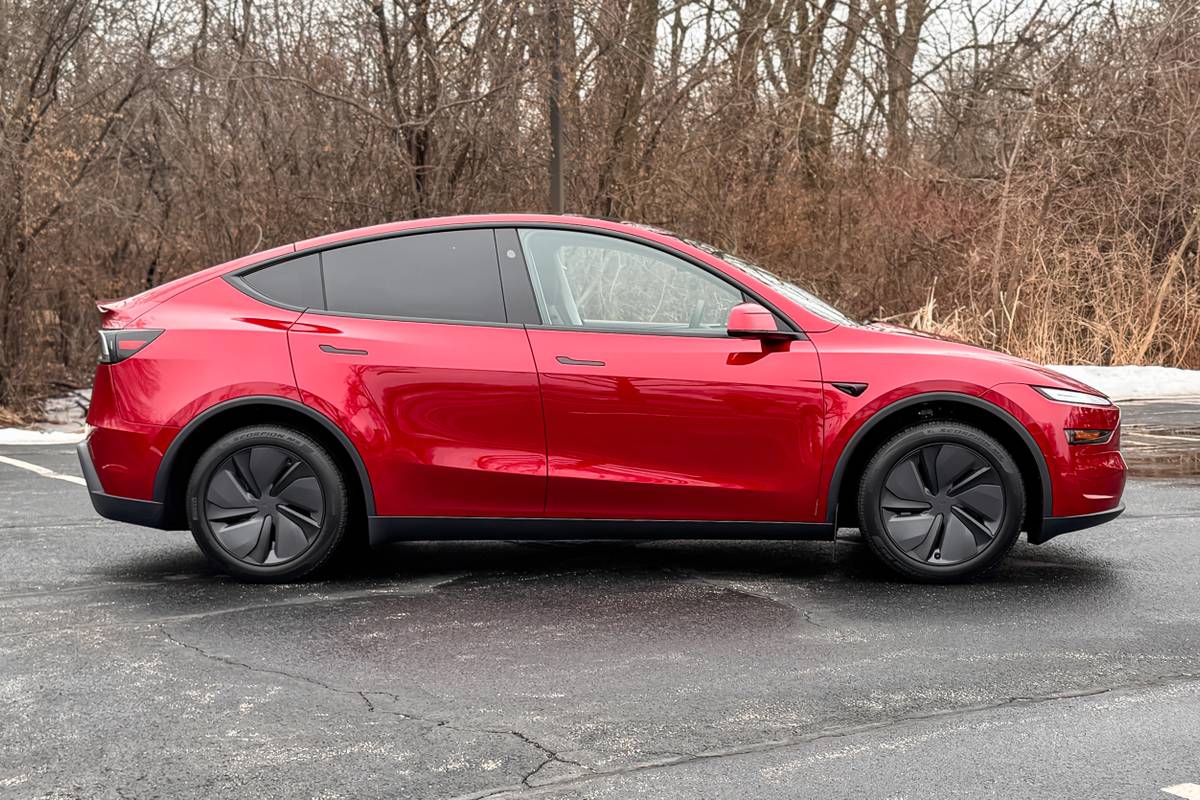
The key is to buy a Tesla that’s in high demand. Models like the Model 3 and Model Y hold their value better than the Model S or X, thanks to their broader appeal and lower price points. If you’re buying a used Tesla as an investment, steer clear of the luxury trims and focus on the mass-market models.
The Final Verdict: To Buy (Used) or Not to Buy (Used)?
By 2026, the used Tesla market will be a well-oiled machine, with CPO programs offering more transparency and private-party sellers becoming savvier about pricing. The decision ultimately hinges on your risk tolerance, budget, and priorities. If you want a hassle-free experience with warranty-backed peace of mind, the CPO route is the way to go. If you’re willing to roll the dice and do your homework, the private-party market can yield incredible deals.
One thing is certain: a used Tesla in 2026 will still be a technological marvel, a status symbol, and a statement about your commitment to sustainability. Whether it’s a bargain or a boondoggle depends on how well you navigate the minefield of depreciation, battery health, and hidden wear. But if you choose wisely, you might just drive away with the electric equivalent of a unicorn—a high-tech, zero-emission steed that won’t leave your wallet gasping for air.
So, is a used Tesla worth buying in 2026? The answer, as with all great adventures, lies in the details. Choose wisely, and you’ll be cruising into the future with a grin wider than a Cheshire cat’s.