The idea of an “entry” electric sedan used to feel like a consolation prize—an EV that offered compromise in the name of accessibility. Mercedes-Benz is determined to invert that assumption. The Mercedes-Benz CLA EV arrives with a different kind of promise: not merely lower pricing, but a shift in perspective. It suggests that electric mobility can be sleek, confident, and emotionally legible from the very first step into the lineup.
There’s a particular thrill in watching a design language evolve. The CLA, long treated as a kind of aerodynamic dare, now enters its electric chapter. And while the details still invite anticipation, the direction is unmistakable. This is a sedan designed to make you look twice—then ask a third question: what changes when “electric” stops meaning “different” and starts meaning “normal,” even desirable?
Why the CLA EV Matters: More Than an Upgrade
The CLA nameplate has always carried a careful duality—approachable on paper, aspirational in presence. With the CLA EV, that duality becomes a thesis. The car doesn’t position itself solely as an electrified alternative to tradition. It frames itself as a new entry point to a lifestyle where the day begins with instant torque and ends without the ritual of fuel stations.
In practice, the “entry electric sedan” label can mislead. It implies practicality over personality. Yet the CLA has never been only practical. Its silhouette—streamlined, poised, and slightly provocative—has typically communicated intention. That same attitude now finds an electric heartbeat beneath the skin. The result is a vehicle that aims to change how you narrate commuting to yourself.
A Design That Refuses to Whisper
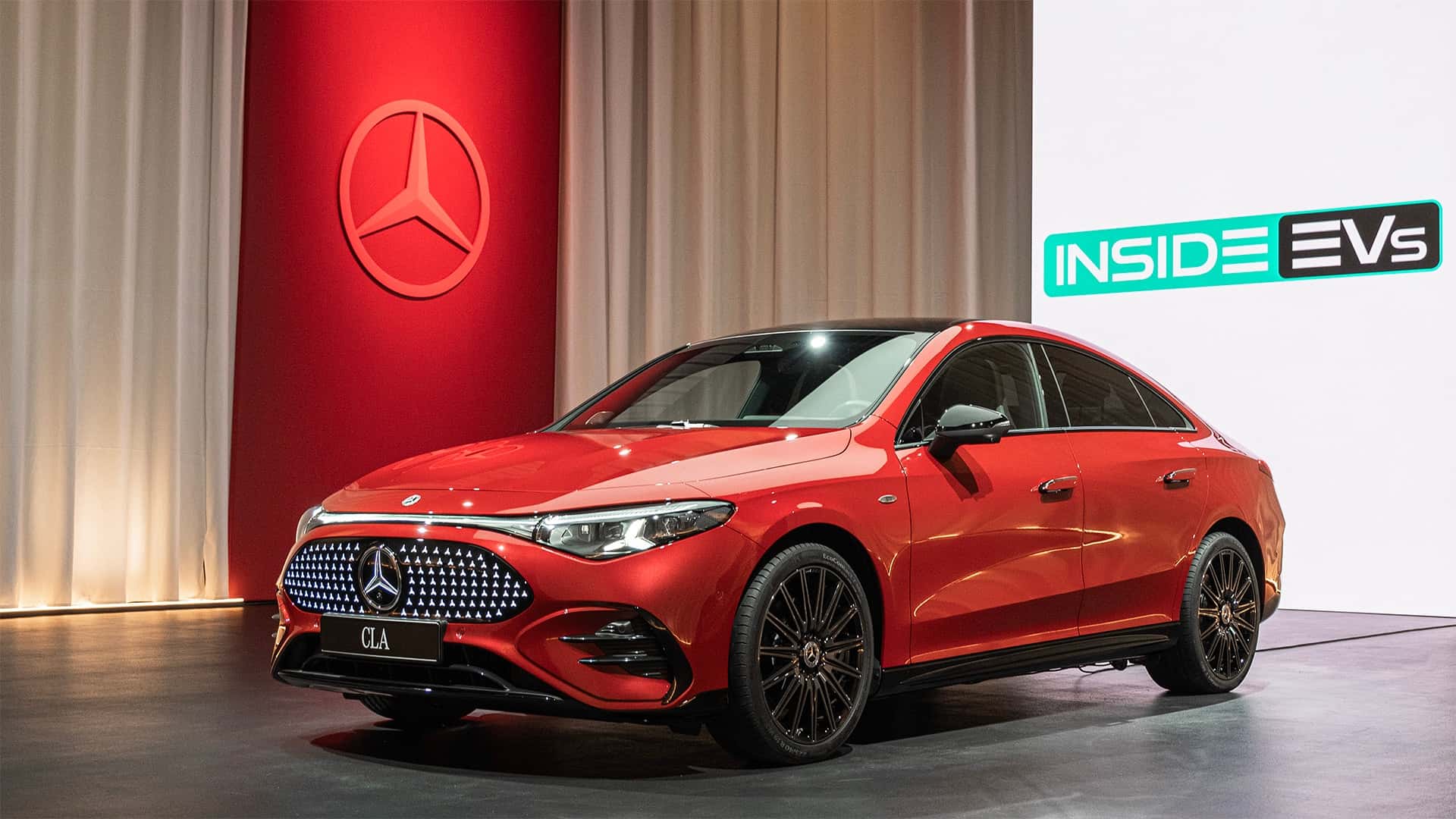
Look at the CLA EV and the first impression is not cautious. It’s sculpted. The stance reads athletic, with lines that feel engineered to cut through air as if aerodynamics were an aesthetic, not a specification. The front fascia, the way the surfaces converge, and the general sense of motion—even when the car is standing still—create a visual cadence that feels modern rather than merely updated.
Electric cars sometimes suffer from a paradox: they’re futuristic on the outside, but bland in the details that drivers touch most. The CLA EV appears to be steering away from that trap. The design language seems to prioritize clarity—fewer elements, better proportion, and a sense of balance that doesn’t rely on ornamentation alone.

The Interior Promise: Familiar Luxury, Electric Logic
Luxury in an EV context has to do more than decorate. It must adapt to a different relationship with sound, sensation, and control. The combustion engine—the familiar mechanical percussion of driving—vanishes. In its place, the interior must create a new kind of calm and confidence. This is where the CLA EV’s appeal becomes intriguing: it suggests that Mercedes isn’t merely electrifying the platform; it’s rethinking how the cabin should feel in an all-electric world.
Expect an environment built for attentiveness. Short acknowledgments to the driver—clear displays, intuitive access, and an ambiance that doesn’t overwhelm. The EV shift also transforms the pace of life inside the car. Silence grows larger. So does the value of ergonomics: the precise placement of controls, the smoothness of response, and the way information is delivered at just the right moment.
A sedan should invite you to settle in. The CLA EV appears positioned to do that quickly—without demanding patience. It aims to make everyday driving feel composed, almost ceremonial.
Performance Without the Drama
Electric propulsion changes everything about acceleration character. Torque arrives instantly, removing the “wait-and-then-go” feeling that defines many traditional drivetrains. But the cleverness of an entry electric sedan lies in how it meters that power. Too aggressive and it becomes theatrical. Too subdued and it feels like a missed opportunity.
The CLA EV’s likely advantage is balance. The intent seems to be performance that’s accessible—quick enough to satisfy, controlled enough to remain civil. It’s not about thrill for thrill’s sake; it’s about giving the driver a reliable sense of momentum, whether merging onto a highway or navigating a city’s stop-start rhythm.
And then there’s the bigger performance story: regenerative behavior. The way an EV recovers energy during deceleration isn’t only about efficiency; it changes driving technique. With the right tuning, regen can feel like a natural extension of your foot—an elegant negotiation between speed, grip, and recovery.
Range and Charging: The Real Geography of Ownership
When people ask about electric cars, they rarely start with horsepower. They start with geography. Where can you go? How long does it take to return? What happens when plans evolve?
The CLA EV, framed as an entry point, will likely target confidence rather than obsession. That means range that supports typical commuting patterns and charging behavior that fits real schedules. The most successful EVs are the ones that disappear from daily thinking. You charge, you move, you arrive, and the process feels—if not effortless—then at least predictable.
Charging is also psychological. A car that supports faster, easier top-ups makes longer routes feel less like undertakings and more like decisions. Even short charging sessions can reshape how you approach weekends, errands, and spontaneity. Instead of planning around fuel stops, you plan around time—work, meals, errands—then let charging nest inside those routines.
Technology That Enhances, Not Distracts
Electric vehicles are often sold as tech statements. But the best technology does the opposite of flexing. It quietly removes friction. It makes tasks smaller: navigation that anticipates, driver assistance that feels steady rather than unpredictable, and interfaces that respond without demanding a tutorial.
The CLA EV’s curatorial design philosophy—clean, confident, and modern—suggests a similar approach inside. The cabin likely aims for legibility over clutter. It wants you focused on the road and the moment, not wrestling with controls while traffic tightens.
Beyond the obvious screens and menus, there’s an often-overlooked technology category: how the car communicates. It’s in the way it gives feedback, the clarity of alerts, and the calm of its confirmations. In an EV, where the driving sensation is subtly different, communication becomes a form of reassurance.
Safety and Stability: A Sedan Must Feel Certain
Any entry electric sedan still has to earn trust in the unglamorous moments—rain, night, sudden merges, and the kind of road surfaces that punish complacency. Safety isn’t a feature list; it’s a feeling of control that persists through imperfect conditions.
Mercedes-Benz typically treats driver assistance as an extension of the vehicle’s character: consistent, supportive, and designed to reduce cognitive load. The CLA EV’s role in the lineup implies an emphasis on balanced assistance rather than overly bold automation. Stability should feel composed. Braking should feel precise. Steering should maintain its conversation with the driver, not overwhelm it.
That steadiness is particularly important in electrified platforms, where instant torque can amplify the need for predictable traction behavior. The goal is not just compliance with safety expectations. It’s the creation of confidence that lasts beyond the test drive.
Who It’s For: The Shift in Perspective
The CLA EV is intriguing because it targets a psychological milestone. It’s for people who want to try electric driving without sacrificing identity. It appeals to commuters who want day-to-day convenience, yes—but also to enthusiasts who care about design, feel, and the subtle craft of motion.
More than anything, it invites the curious. The driver who has looked at electric cars but postponed the decision. The person who wonders whether EVs are truly “ready,” not just technically capable. The CLA EV’s positioning suggests an answer: ready enough to feel natural, exciting enough to feel personal.
The shift in perspective isn’t just about power sources. It’s about a new rhythm of ownership—quiet mornings, smoother acceleration, less ritual, more routine. The car doesn’t merely offer an alternative. It changes the mental weather around driving.
What Comes Next: Anticipation, Curiosity, and Timing
As the CLA EV prepares to enter the conversation, what remains most compelling is the momentum it implies. Entry segments often become battlegrounds for value, but Mercedes seems intent on turning value into a statement of taste. The CLA EV suggests that the future of electric mobility can be both approachable and elevated.
In the months ahead, the details that matter most—availability, specifications, charging compatibility, and the precise character of performance—will sharpen the picture. Until then, the car’s posture alone does the work of persuasion. It communicates that electric doesn’t have to be apologetic. It can be articulate. It can be stylish. It can arrive like a new chapter rather than an experiment.
Conclusion: An Electric Sedan with a Different Beginning
The Mercedes-Benz CLA EV is more than an entry electric sedan heading toward the showroom. It’s an invitation to reconsider what “starting point” means. Instead of offering electric mobility as a compromise, it frames the transition as a refinement—quietly ambitious, visually compelling, and designed to make the daily drive feel like it has been re-authored.
There’s a certain satisfaction in being asked to imagine something new without being asked to surrender what you already like. The CLA EV seems built for that moment: when curiosity turns into conviction, and the future stops feeling distant.