The BMW M2 has always felt like a small car with an outsized sense of purpose. Not a gadget for commuting, not a lounge for long Sundays—more like a compact stage where mechanical drama plays out in plain sight. The idea is disarmingly simple: take the appetite of an M car, shrink the footprint, and sharpen the steering until it feels like the road is speaking directly to your hands. The 2022-era M2 carries that tradition forward with a bolder stance, a more persuasive chassis, and an engine character that turns every errand into a subplot.
This review is not merely a catalog of specs. It’s a guided walk through the ways the M2 behaves—at parking-lot speeds, at crossroads, and when the street begins to resemble a ribbon of intent. Expect a blend of crisp impressions and practical guidance: what it’s like to live with, how it performs when the pace rises, and why this compact performance king continues to attract drivers who prefer involvement over insulation.
What readers can expect from this review—different readers often seek different truths. Some want an emotional verdict: how it makes you feel. Others want the pragmatic checklist: comfort, traction, usability, and long-term confidence. Still others are searching for comparisons: whether the M2 is the right kind of M car for their taste. The following sections cover each angle, moving from design and day-to-day functionality to driving dynamics, power delivery, and the details that separate “fast” from “compelling.”
Compact Proportions, Confident Presence
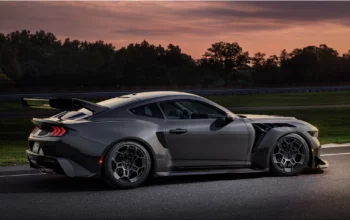
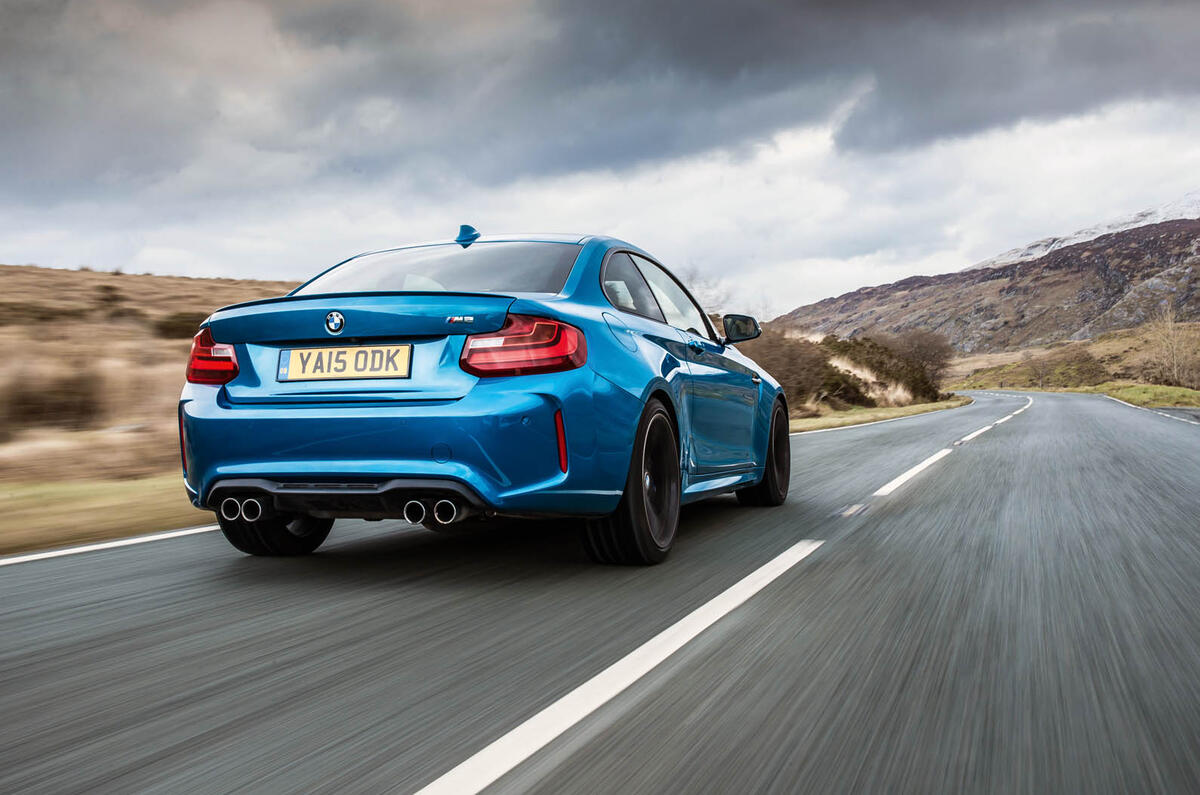
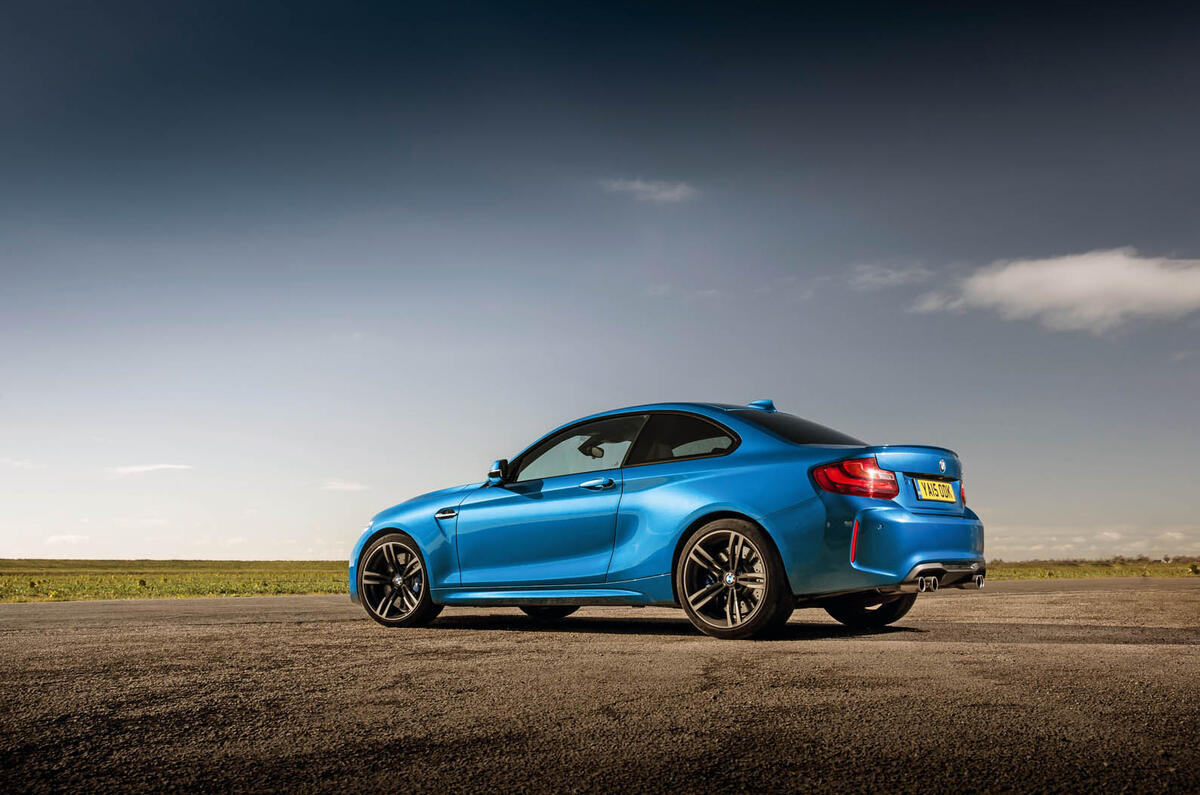
The M2’s visual language is all elbows and intent. It doesn’t lounge; it leans. From the front, the stance reads as purposeful—wide shoulders, a muscular front end, and proportions that seem engineered for cornering rather than posing. In person, the car feels more compact than the headline numbers suggest, yet it carries a surprisingly assertive silhouette. The details are intentional, too: aerodynamic shaping that isn’t just decorative but functional, along with hardware that signals the car’s willingness to work.
Look closely and you’ll find a sense of cohesion. The body lines don’t just “match”; they guide attention toward the driving experience. Even the way the wheel arches frame the tires suggests a car that expects to be pushed. It’s the kind of design that photographs well, but rewards observation more in motion than at rest.
Interior Atmosphere: Driver-First, Not Driver-Only
Step inside and the M2 adopts the familiar BMW logic: everything revolves around the driver, but it doesn’t forget the practicalities of daily life. Seats are supportive without suffocating. Controls feel arranged for quick access. Materials are chosen with a sense of durability in mind, and the cabin has that distinct M-car vibe—sporting, but not theatrically fragile.
Visibility is notably important in a compact car. The M2 generally provides a driver with the confidence to place it accurately, whether you’re threading through urban gaps or aligning it at the edge of a parking bay. The steering wheel and instrument layout encourage a certain rhythm: glance, commit, adjust—repeat.
There’s also a balance in the soundscape. The cabin doesn’t aim to be a concert hall. It aims to be an instrument panel: engine notes, mechanical textures, and wind cues that help you sense what the car is doing. That sensory feedback is one of the reasons the M2 remains entertaining even when you’re not fully exploiting its potential.
Engine Character and Power Delivery
The M2’s performance isn’t only about peak horsepower; it’s about the choreography of how power arrives. The engine’s behavior is eager, but it doesn’t feel like a blunt instrument. Instead, it builds momentum in a way that rewards attentive throttle modulation. In everyday driving, that translates to clean responsiveness at moderate speeds—when you want acceleration, it’s there, and when you want restraint, it’s not overzealous.
In spirited conditions, the engine turns into a partner. The powerband feels usable, not purely theatrical. Even when the revs rise and the car becomes more insistent, the thrust feels coherent rather than chaotic. This matters. Drivers don’t simply chase speed; they chase predictability, the ability to place torque exactly where it’s needed for rotation and traction.
The M2’s soundtrack may vary with setup and driving mode, but the underlying sensation remains the same: a compact performance machine with a distinct personality. You can hear it coming, and you can feel the effort of the drivetrain through the chassis, especially when traction is challenged.
Chassis and Steering: Where the M2 Earns the Crown
If the M2 has a thesis, it’s in the chassis. This is a car that wants to be steered. The steering response feels immediate, with a weight and texture that encourages trust. It doesn’t merely connect; it communicates. That feedback helps you anticipate grip changes, so the car feels less like a guessing game and more like a conversation.
Body control is athletic rather than numb. On smoother roads, the ride can feel surprisingly composed for a performance-focused machine. On rougher surfaces, the suspension reveals its priorities—sport first, comfort second—yet it rarely becomes punishing. Instead, it channels imperfections into information, not annoyance.
Cornering is where the compact advantage becomes obvious. The car’s size makes it easy to place precisely. But the true magic is how it turns rotation into momentum. The M2 doesn’t ask you to wrestle; it asks you to steer with intention. Sudden corrections are met with confidence, and mid-corner adjustments feel less like improvisation and more like tuning.
Grip, Braking, and Confidence at Speed
Performance cars are defined not only by speed but by confidence—especially when braking distances compress and the margin of error shrinks. The M2’s braking performance is strong and progressive. Pedal feel provides a sense of modulation, allowing you to brake harder or gently depending on traffic and corner approach.
Traction is typically the make-or-break element in compact performance. The M2 generally performs with a sense of security, helping convert power into forward motion rather than wheelspin theatre. When conditions are less cooperative—wet roads, greasy exits, or uneven grip—the car remains communicative. You can feel the surface telling you the truth, and the stability systems help without turning the driving experience into an autopilot lesson.
On quicker laps, braking into corners and accelerating out of them become satisfying routines. You don’t just chase faster times; you chase smoother transitions—because the car rewards discipline.
Transmission and Driving Modes: Tuning the Mood
Driving modes let the M2 shift its temperament. That matters because “fast” is not the only goal—sometimes you want calm, and sometimes you want engagement with the intensity turned up. The way the car responds across modes changes the character of throttle mapping and drivetrain behavior. The result is an M2 that can suit different evenings: a sensible commute one moment, a spirited back-road run the next.
Gear selection behavior—how quickly it responds and how it holds revs—shapes the entire experience. Smooth downshifts feel like a nudge forward. Hesitant behavior feels like a mismatch. The M2 tends to align with driver intent, making it easier to keep the car in its most satisfying operating zone.
In real-world traffic, that translates to fewer mental interruptions. You don’t need to concentrate on coaxing performance out of the drivetrain; it’s ready when you ask.
Practicality: Living With a Compact Performance Car
The M2 is compact, and that affects everyday life in specific ways. Parking is manageable. Visibility helps with city navigation. The steering and dimensions make it easier to feel comfortable in tighter spaces, and the cabin layout is driver-friendly rather than cluttered.
However, compact performance cars don’t escape trade-offs. Rear-seat space is best described as suitable for short trips rather than long journeys with adults. Trunk capacity is adequate for everyday use, but it’s not designed for touring the way a larger sedan might be. Still, for the kind of driver who chooses the M2, practicality is rarely the primary obsession. The obsession is the drive itself.
Ownership considerations also matter: tire wear from spirited driving, brake temperatures when pushed, and the importance of matching driving style to road conditions. Treat the M2 as a capable sport machine, and it will feel rewarding rather than fragile.
Who the BMW M2 Is For
The M2 suits people who want a performance car that feels alive without becoming overcomplicated. It appeals to drivers who prefer steering feel, tangible feedback, and a chassis that encourages confident control. It’s for those who appreciate the charm of a compact footprint, because it turns challenging roads into manageable problems.
If you’re searching for a grand tourer, the M2 may not match your priorities. If you’re seeking isolation and effortless luxury above all else, you may find the car’s focus too direct. But if you want a compact performance king—one that blends speed, communication, and a genuine sense of mechanical honesty—the M2 delivers.
Final Verdict: A Small Car With Serious Intent
The BMW M2 earns its reputation not by chasing trendiness, but by perfecting a certain kind of driving pleasure. It feels poised without being sterile. It’s quick without demanding constant aggression. Most importantly, it connects you to the road through steering nuance, chassis composure, and power delivery that behaves like a well-timed invitation.
In a world full of performance vehicles that prioritize ease over engagement, the M2 remains an appealing anachronism—in the best possible sense. It’s compact, assertive, and driven by substance rather than spectacle. When you step away from it, the memory lingers: the sensation of control, the immediacy of turn-in, and the satisfying rhythm of acceleration that turns roads into stories.