Family life has a particular rhythm—school runs, weekend errands, soccer practices that start ten minutes after the last “due back” time, and the kind of grocery haul that can make even a spacious trunk feel like a puzzle. In that context, choosing the right electric vehicle becomes less about headlines and more about temperament: how the car behaves when the day is busy, when the weather turns, when the route is unfamiliar, and when everyone’s expectations collide in the middle row.
The 2026 BMW EV lineup offers a fascinating triangle for families: the i4, the i5, and the iX. People often summarize the difference as “sedan versus SUV.” That’s not wrong. But it’s also a shallow reading. The deeper fascination lies in how each model translates BMW’s signature engineering—power delivery, steering feel, comfort calibration—into a distinct kind of daily magic. One is designed to streamline your routine. Another is built to widen it. The last is meant to shelter it.
So which is the best 2026 BMW EV for families? Let’s walk through the real considerations: space, practicality, charging realities, safety confidence, and the small comforts that quietly determine whether a vehicle feels like an ally—or a compromise.
Start With the Family Question: Space, Seating, and Everyday Usability
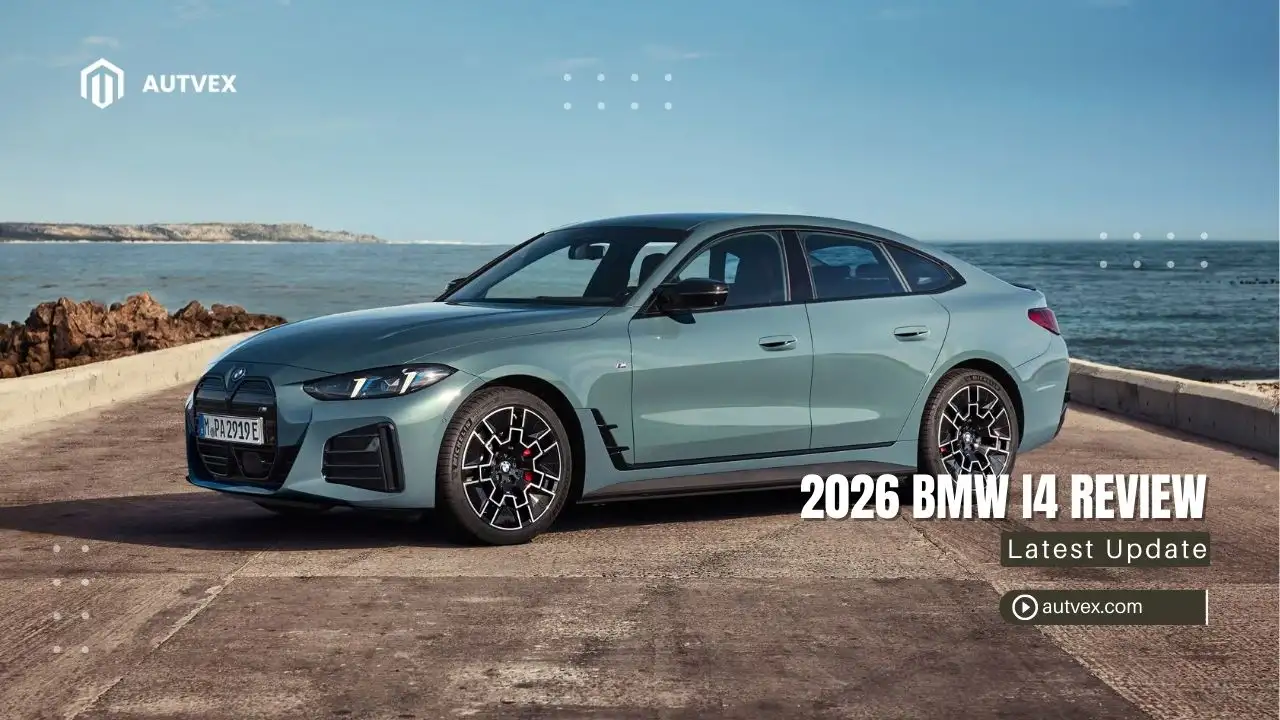
When families shop for EVs, they’re usually chasing three things: legroom, cargo flexibility, and the ease of entering and exiting the vehicle. The BMW i4 is the sleek one—an electric gran coupe that uses its form to feel surprisingly efficient in a driveway shuffle. The cabin is roomy enough for daily life, and the rear seats suit families who plan their outings with a bit of organization. Think of school bags, a folded stroller, and a cooler bag that lives in the same spot every time.
The BMW i5 leans into the “more of everything” philosophy. It’s fundamentally about livability. The extra length compared with the i4 gives the rear passengers a more relaxed posture. That matters on long weekend trips, where even a small improvement in knee clearance changes how the ride feels after the first hour. Cargo space is also a more comfortable bargaining chip for families who routinely carry bulkier items—sports gear, holiday decorations, or the “why did we bring all that?” box of supplies.
Then there’s the BMW iX, a full electric SUV concept translated into practical shelter. It offers the tallest seating position and a more commanding cabin geometry. For families, that can feel like an advantage: easier access for kids and grandparents alike, plus an interior that can handle a broader variety of loading scenarios. The iX is especially compelling when you anticipate uneven terrain, frequent road trips, or a lifestyle that treats the trunk like a mobile pantry.
Comfort Is a Vehicle Feature, Not a Compliment
Comfort isn’t just about soft seats. It’s about how the car filters interruptions. City streets. Expansion joints. Sudden braking from the traffic light ahead. In an EV, the smoothness can be deceptive; the true test is how the suspension and cabin control handle the “busy day” chaos.
The i4 feels designed for coherence—everything aligns. The ride tends to feel taut yet controlled, which is a subtle benefit for families who spend time on mixed roads. When the ride doesn’t add fatigue, parents handle the schedule with more patience. Kids also notice, even if they can’t name the reason.
The i5, meanwhile, leans into a lounge-like cadence. The longer wheelbase and the overall cabin harmony promote a calmer experience. If you’ve ever returned from a road trip where everyone arrived slightly annoyed, you already know why this matters. The i5’s comfort character makes it easier to stay “in the moment,” which becomes increasingly valuable when you travel with multiple attention needs at once.
The iX adds a different kind of comfort: a sense of containment and security. It’s an enveloping presence. The SUV stance helps with visibility and reduces the sensation of being crowded by the road. For families, that can translate into confidence—confidence is its own kind of comfort, because it reduces stress when weather shifts or roads get busy.
Performance and Efficiency: Power Delivery That Matches Real Life
Electric acceleration is exciting, but family driving is rarely about proving anything. It’s about smooth merging, predictable passing, and the ability to keep pace without sudden surges that make everyone grip the armrests.
The i4 offers an energetic, responsive feel that works well for errands and suburban commuting. It’s the sort of vehicle that makes “quick trips” feel less like interruptions. That’s a psychological win. Short commutes often determine whether a charging plan feels manageable.
The i5 balances performance with a more composed demeanor. The longer-range travel expectation pairs naturally with a powertrain tune that feels stable rather than theatrical. Families who do more highway driving will likely appreciate this steadiness. It’s less “grab and go,” more “glide and continue.”
The iX is the fascination piece for many households. It can feel authoritative—especially when loaded with passengers and gear. The SUV form suggests durability, and the driving experience supports it. Even when you don’t fully use the capability, the sensation of reserve makes daily driving feel easier.
Charging Reality: The Deeper Reason EVs Become “Family Vehicles”
EVs become family staples when charging stops being a project. If you have home charging, the question becomes simple: can you reliably cover your daily miles without overthinking the battery? If you rely on public charging, the question becomes more nuanced: how consistently can you find convenient stations and how quickly does the car recover range?
Although exact charging speeds depend on configuration and conditions, the overall ownership logic holds. The i4 and i5 tend to appeal to families who can charge at home or who keep their routines predictable. Their efficiency profile supports repeatable travel patterns, which reduces the cognitive load of planning.
The iX can be more enticing for families who anticipate longer trips and want the confidence that comes from a capable electric SUV setup. Even if the charging schedule occasionally becomes more involved, the iX’s comfort and space can make the journey feel worth the stop.
There’s a subtle reason people fall for these cars: EVs change the emotional texture of commuting. You stop feeling like every drive is a countdown to fuel. Instead, the car becomes a rhythm you learn—quiet, consistent, almost ritualistic.
Safety Confidence: A Family’s Need for Predictability
Families don’t just want safety features; they want predictable behavior. Modern driver-assistance systems can be extraordinary, but what matters is how smoothly they integrate into everyday driving.
The i4 and i5 prioritize a stable, sedan-like driving dynamic. That stability can make lane-keeping and steering assistance feel natural rather than jarring. The i5’s more spacious rear environment also means fewer compromises when you shift from school drop-offs to longer outings.
The iX, with its SUV visibility and stance, tends to make many drivers feel like they have a broader awareness of the road. In family terms, that can reduce micro-stress—less scanning, fewer moments of uncertainty, and a clearer sense of where everyone and everything sits. Children notice this indirectly; parents notice it directly.
Which One Fits Your Family? A Practical Decision Framework
Here’s the clean way to choose.
Choose the BMW i4 if you want an efficient, stylish EV that fits daily routines smoothly. It’s a strong option for urban or suburban families who value agility, manageable charging planning, and a cabin that feels premium without being overly sprawling.
Choose the BMW i5 if your family needs rear-seat spaciousness and a calmer long-distance posture. It’s the pick for households that treat road trips as a regular event—where comfort becomes the true luxury.
Choose the BMW iX if you want a true family shelter: SUV practicality, higher seating, and a sense of confidence that scales with passenger count and cargo needs. It’s ideal for families who often travel, load up frequently, or want the broadest “life-fit” versatility.
So, Why Are People So Fascinated?
The fascination isn’t only about being first in line for electrification. It’s about the way these cars reshape routines. The i4 makes daily errands feel less disruptive. The i5 turns longer drives into a more patient experience. The iX offers a protective, everything-ready feeling that turns family logistics into something closer to planning than improvisation.
Each model demonstrates a different kind of brilliance. Sleekness as efficiency. Space as serenity. Height as assurance. Together, they offer a spectrum of family priorities—one that invites you to match your household’s needs, not just your personal taste.
Final Thoughts: The Best 2026 BMW EV for Families Is the One That Stops You From Compromising
There isn’t a single “best” BMW EV for every family. The best choice is the one that quietly removes friction from the day: the seats that don’t feel cramped, the cargo that actually fits, the ride that doesn’t create fatigue, and the charging plan that fits real schedules.
If your life is about streamlined everyday movement, the i4 is compelling. If your family’s horizon includes longer trips and a more restful cabin atmosphere, the i5 makes a persuasive case. If you need a spacious, confidence-forward SUV experience, the iX feels like a modern home base on wheels.
Whichever you choose, the shared takeaway is powerful: with the right EV, family logistics start to feel less like chore management and more like momentum—clean, quiet, and surprisingly joyful.