Resale value is the automotive equivalent of a well-tended heirloom—impressive only because it has survived time, miles, and shifting tastes. When shoppers talk about the best resale value, they aren’t merely chasing a price tag. They’re seeking resilience: the kind of demand that holds steady when incentives change and new models arrive. In 2026, the landscape favors vehicles with strong brand gravity, practical utility, and features that age gracefully rather than prematurely.
This guide highlights five standout 2026 Chevrolet vehicles—centered on the Corvette, Silverado, and Tahoe—and explores what makes them particularly likely to retain value. Expect a blend of buyer-intent reasoning, ownership-life considerations, and real-world logic about why certain models keep getting hunted after.
1) 2026 Chevrolet Corvette Stingray: The Value of Iconic Engineering
The Corvette isn’t just a car; it’s a storyline. In every resale market, it behaves like a collectible: limited production cycles, cultural cachet, and a performance reputation that stays legible long after the next headlines. In 2026, the Corvette’s desirability is amplified by how strongly enthusiasts influence resale dynamics. Some vehicles depreciate because owners see them as appliances. The Corvette, however, tends to be treated as a milestone.
Buyers usually anticipate high demand for the right trims, colors, and option packages. That matters, because resale is rarely about base specifications alone. It’s about whether your exact configuration checks the boxes of the next owner’s wish list. When the market recognizes a package as “right,” bidding energy rises and prices soften depreciation.
Another hidden advantage is the Corvettes’ reputation for ongoing parts and maintenance ecosystem support. That lowers ownership anxiety, which in turn increases buyer confidence during resale negotiations. The result can be a noticeably firmer value floor than more mainstream sports cars.

2) 2026 Chevrolet Silverado: The Resale Armor of Practical Power
Trucks are the backbone of American utility—and the Chevrolet Silverado is a frequent beneficiary of that reality. For resale value, practicality beats novelty. The Silverado’s strength lies in how many different buyer archetypes it serves: contractors, family haulers, recreation-focused drivers, and people who simply want a vehicle that can do “serious work” without turning ownership into a hobby.
Resale markets often reward trucks that are easy to live with. That includes cabin comfort, cargo versatility, and drivetrain configurations that match common needs. When a vehicle aligns with routine life rather than niche desires, its pool of buyers remains broad.
Additionally, truck demand has a habit of returning. Economic rhythms shift, but the need for hauling doesn’t vanish. That’s why the Silverado tends to avoid the kind of rapid value erosion that can hit more trend-driven models. If you buy the right setup—such as configurations favored for towing and everyday drivability—your resale prospects improve substantially.
Look for trims and option packs that tend to stay popular: driver-assistance features that feel intuitive, durable interior materials, and infotainment packages that don’t feel dated quickly. Those details influence whether a future buyer views the truck as an upgrade—or as a compromise.
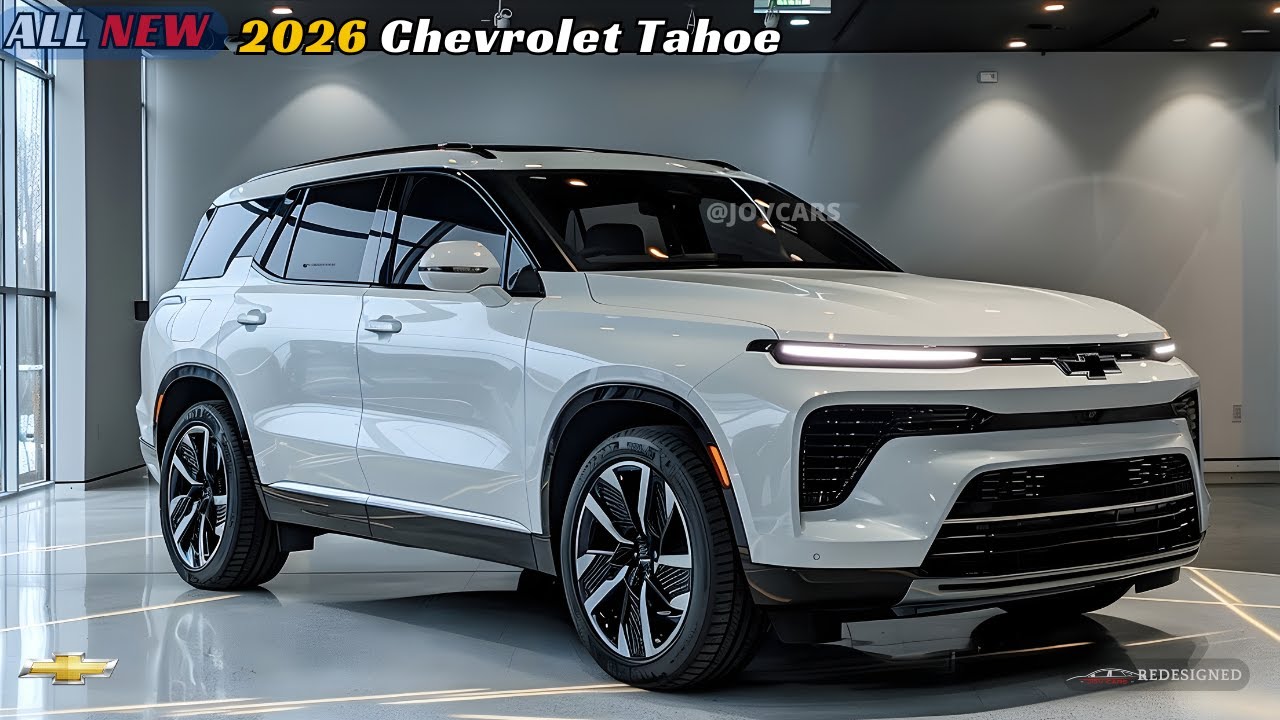
3) 2026 Chevrolet Tahoe: Full-Size Confidence for the Long Haul
Large family SUVs rarely go out of fashion quickly. The Tahoe thrives in that category because it offers the kind of full-size confidence that families, road-trip travelers, and multi-purpose households value year after year. Its resale strength typically comes from a simple equation: when there’s a need for space and comfort, Tahoe shoppers don’t want to gamble with uncertainty.
In 2026, the Tahoe’s appeal is likely to remain buoyed by buyers who prioritize smooth highway behavior, family-ready ergonomics, and a commanding presence. Value retention is often tied to whether the vehicle’s daily experience holds up to repeated use. When a vehicle feels stable—at stops, on ramps, during long drives—owners tend to care for it. Care translates into condition, and condition translates into resale premiums.
Another resale factor is the Tahoe’s role as a “life-stage” vehicle. People don’t buy a Tahoe for a season; they buy it for a chapter. That turns ownership into an ongoing relationship rather than a temporary fling. Vehicles associated with stable ownership patterns generally retain value better than cars that frequently switch hands quickly.
4) 2026 Chevrolet Equinox (or Similar High-Interest Compact Crossover): The Efficient Demand Magnet
Compact crossovers can be the quiet champions of resale value. They move fast because they fit a wide range of lifestyles: commuters, new families, and drivers who want crossover practicality without full-size fuel expenses. In 2026, a Chevrolet compact crossover can appeal strongly because it occupies the “just right” intersection of affordability, capability, and everyday comfort.
Resale performance here often hinges on perceived efficiency and ease of ownership. Buyers tend to reward models that are simple to service, comfortable for daily routines, and equipped with practical tech that doesn’t age poorly. A cabin that feels ergonomically coherent can matter as much as headline horsepower.
For resale, the most important habit is choosing a configuration that makes sense for a broad audience. That means selecting popular drivetrain options, commonly requested exterior colors, and option bundles that enhance usability rather than just novelty. The resale market is less forgiving when an owner has chosen polarizing aesthetics that narrow buyer interest.
When a vehicle is broadly useful, its depreciation curve often stays less steep. Compact crossovers typically suffer fewer “identity breaks” because they’re not dependent on one fandom. They’re dependent on function—which the market consistently understands.
5) 2026 Chevrolet Blazer (or Similar Mid-Size Crossover): Style With a Practical Backbone
Mid-size crossovers occupy a sweet spot where buyers want both presence and everyday functionality. A Chevrolet Blazer-style offering in 2026 can attract resale value through design-led enthusiasm while still benefiting from utility-first logic. When a crossover looks current without appearing fragile or fussy, it tends to keep broader appeal across buyer generations.
The resale advantage often comes from an ownership experience that feels balanced. Buyers look for features that make daily life smoother: comfortable seating, intuitive infotainment, and cargo space that doesn’t require contortions. They also consider safety and driver assistance because those features are increasingly treated as must-haves rather than perks.
Value retention improves when a vehicle’s “feel” remains attractive over time. Suspension tuning that stays composed on uneven roads, cabin materials that resist premature wear, and control layouts that remain obvious all contribute to this. Over years, those details can become the difference between a buyer who sees “well-cared-for” versus one who sees “needs work.”
In the resale marketplace, buyer confidence is currency. A Blazer-like model that inspires confidence can maintain stronger demand even as newer competitors arrive.
What Drives Top Resale Value in 2026: The Hidden Checklist
Resale value isn’t magic. It’s the compound result of demand, condition, and perceived risk. Demand is shaped by brand reputation and the vehicle’s identity in the market. Condition is shaped by how the vehicle was driven and maintained. Perceived risk is influenced by reliability expectations, parts availability, and how easy it is to diagnose and repair issues.
Here’s the practical checklist that often determines whether a vehicle holds its value: consistent maintenance records, timely tire replacement, careful attention to paint and interior surfaces, and minimizing damage history. Even routine choices—like using recommended fluids and avoiding neglect—can protect resale pricing.
Also consider mileage patterns. For trucks and SUVs especially, the market respects “miles with intent.” A vehicle that shows normal use—rather than harsh, avoidable abuse—often retains value more effectively. Preventive care reduces the kind of aging that buyers interpret as structural decline.
Finally, resale favors vehicles that are easy to shop for. That means popular trim levels, sensible options, and configurations that match typical buyer needs. A niche setup may be exciting to you, but resale is about tomorrow’s buyer, not today’s taste.
How to Choose the Right One for Maximum Resale Potential
Start with your lifestyle, then choose a trim strategy based on market reality. If you want the most resilient resale, prioritize a configuration that aligns with broad buyer demand. That’s especially relevant for the Corvette, where specific option combinations can either elevate desirability or narrow it.
For the Silverado and Tahoe, prioritize towing and family-ready features that buyers repeatedly seek. Then focus on condition: clean maintenance history, tidy interior upkeep, and careful driving habits that prevent cosmetic deterioration.
Consider color and interior selection as well. Neutral tones and widely liked finishes tend to travel better through ownership cycles. Unique appearances can be charming—until the resale market decides it prefers safer choices.
Conclusion: Resale Value Is a Narrative, Not a Number
Top resale value in 2026 belongs to vehicles that keep their story intact—cars and trucks that remain desirable, practical, and confidence-inspiring as years accumulate. The Corvette offers icon-level demand, the Silverado provides durable utility and buyer breadth, and the Tahoe delivers family-first stability. Meanwhile, compact and mid-size crossovers round out the list by translating daily usability into continued market interest.
If the goal is to maximize value, the smartest approach blends sensible buying with disciplined ownership. Choose configurations that the broader market recognizes quickly. Maintain the vehicle as if it’s already a future listing. And treat resale not as an afterthought, but as an extension of how the vehicle fits into your life.