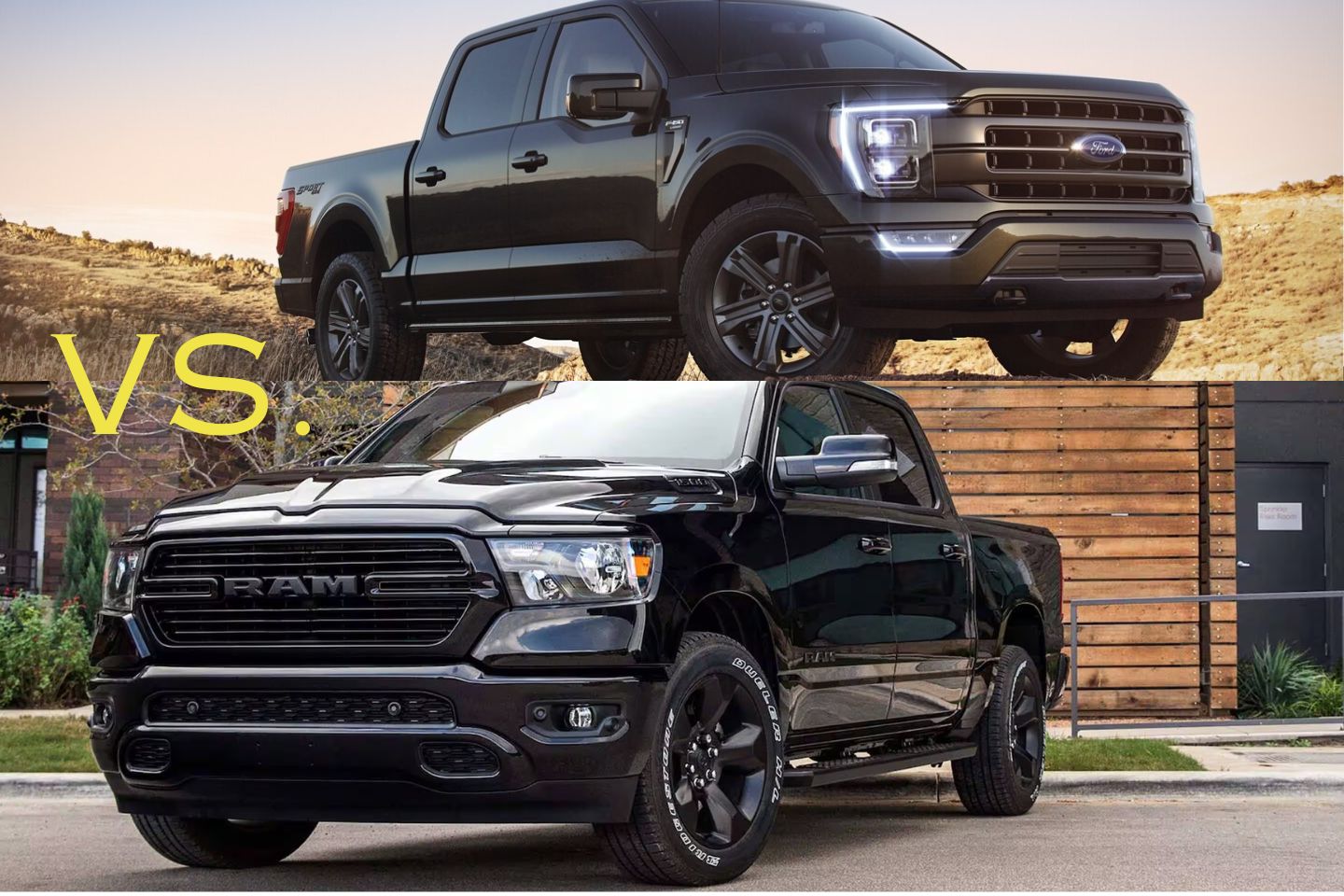
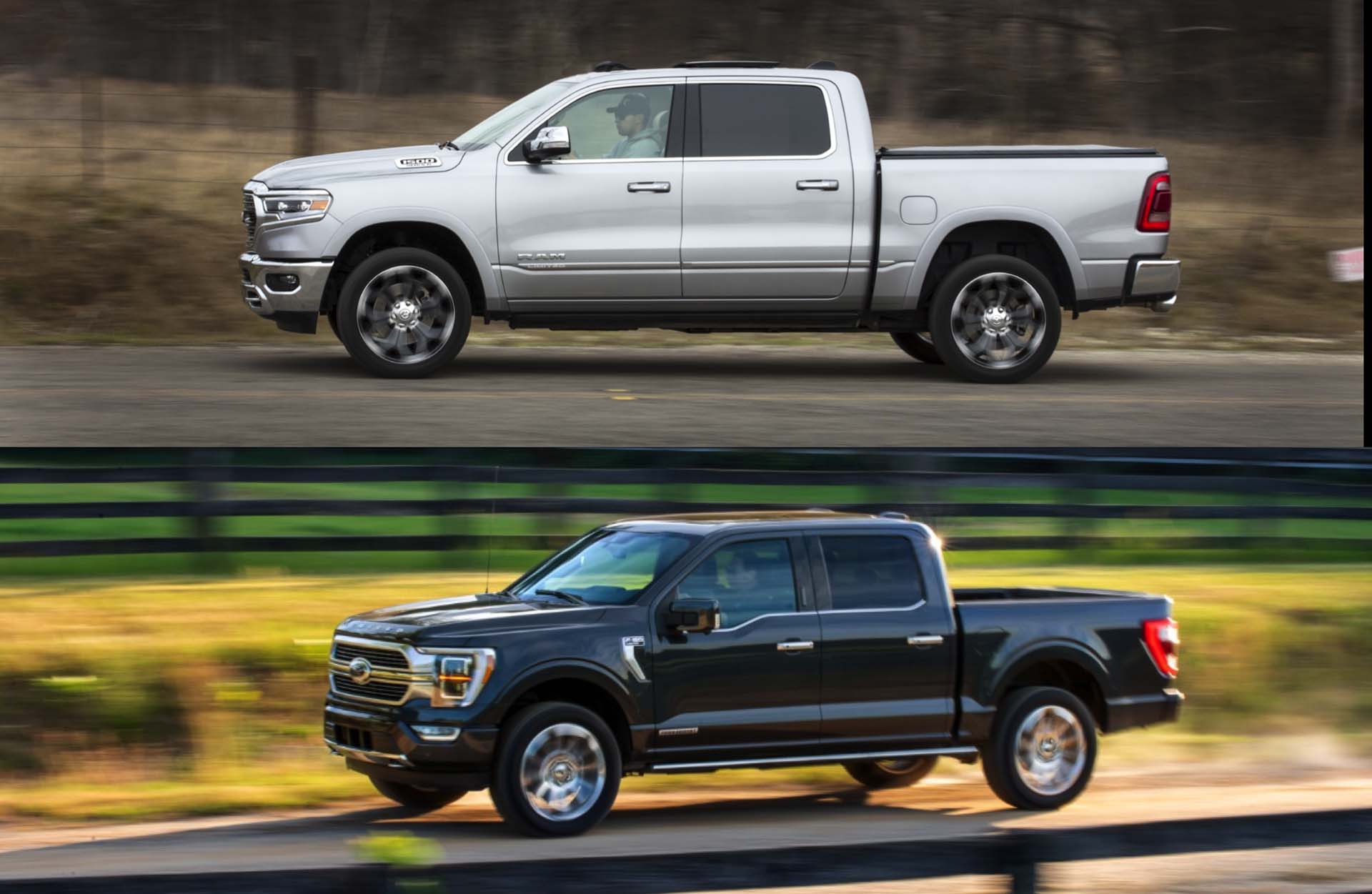
The Ford F-150 and Ram 1500 have long been locked in an epic rivalry that transcends mere automotive competition. These trucks aren’t just vehicles—they’re symbols of American grit, engineering prowess, and the unrelenting pursuit of dominance on the open road and off it. For decades, truck enthusiasts and casual buyers alike have debated which titan deserves the crown. But beneath the surface of horsepower and towing capacity lies a deeper narrative about identity, innovation, and what it truly means to drive American. This isn’t just a comparison of specs; it’s a clash of philosophies, a duel of legacies, and a testament to how these trucks have shaped—and been shaped by—the very culture that reveres them.
The Battle of Brand Loyalty: Why Trucks Are More Than Metal
Few rivalries in the automotive world evoke the same level of passion as the Ford F-150 versus Ram 1500 feud. It’s not just about which truck can haul more or accelerate faster—it’s about what each brand represents. Ford, with its blue oval emblem, has long been the quintessential American truck, a symbol of blue-collar resilience and innovation. The F-150’s lineage stretches back to the 1940s, and its name has become synonymous with the very idea of a pickup truck in the minds of many.
Ram, on the other hand, carries the torch of Italian-American craftsmanship, blending rugged functionality with a touch of European flair. The Ram 1500’s design language—sleek, sculpted, and almost sculptural—hints at a different kind of ambition. It’s not just a workhorse; it’s a statement. This duality is why the rivalry feels so personal to so many. Trucks aren’t just tools; they’re extensions of identity. For some, the F-150 is the truck of choice because it’s what their father drove, or what they grew up seeing on farms and construction sites. For others, the Ram 1500 is a rebellion against convention, a choice that says, “I value comfort as much as capability.”
.jpg?1718911517)
Engineering Showdown: Power, Efficiency, and the Quest for Perfection
When it comes to raw performance, both trucks bring their A-game, but in fundamentally different ways. The Ford F-150’s engine lineup is a masterclass in versatility, offering everything from the turbocharged 2.7L EcoBoost V6—perfect for those who want efficiency without sacrificing too much power—to the monstrous 5.0L PowerBoost Hybrid V8, which delivers an astonishing 700 lb-ft of torque. Ford’s hybrid system is a game-changer, blending traditional internal combustion with electric assistance to create a powertrain that’s as efficient as it is potent.
The Ram 1500 counters with its own technological marvels, most notably the 3.6L Pentastar V6 and the 5.7L HEMI V8. But Ram’s real ace in the hole is its eTorque mild-hybrid system, which pairs a traditional engine with a 48-volt electric motor to improve fuel economy and torque delivery. The result? A truck that feels just as responsive off the line as it does when towing a loaded trailer. Ram’s approach is one of refinement, focusing on smooth power delivery and a quieter cabin, while Ford leans into brute force and adaptability.
Yet, the deeper story here isn’t just about numbers on a spec sheet. It’s about how these trucks cater to different kinds of drivers. The F-150’s hybrid options appeal to those who want to reduce their carbon footprint without giving up capability. The Ram 1500’s eTorque system speaks to drivers who crave a balance between performance and refinement. This isn’t just a battle of engines; it’s a battle of philosophies—one that reflects the evolving priorities of truck buyers in an era where sustainability and comfort are no longer afterthoughts.
Towing and Hauling: The Heavyweights of the Highway
If there’s one area where the Ford F-150 and Ram 1500 truly flex their muscles, it’s in towing and payload capacity. The F-150’s high-strength, military-grade aluminum body might be lightweight, but it’s also incredibly strong, allowing for impressive towing numbers. With the right configuration, the F-150 can tow up to 13,500 pounds, making it a favorite among those who need to haul heavy loads without breaking a sweat. Ford’s Pro Trailer Backup Assist system is another feather in its cap, giving drivers unprecedented control when maneuvering trailers in tight spaces.
The Ram 1500, meanwhile, isn’t far behind, with a maximum towing capacity of 12,750 pounds. But where Ram shines is in its payload capacity, thanks to a cleverly designed suspension system that maximizes bed space without compromising ride quality. The Ram 1500’s coil-spring rear suspension is a rarity in the full-size truck segment, offering a ride that’s as smooth as it is capable. For drivers who prioritize comfort during long hauls or daily commutes, the Ram’s suspension setup is a game-changer.
Yet, the real magic happens when these trucks are pushed to their limits. Whether it’s a contractor hauling equipment to a job site or a weekend warrior towing a camper to a remote lake, the F-150 and Ram 1500 prove that they’re more than just vehicles—they’re partners in work and play. The question isn’t just about which truck can pull more weight; it’s about which one makes the experience feel effortless. And in that regard, both trucks deliver, each in their own unique way.
Interior Luxury: Where Work Meets Comfort
Gone are the days when full-size trucks were little more than utilitarian workhorses with bench seats and vinyl upholstery. Today, the Ford F-150 and Ram 1500 offer interiors that rival luxury sedans in terms of comfort, technology, and craftsmanship. The F-150’s interior is a study in modern minimalism, with a massive 12-inch touchscreen infotainment system that’s as intuitive as it is impressive. The available leather-appointed seats, heated and ventilated for all seasons, make long drives feel like a first-class experience. Ford’s SYNC 4 system is a technological marvel, offering voice-activated controls, wireless Apple CarPlay and Android Auto, and over-the-air updates that keep the system fresh.
The Ram 1500, on the other hand, takes a more opulent approach. Its interior is a symphony of soft-touch materials, real wood trim, and ambient lighting that can be customized to match the driver’s mood. The 12-inch Uconnect 5 infotainment system is just as advanced as the F-150’s, but Ram’s focus on tactile luxury sets it apart. The available 19-speaker Harman Kardon sound system turns the cabin into a concert hall, while the available RamBox cargo system—complete with power sliding doors—adds a touch of futuristic convenience.
This shift toward luxury isn’t just about making trucks more appealing to everyday drivers—it’s a reflection of how the role of the pickup has evolved. These trucks are no longer just for farmers, contractors, or off-road adventurers. They’re for families, for road trips, for people who want a vehicle that can do it all without sacrificing comfort. The F-150 and Ram 1500 understand this, which is why their interiors are as much about pampering as they are about productivity.
Off-Road Prowess: When the Pavement Ends
For those who venture beyond the blacktop, the Ford F-150 and Ram 1500 offer off-road packages that turn them into veritable beasts of burden. The F-150 Raptor, with its high-performance FOX Racing shocks, locking differentials, and a 37-inch tire package, is a legend in the off-road world. It’s a truck that laughs in the face of mud, sand, and rocks, offering a level of capability that few can match. The standard F-150 Tremor trim also brings serious off-road chops, with skid plates, all-terrain tires, and a terrain management system that lets drivers dial in the perfect settings for any surface.
The Ram 1500, while not as overtly off-road-focused as the Raptor, still packs a punch with its off-road packages. The Ram 1500 TRX, with its supercharged 6.2L HEMI V8 and massive 35-inch tires, is Ram’s answer to the Raptor’s dominance. It’s a truck that’s as at home on a desert trail as it is on a highway, with a suspension system that can absorb even the most punishing impacts. Ram’s approach to off-roading is more about refinement, offering a ride that’s as smooth on rough terrain as it is on pavement.
But the real story here isn’t just about which truck can climb a rock face faster. It’s about how these off-road packages reflect the changing face of truck ownership. More and more drivers are using their trucks for adventure, whether it’s weekend camping trips, overlanding expeditions, or simply exploring backcountry roads. The F-150 and Ram 1500 cater to this growing demographic, offering the tools they need to push boundaries without sacrificing the comforts of home.
The Future of the Rivalry: What’s Next for the F-150 and Ram 1500?
As the automotive industry hurtles toward an electric future, the Ford F-150 and Ram 1500 are poised to lead the charge—or at least, that’s what their manufacturers would have us believe. Ford’s F-150 Lightning is already a reality, offering all-electric power with the same rugged capability as its gas-powered siblings. The Lightning’s frunk (front trunk) and massive power output make it a compelling option for those looking to reduce their carbon footprint without giving up performance.
Ram, meanwhile, has its sights set on the hybrid and electric markets with the Ram 1500 REV, a plug-in hybrid that promises to deliver the best of both worlds. With an estimated range of over 100 miles on electric power alone, the REV is a bold statement about Ram’s commitment to innovation. But the real question isn’t just about which truck will be the first to go fully electric—it’s about how these trucks will continue to evolve to meet the needs of drivers in an ever-changing world.
One thing is certain: the rivalry between the Ford F-150 and Ram 1500 isn’t going anywhere. It’s a clash of titans that has defined the full-size truck segment for generations, and it shows no signs of slowing down. Whether it’s through groundbreaking technology, jaw-dropping performance, or sheer force of will, these trucks will continue to push the boundaries of what’s possible. And for the drivers who choose between them, the decision will always come down to more than just specs—it’s about which truck feels like the right fit for their lives, their values, and their dreams.
The road ahead is long, and the competition is fierce. But one thing is clear: the Ford F-150 and Ram 1500 aren’t just trucks. They’re legends in the making, and their rivalry is far from over.