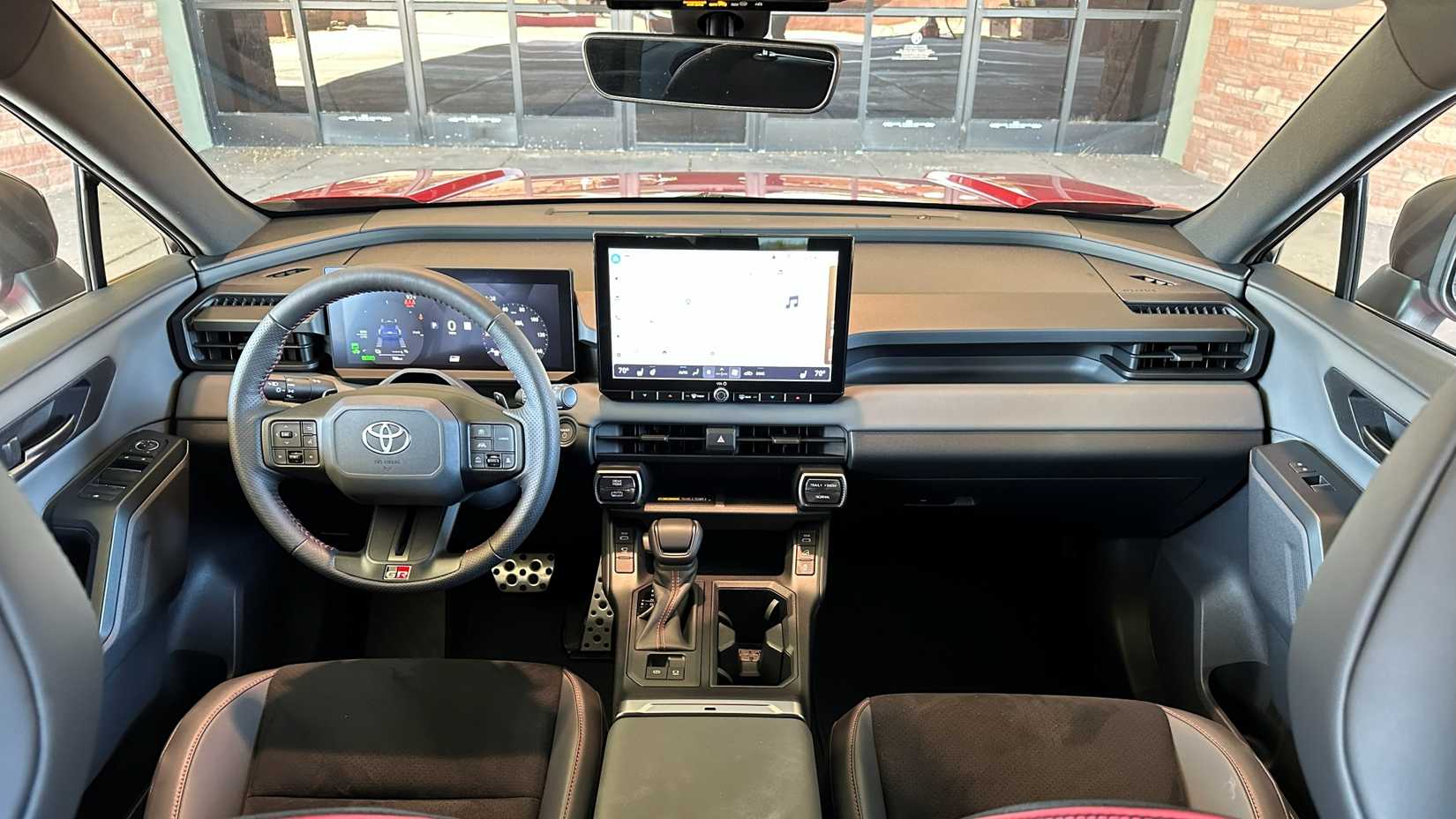
The year 2026 is quietly reshaping how people imagine a drive. Not with louder engines or flashier grilles alone, but with something far more intimate: the cabin’s brain. Infotainment systems have evolved from a collection of buttons into an orchestrated experience—part navigation, part voice concierge, part creative canvas. Step inside one of the best 2026 sedans and you can feel the promise of a shift in perspective. The screen stops being a destination and becomes a dialogue.
What makes a sedan truly “smart” in 2026 isn’t merely how big the display is. It’s how gracefully the system anticipates needs, how naturally it speaks, and how reliably it stays out of the way. The most impressive systems don’t demand attention. They borrow it—then return it, recharged. The following tour explores sedans that deliver that rare balance, where technology feels less like a gadget and more like a habit.
From Touchscreens to Conversational Cabins
Touchscreens are no longer the headline. In the 2026 sedan ecosystem, voice interfaces have become more discerning, less robotic. Speech recognition now handles natural phrasing and context—like when you’re half-focused on traffic and half-focused on the playlist. You say “call home,” and the system understands whether you mean your voicemail or your spouse without forcing a command script.
Even the pauses feel different. A well-tuned conversational interface doesn’t interrupt. It confirms. It recalibrates. It asks a single, precise question when ambiguity appears—then moves on. That responsiveness changes the whole rhythm of driving. Short sentences become navigation breadcrumbs. Long sentences become intent. The car listens, but it also remembers.
AI-Assisted Navigation That Thinks in Layers
Navigation in 2026 is increasingly multilayered. It’s not only about where you are and where you’ll be. The best systems incorporate real-world conditions, predicting how traffic will evolve rather than merely reporting what it is. Some dashboards now blend route guidance with situational intelligence: detours that account for time variability, charging station suggestions timed to your remaining range, and arrival estimates that don’t feel like guesses.
When navigation is done well, it reduces cognitive load. Your attention stops fraying. You glance less. You decide more calmly. That’s the quiet superiority—less frantic reactivity, more deliberate motion through the world.
Infotainment That Integrates the Outside World
The most compelling 2026 systems extend beyond the cabin. Cloud connectivity enables features that feel almost uncanny in their relevance: live traffic nuance, smarter points-of-interest, and updates that refine performance over time. In practical terms, it means the map knows when a roadway becomes a different creature during certain hours.
Integration also shows up in how media behaves. Podcasts pick up where you left off, playlists adjust to time-of-day moods, and recommendations respect your existing tastes. The goal isn’t endless novelty. It’s continuity with a subtle twist—like opening the same book but finding new annotations in the margins.
Faster Hardware, Smoother Transitions, Less Glitch Poetry
Sometimes the difference between “good” and “excellent” is how quickly the system fades into invisibility. Premium 2026 sedans lean on more capable processors and optimized software stacks. Menus open promptly. Maps render without hesitation. Switching from media to climate control feels like turning a page—not like waiting for an app to load.
This matters more than people expect. Lag is a cognitive tax. It creates micro-stress and invites distraction. The best infotainment platforms behave like well-trained assistants: efficient, unobtrusive, and steady under pressure.
Home-Like Interfaces: Personalization Without the Hassle
Personalization has become a spectrum in 2026. It’s not only about the driver profile remembering seat and mirror settings. It’s about learning how you prefer to start your day. The system can surface the same essentials—weather, commute timing, favorite stations—while still leaving room for spontaneity.
Some sedans now support multi-user recognition so the interface adapts smoothly when different drivers take over. That’s where the perspective shift becomes tangible. Instead of the car asking you to configure everything, it asks what matters. It curates. It remembers. It stops treating every drive like a first date.
Display Design: Bigger Screens, Smarter Layouts
Large displays are common. The best systems, however, choreograph the screen to avoid overload. They prioritize legibility and hierarchy: navigation where your eyes naturally land, media controls where your hands can act without hunting, and contextual prompts that appear only when needed.
Typography, iconography, and contrast levels make a difference, especially at night. The most refined dashboards feel like a camera viewfinder—precise, calm, and ready. Not everything has to be visible. The UI should anticipate what you’ll request next.
Seamless Smartphone Pairing and App Ecosystems
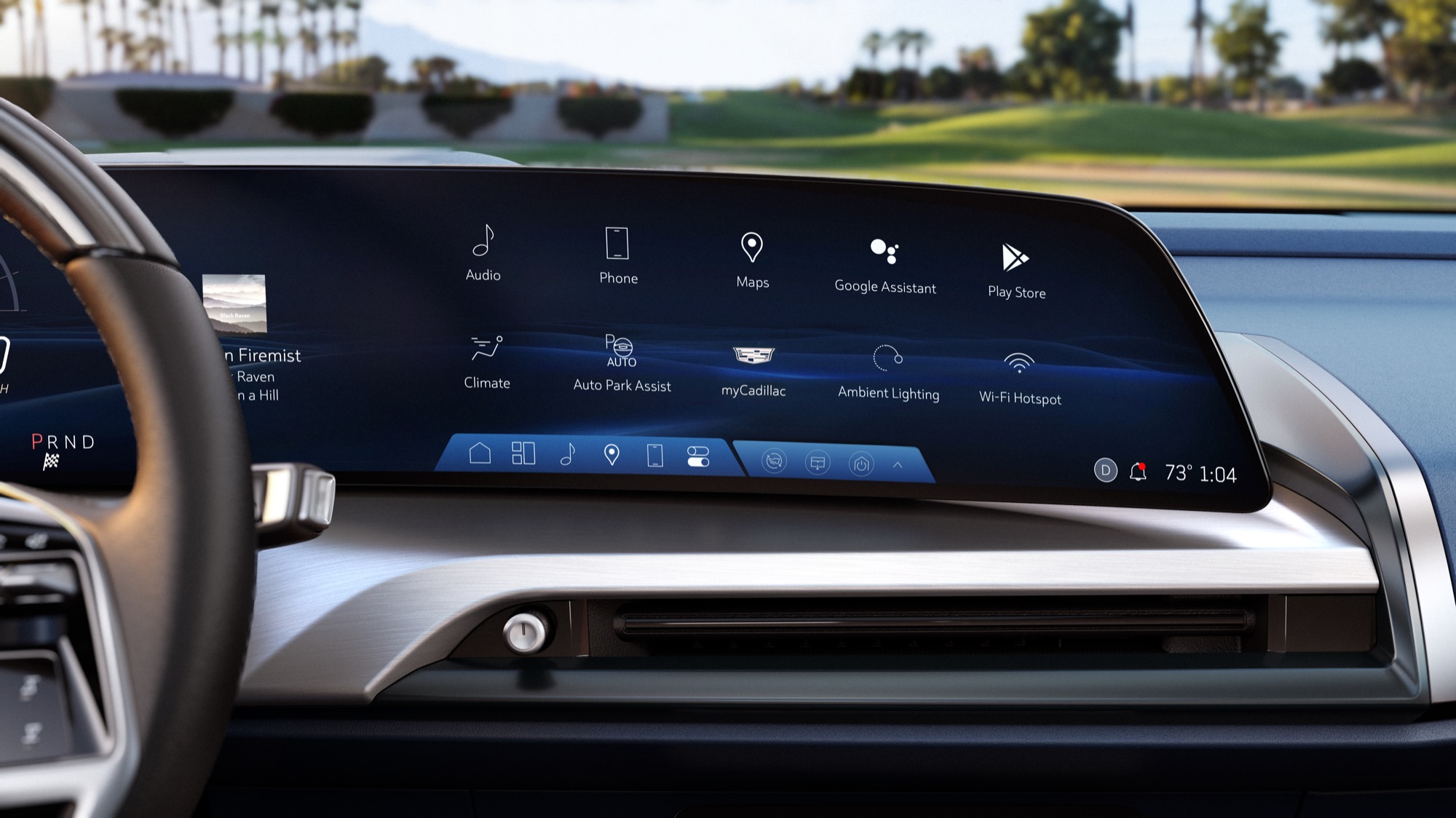
A great infotainment system in 2026 acts like a translator. It bridges your phone’s world with the car’s world without constant friction. Pairing is smoother, permissions are clearer, and the handoff between devices is less dramatic. The interface should feel like it belongs to the car, not stitched onto it.
App ecosystems are also becoming more purposeful. Rather than presenting a chaotic grid of options, premium platforms emphasize categories that match driving reality—navigation, communication, media, and vehicle settings. When the UI is curated, exploration becomes intuitive rather than exhausting.
Climate, Sound, and Comfort as Infotainment Variables
Infotainment is no longer solely “screens and apps.” In 2026, comfort controls are treated as part of the same experiential layer. Voice commands don’t just manage music; they adjust climate zones, seat comfort settings, and ambient lighting cues. Sound systems are tuned dynamically, responding to cabin conditions and driver preferences.
This is where the cabin feels alive. Not in a flashy way. In a responsive way. The car becomes a temperature and acoustics studio that aligns with your mood—without requiring you to micromanage.
Promises of the Future: Predictive Intelligence and Assistive Features
One of the most intriguing shifts in 2026 is the movement toward predictive intelligence. The best systems don’t simply react. They prepare. They can interpret habits—like when you typically leave, where you usually stop for coffee, or how you prefer your media arranged. Then they offer options that feel like thoughtful suggestions rather than intrusive recommendations.
Future-facing features also include more advanced conversational assistance, potentially blending vehicle controls with broader queries. Imagine asking for an itinerary and having the system map it into a route, while suggesting stops based on real timing. The curiosity here isn’t about replacing the driver. It’s about elevating the driver’s intentions into something actionable.
Why These Systems Matter in Real Ownership
Technology should be judged by more than showroom demonstrations. The best 2026 infotainment experiences remain stable over time—updates don’t destabilize the interface, connectivity doesn’t collapse under normal conditions, and key functions remain available without buried navigation.
Ownership also includes how the system handles moments of stress: sudden weather changes, last-minute detours, or the need to find a charger quickly. In those instances, the UI’s clarity becomes emotional reassurance. A calm system doesn’t just reduce distraction. It reduces anxiety.
The Curiosity Test: How It Feels After Week One
Some systems are impressive on day one and forgettable by week two. The elite ones do the opposite. After week one, you stop noticing the technology. You simply drive—and the infotainment fades into helpful background reality.
That’s the true hallmark. Not spectacle. Integration. When the cabin becomes a seamless environment, your curiosity isn’t about whether the system can do something. It’s about what it will anticipate next.
Choosing Your 2026 Sedan: What to Look For
If you’re evaluating a 2026 sedan’s infotainment, focus on five practical questions. Does the voice interface understand natural phrasing? Does navigation handle uncertainty intelligently? Is the interface fast and visually organized? Does it personalize without burden? And, perhaps most importantly, does it keep your attention where it belongs—on the road?
Then take a second look at the details: icon clarity, responsiveness, and how quickly the system returns to the last task. These are small signals that reveal the engineering philosophy underneath.
Final Thoughts: The Cabin as a Co-Pilot
In 2026, the best sedans with the best infotainment systems are shaping more than entertainment and navigation. They’re redefining the relationship between driver and machine. The promise is subtle but powerful: a shift in perspective from “operating a system” to “being supported by it.”
When infotainment becomes conversational, predictive, and genuinely integrated, it stops feeling like a feature list. It becomes a co-pilot—patient, precise, and quietly remarkable. And once you experience that, the next drive feels like a question you can’t wait to answer.