In the bustling symphony of urban mobility, where every mile is a note and every passenger a listener, the choice of your ride can turn a humdrum gig into a standing ovation—or a cacophony of complaints. For rideshare drivers navigating the asphalt labyrinth of 2026, the Toyota hybrid trifecta—Corolla, Camry, and Prius—offers a tantalizing trio of efficiency, comfort, and practicality. But which one deserves the driver’s seat in your fleet? Let’s dissect the contenders with the precision of a scalpel and the passion of a pit crew.
The Undisputed Mileage Maestro: Toyota Prius
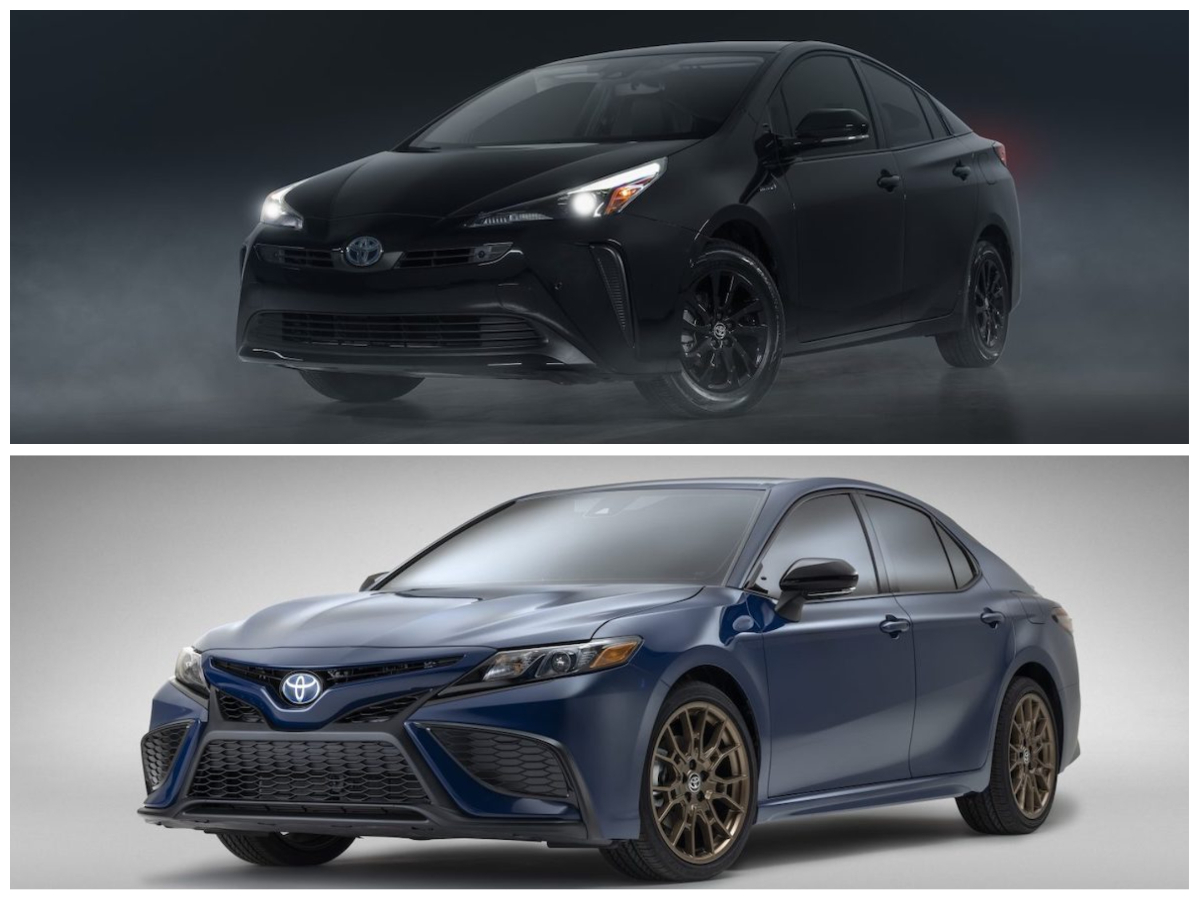
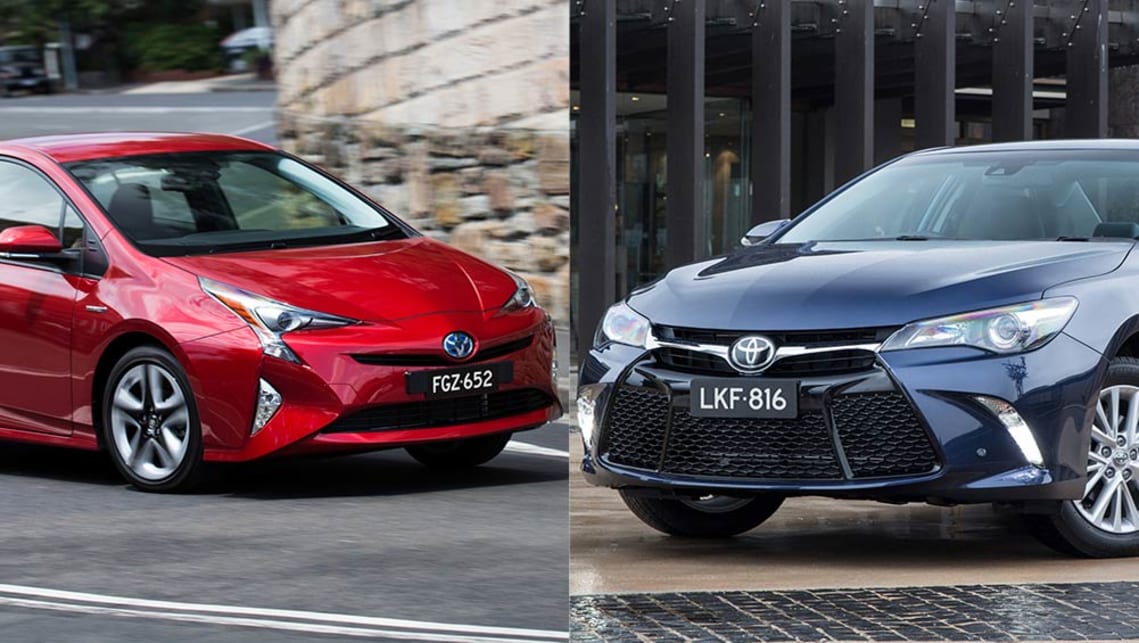
If fuel economy were a religion, the 2026 Toyota Prius would be its holiest scripture. With a projected 58 city / 62 highway MPG (or even higher in hybrid-only variants), this hatchback doesn’t just sip gasoline—it whispers it into oblivion. For rideshare drivers logging 30,000 miles a year, that’s a potential savings of $1,200+ annually compared to a gas-guzzling sedan. But the Prius isn’t just about saving cents at the pump; it’s a rolling testament to Toyota’s hybrid mastery.
The 2026 model flaunts a revamped aerodynamic silhouette, slicing through headwinds like a hot knife through butter. Inside, the 12.3-inch touchscreen infotainment system (standard on higher trims) keeps riders entertained while the Toyota Safety Sense 3.0 ensures they arrive alive. The spacious rear seats and 34.8 cu. ft. of cargo room (expandable to 65.7 cu. ft.) make it a favorite for families and groups alike. Yet, the Prius’s Achilles’ heel? Its polarizing design. While some adore its futuristic aesthetic, others dismiss it as a rolling science project. For drivers who prioritize efficiency above all else, though, the Prius remains the undisputed champion.

The Stealthy Powerhouse: Toyota Camry Hybrid
If the Prius is the efficiency extremist, the 2026 Toyota Camry Hybrid is the refined pragmatist. Boasting 52 city / 53 highway MPG, it’s not as frugal as the Prius, but it makes up for it with serious power and poise. The hybrid powertrain pairs a 2.5L 4-cylinder engine with an electric motor, churning out 232 combined horsepower—enough to merge onto highways with confidence and leave stoplights in your dust. For rideshare drivers who want to blend in with the traffic while still having a reserve of oomph, the Camry is the perfect stealth weapon.
The 2026 Camry’s interior is a masterclass in understated luxury. Leather-trimmed seats (on XLE and Limited trims), a 10.1-inch digital gauge cluster, and available ventilated front seats ensure passengers feel pampered. The 8-inch touchscreen (or optional 9-inch) is intuitive, and the Toyota Safety Sense 3.0 suite provides an extra layer of reassurance. But where the Camry truly shines is in its ride comfort. The suspension is tuned for smoothness, making it ideal for long shifts or city driving where potholes and speed bumps are inevitable. The only trade-off? A slightly higher price tag than the Corolla and Prius, but for drivers who want a premium feel without the premium price of a Lexus, the Camry is a compelling compromise.
The Balanced Dynamo: Toyota Corolla Hybrid
For rideshare drivers who crave a blend of efficiency, affordability, and understated elegance, the 2026 Toyota Corolla Hybrid is the Goldilocks of the hybrid world—not too flashy, not too dull, but just right. With 50 city / 53 highway MPG, it’s not as thrifty as the Prius, but it’s close enough to make a noticeable dent in fuel costs. What it lacks in cargo space (13.1 cu. ft.), it makes up for in maneuverability. The Corolla’s compact footprint makes it a breeze to park in tight city spots and weave through traffic, a boon for drivers navigating dense urban jungles.
The 2026 Corolla Hybrid’s interior is a study in minimalist sophistication. The 8-inch touchscreen (standard on SE and higher trims) is responsive, and the available 10.5-inch head-up display keeps your eyes on the road. The seats are supportive, though not as plush as the Camry’s, and the cabin materials feel durable rather than luxurious. But here’s the kicker: the Corolla Hybrid starts at under $28,000, making it the most budget-friendly option of the trio. For new drivers or those looking to minimize upfront costs, it’s a no-brainer. The trade-off? A less powerful engine (121 combined horsepower) and a ride that’s firmer than the Camry’s. Still, for daily commutes and short trips, the Corolla Hybrid punches well above its weight.

The Hidden Costs: Beyond the Sticker Price
Choosing a hybrid for rideshare isn’t just about fuel economy or initial cost—it’s about the total cost of ownership. Insurance premiums, maintenance, and resale value all play a role in the long-term equation. The Prius, with its bulletproof hybrid system, often commands lower insurance rates due to its safety ratings and theft deterrence. The Camry, while more expensive upfront, tends to hold its value better, thanks to its reputation for reliability and comfort. The Corolla, meanwhile, is the most affordable to insure and maintain, but its resale value may dip faster than the others.
Maintenance costs are another factor. Hybrids have fewer moving parts than gas engines, but the battery packs—while designed to last 10+ years—can be costly to replace if they fail outside warranty. Toyota’s hybrid batteries are backed by an 8-year/100,000-mile warranty, but for rideshare drivers pushing high mileage, it’s worth budgeting for potential replacements. The good news? All three models share Toyota’s reputation for longevity, so major repairs are rare if the vehicle is well-maintained.
Depreciation is the silent killer of rideshare profits. The Prius, with its niche appeal, can depreciate faster than the Camry or Corolla. The Camry, being a midsize sedan, holds value better but may cost more to park in tight urban garages. The Corolla, with its compact size and affordability, is the easiest to park and store, but its resale value may not be as strong as the Camry’s. For drivers who plan to keep their vehicle for 3-5 years, the Camry often offers the best balance of cost and convenience.
The Passenger Experience: Which Car Keeps Riders Coming Back?
In the rideshare game, happy passengers are repeat customers. The Prius’s spacious cargo area and futuristic vibe appeal to tech-savvy riders, while the Camry’s quiet cabin and smooth ride make it a favorite for long trips. The Corolla, with its compact size, is ideal for solo riders or small groups, but its tighter quarters may frustrate larger parties.
Noise levels are another consideration. The Prius, with its aerodynamic design, is whisper-quiet at highway speeds, while the Camry’s V6-like refinement ensures a serene ride. The Corolla falls somewhere in between, with a slightly more audible cabin. For drivers who want to minimize passenger complaints, the Camry’s superior sound insulation is a major selling point.
Tech features also play a role in passenger satisfaction. The Prius’s available 12.3-inch infotainment screen and JBL premium audio system create a premium experience, while the Camry’s available ventilated seats and panoramic moonroof add a touch of luxury. The Corolla, while not as feature-rich, still offers Apple CarPlay and Android Auto as standard, ensuring connectivity for most riders.
The Final Verdict: Which Hybrid Should You Drive?
The choice between the 2026 Toyota Corolla, Camry, and Prius hinges on your priorities as a rideshare driver. If fuel economy is your holy grail, the Prius is the undisputed king. If you want power, comfort, and a premium feel without breaking the bank, the Camry is your best bet. And if affordability, maneuverability, and low upfront costs are your top concerns, the Corolla Hybrid is the way to go.
For most rideshare drivers, the Camry Hybrid strikes the perfect balance. It’s efficient enough to save on fuel, powerful enough to handle highway merges, and comfortable enough to keep passengers (and your sanity) intact. The Prius is a close second for those who prioritize efficiency above all else, while the Corolla is ideal for budget-conscious drivers or those navigating the tightest urban grids.
No matter which you choose, one thing is clear: the 2026 Toyota hybrid lineup offers something for every rideshare driver. The road ahead is paved with possibilities—all you have to do is pick your ride and let the miles roll in.