Have you ever stood in a parking lot, watching the sunset glint off the sleek curves of a gasoline-powered relic, and wondered: What if every car could whisper instead of roar? The 2026 Toyota bZ4X isn’t just an answer—it’s a bold declaration that the future of mobility doesn’t have to be a compromise between thrill and responsibility. This isn’t some niche, overpriced electric dream reserved for tech bros or Hollywood stars. No, this is Toyota’s first real foray into the mass-market EV arena, a vehicle designed to make zero-emission driving feel as natural as buckling your seatbelt. But here’s the twist: can an automaker with roots deeply planted in internal combustion engines truly pivot to electric without losing the soul of what made its cars legendary?
Let’s dive into the 2026 Toyota bZ4X—not just as a car, but as a statement. A statement that says sustainability and driving pleasure aren’t mutually exclusive. A statement that challenges the notion that electric vehicles are just glorified golf carts with premium price tags. And yes, a statement that dares to ask: Is this the EV that finally makes the switch irresistible?
The Design: Where Futurism Meets Familiarity
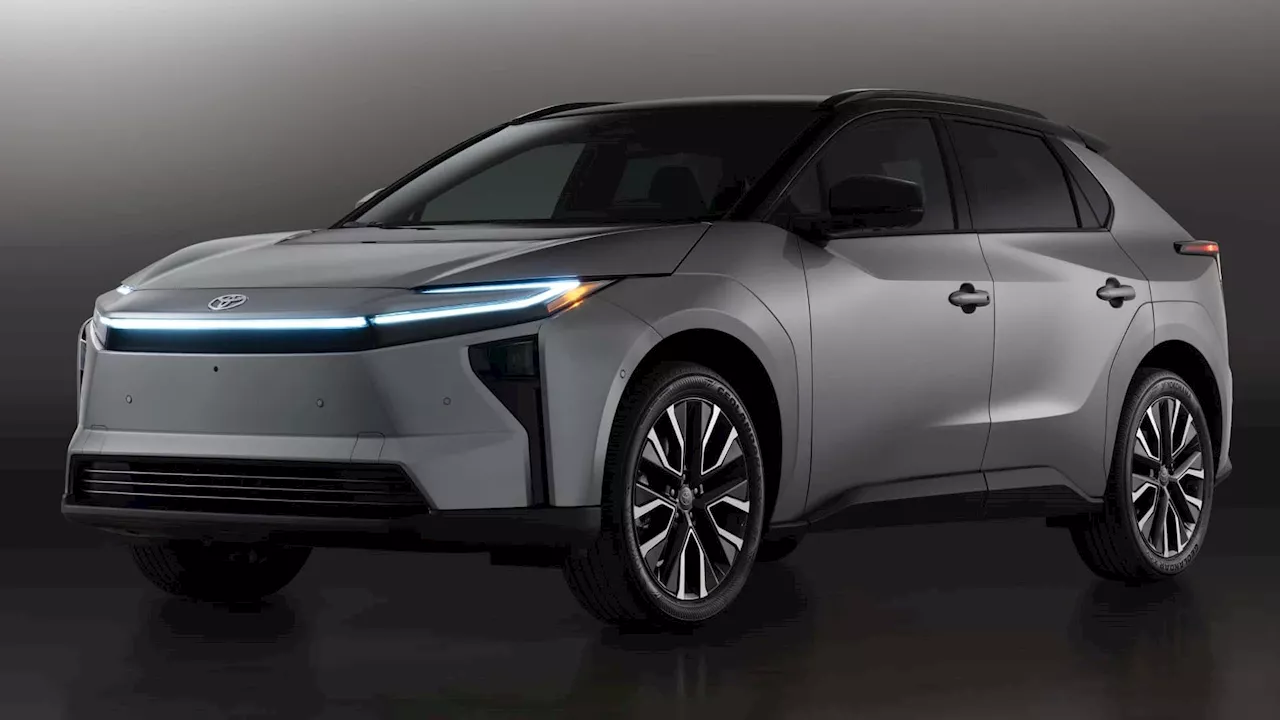
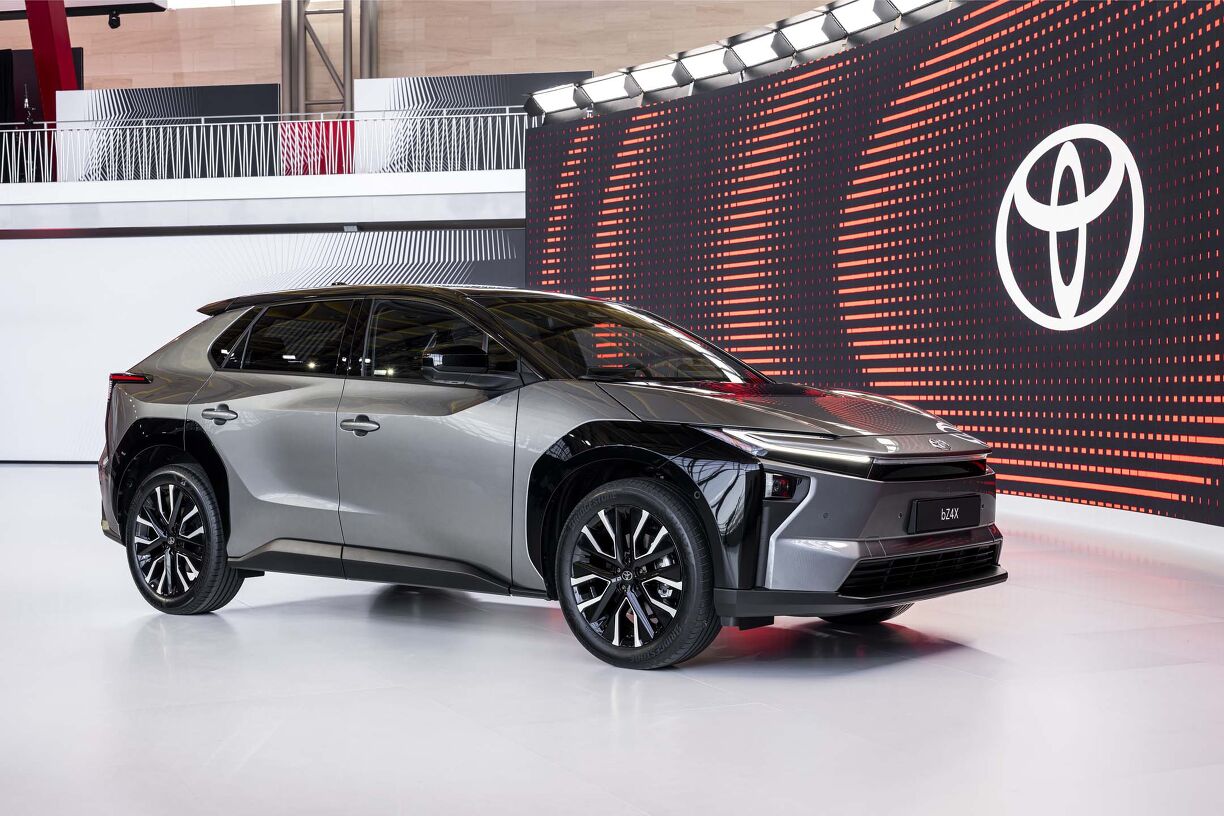
The bZ4X doesn’t scream “I’m electric” with flashy gimmicks or polarizing aesthetics. Instead, it whispers it through thoughtful design choices that feel both innovative and reassuringly Toyota. The front fascia is a study in aerodynamic efficiency, with a closed-off grille that’s less about tradition and more about reducing drag. The headlights? Sharp, angular, and LED-lit, giving the bZ4X a look that’s undeniably modern without veering into the uncanny valley of sci-fi.
The side profile is where things get interesting. The beltline swoops upward toward the rear, creating a coupe-like silhouette that’s both sporty and practical. The wheel arches are pronounced, hinting at the bZ4X’s SUV underpinnings, while the flush door handles reduce wind noise and add a touch of stealthy elegance. And let’s talk about the wheels—available in 19-inch alloys that look like they’ve been carved from a single block of metal, they’re a visual nod to the bZ4X’s performance chops.
Under the Hood: The Heart of a Silent Revolution
At the core of the bZ4X lies Toyota’s first global mass-market electric platform, a clean-sheet architecture built from the ground up to accommodate battery packs, motors, and all the tech that makes an EV hum. The standard powertrain pairs a 72.8 kWh battery with a single electric motor producing 201 horsepower and 195 lb-ft of torque. That’s enough to launch the bZ4X from 0-60 mph in a respectable 7.1 seconds—quick enough to keep up with highway traffic but not so quick that it’ll embarrass your grandma’s Prius.
But here’s where it gets clever. Toyota offers an optional dual-motor AWD system, which pairs a second motor at the rear axle to deliver 215 horsepower and 248 lb-ft of torque. The result? A 0-60 mph time of 6.5 seconds and the kind of all-weather confidence that makes you forget you’re driving an electric vehicle. The bZ4X also features Toyota’s signature regenerative braking system, which allows drivers to adjust the level of energy recapture via paddle shifters behind the steering wheel—because even in an EV, some things should be left to the driver’s discretion.
The Battery: A Balancing Act of Range and Practicality
Range anxiety is the bogeyman of the EV world, and Toyota knows it. The bZ4X addresses this with a battery that’s both robust and adaptable. The 72.8 kWh unit is paired with a 150 kW DC fast-charging capability, meaning you can juice up from 10% to 80% in about 30 minutes on a compatible charger. That’s not Tesla-level speed, but it’s more than enough for a quick coffee break during a road trip.
Real-world range? Toyota estimates up to 252 miles on the EPA cycle for the front-wheel-drive model and 228 miles for the AWD variant. Those numbers might not set the world on fire, but they’re competitive in a segment where every mile counts. And with Toyota’s reputation for reliability, you can bet the bZ4X’s battery will hold up better than a politician’s promise.
The Interior: A Sanctuary of Silence and Space
Step inside the bZ4X, and the first thing you’ll notice is the absence of noise. No engine growl. No transmission whine. Just the soft hum of electrons coursing through the motors and the occasional whisper of wind over the aerodynamic body. It’s disorienting at first—like driving a spaceship that forgot to make any sound.
The cabin itself is a masterclass in minimalist design. The dashboard is dominated by a 12.3-inch digital instrument cluster and a 12.3-inch infotainment touchscreen, both of which are crisp, responsive, and—dare I say—actually intuitive to use. The center console is home to a rotary gear selector, a nod to Toyota’s hybrid heritage, and a wireless charging pad that’s so large it could probably fit a small pizza.
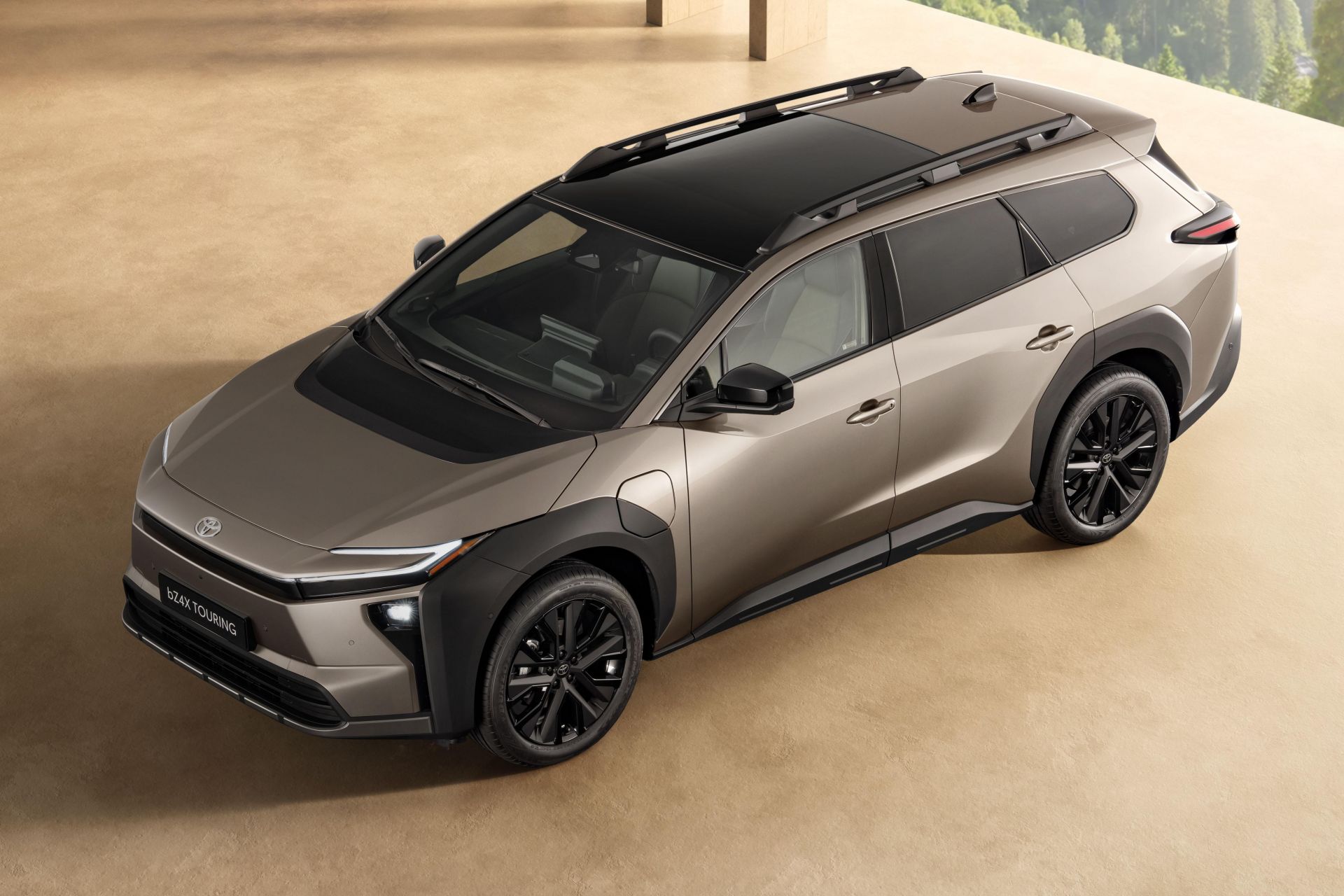
But the real star of the show is the space. The bZ4X is a midsize SUV, but it feels bigger inside than its exterior dimensions suggest. The flat floor and lack of a transmission tunnel create a sense of openness, while the panoramic sunroof (optional, of course) bathes the cabin in natural light. The rear seats are roomy enough for adults to sit comfortably, and the cargo area—51.4 cubic feet behind the second row—is practical enough for everything from groceries to luggage to a small army of kids.
Tech and Safety: Because Even EVs Need to Be Smart
Toyota’s Safety Sense 3.0 suite comes standard on the bZ4X, and it’s a veritable Swiss Army knife of advanced driver-assistance systems. Adaptive cruise control, lane-keeping assist, automatic emergency braking, and blind-spot monitoring are all included, ensuring that the bZ4X isn’t just a quiet ride—it’s a safe one too.
But the tech doesn’t stop at safety. The bZ4X also features a suite of connectivity options, including Apple CarPlay and Android Auto, over-the-air software updates, and a digital key system that lets you unlock and start the car using nothing more than your smartphone. It’s the kind of tech that makes you feel like you’re living in the future—just without the flying cars.
The Challenge: Can Toyota Truly Win Over the Masses?
Here’s the million-dollar question: Can the bZ4X break through the noise and convince the average car buyer that electric vehicles are the future? The answer isn’t as simple as slapping a “zero emissions” sticker on a car and calling it a day. Toyota faces a few hurdles.
First, there’s the matter of brand perception. Toyota has spent decades building a reputation for reliability, durability, and practicality. But in the EV world, those qualities are often overshadowed by flashier, more tech-forward competitors like Tesla or even legacy automakers like Ford and Hyundai. Can Toyota’s understated approach resonate with a generation raised on viral social media and instant gratification?
Then there’s the issue of charging infrastructure. While the bZ4X’s range is competitive, the reality is that not everyone has access to a home charger or a robust public charging network. Toyota’s partnership with EV charging networks is a step in the right direction, but it’s going to take time—and a lot of infrastructure investment—to make long-distance EV travel as seamless as filling up a gas tank.
And let’s not forget the competition. The bZ4X isn’t the only game in town. It’s going up against the likes of the Ford Mustang Mach-E, the Hyundai Ioniq 5, and the Tesla Model Y—all of which offer more range, faster charging, or more performance for the same price. Can Toyota’s blend of practicality, reliability, and understated style be enough to stand out in a crowded market?
The Verdict: A Quiet Revolution Worth Watching
The 2026 Toyota bZ4X isn’t the flashiest EV on the road, nor is it the fastest or the longest-ranging. But that’s precisely what makes it so compelling. It’s a car designed for the real world—a world where not everyone has a garage with a charger, where not everyone wants to live on the bleeding edge of technology, and where practicality still matters.
In a market saturated with EVs that scream for attention, the bZ4X whispers. It whispers about a future where driving is quieter, cleaner, and more enjoyable. It whispers about a company that’s willing to take risks without alienating its core audience. And it whispers about a vehicle that might just be the tipping point for mass-market EV adoption.
So, is the 2026 Toyota bZ4X the EV that finally makes the switch irresistible? Only time will tell. But one thing’s for sure: it’s a step in the right direction. And in a world that’s desperate for good news, that’s worth celebrating.