The Toyota Hilux has long been the stuff of legend—a mid-size truck that refuses to bow to convention. While the U.S. market has historically been dominated by full-size titans like the Ford F-150 and Chevrolet Silverado, whispers of the Hilux’s arrival have grown louder. Could this rugged, globally adored workhorse finally make its mark stateside? Let’s dive into what makes the Hilux a compelling proposition for American buyers, the challenges it faces, and the different types of content you can expect to uncover about this automotive icon.

The Hilux’s Global Pedigree: Why It’s Different from American Trucks
The Toyota Hilux isn’t just another truck—it’s a cultural phenomenon. Born in 1968, it has earned its stripes (and dents) across continents, from the Australian outback to the African savannah. Unlike its American counterparts, which prioritize brute towing capacity and luxury, the Hilux thrives on durability, simplicity, and versatility. Its ladder-frame chassis, robust suspension, and understated engineering make it a favorite among overlanders, farmers, and off-road enthusiasts worldwide.
In markets like Thailand, South Africa, and the UK, the Hilux is a daily driver, a workhorse, and a weekend adventurer all in one. Its adaptability is unmatched: swap out the bed for a crew cab, add a turbocharged diesel engine, or equip it with a snorkel for river crossings. The question is—can this global chameleon translate its appeal to the U.S., where trucks are judged by horsepower, payload, and infotainment systems?
Design and Styling: A Bold Departure from the Norm
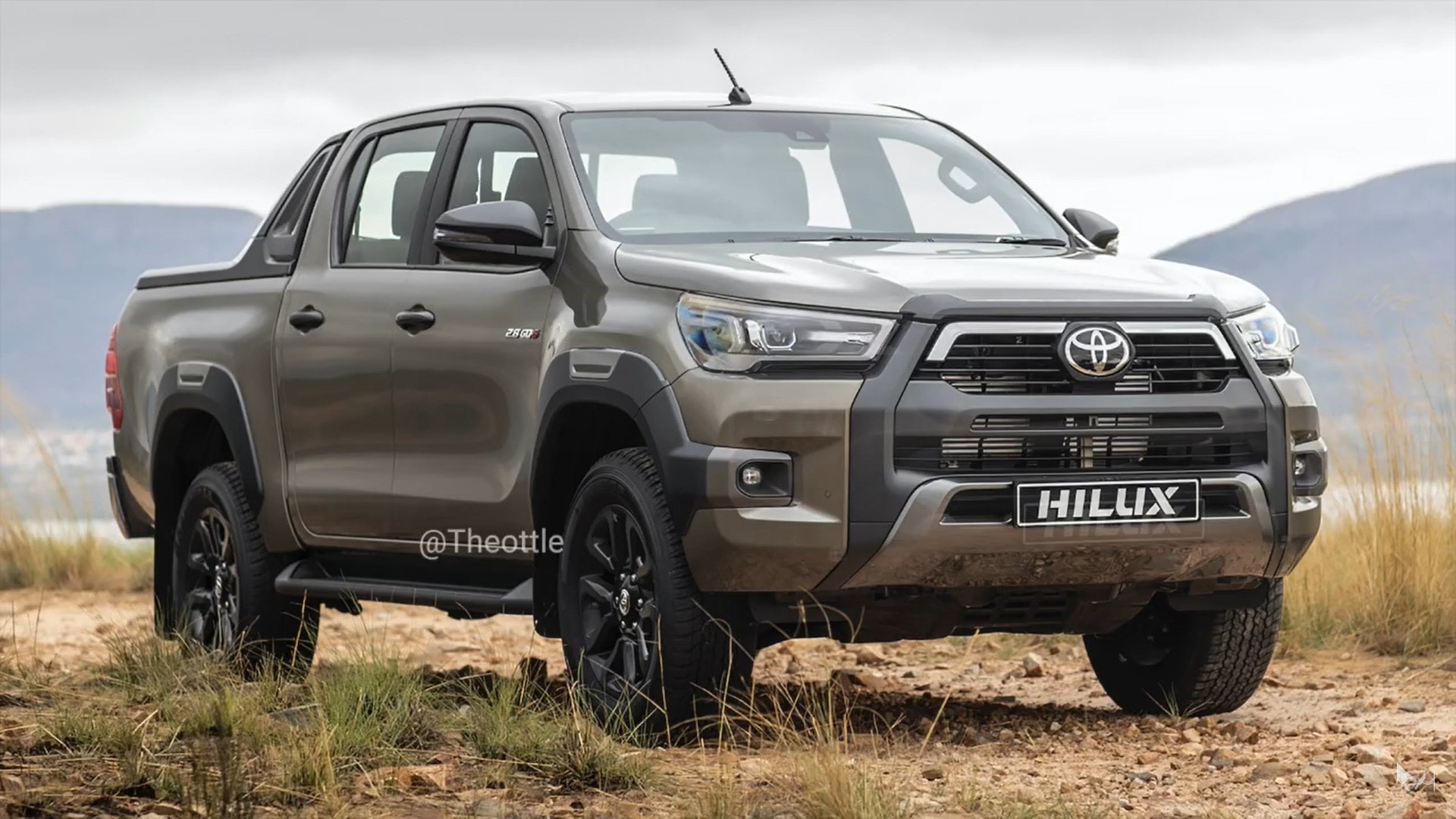
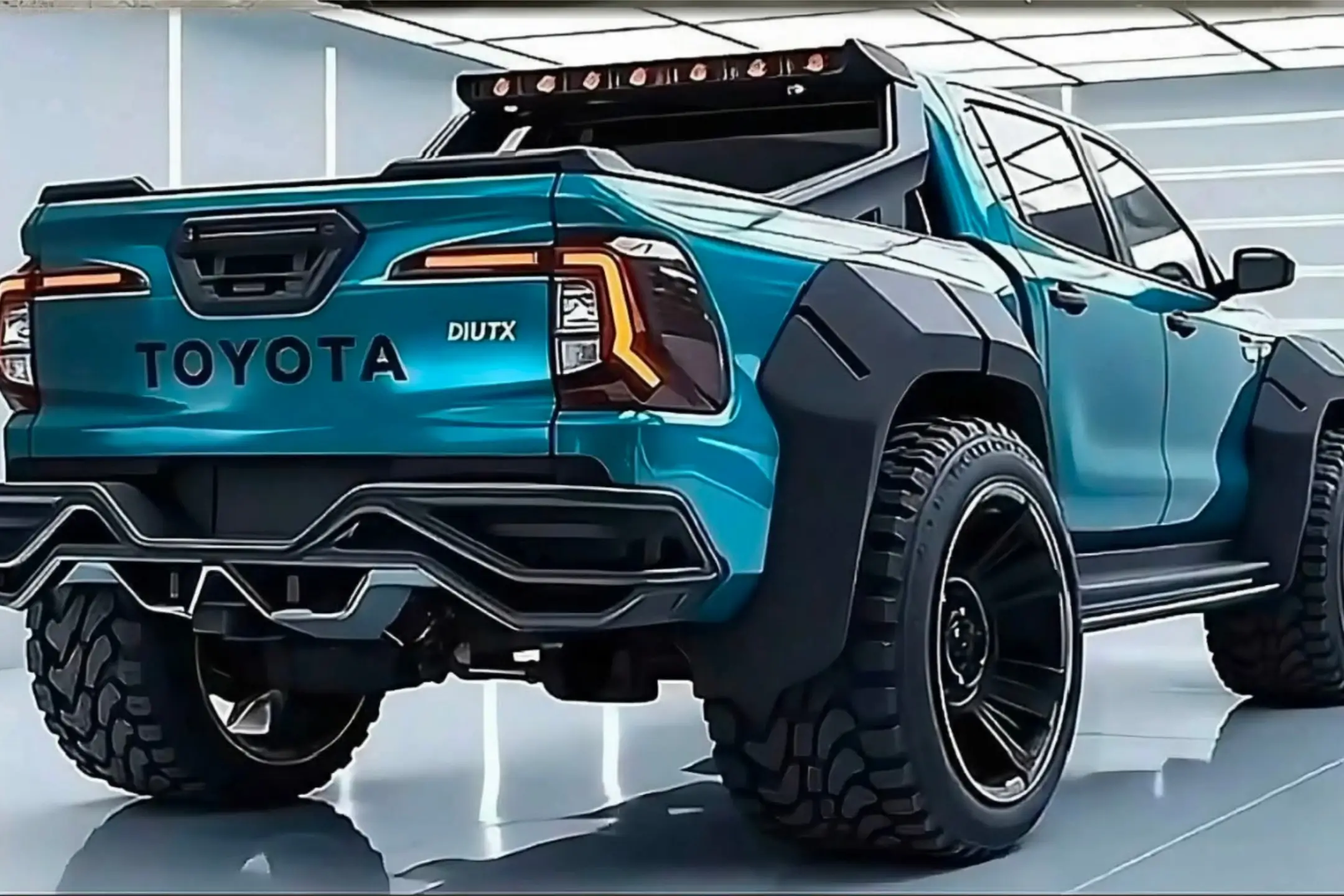
The latest renderings of the 2026 Hilux reveal a truck that’s both familiar and refreshingly different. Gone are the days of boxy, utilitarian silhouettes. The new design embraces sleek, angular lines that hint at Toyota’s modern design language, while retaining the Hilux’s signature rugged stance. The front fascia is dominated by a bold grille, flanked by sharp LED headlights that give it a menacing, almost predatory look.
Inside, the cabin is a blend of industrial toughness and contemporary comfort. Expect high-quality materials, a driver-focused cockpit, and a touchscreen infotainment system that finally catches up to American rivals. But don’t expect plush leather seats or massaging functions—this is a truck that means business. The focus is on practicality: ample storage, easy-to-clean surfaces, and a layout that prioritizes functionality over frills.
Powertrain Options: What’s Under the Hood?
One of the biggest mysteries surrounding the Hilux’s U.S. debut is its powertrain lineup. Globally, the Hilux offers a range of engines, from a punchy 2.8-liter turbo-diesel to a gutsy 4.0-liter V6. But for America, where fuel economy and emissions regulations are stringent, Toyota may need to adapt. Rumors suggest a hybrid powertrain could be in the works, combining a turbocharged four-cylinder with an electric motor for improved efficiency without sacrificing torque.
Another possibility is a turbocharged 2.4-liter inline-four, similar to the one found in the Tacoma, but tuned for higher output. Diesel enthusiasts might be disappointed—while the 2.8-liter turbodiesel is a torque monster, it struggles to meet U.S. emissions standards without costly aftertreatment systems. Regardless of the choice, the Hilux’s powertrain will likely prioritize low-end grunt over high-revving horsepower, staying true to its workhorse roots.
Off-Road Prowess: Can the Hilux Tame the American Wilderness?
If there’s one area where the Hilux shines, it’s off-road capability. The truck’s long-travel suspension, robust drivetrain, and available four-wheel-drive systems make it a formidable trail companion. Toyota has a history of equipping the Hilux with advanced off-road tech, including locking differentials, crawl control, and multi-terrain select modes. For U.S. buyers, this means tackling Moab’s slickrock, navigating the Sierra Nevada’s backcountry, or simply conquering a muddy construction site with ease.
But the Hilux’s off-road credentials aren’t just about hardware—they’re about philosophy. While American trucks focus on towing and payload, the Hilux is designed to be nimble, agile, and, above all, reliable. Its compact size (compared to full-size trucks) makes it easier to maneuver on tight trails, and its lighter weight reduces wear and tear on fragile ecosystems. For overlanders and adventure seekers, this could be a game-changer.
Towing and Payload: How Does It Stack Up Against the Competition?
Here’s where the Hilux might face its biggest challenge. In markets like Australia, the Hilux can tow up to 3.5 tons, but in the U.S., where trucks routinely haul 10,000+ pounds, that’s a non-starter. Toyota will need to beef up the frame, suspension, and cooling systems to compete with the F-150’s 13,500-pound towing capacity or the Silverado’s 13,300-pound rating.
Payload is another story. The Hilux’s compact dimensions mean it can’t match the cargo capacity of a full-size truck, but it makes up for it with clever storage solutions. Expect fold-flat rear seats, under-bed compartments, and modular cargo systems that maximize utility without sacrificing comfort. For buyers who prioritize maneuverability over sheer hauling power, the Hilux could be a refreshing alternative.
Importing the Hilux: What U.S. Buyers Need to Know
For those eager to get their hands on a Hilux before an official U.S. release, importing one is an option—but it’s not for the faint of heart. The process involves navigating complex customs regulations, emissions compliance, and safety standards. A 25-year import rule exempts older models from certain restrictions, but newer trucks must meet Federal Motor Vehicle Safety Standards (FMVSS) and EPA emissions requirements.
Buyers will also need to consider the cost of shipping, modifications, and potential voided warranties. Partnering with a reputable importer can streamline the process, but expect to pay a premium. For now, the Hilux remains a niche choice in the U.S., but as demand grows, Toyota may accelerate its plans for an official release.

Content Types for Hilux Enthusiasts: What to Expect
Whether you’re a seasoned off-roader, a prospective buyer, or simply a truck enthusiast, the Hilux offers a wealth of content to dive into. Here’s what you can look forward to:
In-Depth Reviews and First Drives
Expect comprehensive reviews that dissect every aspect of the Hilux, from its on-road manners to its off-road capabilities. First-drive impressions will highlight its strengths and weaknesses, while long-term tests will reveal its real-world reliability. Look for comparisons with rivals like the Ford Ranger, Chevrolet Colorado, and Nissan Frontier to see how it stacks up.
Buying Guides and Specifications
Navigating the Hilux’s trim levels, engine options, and pricing can be daunting. Buying guides will break down the differences between base models and high-spec variants, while specification sheets will provide hard data on towing, payload, and fuel economy. For those considering an import, step-by-step guides will walk you through the process, from sourcing a vehicle to completing the paperwork.
Off-Road and Adventure Content
The Hilux’s off-road prowess deserves its own spotlight. Expect detailed trail guides, overlanding itineraries, and build guides for customizing your truck for extreme adventures. From installing a winch to upgrading the suspension, these resources will help you transform your Hilux into the ultimate wilderness companion.
Owner Stories and Community Insights
Nothing beats learning from those who’ve already taken the plunge. Owner stories will share real-world experiences, from daily driving to epic road trips. Community forums and social media groups will connect Hilux enthusiasts, fostering a space for tips, modifications, and camaraderie.
Industry News and Future Updates
Stay ahead of the curve with the latest news on the Hilux’s U.S. launch, including official announcements, spy shots, and expert predictions. Coverage of Toyota’s electrification plans, hybrid variants, and potential collaborations (like the rumored GR Hilux) will keep you informed and excited for what’s next.
The Bottom Line: Is the Hilux Right for the U.S. Market?
The Toyota Hilux isn’t here to replace the F-150 or the Silverado—it’s here to offer something different. For buyers who value durability, off-road capability, and global pedigree over sheer size and power, the Hilux could be a breath of fresh air. Its compact dimensions, robust engineering, and adaptability make it a compelling choice for urban adventurers, overlanders, and work-site warriors alike.
Of course, the Hilux faces an uphill battle in a market dominated by full-size trucks. But if Toyota plays its cards right—by offering competitive pricing, strong hybrid options, and a robust dealer network—the Hilux could carve out a niche for itself. Whether it becomes a cult favorite or a mainstream contender remains to be seen, but one thing’s for sure: the Hilux is coming, and it’s bringing a whole new flavor to the American truck scene.
For now, the wait continues. But for those who’ve fallen in love with the idea of a truck that’s as at home on the highway as it is on the trail, the Hilux isn’t just a vehicle—it’s a promise. And promises, as we know, are meant to be kept.