In the grand automotive theater, where horsepower and torque often steal the spotlight, a quieter revolution has been unfolding. Minivans, those boxy, unassuming chariots of family logistics, have quietly outmaneuvered their sportier counterparts—SUVs—in the most critical arena of all: practicality. For decades, the debate between minivans and SUVs has simmered beneath the surface of car culture, dismissed by enthusiasts as a choice for the “practical but passionless.” Yet, beneath the surface lies a deeper truth. Minivans don’t just win on utility; they redefine the very essence of family mobility, blending efficiency with an almost architectural brilliance. They are the unsung heroes of the road, the vessels of chaos and comfort, where every seat is a throne and every door a gateway to adventure.
The allure of the SUV is undeniable. With its commanding ride height, rugged aesthetics, and the faint promise of off-road escapades, it seduces the imagination. It’s the vehicle of choice for those who crave the illusion of adventure without ever leaving the pavement. But here’s the paradox: while SUVs posture as the ultimate family haulers, they often sacrifice the very things that matter most—space, safety, and sanity. Minivans, on the other hand, embrace their utilitarian roots with a kind of rebellious elegance. They don’t just carry families; they cradle them, transforming the mundane into the extraordinary.
The Spatial Alchemy of Minivans: Where Cubic Feet Become Comfort
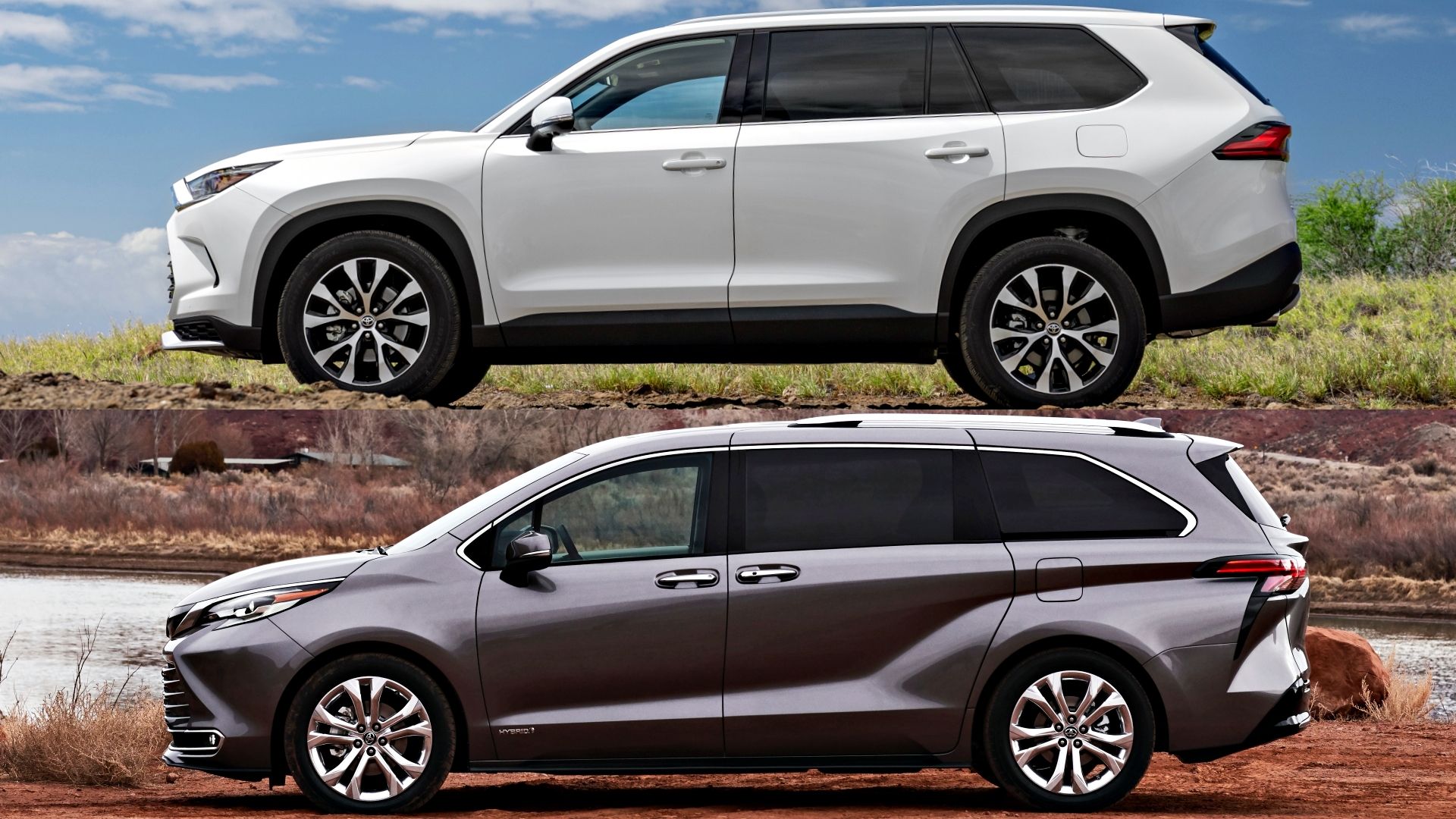
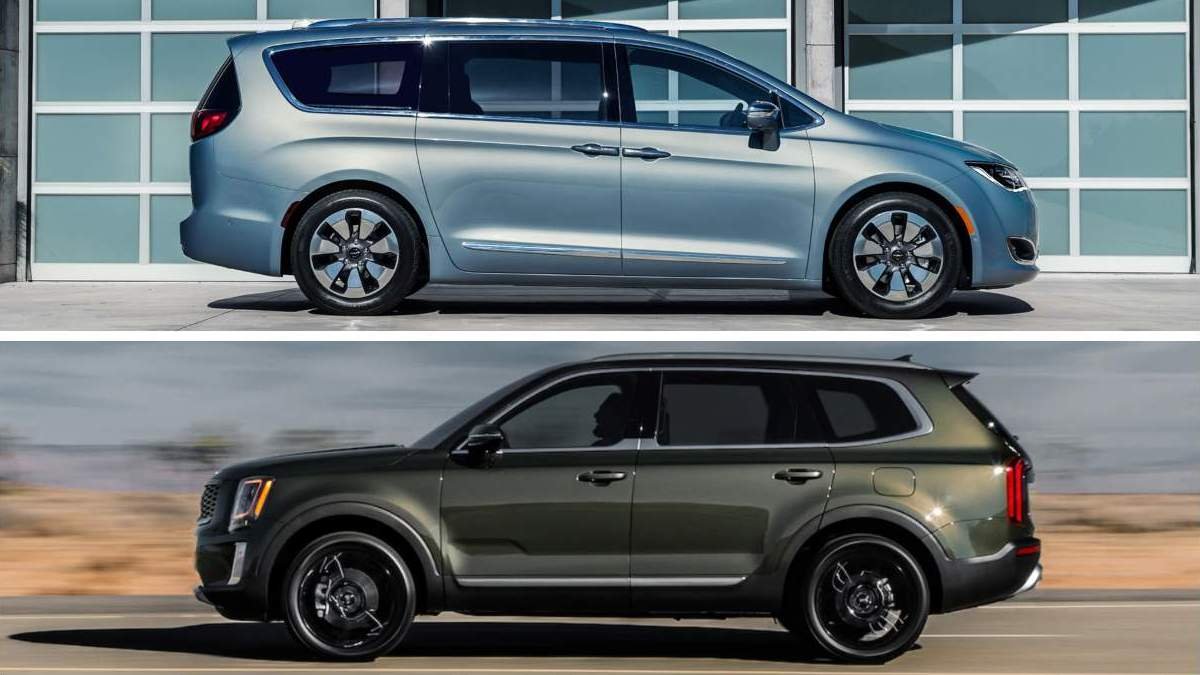
Imagine a vehicle designed by a team of architects who worshiped at the altar of ergonomics. That’s a minivan. Unlike their boxy-but-bulky SUV cousins, minivans are the result of a meticulous calculus of interior volume. The sliding doors, those marvels of lateral motion, aren’t just a convenience—they’re a lifestyle upgrade. No more contorting yourself into a pretzel while a child’s car seat blocks the rear door. No more wrestling with groceries and strollers in a cramped parking lot. The minivan’s architecture anticipates the ballet of family logistics, turning what was once a chore into a seamless glide.
Consider the seating. In an SUV, the third row is often an afterthought—a cramped, claustrophobic afterthought that turns a 10-minute drive into a penal colony for teenagers. Minivans, however, treat every passenger with dignity. The second row slides, tilts, and even folds flat, accommodating everything from a rear-facing infant seat to a sprawling teenager’s lanky limbs. And the cargo space? It’s not just a trunk; it’s a cavern. Need to haul a week’s worth of camping gear? No problem. Folding down the seats transforms the minivan into a rolling storage unit, ready to swallow everything from bicycles to bulk toilet paper without a single complaint.
The Safety Paradox: Why Minivans Outflank SUVs on the Road
There’s a common misconception that SUVs are inherently safer because of their size and ride height. But size alone doesn’t guarantee safety—it’s how that size is wielded. Minivans, with their lower center of gravity, are less prone to the dreaded rollover accidents that plague taller SUVs. Their design prioritizes stability, making them less likely to tip in a sudden swerve or a collision. And let’s not forget the sliding doors. In the event of a side-impact collision, they’re less likely to jam shut, offering a critical escape route for passengers.
Then there’s the matter of visibility. SUVs, with their towering rooflines, create blind spots that could swallow a small sedan whole. Minivans, with their expansive windows and lower seating position, offer a panoramic view of the road. Parents can keep an eye on the kids in the back without craning their necks, and the reduced blind spots make lane changes and parking maneuvers a breeze. It’s a subtle advantage, but one that turns every drive into a less stressful, more controlled experience.
And what about crash test ratings? While SUVs often score well in frontal and side-impact tests, minivans frequently outperform them in rollover resistance and overall structural integrity. The Insurance Institute for Highway Safety (IIHS) has consistently given top marks to minivans for their ability to protect occupants in a crash. It’s not just about surviving the accident; it’s about walking away unscathed.
The Fuel Economy Enigma: Minivans as the Silent Efficiency Champions
For years, the automotive industry has peddled the myth that bigger vehicles must guzzle more fuel. But minivans shatter that stereotype. Thanks to their aerodynamic profiles, lighter weight relative to their size, and advanced engine technologies, many modern minivans achieve fuel economy ratings that rival—or even surpass—those of their SUV counterparts. Take the Toyota Sienna, for example. With its hybrid powertrain, it delivers up to 36 miles per gallon on the highway, a figure that would make many compact cars blush.
SUVs, on the other hand, often sacrifice efficiency for the sake of towing capacity and off-road prowess. A full-size SUV like the Chevrolet Tahoe might tow a boat with ease, but it will also guzzle fuel like a thirsty marathon runner. Minivans, meanwhile, offer a more balanced approach. They’re not built for hauling heavy trailers, but they’re more than capable of handling the day-to-day demands of family life without demanding a second mortgage at the pump.
And let’s not overlook the environmental impact. With their superior fuel economy and lower emissions, minivans are a smarter choice for families who want to reduce their carbon footprint without sacrificing utility. They’re the vehicles of the future—not because they’re flashy, but because they’re efficient.
The Cultural Stigma: Why Minivans Still Battle the “Soccer Mom” Stereotype
Despite their undeniable advantages, minivans still carry a stigma. They’re the butt of jokes, the vehicles of choice for the “soccer mom” trope, and the punchline in countless sitcoms. But why? The answer lies in a cultural bias that equates practicality with blandness. We’ve been conditioned to believe that the best vehicles are the ones that look like they belong in a video game or a Hollywood heist. Minivans, with their unassuming silhouettes and utilitarian designs, don’t fit that mold. They’re the anti-hero of the automotive world—reliable, unpretentious, and endlessly capable, but never flashy.
Yet, this stigma is fading. As more families prioritize comfort, safety, and efficiency over flashy aesthetics, minivans are experiencing a renaissance. The rise of hybrid and electric minivans, like the Chrysler Pacifica Hybrid, proves that practicality and innovation can coexist. These vehicles are redefining what it means to be a family car, blending cutting-edge technology with the timeless virtues of space and convenience.
The Emotional Alchemy: How Minivans Turn Chaos into Comfort
There’s something deeply human about the minivan. It’s a vehicle that understands the messy, unpredictable nature of family life. It’s where spilled juice is met with a sigh rather than a scream, where a forgotten soccer cleat doesn’t derail the entire day, and where the backseat can transform into a makeshift fort at a moment’s notice. Minivans don’t just carry families; they nurture them. They’re the vessels of shared laughter, of sibling squabbles resolved mid-journey, of the quiet moments when a child falls asleep against the window, their breath fogging the glass.
SUVs, for all their rugged charm, often feel like a compromise. They’re vehicles designed for the “what ifs” of life—the hypothetical camping trips, the imagined off-road adventures. But minivans are designed for the “what is.” They’re the vehicles of the here and now, the ones that make the daily grind a little easier, a little more bearable, and a lot more joyful.
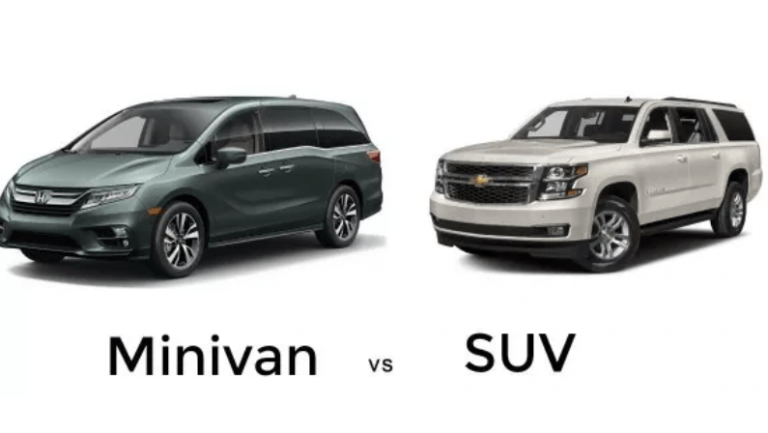
In the end, the choice between a minivan and an SUV isn’t just about practicality. It’s about philosophy. It’s about whether you value the illusion of adventure or the reality of comfort. It’s about whether you’re willing to sacrifice space for style, or whether you’d rather have a vehicle that works as hard as you do. Minivans don’t just win the family car wars—they redefine them. They’re the unsung heroes of the road, the quiet champions of the everyday, and the vehicles that prove that sometimes, the best choices are the ones that don’t scream for attention.
So the next time you find yourself debating between a minivan and an SUV, ask yourself this: What kind of journey do you want to take? The one where you’re constantly battling the limitations of your vehicle, or the one where your vehicle becomes an extension of your home, your family, and your life? The answer, for those who choose wisely, is clear. The minivan still reigns supreme.