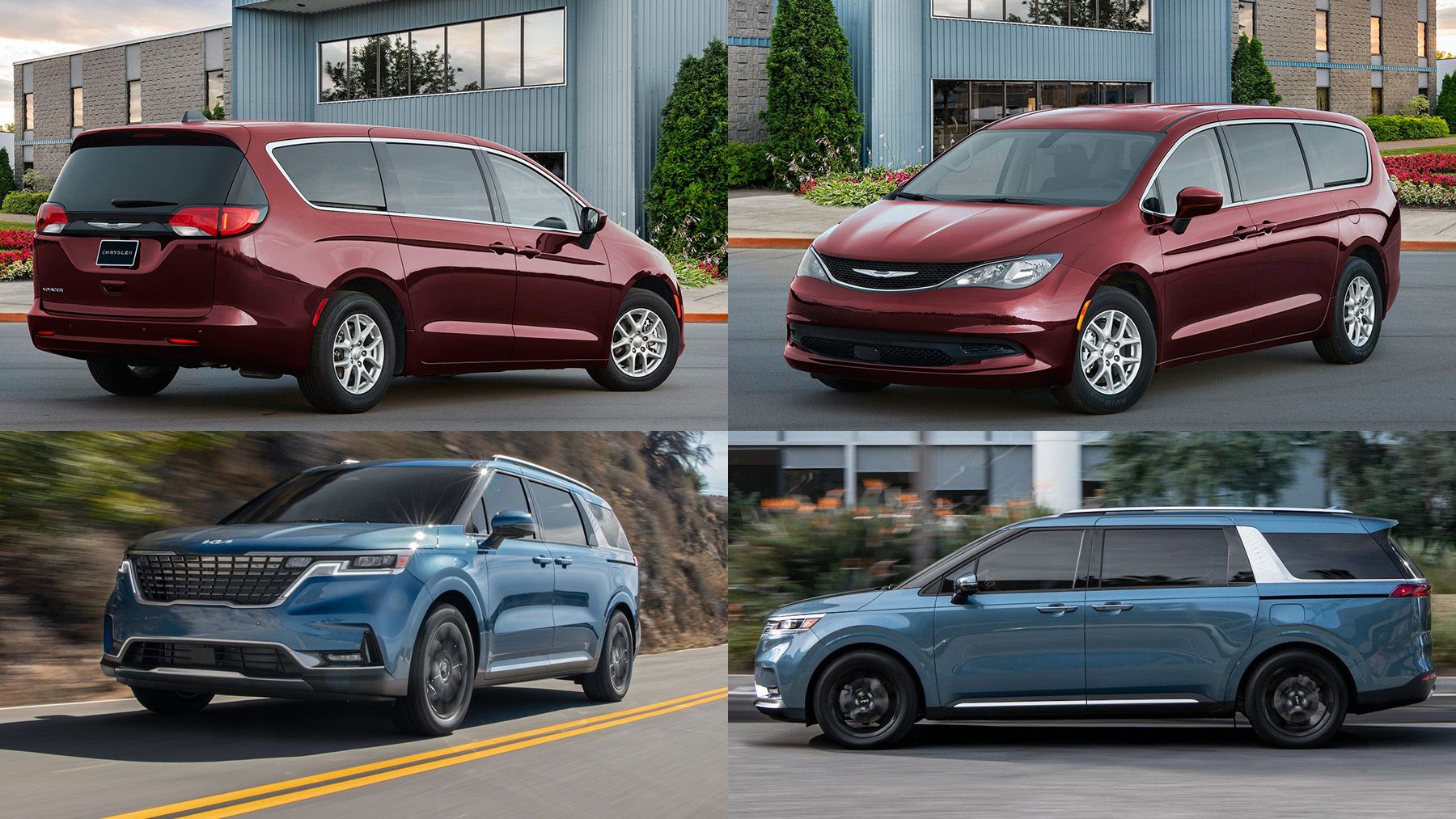
The eternal tussle between minivans and station wagons isn’t just about aesthetics or fuel efficiency—it’s a cargo capacity showdown that could redefine your family’s road trips, grocery hauls, or weekend adventures. Both vehicles boast elongated silhouettes and cavernous interiors, but their cargo-carrying prowess diverges in subtle, game-changing ways. Whether you’re a suburban parent ferrying sports gear, a DIY enthusiast transporting tools, or a pet owner navigating the chaos of leashes and carriers, understanding these differences is pivotal. Let’s dissect the cargo dynamics of minivans and station wagons to uncover which one truly reigns supreme in the realm of space, versatility, and practicality.
Before we dive into the nitty-gritty, it’s essential to recognize that cargo capacity isn’t a one-size-fits-all metric. It’s a multifaceted beast shaped by seating configurations, foldable mechanisms, and even the cleverness of storage nooks. A minivan’s cavernous hold might seem unbeatable at first glance, but a station wagon’s streamlined design could surprise you with its efficiency. The battle isn’t just about raw numbers; it’s about how those numbers translate into real-world usability. So, buckle up as we explore the intricacies of each contender, from their structural quirks to their hidden storage gems.
The Minivan: A Cargo Cathedral with Seating Flexibility
The minivan is the undisputed monarch of family-oriented transportation, a rolling fortress of space where cargo reigns supreme. Its hallmark is the sliding side door—a portal to a cavernous interior that can swallow everything from strollers to surfboards with ease. Unlike station wagons, which often prioritize sleek lines over sheer volume, minivans embrace a boxy silhouette designed to maximize every cubic inch. This isn’t just about bulk; it’s about adaptability. The hallmark second and third-row seating in minivans can be reconfigured, removed, or even folded flat in a matter of minutes, transforming the cabin into a cargo sanctuary.
Consider the Toyota Sienna or the Honda Odyssey, two titans of the minivan world. Their rear cargo areas can stretch from a modest 36 cubic feet behind the third row to a jaw-dropping 150 cubic feet when all seats are removed. That’s enough space to fit a small refrigerator or a fleet of bicycles. But the real magic lies in the details. Many minivans feature under-floor storage compartments, hidden nooks behind the third row, and even roof-mounted cargo bins for oversized items. The sliding doors aren’t just a convenience; they’re a game-changer for loading awkwardly shaped items like ladders or kayaks without contorting yourself into a pretzel.
Yet, for all their spaciousness, minivans aren’t without their trade-offs. The very features that make them cargo kings can also make them feel overly utilitarian. The high floor height, while great for hauling, can be a hassle when loading groceries or luggage. And let’s not forget the elephant in the room: minivans have a stigma. They’re often pigeonholed as “mom mobiles,” a label that can deter drivers who prioritize style or performance. But for those who value function over form, the minivan’s cargo prowess is unmatched.

The Station Wagon: Sleek Efficiency Meets Clever Storage
If the minivan is a cargo cathedral, the station wagon is a sleek, efficient vault—one that prioritizes aerodynamics and style without sacrificing practicality. Station wagons have undergone a renaissance in recent years, shedding their old-school image to become the darlings of urban adventurers and outdoor enthusiasts alike. Their elongated rooflines and extended trunks create a continuous cargo space that’s both deep and wide, often rivaling or even surpassing the cargo capacity of smaller SUVs. But where minivans excel in sheer volume, station wagons shine in versatility and ease of use.
Take the Subaru Outback or the Volvo V60, for example. These wagons boast rear cargo areas that can range from 35 to 40 cubic feet behind the rear seats, with some models offering fold-flat rear seats that expand the space to over 70 cubic feet. The beauty of a station wagon’s cargo area lies in its simplicity. Unlike minivans, which often require complex seating adjustments, wagons typically feature a single, unobstructed trunk that’s easy to load and unload. The lower floor height also makes it a breeze to slide heavy items in and out, whether it’s a week’s worth of groceries or a stack of moving boxes.
But the real advantage of station wagons is their ability to blend cargo capacity with everyday drivability. Their lower profiles and streamlined designs make them more agile on the road, and their cargo areas are often more accessible from the rear hatch than a minivan’s sliding doors. Many wagons also feature clever storage solutions, such as hidden compartments under the floor or foldable load floors that can adapt to different-sized items. And let’s not forget the towing capacity—some wagons can pull up to 3,500 pounds, making them a viable option for small trailers or lightweight campers.
Of course, station wagons aren’t without their limitations. Their cargo areas, while spacious, are often narrower than those of minivans, which can make it tricky to fit wide or oddly shaped items. The lack of sliding doors can also be a drawback when loading in tight parking spaces or when carrying multiple passengers. And while modern wagons are more stylish than ever, they still carry the baggage of being “old-fashioned” in the eyes of some buyers. But for those who prioritize a balance between cargo space and driving pleasure, the station wagon is a compelling choice.

Real-World Cargo Scenarios: Which Vehicle Wins?
To truly understand the cargo capacity battle, let’s pit minivans and station wagons against real-world scenarios. Imagine you’re preparing for a cross-country road trip with your family of five. You’ll need to pack suitcases, a cooler, a stroller, and a few bags of snacks. In a minivan, you’d likely stow the suitcases in the rear cargo area, the cooler on the floor behind the third row, and the stroller in the spacious under-floor compartment. The beauty of the minivan’s design is that everything has its place, and you can still access the front seats without rearranging your cargo.
Now, consider the same scenario in a station wagon. The rear seats would fold flat, creating a long, continuous cargo area. The suitcases would slide in easily, and the cooler could sit on the load floor. The stroller, however, might be a bit trickier to fit, especially if the wagon’s cargo area is narrower. You’d need to secure it carefully to avoid it shifting during the drive. The advantage here is that the wagon’s lower floor height makes it easier to load and unload, but the minivan’s sheer volume gives it the edge in this scenario.
What if you’re an avid camper or a DIY enthusiast? A minivan’s ability to swallow large items like tents, sleeping bags, and tools is unparalleled. The removable seats and under-floor storage make it a dream for hauling bulky gear. A station wagon, on the other hand, might struggle with wider items like a folding kayak or a set of golf clubs, unless you invest in a roof rack. The wagon’s sleek design simply isn’t optimized for the same level of cargo chaos that a minivan handles with ease.
But what if you’re a city dweller who needs to transport everything from groceries to furniture? A station wagon’s compact footprint and lower floor height make it a nimble choice for urban environments. You can easily parallel park and load items without the bulk of a minivan. The wagon’s cargo area is also more accessible from the rear hatch, which is a boon in tight parking garages. The minivan, while spacious, can feel cumbersome in tight spaces and may require more effort to maneuver.
Ultimately, the winner in these scenarios depends on your priorities. If you value sheer volume, seating flexibility, and family-friendly features, the minivan is the clear champion. But if you prefer a balance between cargo space and driving dynamics, and you need something that’s easier to park and maneuver, the station wagon is a formidable contender.
Beyond the Numbers: The Intangible Factors
While cargo capacity is a critical metric, it’s not the only factor to consider when choosing between a minivan and a station wagon. The driving experience, fuel efficiency, and even the resale value play a role in the decision-making process. Minivans, with their boxy designs, often have higher drag coefficients, which can translate to slightly worse fuel economy compared to wagons. However, modern minivans like the Chrysler Pacifica Hybrid offer hybrid powertrains that mitigate this issue, providing a greener alternative without sacrificing space.
Station wagons, on the other hand, are often more fuel-efficient due to their aerodynamic profiles. They’re also more likely to hold their value over time, especially models from brands like Subaru or Volvo, which have cultivated a loyal following. The driving experience in a wagon is typically more engaging, with better handling and a smoother ride, thanks to their car-like underpinnings. This makes them a great choice for those who want a vehicle that’s practical yet still fun to drive.
Another intangible factor is the vehicle’s adaptability to different lifestyles. Minivans are the undisputed kings of family life, with features like vacuum cleaners, built-in entertainment systems, and easy-to-clean interiors. They’re designed to make life easier for parents, with sliding doors that eliminate the need to climb over seats and ample storage for everything from diaper bags to sports equipment. Station wagons, while not as family-focused, are incredibly versatile. They’re just as capable of hauling a week’s worth of groceries as they are of fitting a bike rack for a weekend cycling adventure.
Then there’s the matter of style. Minivans have come a long way in terms of design, with models like the Kia Carnival offering sleek, modern aesthetics that challenge the “boxy” stereotype. But they still carry the baggage of their utilitarian past. Station wagons, meanwhile, have embraced a more contemporary look, with many models featuring bold lines, LED lighting, and even performance-inspired trims. For drivers who want a vehicle that turns heads as much as it hauls cargo, the wagon is the clear winner.
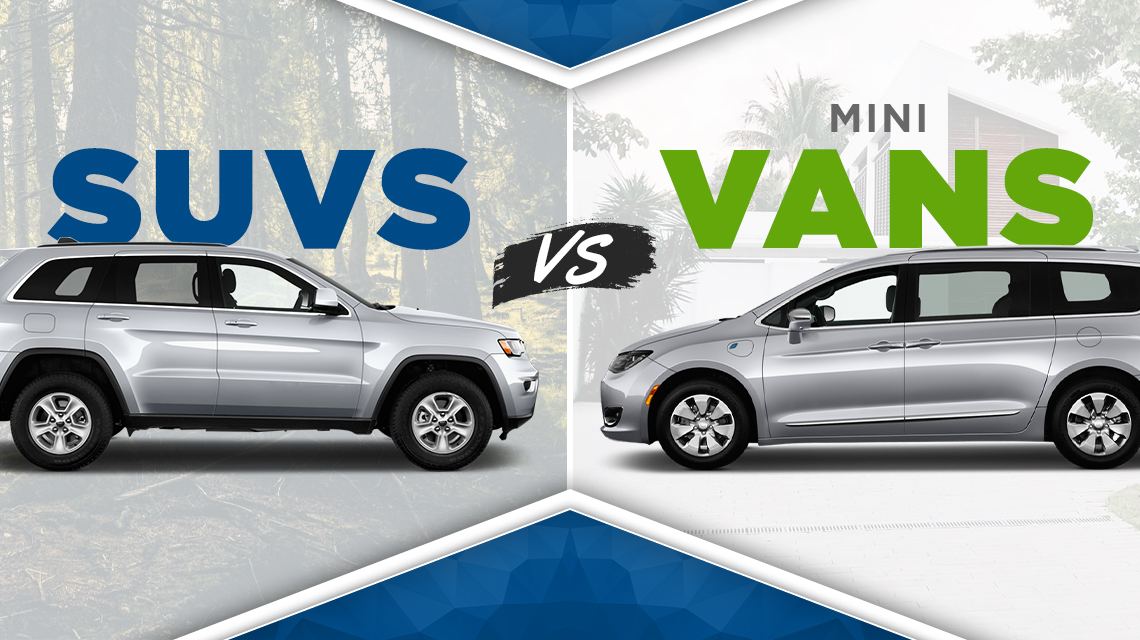
Making the Choice: Which Vehicle Suits Your Cargo Needs?
So, which vehicle should you choose? The answer hinges on your specific cargo requirements, lifestyle, and personal preferences. If you’re a parent with a growing family, a frequent road-tripper, or someone who needs to transport large, awkward items regularly, a minivan is likely the best choice. Its unparalleled cargo capacity, seating flexibility, and family-friendly features make it a standout in the practicality department. The ability to remove seats, fold them flat, or even take them out entirely ensures that you’ll never be left scrambling for space.
On the other hand, if you’re a solo adventurer, a couple looking to downsize from an SUV, or someone who values a balance between cargo space and driving pleasure, a station wagon is a fantastic option. Its sleek design, lower floor height, and nimble handling make it a joy to drive, while its cargo area is more than sufficient for everyday needs. The wagon’s versatility also makes it a great choice for those who want a vehicle that can adapt to different scenarios, whether it’s a weekend camping trip or a quick run to the hardware store.
It’s also worth considering the long-term costs. Minivans tend to depreciate faster than wagons, which can affect their resale value. However, their lower maintenance costs and higher reliability ratings often offset this. Station wagons, while more expensive upfront, can hold their value better and may offer lower insurance premiums due to their safer crash test ratings and lower theft risk.
Ultimately, the choice between a minivan and a station wagon comes down to what you value most. If cargo capacity is your top priority, and you’re willing to embrace the utilitarian nature of a minivan, then it’s the clear winner. But if you want a vehicle that blends cargo space with driving dynamics, style, and efficiency, a station wagon is the way to go. Both vehicles offer unique advantages, and the best choice is the one that aligns with your lifestyle and cargo needs.
The cargo capacity battle between minivans and station wagons isn’t about declaring a single winner—it’s about understanding which vehicle’s strengths align with your own. Whether you’re a parent, an adventurer, or a city dweller, there’s a perfect match waiting for you. The key is to weigh the pros and cons, consider your real-world needs, and choose the vehicle that will make your life easier, one cargo load at a time.