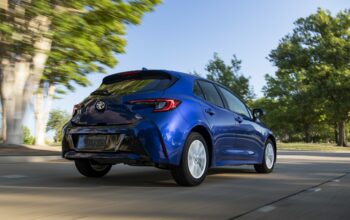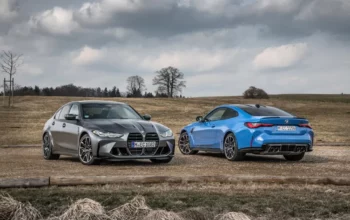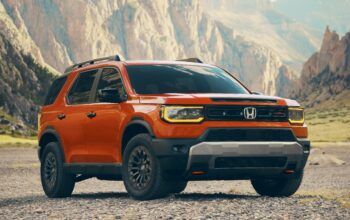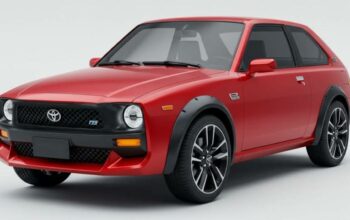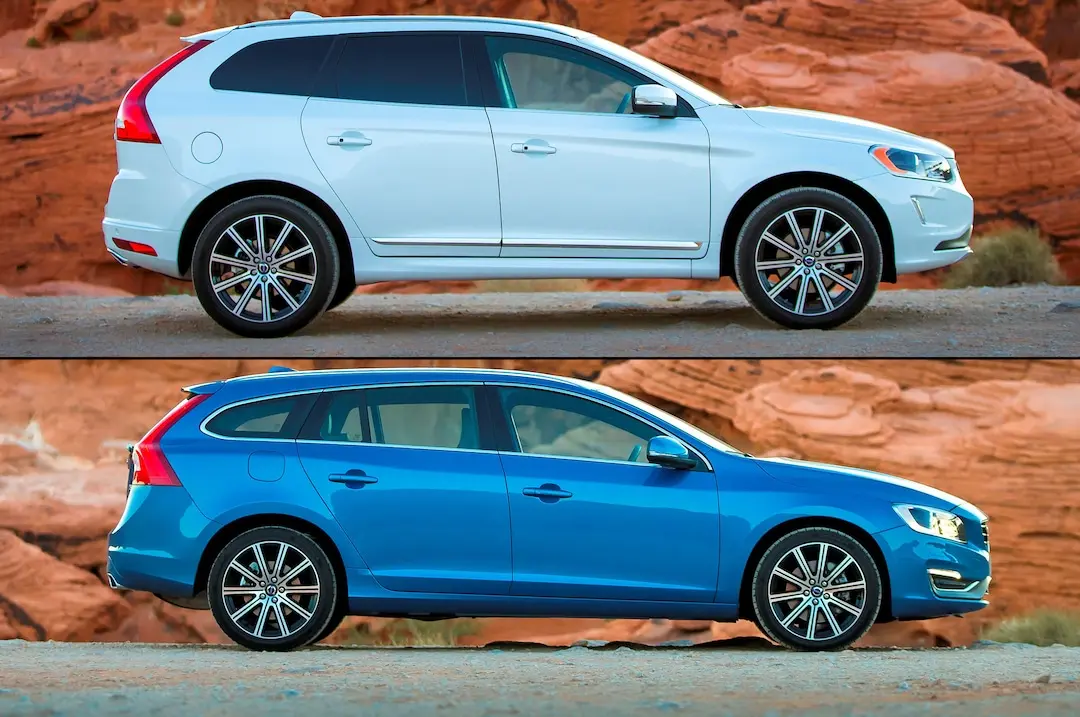
The great automotive divide isn’t between sedans and coupes, nor between hybrids and gas-guzzlers—it’s between the utilitarian behemoths we call SUVs and the elegant, understated workhorses known as wagons. As we edge closer to 2026, the debate intensifies. Should you surrender to the commanding presence of an SUV, or embrace the refined practicality of a wagon? The answer isn’t just about cargo space or ground clearance—it’s about lifestyle, efficiency, and a kind of automotive poetry that only wagons can deliver.
Imagine gliding down a tree-lined boulevard in a wagon that whispers rather than roars, its roofline slicing through the air like a knife through silk. The driver sits lower, closer to the road, feeling every nuance of the tarmac. Contrast that with the SUV’s towering silhouette, a rolling fortress that turns every parking lot into a climb and every gas station into a mountain expedition. The choice isn’t just functional—it’s existential. Are you building a monument to dominance, or crafting a symphony of subtlety? Let’s explore why, in 2026, a wagon might just be the smarter, sexier, and more soulful choice.
The Allure of the Low and the Lean: Why Wagon Driving Feels Like Flying
There’s a visceral thrill in driving a wagon that SUVs simply can’t replicate. The lowered center of gravity transforms handling into a ballet of precision. Corners are taken with surgical grace, body roll minimized, and the driver gains an almost telepathic connection with the road. It’s not just about speed—it’s about the way the car responds to your slightest input, as if the asphalt and the vehicle have entered into a silent, synchronized dance.
Wagons also excel in aerodynamics. Their sleek profiles slice through wind resistance with ease, translating into better fuel efficiency and a quieter cabin. In an era where every decibel matters, the wagon’s hushed interior becomes a sanctuary. You’re not just commuting—you’re gliding, cocooned in a bubble of refined tranquility. And let’s not forget the driving position: lower, more engaged, and far more connected to the road than the perched, almost detached feel of an SUV.
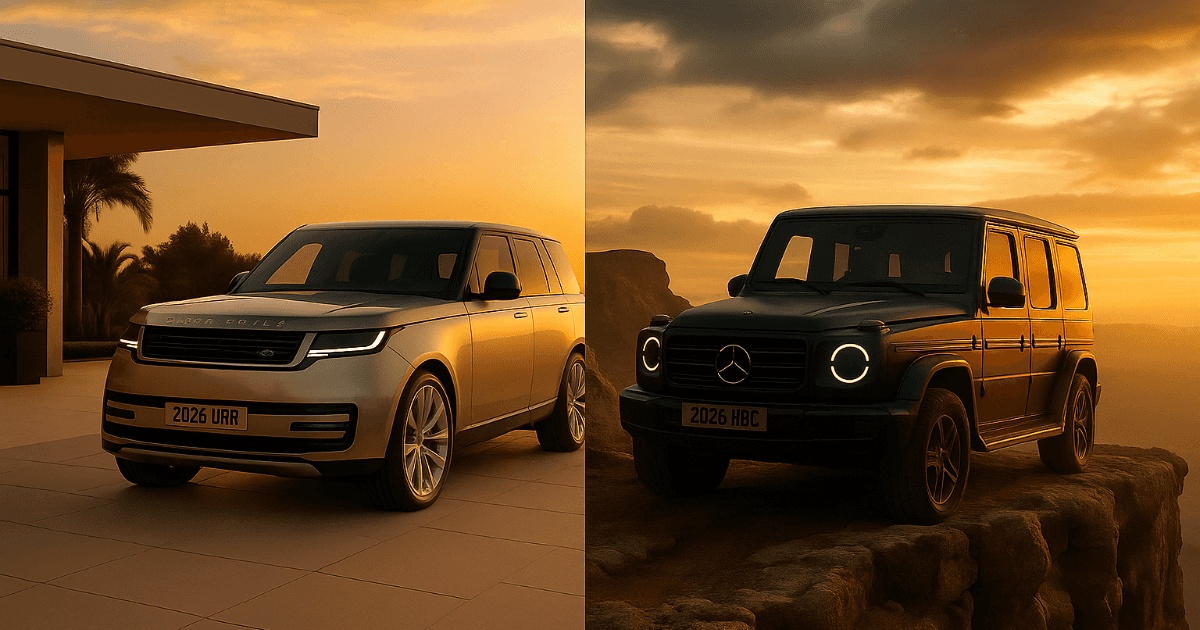
Cargo Space Without the Clunk: The Wagon’s Secret Weapon
SUVs may boast cavernous cargo areas, but they come with a trade-off: bulk, weight, and often, a cargo bay that’s more cumbersome than convenient. Wagons, on the other hand, offer a different kind of practicality. Their elongated rooflines and fold-flat rear seats create a long, continuous load space that’s perfect for everything from skis to suitcases to a weekend’s worth of groceries. No lifting required—just slide and go.
And here’s the kicker: wagons often have lower load heights, making it easier to lift heavy items without straining your back. No more wrestling with a yoga mat or a stroller over a towering SUV tailgate. The wagon’s design is intuitive, ergonomic, and surprisingly spacious when you need it most. It’s the kind of practicality that doesn’t scream “I’m a utility vehicle”—it just works, elegantly and without fanfare.
Efficiency Meets Elegance: The Wagon’s Undeniable Advantage
In a world obsessed with power and presence, wagons quietly outperform SUVs in the most critical categories: fuel economy, emissions, and long-term cost of ownership. Their lighter frames and aerodynamic profiles mean fewer trips to the pump and a smaller carbon footprint. For the eco-conscious driver, the wagon is a statement—a choice that says, “I value efficiency without sacrificing style.”
But it’s not just about the numbers. The wagon’s understated design allows it to blend seamlessly into urban and suburban landscapes. Park it next to a luxury sedan, and it doesn’t look out of place. Park it next to an SUV, and it feels like the grown-up in the room—refined, purposeful, and timeless. In an era where excess is the default, the wagon’s restraint is refreshing.
The Emotional Appeal: Why Wagons Feel Like Home
There’s something deeply personal about a wagon. It’s the car of choice for road trips, family adventures, and quiet Sunday drives. It’s the vehicle that carries your memories without demanding attention. The SUV, by contrast, often feels like a statement—a declaration of power, of status, of “look at me.” The wagon, though? It’s the car that feels like an extension of yourself.
Consider the way a wagon handles in inclement weather. The lower center of gravity reduces the risk of rollovers, and the longer wheelbase provides stability. Yet, it doesn’t sacrifice the agility that makes driving enjoyable. It’s the perfect blend of safety and soul—a car that keeps you secure without making you feel like you’re piloting a tank.
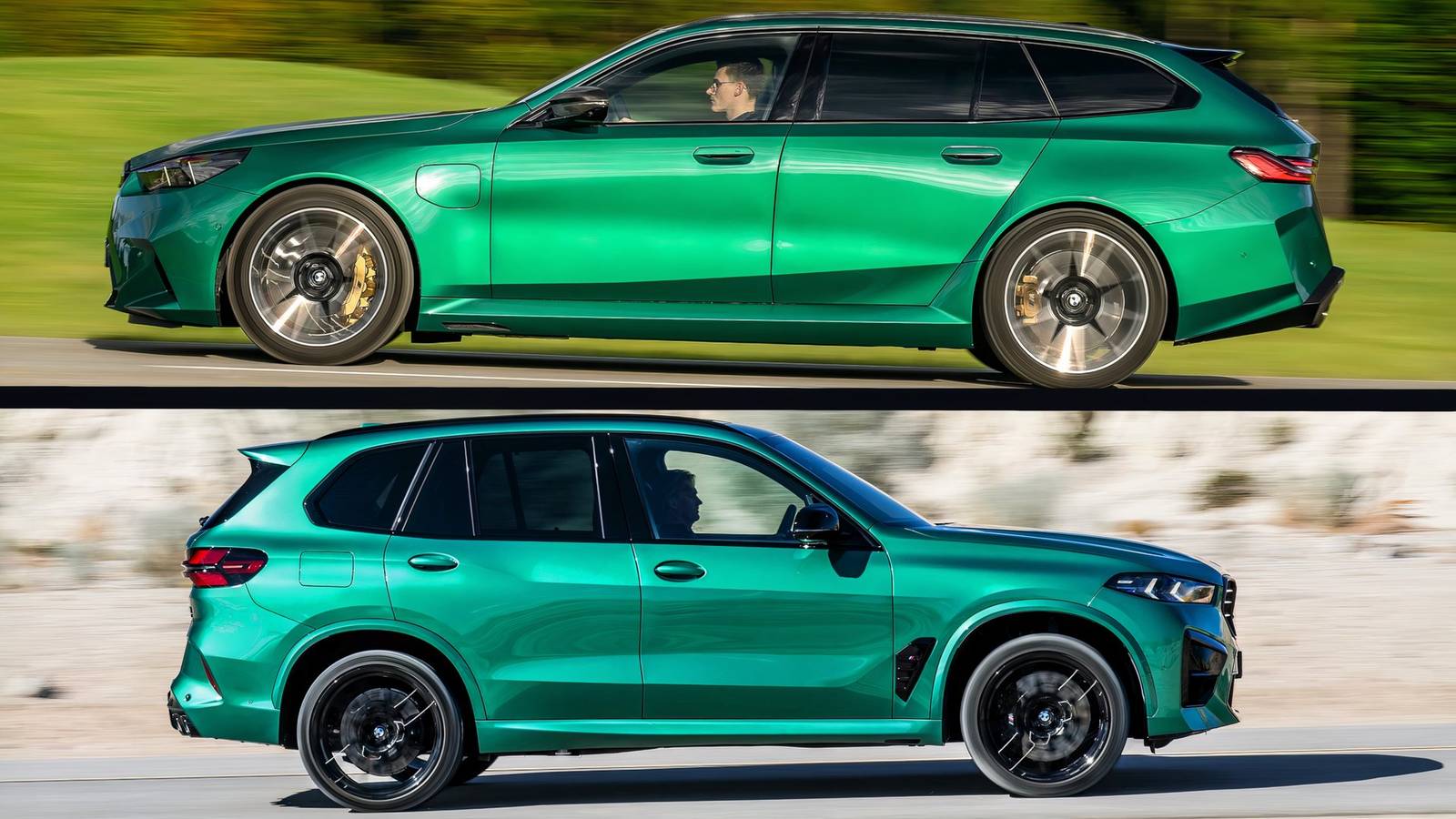
Urban Jungle vs. Open Road: Where Does the Wagon Thrive?
In the city, the wagon is a nimble contender. Its compact footprint makes parking a breeze, and its efficient engine ensures you’re not draining your wallet at every stoplight. But it’s on the open road where the wagon truly shines. Long stretches of highway become a joyride, the car hugging the curves with precision and the cabin remaining whisper-quiet. The SUV might dominate the skyline, but the wagon dominates the drive.
And let’s talk about resale value. Wagons, particularly those from premium brands, often hold their value better than their SUV counterparts. Why? Because they appeal to a discerning audience—drivers who appreciate craftsmanship, efficiency, and a driving experience that’s as rewarding as it is practical. The wagon isn’t a trend; it’s a timeless choice for those who value substance over spectacle.
The Future of the Wagon: Innovation Meets Tradition
As we look ahead to 2026, wagons are undergoing a renaissance. Electric powertrains are slotting seamlessly into their sleek designs, offering instant torque and zero emissions without compromising range. Automakers are reimagining the wagon as a vehicle for the modern age—one that’s as capable off the beaten path as it is elegant in the city. All-wheel drive, adaptive suspension, and advanced driver-assistance systems are becoming standard, proving that the wagon can be both cutting-edge and classic.
Even in the realm of performance, wagons are making waves. Hot hatches and performance wagons are blurring the lines between practicality and power, offering acceleration that rivals sports cars and handling that puts SUVs to shame. The message is clear: the wagon isn’t just a relic of the past—it’s a vehicle for the future.
Final Thoughts: The Wagon’s Quiet Revolution
So, why choose a wagon in 2026? Because it’s the car that understands you. It’s the vehicle that balances practicality with passion, efficiency with elegance, and power with poise. It’s the choice for those who drive not just to arrive, but to savor the journey. The SUV may command attention, but the wagon commands respect.
In a world that often prioritizes size over substance, the wagon stands as a testament to the beauty of restraint. It’s the car that doesn’t need to shout to be heard. It’s the vehicle that turns every drive into an experience—one that’s as rewarding for the soul as it is for the senses. So, the next time you’re faced with the SUV vs. wagon dilemma, ask yourself: Do you want to tower over the road, or dance upon it? The answer, perhaps, is already in the way you drive.