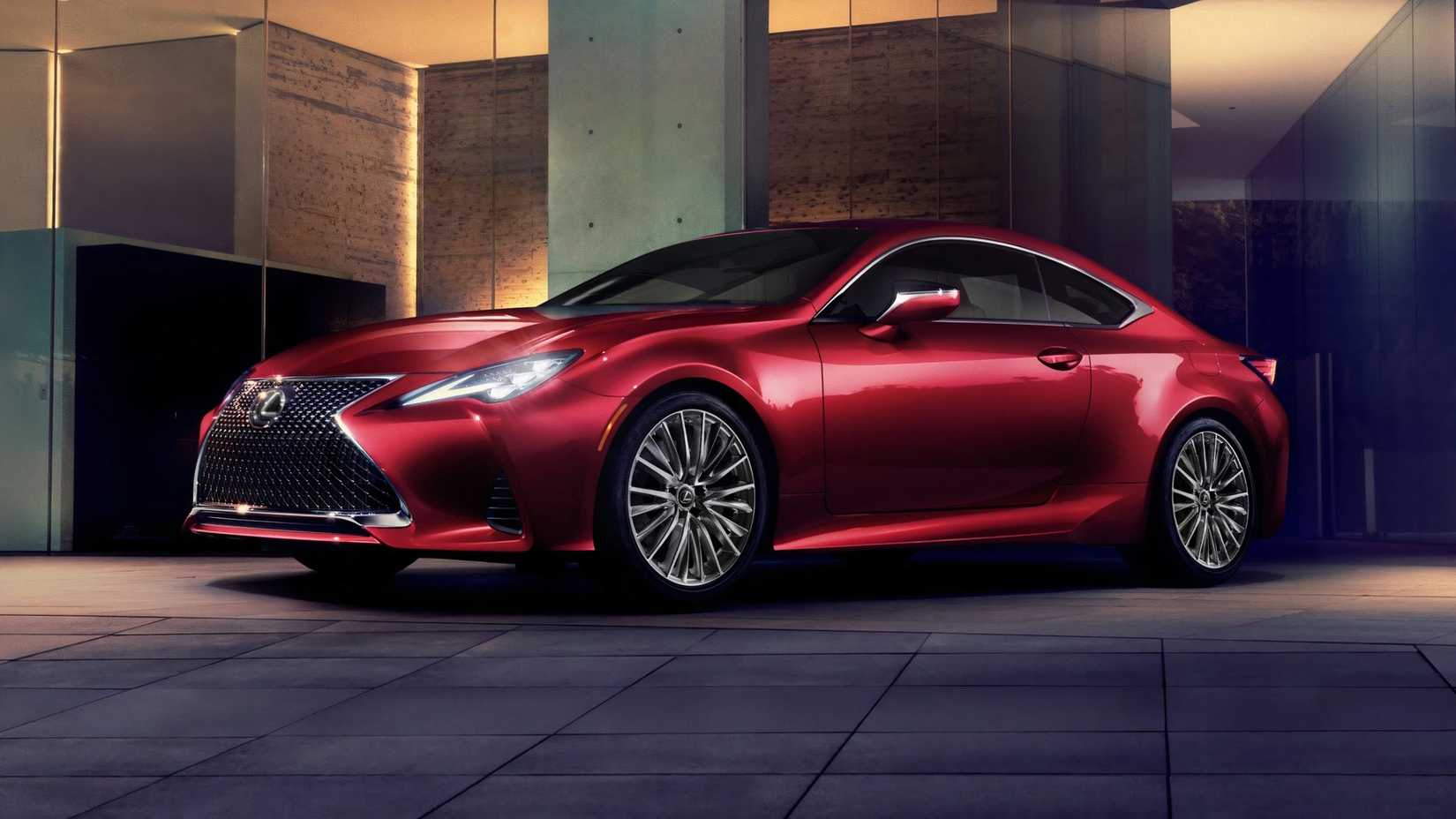
The Lexus RC isn’t just a car—it’s a defiant ode to an era slipping into the rearview. In a world where forced induction has become the gospel of performance, the RC’s naturally aspirated V6 growls like a lion in a library of turbocharged whispers. This is the last stand of a breed: the unapologetic, analog thrill of a free-revving engine, where every piston’s stroke is a symphony and every shift of the gear lever feels like a rebellion against the march of progress. For enthusiasts who still believe in the tactile communion between driver and machine, the Lexus RC is not merely a choice—it’s a pilgrimage.
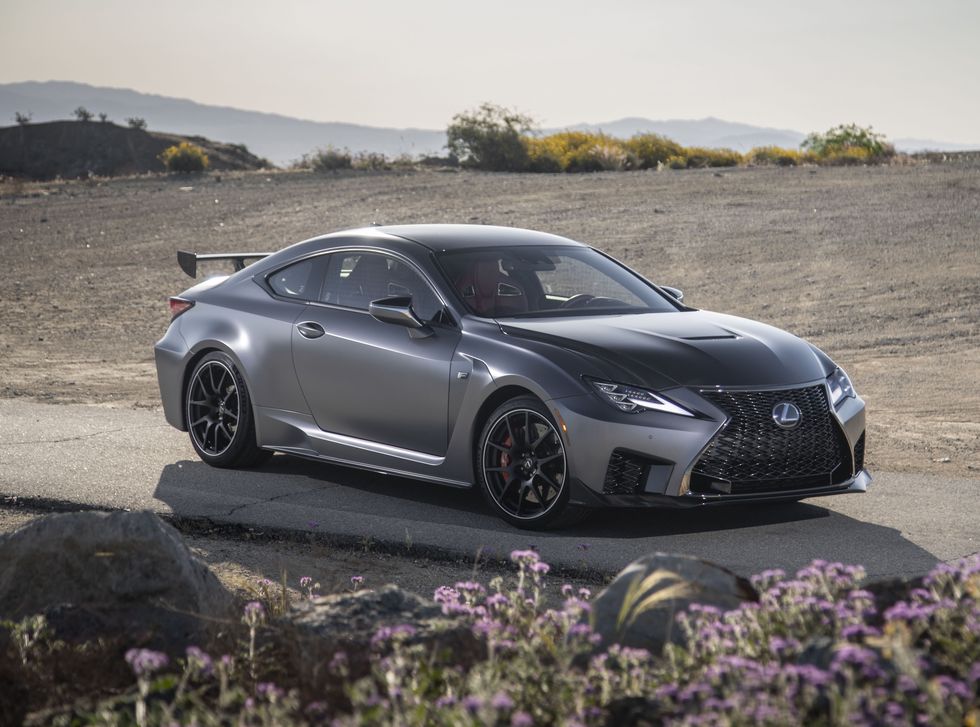
The Lexus RC F, in particular, stands as a temple to the purist’s creed. Beneath its sleek, coupé silhouette lies a 5.0-liter V8 (in the RC F) or a 3.5-liter twin-turbo V6 (in the RC 350), but it’s the naturally aspirated variants that command our deepest reverence. These engines are not just powerplants; they are mechanical poems, their exhaust notes a sonnet of mechanical harmony that no turbocharger’s hiss could ever replicate. To drive one is to experience the visceral poetry of internal combustion in its most unadulterated form.
The Engine: A Symphony of Pistons and Precision
The heart of the naturally aspirated Lexus RC lies in its V6 powerplant, a masterpiece of balance and refinement. In the RC 300, the 2GR-FKS 3.5-liter V6 churns out 298 horsepower and 255 lb-ft of torque, a figure that belies the engine’s true character. This isn’t about raw numbers; it’s about the way the V6 sings at 7,000 RPM, the way the tachometer needle dances with purpose, and the way the exhaust note crescendos into a baritone roar that vibrates through the cabin. The naturally aspirated V6 is a lesson in linear power delivery, where torque arrives not in a sudden rush but in a steady, relentless tide.
Compare this to its turbocharged counterparts, and the difference is stark. Turbochargers add layers of complexity, efficiency, and headline-grabbing power, but they also introduce lag, heat, and a certain clinical detachment from the driving experience. The naturally aspirated V6, by contrast, is immediate. It responds to the throttle with the alacrity of a thoroughbred, its power unfettered by the whims of forced induction. The result is a driving experience that feels alive, organic, and deeply personal.
The Driving Experience: Where Every Nuance Matters
To slide into the driver’s seat of a naturally aspirated Lexus RC is to enter a sanctuary of sensory overload. The cabin is a cocoon of premium materials, where Alcantara-clad seats cradle you in grip-enhancing comfort, and the steering wheel—wrapped in perforated leather—becomes an extension of your hands. The gear shifter, with its short, precise throws, is a tactile delight, each movement a deliberate conversation between driver and machine.
The driving dynamics are equally intoxicating. The RC’s suspension is tuned for a balance of comfort and sportiness, absorbing bumps with aplomb while offering enough rigidity to keep the chassis composed during spirited cornering. The rear-wheel-drive layout ensures that the car’s personality is front and center, with a slight oversteer on exit that rewards skilled drivers and humbles the reckless. The steering, while not as communicative as a purist’s analog masterpiece, still offers a satisfying weight and feedback that makes every turn a deliberate act of engagement.
But it’s the engine’s voice that truly sets the RC apart. At idle, it purrs like a contented feline, a low rumble that hints at the power lurking beneath. At full throttle, it erupts into a symphony of mechanical cacophony, a wall of sound that drowns out the world and leaves only the driver and the road. This is the kind of sensory immersion that modern cars, with their silent electric propulsion and turbocharged whines, can only dream of.
The Design: A Coupé That Commands Attention
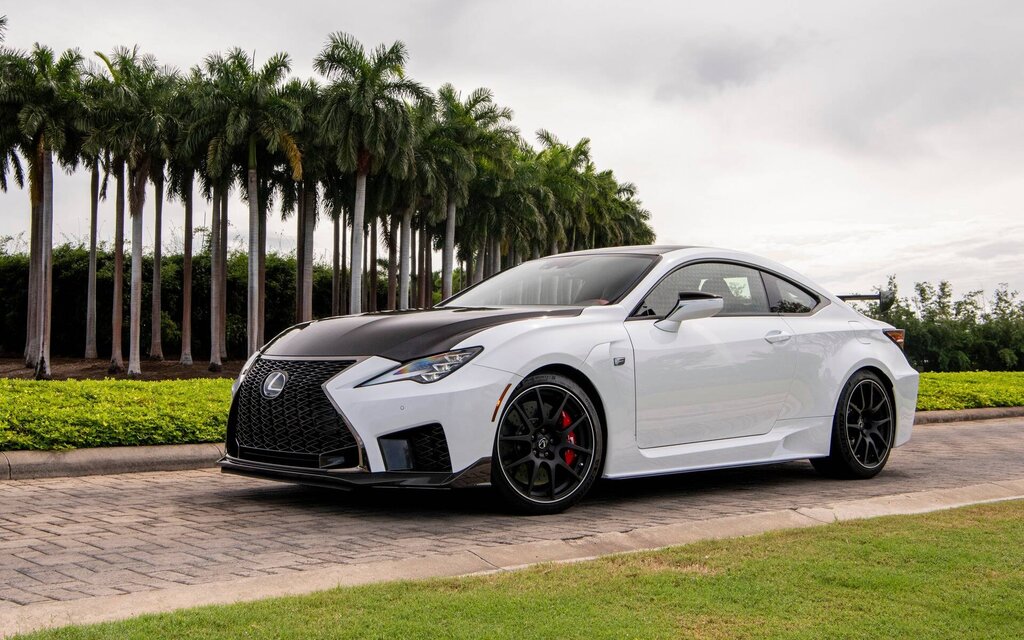
The Lexus RC is a study in understated aggression. Its design language is a masterclass in blending elegance with menace, where every line and crease serves a purpose. The long hood, short deck proportions are classic coupé tropes, but the RC’s interpretation is uniquely Lexus—sophisticated, yet unmistakably athletic. The spindle grille, a signature of the brand, dominates the front fascia, flanked by sharp, angular headlights that give the car a piercing gaze.
The side profile is where the RC’s character truly shines. The fastback roofline flows seamlessly into the truncated rear deck, creating a silhouette that’s both timeless and contemporary. The character lines that run along the flanks are subtle but purposeful, adding depth and dynamism to the car’s appearance. The rear, with its truncated trunk and LED taillights, is a study in minimalism, where less is undeniably more.
Inside, the cabin is a temple of Japanese craftsmanship. The dashboard curves gently toward the driver, creating an intimate cockpit feel. The infotainment system, while not as flashy as some of its European rivals, is intuitive and responsive, with a touchpad that allows for precise input. The materials are sumptuous—soft-touch plastics, aluminum accents, and optional leather upholstery that envelops the senses. It’s a space designed for those who appreciate the finer things in life, where every detail is a testament to Lexus’s commitment to quality.
The Legacy: A Last Stand for the Analog Enthusiast
The Lexus RC is more than just a car; it’s a statement. In an era where performance is increasingly defined by digital overlays and algorithmic efficiency, the RC stands as a defiant reminder of what driving used to be—and what it can still be. It’s a car for those who believe that the best driving experiences are those that engage all five senses, where the driver is not just a passenger but an active participant in the symphony of motion.
The naturally aspirated V6 is a dying breed, a relic of a time when engines were judged not just by their power output but by the way they made the driver feel. The RC’s V6 is a last stand for this philosophy, a final hurrah for the analog purist. It’s a car that demands to be driven, not just piloted—a machine that rewards skill, patience, and a deep appreciation for the art of driving.
For those who own a Lexus RC, it’s not just a car; it’s a companion. It’s a car that understands the driver’s moods, that responds to their touch, and that becomes an extension of their will. It’s a car that doesn’t just transport you from point A to point B but elevates the journey into an experience.
The Future: Will the Naturally Aspirated V6 Survive?
The future of the naturally aspirated V6 is uncertain. Emissions regulations, fuel efficiency mandates, and the relentless march of electrification threaten to render these engines obsolete. But for those who still believe in the purity of internal combustion, the Lexus RC is a beacon of hope—a reminder that there are still places where the analog spirit thrives.
Lexus has already taken steps to ensure the RC’s legacy, with the introduction of hybrid variants that offer a compromise between performance and efficiency. But for the purists, these are mere shadows of the real thing. The naturally aspirated V6 is a creature of habit, a relic of a time when driving was about more than just getting from A to B. It’s a reminder that sometimes, the best things in life are the ones that can’t be quantified by horsepower or torque figures alone.
The Lexus RC is a car that doesn’t just drive—it performs. It doesn’t just transport—it engages. It doesn’t just exist—it endures. And for those who understand its value, it’s a car that will never go out of style.
The naturally aspirated V6 may be a dying breed, but in the Lexus RC, it finds its last stand—a final, defiant flourish of mechanical poetry in a world that’s increasingly defined by silence and efficiency. For enthusiasts, it’s not just a car; it’s a love letter to the art of driving. And that’s a legacy worth preserving.