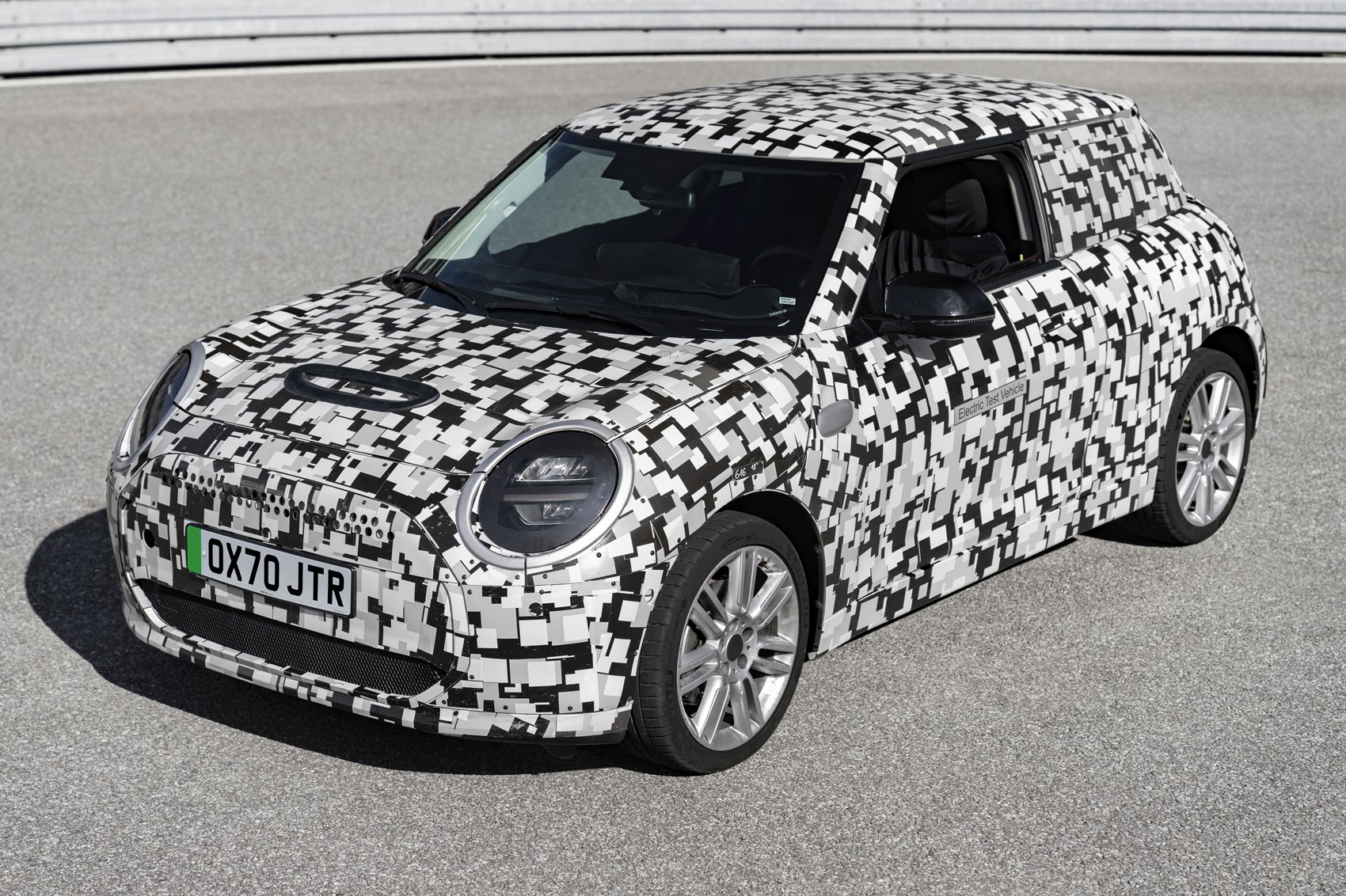
The year 2026 arrives with a familiar face and a thoroughly unfamiliar soul. The 2026 Mini Cooper Electric doesn’t merely swap an engine for a battery; it remixes the whole driving atmosphere. Think: compact proportions, kart-like agility, and that instantly recognizable Mini personality—now powered by electricity. If you’ve been craving an EV that feels less like a compromise and more like a clever upgrade, this hatchback wants to make the case with confidence, charm, and a few delightful surprises.
In this review, you’ll find what to expect from daily commuting, how it behaves on twisty roads, what the cabin experience feels like, and where the practicality genuinely lands. Along the way, we’ll also map the ownership realities: charging, range nuance, tech usability, and the fine print that matters when life gets busy. Let’s step into the driver’s seat.
First Impressions: A Small Car With Big Character
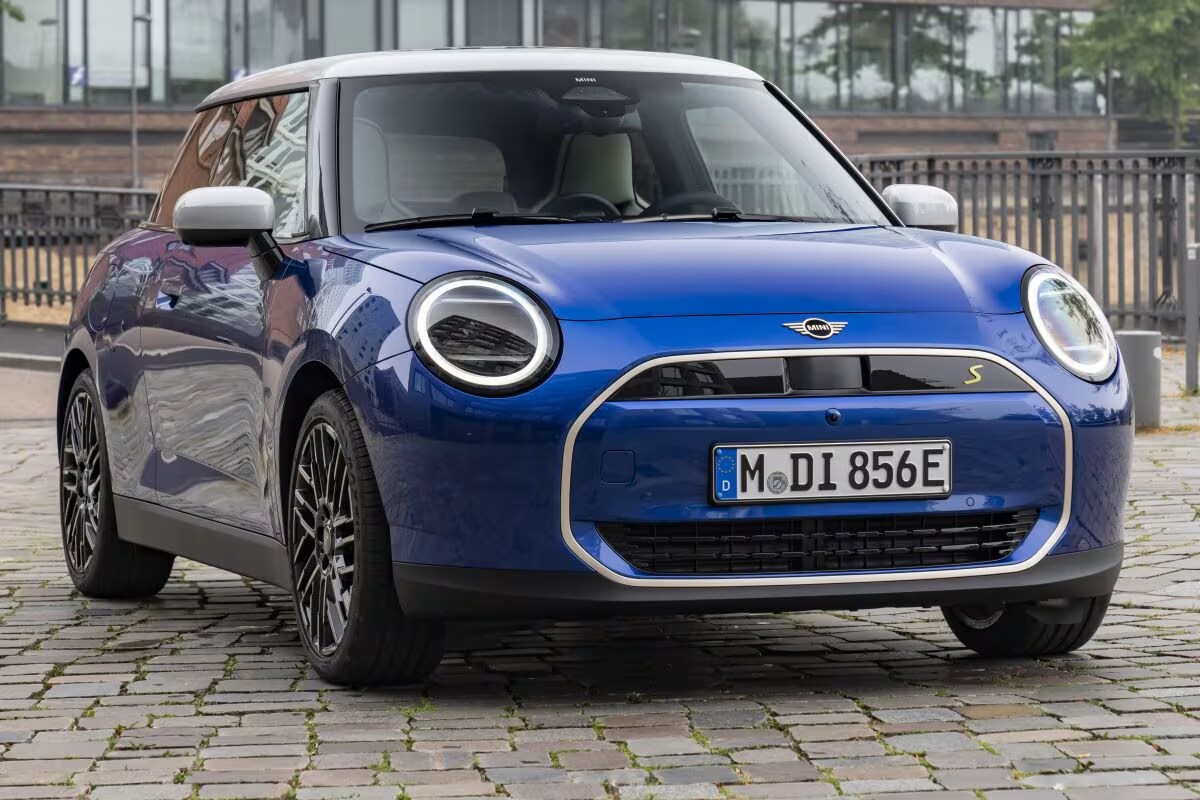
From the outside, the Mini Cooper Electric is all about compact theatre. The stance looks purposeful rather than merely cute. Short overhangs. Confident surfacing. A silhouette that seems to say, “Yes, I’m small—no, you won’t underestimate me.” The hatch format keeps things versatile without turning the body into a giant appliance.
It’s worth noting how design language translates into real-world visibility. A compact footprint tends to help with parking stress and urban navigation. You’re less likely to do that last-minute “should I squeeze?” dance in tight garages or crowded lots. Mini’s proportions are engineered for the kind of everyday choreography cities demand.

Platform Feel: Steering, Chassis Balance, and City Agility
Mini’s brilliance has always been its ability to make small cars feel alive. Electrification changes the torque delivery, and that alters the sensation at the wheel. Instead of waiting for revs to climb, the car offers instantaneous response—often with a subtle, grin-inducing push when you press the pedal.
In city conditions, that means smoother starts and fewer awkward transitions at low speeds. Many drivers will notice how clean the car feels during creeping traffic. The steering tends to communicate clearly, so you don’t feel detached from the front tires. Short turns can feel oddly satisfying, like the car is interpreting your intent before you fully finish the thought.
On curvier roads, the narrative becomes even more interesting. Electric torque can tempt you into drama. The trick is to use it well. When you do, the chassis shows its talent: composed body motion, predictable grip, and an athletic sense of direction. The Mini ethos—agile, playful, and confidently tight—still shines through.
Powertrain Personality: How the Electric Drive Actually Feels
EVs can be categorized by how they deliver acceleration, and the Cooper Electric leans toward immediacy. The power band isn’t a band so much as a constant availability. That’s both convenient and exhilarating. You don’t need to downshift in the old-school sense; instead, you manage momentum with throttle finesse.
The most satisfying moments usually arrive during overtakes and merging maneuvers. A quick squeeze can produce a decisive surge without the theatrics of a traditional powertrain. Yet it’s not always about maximum punch. The best drivers will appreciate how controllable the torque feels when you’re cruising, entering roundabouts, or adjusting speed for traffic flow.
There’s also an auditory difference that affects perception. Electric drivetrains are typically quieter, and that shifts your awareness toward tires, wind, and road texture. In a Mini, that can feel surprisingly “connected,” as if you’re reading the pavement with your fingertips.
Driving Modes and Regen: Mastering Energy Without Feeling Like a Project
One of the quiet superpowers of modern EVs is regenerative braking. The Cooper Electric is designed to help drivers recapture energy while remaining in control. Regen can be adjusted to match your driving style—whether you prefer one-pedal deceleration for efficiency or a more traditional coast-and-brake rhythm.
What matters in the real world is whether the system feels intuitive. A good regen calibration reduces friction on the commute. It makes stop-and-go driving less exhausting, because you can modulate speed smoothly without constantly stepping on the brake pedal.
If you’re curious about efficiency, regen also becomes a tool for tailoring your range. Think of it as invisible steering for your battery. The car encourages mindful driving without turning you into an efficiency monk.
Range in Context: Estimating Real Life, Not Just the Paper Figure
Range claims are always best treated like forecasts—useful, but never gospel. The 2026 Mini Cooper Electric’s real-world distance depends on speed, weather, terrain, and even how enthusiastically you approach every green light.
In urban driving, EV range often looks more impressive because regenerative braking and lower sustained speeds help stabilize consumption. Highway driving can change the equation. Higher aerodynamic loads and continuous cruising can increase energy draw.
Weather is another wildcard. Cold temperatures can reduce battery efficiency, especially when heating the cabin. The good news is that modern EVs often include heat-management features that try to keep you comfortable while staying relatively efficient.
In short: expect range to vary. But also expect the car to be honest about it. That honesty helps planning—whether you’re commuting 20 minutes each way or taking a weekend detour.
Charging Experience: From Home Comfort to Road-Trip Reality
Charging is where EV ownership either feels elegant or feels like a recurring inconvenience. At home, the Cooper Electric likely shines. Overnight charging offers a calm, predictable routine. Waking up to a ready-to-go battery removes most friction from daily life.
On the road, the experience depends on charging network availability and charger speeds in your region. The key is knowing what your typical route requires. If you can rely on dependable DC fast charging along your corridors, longer journeys become less daunting.
A well-designed EV charging experience also includes clear information—battery percentage, estimated arrival range, and charger guidance. The best systems reduce “guesswork anxiety.” Instead of wondering whether you’ll make it, you plan with confidence.
Interior Design: Mini Charm Meets Modern Usability
Step inside and the familiar Mini atmosphere returns, now paired with the functional clarity that EV tech demands. The cabin feels designed for personalities, not just passengers. Materials and surfaces typically aim for a premium touch, while the layout tries to keep controls logically reachable.
Ergonomics matter more in compact cars than people expect. A small hatch can easily become cramped if seat positioning and visibility aren’t carefully handled. In the Cooper Electric, the design philosophy appears to favor driver comfort and sightlines. You shouldn’t feel like you’re negotiating the seating position every time you park.
Storage is another essential for real life. Compact cars need clever spaces: door pockets for quick grabs, a practical trunk, and charging cable organization that doesn’t turn into a tangled chore. The Cooper’s hatch practicality is best appreciated by those who actually use their car daily.
Infotainment and Driver Tech: Navigation, Interfaces, and the Learning Curve
EVs bring a bigger software footprint, and software is either frictionless or fussy. The Cooper Electric leans toward intuitive interaction: responsive screens, driver-focused menus, and features that help you monitor your energy without overwhelming you.
Navigation is particularly important in an EV because routes can influence charging stops and energy consumption patterns. A good system helps you plan without turning the dashboard into a spreadsheet.
Driver-assistance features, when implemented thoughtfully, can make commuting calmer. But the best experiences come from features that behave consistently—without abrupt interventions or confusing behavior. Expect the cabin tech to prioritize livability: quick glance readability, reasonable control layouts, and updates that aim to refine rather than reinvent.
Space and Practicality: The Hatchback Truth
The big question with any subcompact EV hatch is whether it can handle normal life. Grocery runs. Weekend bags. Road trip essentials. The Cooper Electric’s hatch layout is designed to make everyday tasks feel less burdensome than you’d expect from a small car.
Rear seating is usually best for shorter rides or occasional passengers, but the car still offers enough usability for city living. Folding access and trunk shape matter as much as raw volume. A well-shaped cargo area can make “small” feel surprisingly capable.
For drivers who value flexibility, the Cooper Electric’s practicality isn’t just about space—it’s about the absence of hassle. That’s the difference between a car you tolerate and a car you genuinely enjoy using.
Comfort, Ride Quality, and Everyday Refinement
EVs can sometimes feel harsher because instant torque encourages confident driving that highlights every bump. The Cooper Electric aims to keep the ride composed. You’ll feel road imperfections more than you would in a softer, larger cruiser, but the tuning typically aims for balance—firm enough to stay engaging, comfortable enough for daily endurance.
Noise insulation is also part of refinement. Electric drivetrains reduce engine noise, which shifts attention to wind and tire tones. The best cabins use that advantage to create a calmer experience rather than letting noise dominate.
Who It’s For: The Right Driver, the Right Lifestyle
The 2026 Mini Cooper Electric fits drivers who want compact joy without sacrificing modern practicality. It’s ideal for city commuters, apartment dwellers who can manage overnight charging, and anyone who enjoys responsive steering and quick acceleration.
If you’re a driver who considers charging a chore, you may still be fine—especially with home charging. If you travel frequently and must rely heavily on public fast charging, route planning becomes more central to ownership success.
Ultimately, it’s an EV for people who want personality in motion. Not a bland appliance. Not a compromise disguised as excitement. More like a friendly conspirator for your everyday routes.
Verdict: A Subcompact EV Hatch That Keeps the Mini Magic
The 2026 Mini Cooper Electric successfully threads the needle between electrified modernity and classic Mini charm. It offers an agile, responsive drive feel, a cabin that aims for usability and character, and a hatchback design that supports real routines. Charging and range will always depend on your lifestyle, but the overall ownership experience looks built around practicality rather than panic.
If you’ve been waiting for an EV that feels stylish, nimble, and genuinely fun—this is the kind of car that makes the decision easier. Small car. Big surprise. And a fully electric future that still knows how to wink at you from behind the wheel.