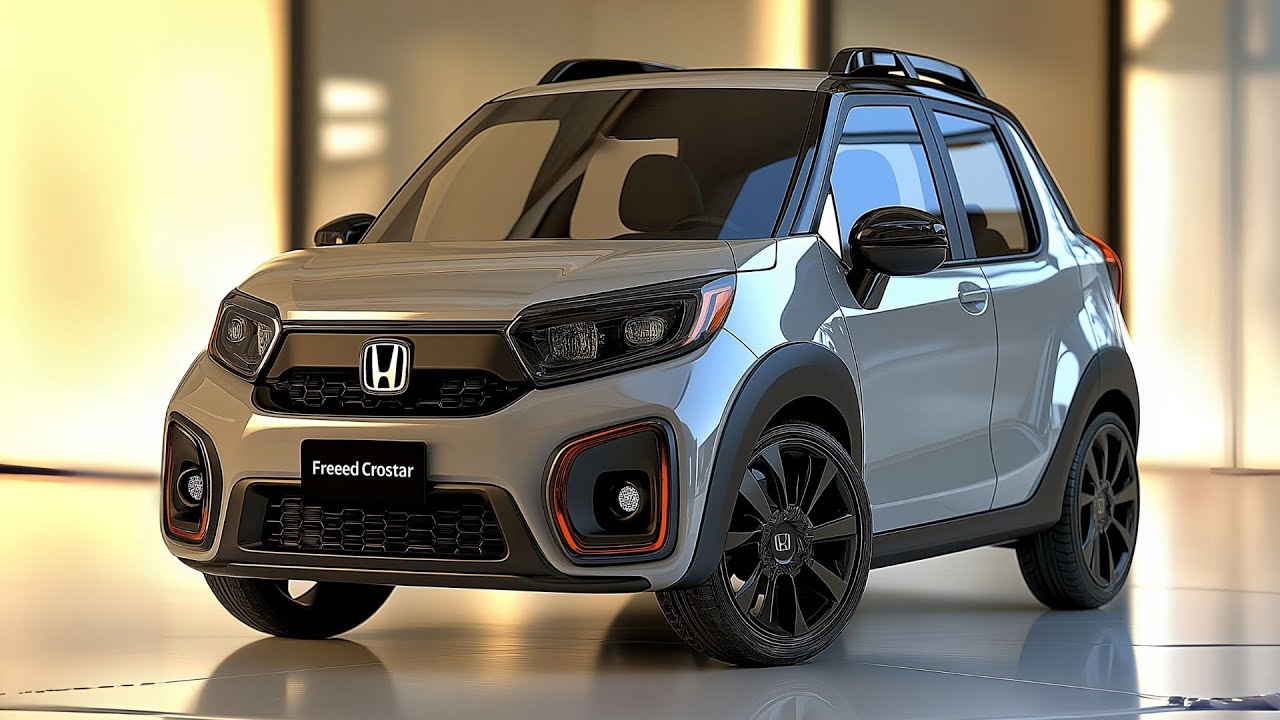
There are cars that simply move you from point A to point B, and then there are cars that reframe how you think about daily life on the road. The Honda Fit has always belonged to the second category. It’s compact in size, expansive in intention, and unexpectedly clever in the way it turns ordinary errands into a sort of well-choreographed adventure. So when rumors and fresh reports hint that the Fit might be returning, the reaction isn’t just curiosity—it’s a quiet, anticipatory recalibration. Suddenly, the future feels a little more walkable.
Let’s lean into the intrigue. What does a “Honda Fit Return” actually mean? Is it a full comeback, a refresh with new priorities, or a strategic nod to the kind of practicality that refuses to go out of style? There’s a lot to unpack, and the story is still being written in fragments—yet those fragments already suggest something bigger than a simple model update.
The Fit’s Return Isn’t Just a Product—It’s a Philosophy
Part of the Honda Fit’s mystique is that it never tried to impress with grandeur. Instead, it excelled at a subtler talent: rearranging your expectations. The Fit treats space like a fluid resource. It doesn’t merely “fit” cargo; it reshapes volume into possibilities. People didn’t buy it only for what it was. They bought it for what it made their routines feel like.
So a return—if it happens in the spirit hinted by recent chatter—signals a renewed commitment to that philosophy. The world has changed, but the Fit’s core logic remains a compelling counterpoint to today’s automotive trend toward bigness. A shift in perspective is underway. The question becomes less “Will it be a crossover alternative?” and more “Will it remind us that small can be brilliant?”
From Discontinuation to Dormancy: Why the Timing Matters
When a beloved model fades out, it rarely happens without a reason. Markets evolve. Regulations tighten. Strategies shift. Yet discontinuation can also be a pause rather than a full stop—especially when consumer affection remains unusually durable.
The Honda Fit’s absence created a vacuum for drivers who value agility, affordability, and clever packaging. That vacuum doesn’t disappear; it becomes a talking point. Over time, “I miss my Fit” evolves into “I wish something like that would come back.” That’s where timing becomes critical. A comeback becomes plausible when there’s enough cultural momentum to justify the investment, and when manufacturers recognize that practicality can be a selling story, not a compromise.
In other words, the Fit return—if it’s truly in the pipeline—likely arrives because demand didn’t fully evaporate. It adapted. It waited.
What We Expect to Change: A New Generation of Clever
It’s tempting to imagine the Fit returning exactly as before, like rewinding a favorite playlist. But automotive “returns” rarely work that way. The future version has to meet modern expectations: enhanced efficiency, updated safety systems, and a more confident design language.
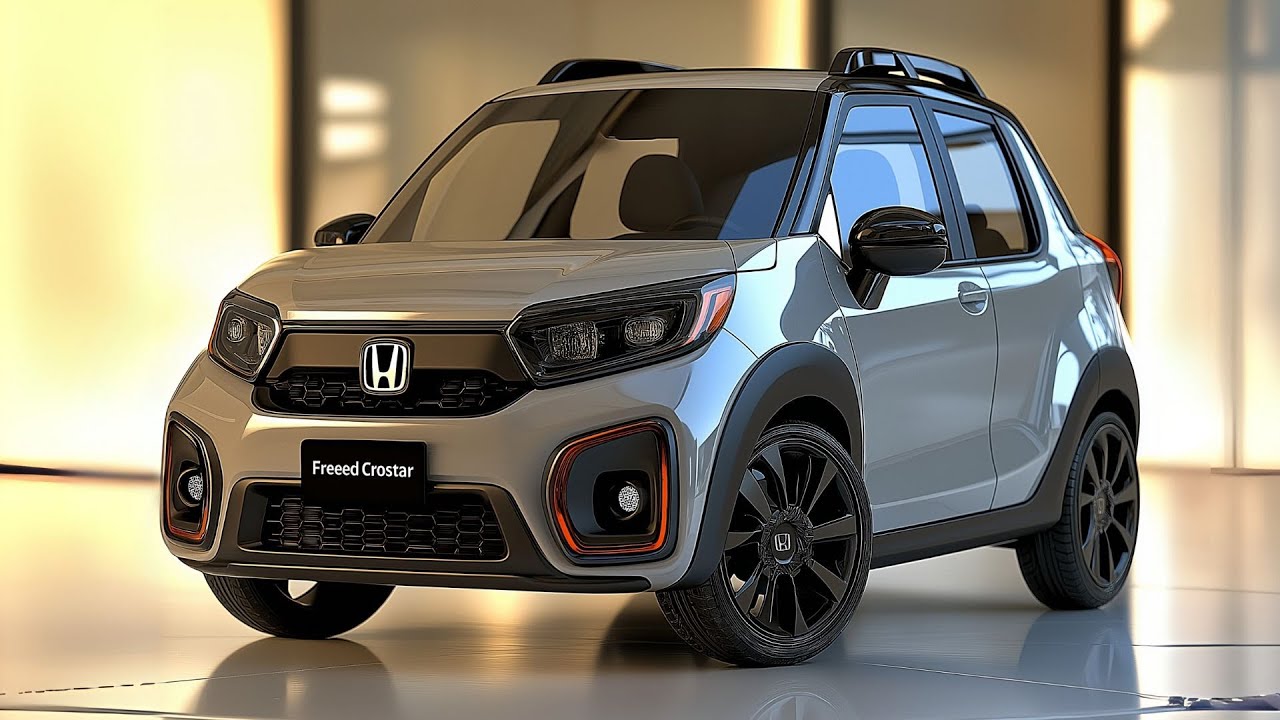
One clue lies in the phrase “bold.” Even if the Fit remains compact, it can look like it belongs to today’s visual language—sharper lines, more expressive proportions, and a sense that the small car isn’t timid. That matters because design is a promise. It communicates intent before the first button is pressed.
Beyond aesthetics, expect the interior to carry the torch of versatility. The Fit’s magic has always been the way it turns constraints into assets: fold seats, modular storage, and room that seems to grow when you actually need it. The new Fit will likely refine that layout with modern materials and ergonomics, making everyday life feel less like compromise and more like convenience made tangible.
The Powertrain Question: Efficiency Meets Everyday Reality
Every enthusiast asks about power, but most drivers feel the need for power only when it’s missing. For the Fit, the sweet spot has always been responsiveness without extravagance. That means the return would need to balance efficiency, smoothness, and acceptable performance in real conditions—city traffic, highways, and the occasional “we’re running late” moment.
Depending on the market and regulations, a return could explore updated hybridization strategies or improved gasoline efficiency. The important part isn’t just the headline number; it’s how the system behaves when you’re merging, climbing a grade, or simply driving with stop-and-go fatigue. The best powertrains are like good manners. They don’t draw attention—they just make everything feel easier.
If Honda truly aims to restore the Fit’s reputation, the powertrain would need to serve the same purpose as the packaging: reduce friction in daily driving.
Cabin Tech and Safety: Modernizing Without Losing the Plot
Technology is a double-edged sword. Add too much, and the charm can evaporate. Add too little, and buyers won’t feel secure. The Fit’s return needs a clean, practical approach: intuitive interfaces, driver-assist features that are genuinely helpful, and safety systems that don’t overwhelm.
Expect a more cohesive digital experience—likely a refreshed infotainment layout, smartphone integration, and improved connectivity. Even more crucial is the safety suite. Modern drivers don’t want alarms; they want confidence. Features like adaptive braking assistance, lane support systems, and collision mitigation can make the Fit feel like a friendly guardian rather than a nervous spectator.
The best balance will be the one that disappears into usability. In a car like the Fit, convenience should feel effortless, as if it was always there.
Who the Returning Fit Is Really For
The Fit has never been a single-audience vehicle. It’s been a shapeshifter. It fit first-time buyers. It fit compact-living households. It fit commuters who wanted to park without drama. It fit small-business owners who needed space for tools, samples, or whatever life decided to deliver that day.
A return, then, isn’t about chasing trends for their own sake. It’s about meeting specific life patterns: people who value flexibility, those who want a manageable footprint, and drivers who don’t want to pay for size they won’t use. This car belongs to the “active practicality” crowd.
Curiously, that audience is growing. Urban density increases. Parking costs rise. Gas prices fluctuate. And yet, people still need freedom, not confinement. A Fit-sized vehicle answers that desire with a quiet confidence.
Design and Versatility: The Promise of Space Reimagined
If there’s one thing the Fit returns must prove again, it’s versatility. The name itself practically invites you to believe in the magic trick—space that seems impossible until you try it. A new model can honor that legacy while adding refinement.
Think about seating positions that suit different routines. Think about storage that works with the messy reality of everyday life: grocery bags, gym gear, folded umbrellas, cables, and the occasional “this won’t fit” surprise. The Fit has always been a vehicle for the unexpected.
When a manufacturer reintroduces that concept, it becomes more than a feature set. It becomes a promise: the world won’t shrink just because your car is smaller.
What Might Be Different About Availability and Strategy
Even if the concept and engineering are solid, the return story still depends on how Honda positions the model. Will it be targeted to specific regions? Will it be positioned as a value champion, a lifestyle choice, or a practical alternative to bigger vehicles?
Market strategy can dramatically shape the buyer experience—trim levels, pricing philosophy, and dealership approach. The most important detail is that the return should feel coherent. If the Fit returns in a way that respects its identity, it will resonate. If it returns with the wrong assumptions—too expensive, too constrained, or too disconnected from its original strengths—then the comeback may feel like an imitation rather than a revival.
Still, the current tone suggests an eagerness to make it count.
Why the Fit Return Keeps Sparkling With Possibility
Some comebacks feel inevitable, but the Fit’s return carries a special kind of anticipation. It’s not merely a new badge or a refreshed grille. It’s the possibility of regaining a certain style of driving—one that values compact intelligence over bulk performance theater.
There’s also a psychological angle. When people talk about the Fit, they often talk with affection. That affection is earned through daily usefulness, not through occasional wow moments. When such cars reappear, it’s not because they were forgotten. It’s because they were missed.
So the curiosity makes sense. The Fit’s potential return isn’t just a product update—it’s a suggestion that practicality is still considered worth engineering, and that creativity in packaging hasn’t run out of steam.
Final Thoughts: A Small Car, A Big Shift in Perspective
Whether the Honda Fit truly returns in the near future with renewed boldness, updated technology, and modern efficiency, the underlying idea is already powerful: everyday life deserves a vehicle that thinks with you. The Fit has always been a quiet revolution in how “small” can feel expansive. A return—if it happens—could revive that sense of control and freedom, making the road feel less like an obligation and more like a chosen path.
Until official details arrive, the best we can do is keep listening for clues. But even now, the promise is clear: this wouldn’t be a comeback to repeat the past. It would be a comeback to sharpen the future—one clever space at a time.