There’s a particular kind of road-trip anticipation that settles into the driver’s shoulders—part excitement, part readiness. Yet comfort is the real co-pilot. On long stretches, it’s not the horsepower charts that keep you smiling; it’s the quiet cabin, the supportive seating, the composed ride quality, and the little design decisions that turn “How much farther?” into “We could keep going.” In 2026, several sedans are engineered with exactly that mindset. Below are five of the most comfortable sedans for road trips, each offering a distinct flavor of serenity—from cushioned commuting to highway-gliding refinement.
Think of this list as a set of differing landscapes. Some cars feel like a well-appointed lounge. Others behave like a calm metronome, smoothing out imperfections without making the drive feel numb. And in every case, the comfort story is more than upholstery—it’s geometry, materials, noise discipline, climate management, and the way the car orchestrates the journey.
How to Define “Comfort” for a Road Trip
Before comparing models, it helps to clarify what comfort truly means on the open road. Comfort isn’t only softness. It’s also stability under crosswinds, steering composure over uneven pavement, and suspension tuning that prevents fatigue. Long-distance travelers often feel tired for reasons they can’t immediately name: a seat that looks supportive but doesn’t distribute pressure correctly, a cabin that amplifies tire roar, or wind turbulence that starts to itch at the edge of attention.
Expect road-trip comfort to show up in five areas:
1) Ride quality: How the suspension handles expansion joints, washboard roads, and cornering transitions.
2) Ergonomics: Seat cushion length, lumbar adjustability, and steering-wheel reach for different body types.
3) Quietness: Sound-deadening materials, window design, and how drivetrain noise is managed.
4) Climate control: Fast cooling/heating, even airflow, and defogging that doesn’t force you into manual tinkering.
5) Usability: Controls that are easy to reach without contorting your posture during stops and starts.
Keep those criteria in mind as you read—because the “most comfortable” sedan is the one that matches your personal rhythm.
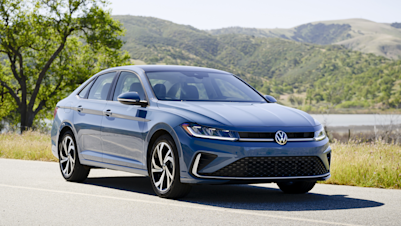
1) 2026 Volkswagen Jetta: Comfort with Unfussy Calm
The 2026 Jetta has a quietly confident personality. It doesn’t rely on theatrics; instead, it emphasizes smoothness and practicality—qualities that matter when the destination keeps getting delayed by detours, construction, and surprise roadside picnics.
Road-trip comfort begins with how the cabin feels when you settle in. The Jetta’s interior design leans into a driver-friendly layout that discourages constant reaching. That small reduction in micro-movements can be surprisingly restorative after hours on the road.
On the highway, the ride tends to feel measured rather than floaty. That balance is important: too much suspension softness can create a vague sense of motion, while overly firm tuning amplifies the pavement’s harshness. The Jetta threads the needle with composure that suits both relaxed cruising and steady, efficient driving.
What readers will enjoy exploring: how the Jetta’s seating position supports longer legs, what daily drivability feels like when the route turns into an all-day loop, and the overall “low-distraction” cabin tone that helps conversation flow without shouting.
2) 2026 Hyundai Elantra: A Soft Landing for Long Hours
If road-trip comfort were a sound, it would be steady and muted. The 2026 Elantra aims to provide exactly that sensation: a cockpit that feels organized, composed, and relatively quiet. It’s the kind of sedan that encourages you to stay seated with less fidgeting, which is an underrated form of comfort.
Drivers frequently underestimate how much leg fatigue comes from seat shape and how much shoulder fatigue comes from wind buffeting and cabin airflow. The Elantra’s cabin approach typically feels thoughtfully balanced, with visibility that reduces constant head adjustments. That matters when the road is bright, busy, and full of subtle optical surprises.
On longer stretches, the Elantra’s ride character often lands on the “easygoing” side of the spectrum. It doesn’t fight the road; it absorbs it with a sense of controlled compliance.
What readers will expect from an Elantra road-trip test: a walkthrough of how posture changes after several hours, how cabin noise behaves during sustained speeds, and how the car feels when the route transitions from smooth interstate to patched local roads.
3) 2026 Toyota Camry: Refined Confidence, Less Fatigue
Some sedans comfort you by being plush. Others do it by being predictable. The 2026 Camry leans heavily into refined confidence—an attitude that translates into less mental workload during long drives. When the car’s behavior is consistent, the body tends to relax, even on imperfect pavement.
The Camry’s road-trip appeal is often about harmony: steering inputs feel legible, suspension movements feel timed and even, and the cabin environment tends to remain stable regardless of changing road surfaces. Over time, that stability curbs the micro-stress that accumulates when you’re constantly compensating.
Comfort also includes space for gear. Road trips are an exercise in “stuff management,” and a sedan that makes it easier to keep the interior orderly can feel more comfortable than a larger car that’s harder to use. The Camry’s layout typically supports this tidy practicality.
Readers will find useful details: how the Camry handles long highway stretches without tiring the driver, how passenger comfort evolves with time, and what to look for regarding seat support on repeated stop-and-go segments.
4) 2026 Honda Accord: Sleek Comfort with Touring Manners
There’s a particular elegance to comfort that feels effortless. The 2026 Accord delivers a touring-leaning experience, where the sedan’s motions feel smoothed and choreographed. It’s the sort of vehicle that invites long-distance routines: podcasts at a comfortable volume, rest stops that feel unnecessary until they’re actually needed, and steady progress without abruptness.
Road-trip comfort is often tied to how the cabin “holds” sound. When wind and tire noise are well-contained, the drive becomes more conversational and less fatiguing. The Accord’s character tends to support that. It’s not just quiet—it’s also calm, which can make even a crowded day of errands feel more digestible.
Ergonomics matter, too. A comfortable road-trip seat should reduce pressure points while supporting your back. The Accord’s driving position usually offers a satisfying blend of support and reach, so you can adjust once and then stop negotiating with the wheel.
Expect a detailed exploration of: the sensation of highway cruising over hours, how well it supports both driver and front passenger, and how its control layout minimizes distraction during traffic exits.
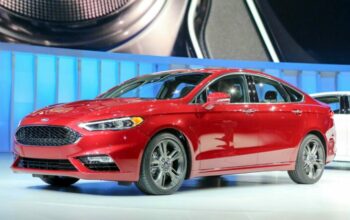
5) 2026 Ford Fusion (Road-Trip Edition): Comfort Through Balance and Space
Some comfort choices are about softness. Others are about balance—how the car behaves when the road is uneven, when weather changes, or when your schedule demands detours. The 2026 Fusion’s road-trip advantage is typically found in its ability to deliver that balanced feeling, with cabin space that doesn’t punish passengers for existing.
For long-distance travelers, the secret is often in the details: the way the center console supports a natural resting position, the way the dashboard layout keeps essentials within easy grasp, and the way rear passengers can settle without feeling like they’re perched on top of the car. Comfort is a group experience on road trips, and the Fusion generally aims to make that group experience easier.
The ride character tends to feel composed, helping reduce the jarring effects that can trigger restlessness. Even when the route gets busy, the car’s demeanor helps you remain present rather than tense.
What readers can look for: insights into passenger comfort for long stretches, the practicality of packing and access during stops, and how the cabin environment contributes to a smoother mood.
Comfort Beyond the Seat: Features That Actually Change the Drive
Road-trip comfort should be treated like an ecosystem. Seats are only one element. Several other factors can quietly upgrade your experience:
Climate zoning and airflow: Even temperature distribution prevents the “one person is freezing, one is sweating” scenario.
Driver-assist comfort: Smooth lane-keeping and adaptive cruise can reduce fatigue—especially on monotonous highways.
Charging and connectivity: A stable connection helps navigation and entertainment stay reliable, preventing stop-start stress.
Lighting and visibility: Good headlight performance and reduced glare make night driving feel less draining.
Storage strategy: Cupholders that stay secure, door bins that don’t rattle, and trunk space that accommodates trip essentials without turning the cabin into a cluttered maze.
When you evaluate these cars, don’t just ask, “Is it comfortable?” Ask, “Will it remain comfortable after the novelty of the drive fades?” That’s when true comfort begins to matter.
Picking the Right Sedan for Your Road Trip Style
Your best choice depends on your travel habits. Are you the driver who enjoys early departures and quiet mornings? Or do you prefer late-night cruising with the cabin tuned for conversation? Perhaps you travel with family and want comfort that scales across multiple seating positions.
If you prioritize low distraction and effortless ergonomics, the Jetta and Camry-type comfort philosophies often feel natural. If you want a calm, refined touring demeanor that reduces the mental grind, the Accord and Elantra directions tend to resonate. If your road trip includes frequent stops, group comfort, and practical packing, the Fusion-style balance can be especially compelling.
Consider how long your typical segments are, where you tend to drive, and how sensitive you are to cabin noise. Comfort isn’t universal. It’s personal—like a favorite playlist that never fails to match the miles.
Final Thoughts: Your Comfort Checklist for 2026
Choosing a comfortable sedan for road trips is less about chasing the newest badge and more about matching your body’s needs to a car’s design language. The 2026 sedans highlighted here each bring a distinctive comfort approach: calm cabin environments, supportive seating philosophies, and ride behaviors that help you arrive with energy intact.
Before making a decision, take a short test drive that includes real-world elements—bumps, turns, and a few stretches of steady speed. Then imagine those sensations repeating for hours. If the car helps you feel relaxed, not just impressed, you’ve found the right kind of comfort.
The road will always demand attention. But the best sedans make that attention feel easier—like steering through the journey rather than bracing against it.